
Reviewed · TOKYO FOOD TOURS
Tokyo: Shinjuku Food Tour (13 Dishes at 4 Local Eateries)
Shinjuku is easiest to understand with something tasty in front of you. This three-hour walk links Omoide Yokocho, Kabukicho, and Golden Gai with 13 dishes at four eateries, so you can sample a broad range of Japanese food without stopping to decode every menu.
I like the simple all-in-one setup: food and two drinks are included, and the guide does the ordering. I also like the small maximum of 12 people, which helps in narrow lanes and cramped restaurants. The main caution is that the guide, exact food stops, and amount of explanation can shape the evening. A few people found the food excellent but wanted more detail, while one group missed Golden Gai.
Key points before you book
- Thirteen dishes in three hours: You get a wide sample rather than one long meal.
- Four different food settings: The route includes a stall, izakaya, traditional eatery, and gastrobar.
- Three famous Shinjuku areas: Omoide Yokocho, Kabukicho, and Golden Gai form the cultural backdrop.
- Two drinks included: Alcoholic and non-alcoholic choices are part of the experience.
- Guides make a real difference: May, Hoshi, Igor, Kei, and others have received especially warm praise for food knowledge and local tips.
- The meeting point matters: Start at AOKI Shinjukunishiguchi Honten, then finish near the southeast exit of JR Shinjuku Station.
Why this Shinjuku food tour works
Shinjuku can feel like three cities piled on top of one another. Office towers, neon entertainment streets, tiny bars, old food alleys, and enormous train-station crowds all meet within a short walk. You can eat well here on your own, but finding the right small places takes time and a bit of nerve.
This tour gives you a shortcut. Instead of spending your first evening comparing menus and guessing what to order, you follow a guide through four different food settings. The price is $86.22 per person, which is not cheap for a three-hour walk, but the cost includes 13 dishes, two drinks, and the guide. For a first night in Shinjuku, that makes the price easier to justify.
I see the tour as both a meal and an orientation. You get a taste of local food, learn how the entertainment districts fit together, and leave with a better sense of where you might return later. The strongest guides add useful restaurant suggestions for the rest of your Tokyo stay.
The experience has earned a 4.9 out of 5 rating from 6,603 reviews, with 99 percent recommending it. That is a strong signal, though not a guarantee of the same evening for every group. The food selections and guide may vary, and your experience depends partly on how much cultural explanation your guide provides.
More things to do in Shinjuku:
- Tokyo Bar Hopping Tour in Shinjuku (All-You-Can-Drink + Dinner)
★ 5.0 · 3,587 reviews - Tokyo: Shinjuku Food Tour (15 Dishes and 4 Eateries)
★ 4.9 · 2,033 reviews - Best of Shinjuku: Izakaya Food Tour (4 Stops, 14+ Tastings)
★ 5.0 · 1,863 reviews
Start at Omoide Yokocho
The meeting point is AOKI Shinjukunishiguchi Honten at 1-chome 8-5 Nishishinjuku. This is near Shinjuku Station, but the station is huge, so allow extra time to get oriented. The tour does not begin at a scenic landmark. It begins at a practical city meeting point, which makes finding the guide more important than arriving at the station at the last minute.
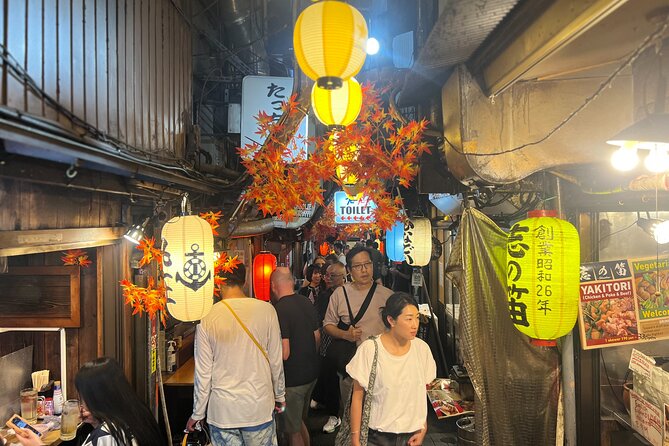
From there, the walk heads toward Omoide Yokocho. This compact lane is known for tiny izakayas and food stalls packed along narrow passages. It is one of the best places in Shinjuku to see how limited space can produce a very social food scene.
The first hour gives you a useful introduction to small-scale Japanese dining. You may be seated close to other diners, and the setting is more about atmosphere and quick, focused eating than personal space. That is part of the appeal, but it may feel tight if you prefer roomy restaurants.
The food is served as part of the tour, so you do not need to stop and pay at each location. That keeps the group moving and removes the worry of ordering the wrong amount. The guide can also explain what is arriving, though the level of explanation varies. If you want to understand every dish, ask direct questions early.
Omoide Yokocho is especially useful as a first stop because it eases you into Shinjuku’s smaller dining rooms. You begin with a sense of the neighborhood’s scale and pace, rather than being dropped straight into a large formal restaurant.
Kabukicho brings food and nightlife together
The next hour takes you into Kabukicho, Tokyo’s best-known entertainment district. The tour uses the area as more than a backdrop. Your guide explains the different kinds of establishments found here and leads you into a traditional Japanese restaurant.
Kabukicho can be confusing if you walk through it without context. Signs compete for attention, streets change character quickly, and the area is known for nightlife as much as food. A guide helps you read the surroundings without turning the walk into a generic sightseeing loop.
This part of the route is also where the tour’s cultural value becomes clearer. You are not only being fed. You are learning how food, nightlife, and neighborhood identity overlap in central Tokyo. Guides such as May, Hoshi, Igor, Kei, and Elena have been praised for adding background about Japanese customs, Tokyo districts, and the dishes being served.
The food selection is varied rather than focused on one cuisine. One experience included tonkotsu and taiyaki, while another included pork katsu at a long-established restaurant. Another guide encouraged a diner to try snails. These details show the tour’s basic approach: offer several tastes and let you try foods you might not order alone.
That variety is a major strength, but it also means the meal may not satisfy someone looking for one outstanding specialty. You are sampling 13 dishes, not sitting down for a carefully paced tasting menu. Portions and food choices may feel uneven from one person’s point of view.
Golden Gai preserves a different Tokyo
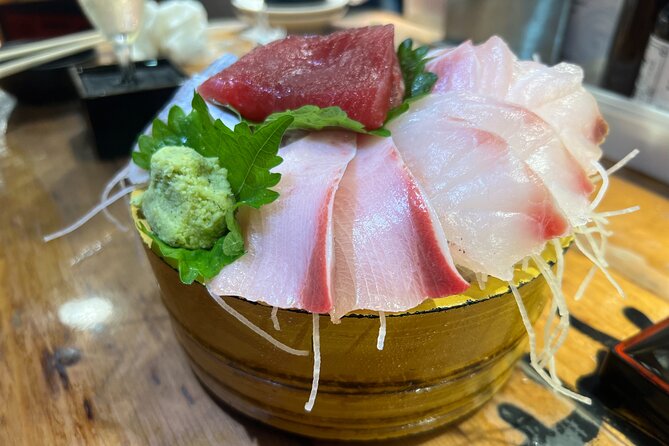
The final named area is Shinjuku Golden Gai, a maze of narrow alleys lined with more than 200 tiny bars. The district is valued for its postwar architecture and long connection with Tokyo nightlife.
Golden Gai is a particularly good place to have a guide. The lanes are compact, and many businesses are tiny. A short explanation helps you understand why the district matters without expecting you to enter every bar. The stop is about seeing the area and hearing its story as much as eating.
There is one practical qualification. The route can change, and one group reported that Golden Gai was not visited even though it was part of the planned route. If this district is your main reason for booking, confirm the evening’s route with the guide at the start.
The stated itinerary gives about one hour to each of the three districts. In practice, the eating is spread across four venues, and the food may include a stall, an izakaya, a traditional eatery, and a gastrobar. Some stops may involve sitting down, while others may be street-side or quicker visits.
That mix gives the tour its sense of motion. You are not stuck in one restaurant for the entire evening, and you see several sides of Shinjuku. The trade-off is that transitions and group coordination take time.
More Tokyo food tours:
- Tokyo Night Foodie Tour in Shinjuku – Seasonal Sushi, Wagyu Beef
★ 5.0 · 1,161 reviews - Eat and Drink Like a Local: Tokyo Ueno Food Tour-Taverns&Ramen
★ 5.0 · 957 reviews - Tokyo: Shibuya Food Tour (13 dishes and 4 Eateries)
★ 5.0 · 770 reviews - Tsukiji Fish Market: Street Food & Culture Walking Tour
★ 5.0 · 669 reviews
Four eateries, 13 dishes, and two drinks
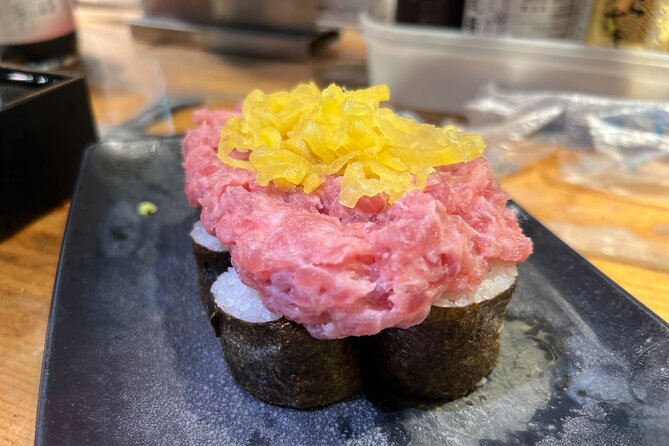
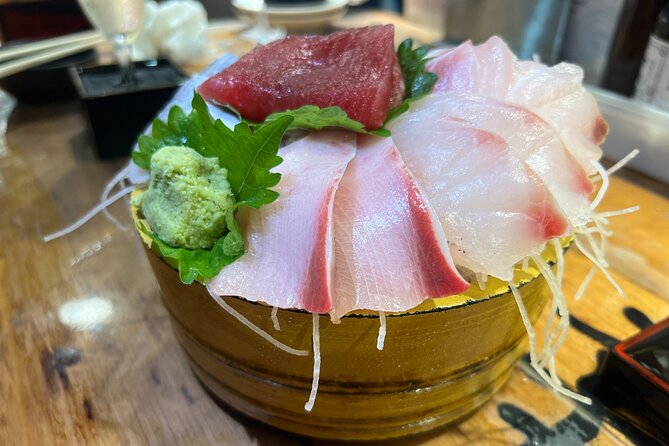
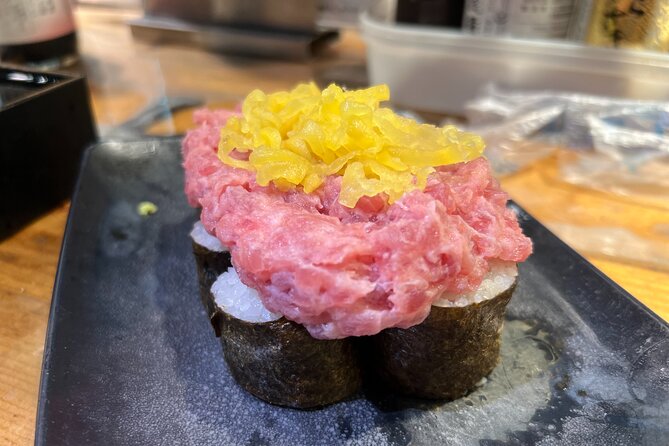
The included food is the main reason to book. Thirteen dishes sounds like a large amount because it is. You should arrive hungry, but do not assume every dish will be a full-size meal. The experience is designed around sampling many items across several locations.
The four food settings are important:
- A food stall gives you a more casual taste of street-side eating.
- An izakaya introduces the small-dish, drink-friendly style common to Japanese nightlife.
- A traditional eatery adds a more established restaurant setting.
- A gastrobar gives the route a modern final stop.
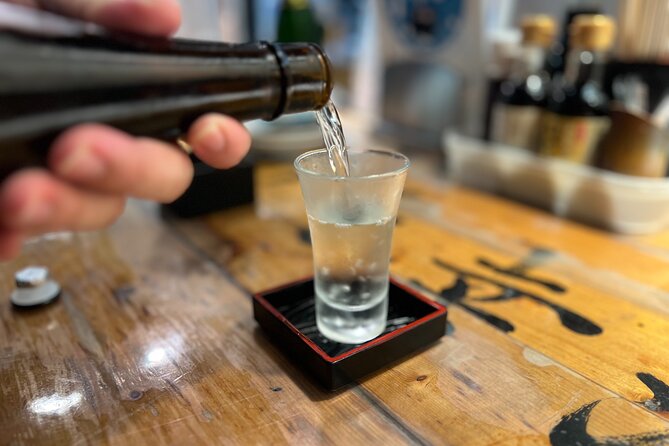
Two complimentary drinks are included, with alcoholic and non-alcoholic choices. That is useful because the tour moves through districts where drinking is part of the evening atmosphere. If you do not drink alcohol, you are still covered.
The tour is not a class in Japanese cuisine, and the supplied information does not give a fixed list of all 13 dishes. That matters if you have your heart set on a particular food. The dishes may also change by guide, restaurant, availability, or dietary needs.
One clear advantage is the chance to try food outside your normal comfort zone. A guide can make an unfamiliar dish feel manageable, especially when you are unsure how to order or eat it. A few participants appreciated being introduced to foods they would not have chosen alone.
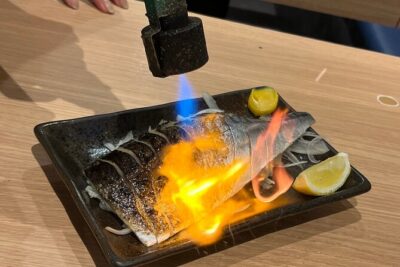
One clear risk is explanation. At least one group found that raw food arrived without enough instruction, and another felt the stops could have been done independently. If food education is your main goal, tell the guide that you want details about ingredients, preparation, and local customs.
The guide can make or break the evening
The tour provider is Traveling Tokyo, and the guide assigned to you may vary. Names praised in accounts of the experience include May, Agathe, Mak, Emma, Nathan, Lloyd, Hoshi, Kei, Izzy, Paula, Elena, Ami, Igor, Shane, and Maya.
That long list tells you the operation uses several guides rather than one fixed host. It also explains why the tone may differ from one departure to another. Some guides focus heavily on history and food culture. Others add extra sights, jokes, neighborhood advice, or restaurant suggestions for later in your trip.
Hoshi was praised for clear English and explanations of Japanese food and culture. Igor was praised for keeping a good walking pace and giving background as the group moved between stops. Kei added sights such as the giant 3-D cat and Godzilla above a building, while also paying attention to food preferences.
Lloyd was especially helpful to a family member with mobility issues, coordinating taxis between locations so the person could continue enjoying the meal. That does not mean every tour includes taxi assistance, but it shows the value of speaking up about mobility needs before the walk begins.
If you want more information, say so. Ask what you are eating, why the restaurant was chosen, and how locals usually order it. The best guides welcome those questions. The less successful experiences appear to come when guests expected the guide to explain everything without prompting.
Walking, group size, and practical comfort
The tour lasts about three hours and has a maximum of 12 people. That is a sensible group size for narrow lanes and small restaurants. It is still large enough that some venues may feel crowded, particularly when everyone is ordering or moving at once.
You will walk between the three Shinjuku districts. One account describes the pace as manageable even for someone with a leg injury, but you should not treat that as a promise of a fully accessible route. The itinerary is urban, and the eateries are small. Tell the guide about mobility concerns in advance.
Most people can participate, and the route is near public transportation. The tour ends near the southeast exit of JR Shinjuku Station. If that is not convenient, you can ask the guide to escort you back to the Starbucks meeting point.
Wear comfortable shoes and keep your evening schedule open. The food is spread across several stops, and the walk is part of the experience. The tour is best placed early in your Tokyo visit, since the guide’s restaurant tips and neighborhood pointers can help with later meals.
Free cancellation is available if you cancel at least 24 hours before the start time. Cancellations or changes within 24 hours are not refunded or accepted.
Who gets the most value from the $86.22 price
I think the price works best for first-time visitors who want an easy introduction to Shinjuku. You are paying for the food, two drinks, the guide, and the time saved from researching four places yourself.
Solo visitors can also get good value from the social setup. One solo participant made connections with other people in the group and met them again later in Tokyo. The small group gives you a ready-made dinner table without requiring you to plan one.
This is also a good choice if you feel unsure about Japanese menus or restaurant etiquette. The guide orders, explains the route, and keeps the group moving. You can concentrate on tasting rather than translating.
I would be more cautious if you are a serious food hunter who already knows Shinjuku well. You may prefer to choose your own izakaya and spend the full evening at a restaurant you have researched. I would also think twice if you need a fixed menu, a quiet setting, or a detailed explanation of every dish.
The price is harder to justify if you see the tour only as a meal. It becomes more reasonable when you value the neighborhood walk, cultural context, included drinks, and access to places you might not find or enter on your own.
Should you book this Shinjuku food tour?
Book it if you want a fast, social introduction to Shinjuku food and nightlife. The combination of 13 dishes, four types of eateries, two drinks, and three well-known districts gives you plenty to taste and see in one evening.
I would book it near the start of a Tokyo stay, especially if guides such as Hoshi, May, Igor, or Kei are available, though guide assignments cannot be guaranteed. At the meeting point, ask about the exact route, Golden Gai, dietary needs, and how much food explanation you can expect.
Skip it if your priority is a fixed gourmet menu or a highly detailed food lecture. The tour’s strongest feature is variety and local orientation, not precision. For most first-time visitors who want to get their bearings through food, it is a practical and enjoyable way into Shinjuku.
FAQ
How long is the Shinjuku food tour?
The tour lasts approximately three hours.
How many dishes are included?
The experience includes 13 Japanese dishes served at four eateries.
Are drinks included?
Yes. Two complimentary drinks are included, and both alcoholic and non-alcoholic options are available.
What types of places does the tour visit?
The food stops include one stall, one izakaya, one traditional eatery, and one gastrobar.
Which Shinjuku areas are included?
The planned route includes Omoide Yokocho, Kabukicho, and Shinjuku Golden Gai.
Where does the tour start?
The meeting point is AOKI Shinjukunishiguchi Honten at 1-chome 8-5 Nishishinjuku, Shinjuku City, Tokyo 160-0023, Japan.
Where does the tour finish?
The tour ends near the southeast exit of JR Shinjuku Station. You can ask the guide to escort you back to the Starbucks meeting point if you prefer.
How many people can join the tour?
The maximum group size is 12 people.
Newly reviewed around Tokyo
- Tokyo Asakusa:Calligraphy & Make T-shirt Activity★ 5.0 · 62 reviews
- Intercity Shuttle, Tokyo to Haneda /Narita /Yokohama /Makuhari★ 5.0 · 5 reviews
- 1 Hour Travel around Tokyo with a Professional Photographer★ 5.0 · 3 reviews
- Travel Tokyo with Your Own Personal Photographer★ 5.0 · 43 reviews
- Train in Samurai Swordsmanship and Defeat the Demon in Tokyo★ 5.0 · 5 reviews
- Shuttle Van 6hr Tokyo Tour to-and-from Tokyo, Yokohama and Narita★ 5.0 · 9 reviews
- Kickboxing & Body Training with EX-Pro Fighter★ 5.0 · 4 reviews
- Traditional Japanese Knife Sharpening Class★ 5.0 · 18 reviews
Tokyo Food Tours, compared.
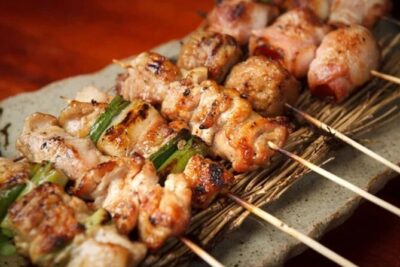
Shinjuku Food Tour (15 Dishes and 4 Eateries)
Read our review →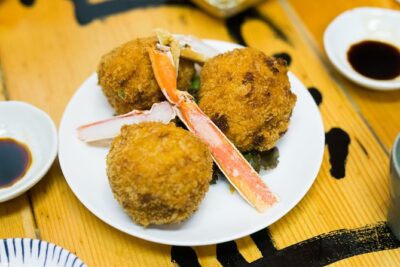
Best of Shinjuku: Izakaya Food Tour (4 Stops, 14+ Tastings)
Read our review →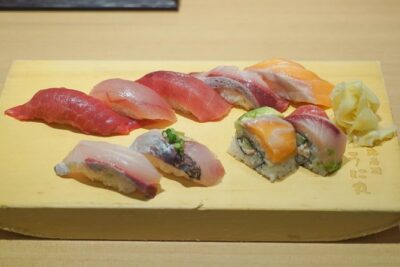
Tokyo Night Foodie Tour in Shinjuku – Seasonal Sushi, Wagyu Beef
Read our review →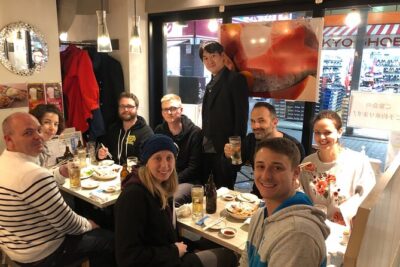
Eat and Drink Like a Local: Tokyo Ueno Food Tour-Taverns&Ramen
Read our review →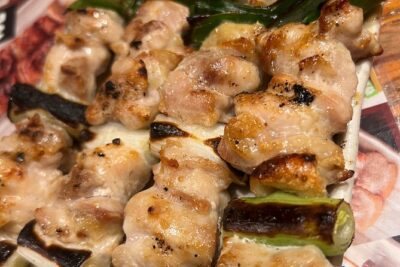
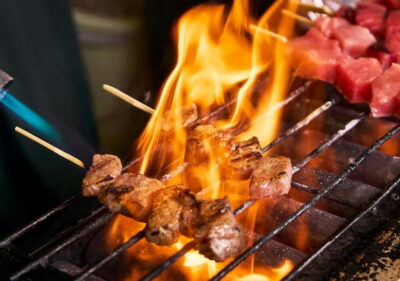
Tsukiji Fish Market: Street Food & Culture Walking Tour
Read our review →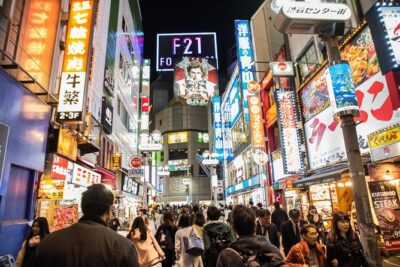
Browse the lists this tour appears in