
Reviewed · TOKYO FOOD TOURS
Tokyo: Shibuya Authentic Food Tour & Local Delights
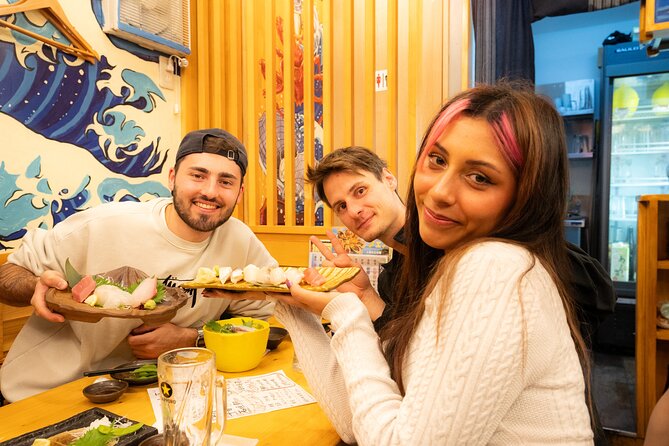
Shibuya’s famous crossing is only the opening act here. After the photos at Hachiko and Scramble Crossing, you turn into narrow lanes packed with izakayas, smoky grills, and small restaurants. The focus is not street snacks grabbed on the run, but a proper Japanese dinner spread across four local stops.
I like the four food stops, which give you more range than a single restaurant meal. I also like the local context from guides such as Ryo, Guru, Haru, and Yo, whose friendly styles help explain what you are eating and how Shibuya works after dark.
The main thing to consider is that this is a walking dinner tour, not a pure street-food crawl. Most of the food is served at sit-down or izakaya-style places, and one report points to some disorganization when takeaway food had no clear place to eat.
Key points to know before booking
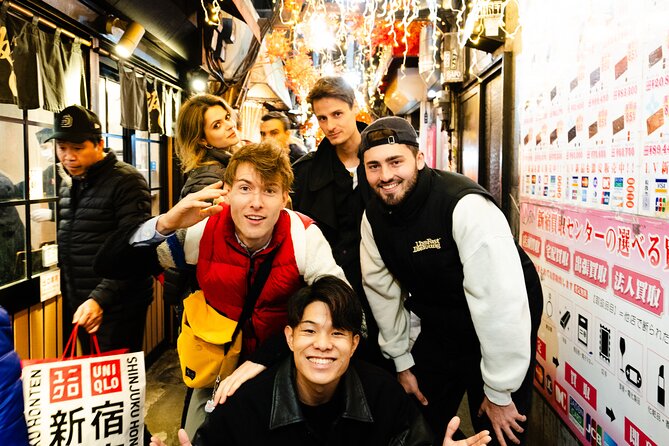
- Four stops make this a full dinner: You receive enough food for a satisfying evening, not just a few samples.
- The route covers two very different Shibuya areas: Center-gai brings narrow restaurant lanes, while Dogenzaka offers a broad mix of izakayas and eateries.
- Yakitori, tonkatsu, and sushi are part of the food mix: The exact dishes can vary, but the meal covers several familiar Japanese favorites.
- Two drinks are included: You can choose alcoholic or non-alcoholic drinks.
- The 6 pm start fits a sightseeing day: The tour runs about three hours and ends back at the starting point.
- The group can reach 15 people: That is small enough for a social evening, though not necessarily intimate.
Why this Shibuya food walk works well at night
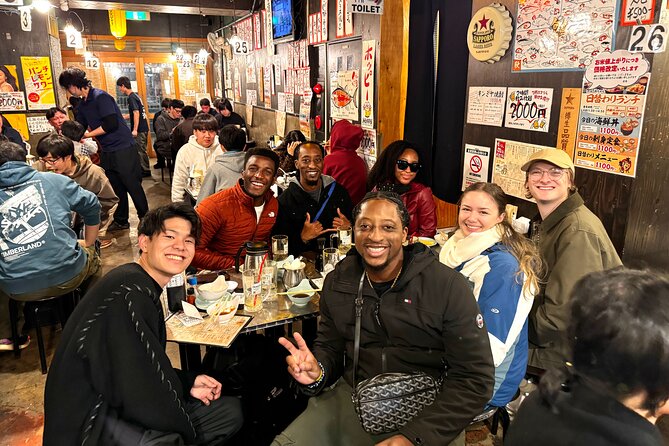
Shibuya can feel confusing at first. The crossing, department stores, giant screens, railway lines, and packed side streets all sit close together, but the neighborhood changes quickly from polished shopping district to small food alley.
This tour uses that contrast well. You meet at Shibuya Tsutaya, near the famous crossing, then move into Center-gai and Dogenzaka. I like this route because it gives you both the postcard version of Shibuya and the more ordinary evening food scene behind it.
The timing matters. At 6 pm, you can spend the day at Meiji Shrine, Harajuku, Tokyo Tower, or another part of the city, then head to Shibuya for dinner. You do not have to work out where to eat during the busy evening rush. Your guide handles the route and leads you to four selected places.
The walk lasts about three hours. That leaves enough time to eat at a relaxed pace, hear some background about Japanese food and customs, and see Shibuya after dark without turning the experience into a rushed march between restaurants.
More things to do in Shibuya:
- Official Street Go-Kart in Shibuya
★ 5.0 · 3,435 reviews - Tokyo: Street Kart Experience in Shibuya
★ 4.9 · 1,484 reviews - Shibuya Meltdown Nightlife Tour: All-You-Can-Drink Bar Hopping
★ 5.0 · 1,058 reviews
From Hachiko to Center-gai
The meeting point is Shibuya Tsutaya, in the Q Front building near the main Shibuya crossing. The tour passes Hachiko, the well-known meeting point and statue, before crossing the famous Scramble Crossing.
This opening gives you an easy orientation to the area. Hachiko is busy, but it is also useful as a fixed landmark in a part of Tokyo where signs and streets can feel hard to sort out. If you have never visited Shibuya, beginning here helps you understand where the main roads and pedestrian flows lead.
After the crossing, the route heads into Center-gai. The mood changes quickly. You leave the broad crossing and enter narrower streets lined with restaurants, bars, and izakayas. Your guide stops at a local izakaya for one of the food experiences.
An izakaya is best understood as a Japanese neighborhood drinking and dining place. You typically order several small dishes rather than one large plate, which makes this setting a good match for a food tour. It also gives you a chance to see how dinner and drinks fit together in everyday Japanese life.
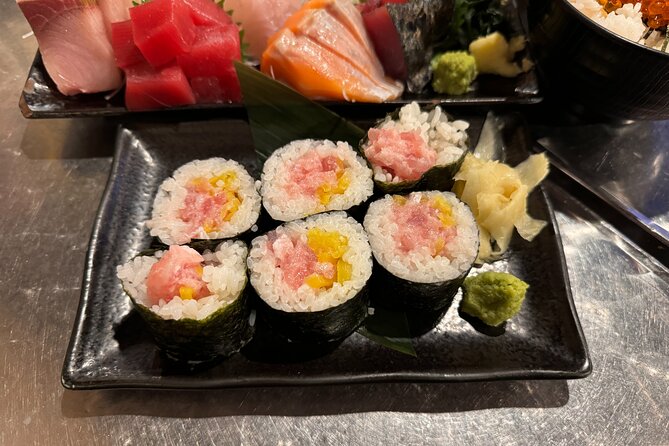
The exact menu is not fixed in the information provided, but the tour highlights smoky yakitori, crispy tonkatsu, and sushi. Those examples suggest a useful range: grilled meat, fried food, and seafood rather than four versions of the same dish.
Dogenzaka brings more food variety
The second main area is Dogenzaka, a street known for its many restaurants and izakayas. It is popular with local people of different ages, and the tour uses the area for additional food stops.
This part of the route is valuable because it shows a less polished side of Shibuya. You are not limited to the huge restaurant signs and familiar international chains around the station. Instead, you move through streets where small eating places sit close together and the choices can be hard to judge from outside.
The tour description says the guide avoids tourist traps. That does not mean every stop will feel secret or completely unknown. Shibuya is a heavily visited district. It means the guide is expected to steer you toward places that fit local dining habits rather than simply selecting the most obvious restaurant near the crossing.
You visit four food stops in all. The stated schedule allows about one hour in Center-gai and about an hour and a half around Dogenzaka, with the remaining time used for walking and transitions. That is a reasonable pace for a meal with several stops, though you should not expect long sightseeing talks at every corner.
One important distinction: you may picture this as a tour of food stalls or outdoor vendors. It is not quite that. The experience leans toward local restaurants and izakayas, with at least one stop involving takeaway food. If you want to sit down, order, and sample a variety of dishes, that is a strength. If you want to eat only from street stalls, it may not match your plans.
What you are likely to eat
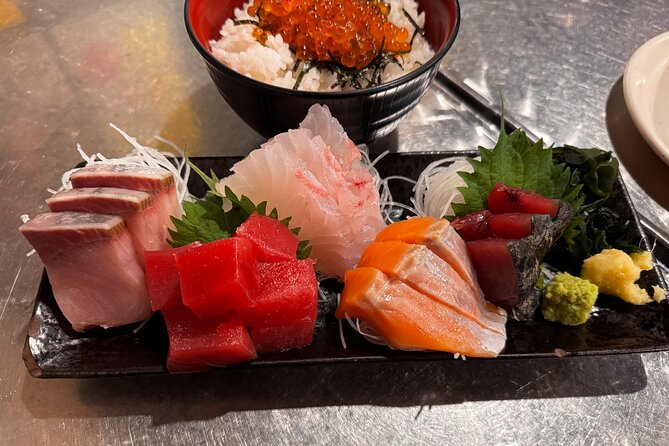
The food is the heart of the evening, and the tour promises enough for a satisfying local dinner. That is more useful than a tasting menu made up of tiny bites. You should arrive ready to eat, but you do not need to schedule a second dinner afterward.
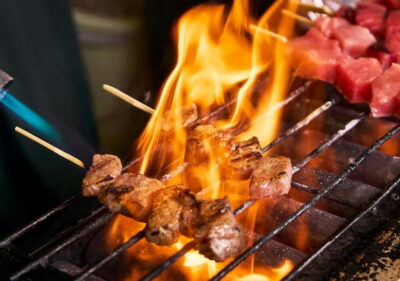
Yakitori is one of the clearest highlights. These grilled chicken skewers are simple, smoky, and well suited to an izakaya setting. The cooking method also gives you a direct taste of the grill culture found in Japanese drinking spots.
Tonkatsu brings a different texture. The crisp coating and tender meat make it one of Japan’s most familiar comfort foods. For a first visit, it is a practical dish to try with a guide nearby, especially if you are unsure about ordering or side dishes.
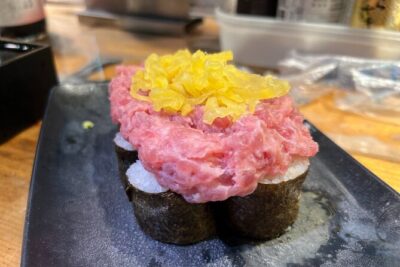
Sushi adds a fresh seafood element to the meal. The tour does not promise a specific type of sushi or a particular sushi restaurant, so you should not book it expecting an upscale sushi counter. Think of sushi as one part of a broader Japanese dinner.
The four-stop format also lets you compare settings. One place may focus on grilled food, another on fried dishes, and another on sushi or small plates. That variety is a better introduction to Tokyo dining than spending the whole evening at one highly specialized restaurant.
Two complimentary drinks are included, with alcoholic and non-alcoholic options. This is a useful value point in Tokyo, where drinks can add up quickly at izakayas. The tour does not state that every dish or drink is unlimited, so you should treat the inclusions as a planned meal rather than an open tab.
More Tokyo food tours:
- Tokyo: Shinjuku Food Tour (13 Dishes at 4 Local Eateries)
★ 5.0 · 6,603 reviews - Tokyo: Shinjuku Food Tour (15 Dishes and 4 Eateries)
★ 4.9 · 2,033 reviews - Best of Shinjuku: Izakaya Food Tour (4 Stops, 14+ Tastings)
★ 5.0 · 1,863 reviews - Tokyo Night Foodie Tour in Shinjuku – Seasonal Sushi, Wagyu Beef
★ 5.0 · 1,161 reviews
Guides make the difference
The guide is not just there to lead you from one restaurant to the next. Commentary about food, local customs, and the neighborhood gives the meal more meaning. A plate of yakitori is pleasant on its own, but a short explanation of how the dish fits into an izakaya meal helps you order with more confidence later.
Several guides are associated with strong experiences here. Ryo is described as friendly and kind, while Guru is noted for his easygoing manner and clear introduction to Tokyo’s food scene. Haru is praised for his local knowledge and for making the evening feel relaxed. Yo is credited with guiding the group through four food stops and explaining Japanese culture and cuisine.
The guide names matter because the personality of a food tour shapes the whole evening. A warm host can help a mixed group settle in quickly, especially when people are sharing dishes and making conversation. You should also keep expectations realistic. English ability can vary by guide, and one experience found conversation difficult because the guide’s English was not fluent.
That does not erase the value of the tour, but it is worth knowing if detailed discussion is your main reason for booking. The tour is conducted in English, yet the depth and ease of conversation may depend on who leads your departure.
Is $90 a fair price?
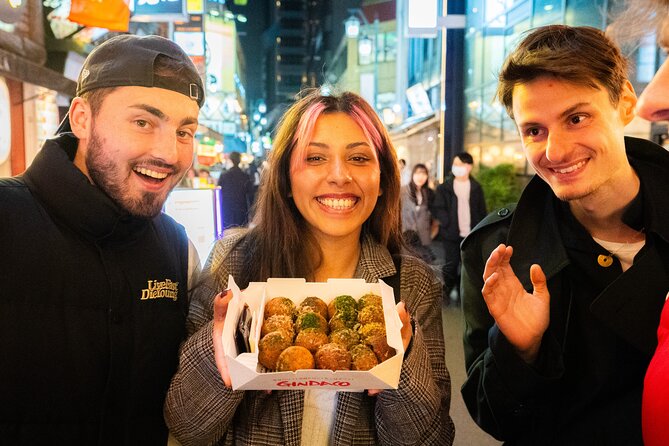
At $90 per person, this is not the cheapest way to eat in Shibuya. You could certainly buy individual meals for less if you already know where to go and can choose restaurants confidently.
The price includes four local food stops, enough food for dinner, two drinks, a walking route, and an English-speaking guide. You are also paying for the planning. The guide selects the stops, manages the transitions, and helps you order and understand what is in front of you.
That makes the value stronger for a first visit to Tokyo or for anyone who feels unsure about Japanese restaurant customs. It is also useful if you want a social evening rather than a solitary meal. The group size can reach 15, so this is not a private dining experience, but it is still smaller and more directed than joining a large sightseeing group.
I would consider the price fair if you treat the tour as dinner plus local orientation. I would be less enthusiastic if your main goal is cheap eating or a specialist sushi experience. The value depends on how much you want help finding places and making sense of Shibuya.
The fact that the tour is often booked about 29 days ahead suggests that you should not leave it until the last minute if your Tokyo dates are fixed. Confirmation arrives when you book, and free cancellation is available up to 24 hours before the start time.
Practical details for a smooth evening
The tour starts at 6 pm and ends back at the meeting point. There is no hotel pickup or drop-off, so plan your route to Shibuya Tsutaya in advance, especially if you are coming from another part of Tokyo.
The meeting point is near public transportation and close to the crossing, but Shibuya’s station area can be confusing. Give yourself extra time to find the correct exit and the Q Front building. A mobile ticket is provided, which is convenient for keeping the booking details on your phone.
The activity lasts about three hours and involves walking between food stops. Comfortable shoes make sense. You should also expect some movement through busy streets and restaurant areas rather than a quiet, seated dinner from start to finish.
Most people can take part, and the maximum group size is 15. The tour requires a minimum number of participants. If that minimum is not met and the experience is canceled, you are offered another date or experience, or a full refund.
For a full refund, cancel at least 24 hours before the local start time. Changes made later are not accepted, so keep that cutoff in mind when arranging your Tokyo schedule.
Who should book this Shibuya food tour?
I would recommend it most strongly to first-time visitors who want an easy introduction to Japanese food and Shibuya at night. You get a ready-made dinner, a guide, two drinks, and a route through areas that can be awkward to navigate alone.
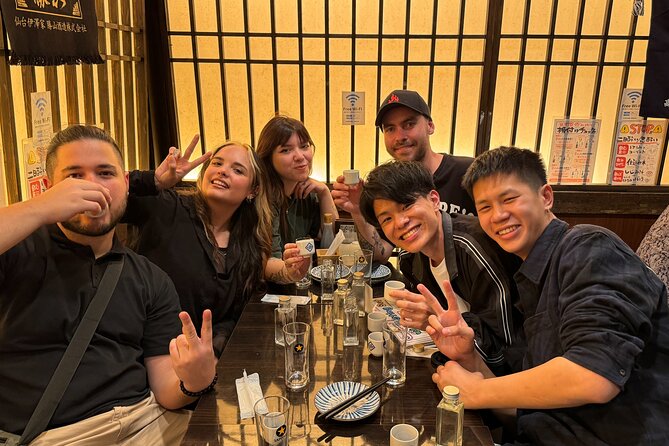
It also suits solo visitors and couples who want company for one evening. A group of up to 15 can make the meal more social, and the guides’ friendly style appears to be one of the experience’s strongest points.
Families and cautious eaters may also find the format useful because the guide can provide context at each stop. The available information does not specify dietary accommodations, so you should confirm those needs before booking rather than assume the menu can be changed.
I would hesitate if you want a dedicated street-food tour, a quiet private meal, or a highly technical lesson in Japanese cuisine. The experience is more about tasting several dishes, walking through Shibuya, and learning from a local host than about cooking instruction or fine dining.
Should you book it?
Book this tour if you want a full Japanese dinner with guidance, especially on your first night in Tokyo or your first visit to Shibuya. The four-stop structure, two included drinks, and route through Center-gai and Dogenzaka give you a useful introduction to local dining.
Skip it if you mainly want street stalls or the freedom to choose every dish yourself. Also keep in mind that guide communication can vary, and the occasional stop may feel less organized than the others.
For most visitors who value local food, friendly company, and a simple evening plan, the $90 cost is reasonable. You leave with more than a meal: you get a better sense of where Shibuya’s smaller restaurants are and how an izakaya-style evening works.
FAQ
How long does the Tokyo Shibuya food tour last?
The tour lasts approximately three hours.
What time does the tour begin?
It starts at 6:00 pm.
Where does the tour meet?
The meeting point is Shibuya Tsutaya in Japan, at Q Front, 21-6 Udagawacho, Shibuya, Tokyo 150-0042.
Where does the tour end?
The activity ends back at the meeting point.
How many food stops are included?
The tour includes four local food stops in Shibuya.
Are drinks included?
Yes. Two complimentary drinks are included, and you can choose alcoholic or non-alcoholic options.
What is the cancellation policy?
You can cancel up to 24 hours before the experience starts for a full refund. Cancellations or changes made less than 24 hours before the start time are not accepted for a refund.
Newly reviewed around Tokyo
- Tokyo Asakusa:Calligraphy & Make T-shirt Activity★ 5.0 · 62 reviews
- Intercity Shuttle, Tokyo to Haneda /Narita /Yokohama /Makuhari★ 5.0 · 5 reviews
- 1 Hour Travel around Tokyo with a Professional Photographer★ 5.0 · 3 reviews
- Travel Tokyo with Your Own Personal Photographer★ 5.0 · 43 reviews
- Train in Samurai Swordsmanship and Defeat the Demon in Tokyo★ 5.0 · 5 reviews
- Shuttle Van 6hr Tokyo Tour to-and-from Tokyo, Yokohama and Narita★ 5.0 · 9 reviews
- Kickboxing & Body Training with EX-Pro Fighter★ 5.0 · 4 reviews
- Traditional Japanese Knife Sharpening Class★ 5.0 · 18 reviews
Tokyo Food Tours, compared.
Shinjuku Food Tour (13 Dishes at 4 Local Eateries)
Read our review →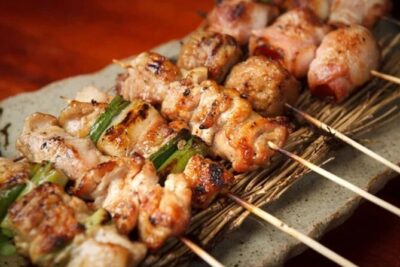
Shinjuku Food Tour (15 Dishes and 4 Eateries)
Read our review →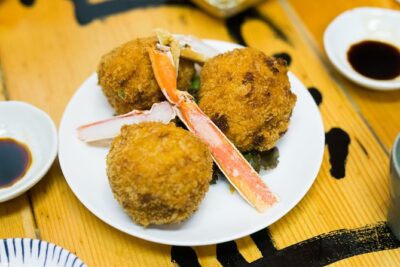
Best of Shinjuku: Izakaya Food Tour (4 Stops, 14+ Tastings)
Read our review →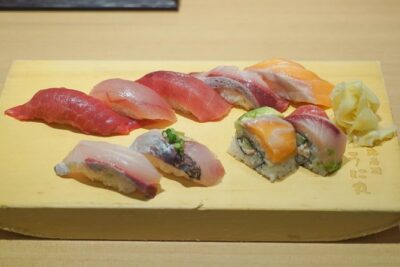
Tokyo Night Foodie Tour in Shinjuku – Seasonal Sushi, Wagyu Beef
Read our review →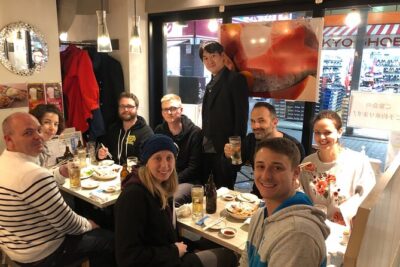
Eat and Drink Like a Local: Tokyo Ueno Food Tour-Taverns&Ramen
Read our review →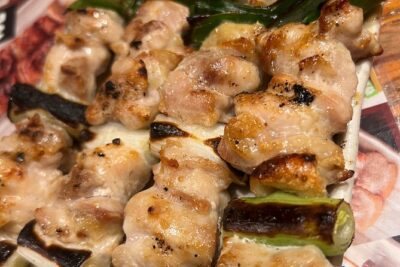
Tsukiji Fish Market: Street Food & Culture Walking Tour
Read our review →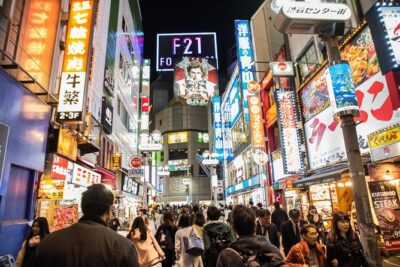
Browse the lists this tour appears in