
Reviewed · TOKYO RAMEN TOURS AND CLASSES
Professional Ramen & Gyoza with Ramen Chef in a restaurant!
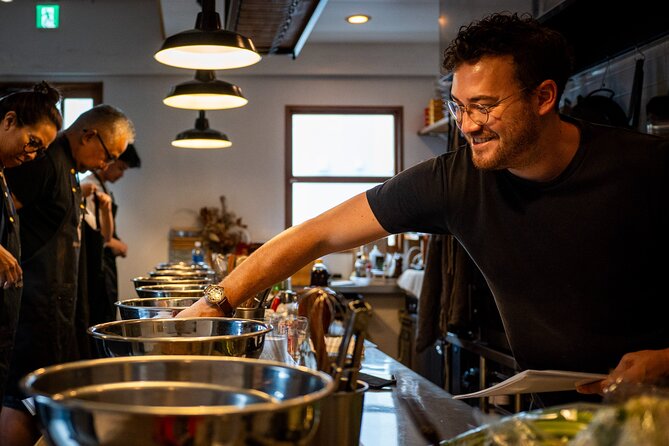
The most interesting part of this Tokyo food class is that you do not simply watch a chef assemble a bowl. You make the ramen noodles from scratch, work in a real restaurant kitchen, and help prepare the gyoza you eat at the end. The class is led by bilingual chefs, with Andrew, Eric, Jae, and Leo named among the team.
I like the small group limit of six, which gives you a fair chance to get your hands on the food instead of waiting behind a demonstration counter. I also like the practical follow-through: you receive an e-book with the recipes, so the class can continue in your own kitchen. The main consideration is the price, $159.18 per person, and the work involved. This is not a quick noodle tasting. You should expect hot pans, oils, raw ingredients, and several hours on your feet.
Key points to know before booking
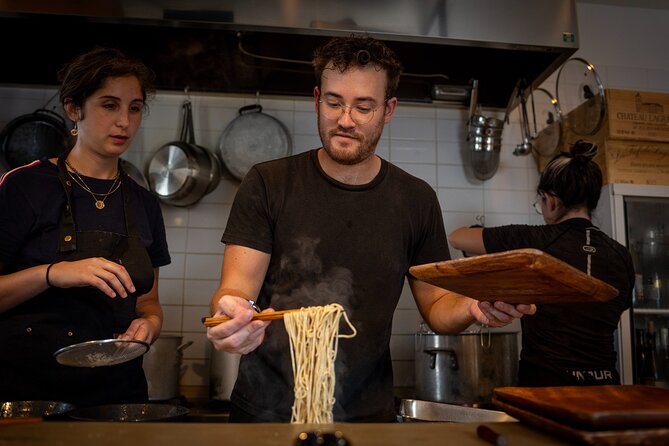
- You make all five parts of the ramen bowl: The class covers fresh noodles and the other components that turn broth into a complete bowl.
- The setting is a working restaurant: Baba Ramen uses professional, kitchen-grade equipment rather than a home kitchen.
- The group is capped at six people: That small size matters when you need help with dough, noodles, hot cooking equipment, or gyoza folding.
- Gyoza is part of the meal: You do more than prepare ramen, and the dumplings add another useful Japanese cooking skill.
- Dietary requests need advance notice: Vegetarian, vegan, gluten-free, and pork-free options are available subject to availability.
- The class starts at 9:00 a.m. in Meguro: Plan your Tokyo morning around the early start and the approximate four-hour duration.
Why this ramen class feels different
Many food classes give you a short demonstration, a few simple tasks, and a finished meal. Baba Ramen takes a more demanding route. You work through the process instead of only decorating the final bowl.
That matters because ramen looks simple when it arrives at a counter: noodles, broth, seasoning, toppings. The class shows you how much work sits behind those parts. One session included making fresh noodles, preparing broth, handling chicken bones, rolling dough, and working with hot pans and oils. You should expect to stay busy.
I like this approach because it gives you a better sense of what restaurant ramen involves. You may leave with more respect for the time, planning, and technique behind a bowl. You also get useful shortcuts that reduce preparation time without giving up too much quality. The central lesson is simple: fresh ingredients help, but good ramen still takes work.
The staff keep the tone friendly rather than formal. Andrew and the other chefs, including Eric, Jae, and Leo, are described as upbeat, patient, and easy to talk with. Since the class is taught in English and Japanese, it fits visitors who want clear instruction without losing the local setting.
More Tokyo ramen tours and classes:
- Eat and Drink Like a Local: Tokyo Ueno Food Tour-Taverns&Ramen
★ 5.0 · 957 reviews - Ramen & Gyoza Cooking Class in Tokyo with Local Supermarket Visit
★ 5.0 · 823 reviews - Tokyo: Ramen Tasting Tour with 6 Mini Bowls of Ramen
★ 4.9 · 432 reviews
Starting at Baba Ramen in Meguro
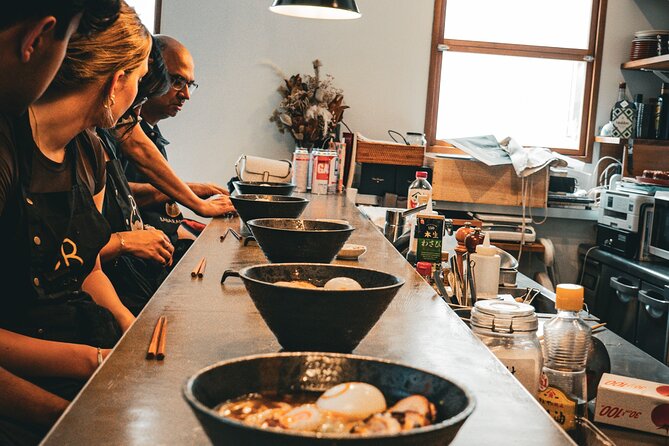
The meeting point is Baba Ramen Cooking Meguro, at 3-chōme-7-32 Shimomeguro, Meguro City, Tokyo 153-0064. The class begins at 9:00 a.m. and ends at the same location.
This is useful to know when planning your day. A four-hour class that begins in the morning will take up most of the first half of your day, so do not schedule a tight museum reservation or long cross-town transfer immediately afterward. The activity ends back at the meeting point, which keeps the logistics simple.
The restaurant setting is one of the strongest reasons to choose this experience. You use commercial equipment and focus on the cooking process rather than trying to fit everyone around someone’s home stove. One detail that adds character is that the small restaurant becomes an Italian restaurant at night. That gives the morning class a working-kitchen feel rather than the atmosphere of a permanent cooking school.
You should still arrive ready to participate. The kitchen environment may feel more practical than polished, and the class is built around doing. Wear something comfortable and be prepared to handle food and cooking equipment.
Making the noodles from flour to bowl
Fresh noodles are the heart of the class. You learn how to make ramen noodles from scratch, then work with the dough and roll it out. The hands-on element is important here because noodles are one of the parts of ramen that are easiest to take for granted.
The class gives you a chance to feel the texture and technique rather than simply being told what to do. You will likely need to follow instructions closely, since dough responds to small changes in handling. This is one reason a group of six is helpful. The chef can correct your method before the noodles are finished.
The payoff comes at the meal. Fresh noodles have a different connection to the finished dish when you made them yourself. You also leave with a recipe e-book, so this is not limited to a one-time holiday memory. You can try the method at home, though you should expect the first attempt to take some patience.
The class also explains different ramen varieties and the role of each layer. That wider context helps you understand why two bowls with similar toppings can taste very different. You are not just learning a single fixed recipe. You are learning how broth, seasoning, noodles, and toppings work together.
Building the broth and the five layers
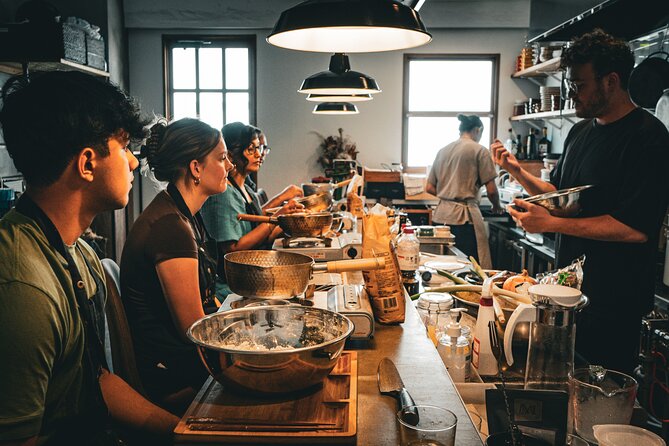
Ramen is often described as one dish, but the class presents it as five separate layers made from fresh ingredients. The exact sequence and recipe can vary, but the teaching covers the broth, seasoning, noodles, toppings, and the final assembly.
This is where the experience earns its place above a basic cooking demonstration. You get to see how the separate parts are prepared and how they come together at the end. The chefs also explain ramen history, etiquette, and the range of styles you can make.
Two broth options are available, allowing you to choose according to taste. That choice gives the meal a little flexibility, though you should not expect an enormous menu of variations. This is a focused class, not a ramen restaurant with a long list of bowls.
The food is served after the work is complete, and the portions are described as generous. The meal includes the ramen and gyoza you prepared. Several sessions involved enough food to leave people very full, so you may want to keep your dinner plans light.
More Tokyo dinner experiences:
- Tokyo Bar Hopping Tour in Shinjuku (All-You-Can-Drink + Dinner)
★ 5.0 · 3,587 reviews - Tokyo: Sumo Show and Dining Experience
★ 4.8 · 2,742 reviews - Sumida River: Japanese Traditional Yakatabune Dinner Cruise
★ 4.6 · 779 reviews - Tokyo Bay Yakatabune Dinner/Day Cruise with Japan Show and Drinks
★ 4.5 · 473 reviews
Folding gyoza beside the ramen
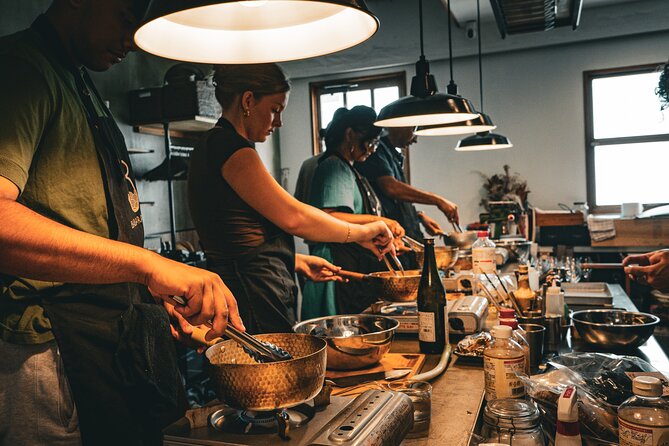
The gyoza lesson gives the class a useful second skill. Folding dumplings is hands-on, social, and different enough from noodle-making to keep the morning varied.
You will work with the filling and wrappers, then prepare the dumplings for the meal. The value here is not just the finished plate. You learn a repeatable technique that you can use at home with different fillings.
Gyoza also makes the class appealing to people in a family or mixed-interest group. Someone who is less excited about noodle dough may enjoy the dumpling work, while a serious food enthusiast gets two Japanese cooking projects in one session.
The class remains active throughout. You may be breaking down ingredients, shaping dough, rolling noodles, or working near hot pans. That is a strength for anyone who wants real participation, but it may not suit you if you prefer a relaxed demonstration with little physical work.
What the small group changes
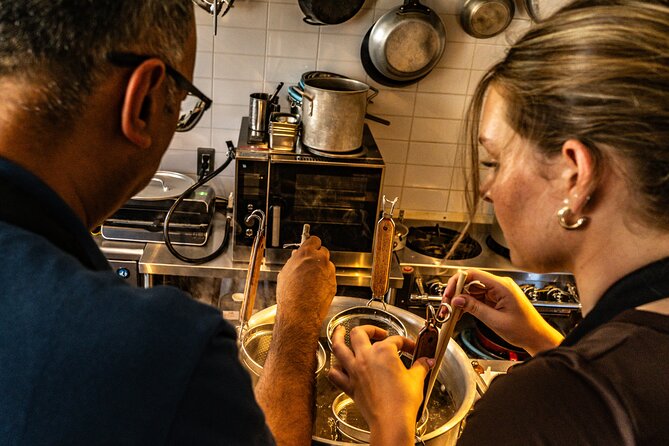
The maximum group size is six. That is a meaningful feature, not just a line in the booking details.
In a larger class, you may spend much of the time watching someone else knead dough or fold dumplings. Here, you have a better chance to take part in each stage. The chefs can also give more direct feedback when your dough needs adjustment or your technique needs a quick correction.
The group format still depends partly on the people who book that day. If everyone is eager to participate, the class becomes lively and conversational. If you are traveling alone, the cooking gives you an easy way to interact with the rest of the group without needing to make small talk from scratch.
Families can also fit well here. A family of five has used the class as a shared activity, and the staff have accommodated a young child. The kitchen includes hot equipment, though, so parents should remain attentive and follow the chefs’ instructions.
Dietary requests and practical limits
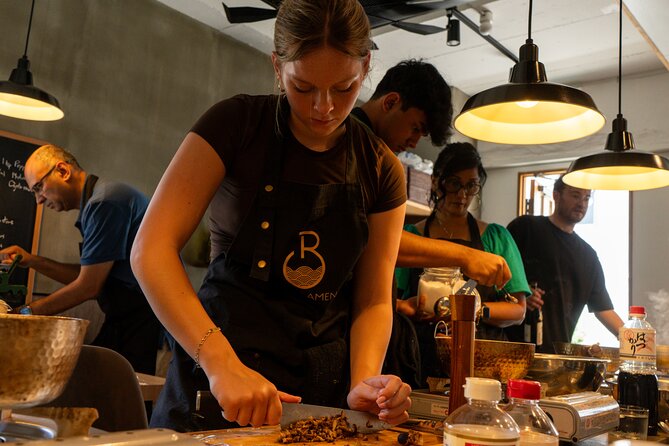
Vegetarian and vegan options are available, as are gluten-free and pork-free versions. You need to include the request in advance, and the alternatives depend on availability.
This flexibility is helpful, but it is not a reason to wait until the morning of the class. Ramen uses several ingredients that can be easy to overlook, including noodles, broths, seasonings, and dumpling wrappers. Give the provider clear information when booking so the team has a chance to plan.
Food allergies also deserve early communication. One solo participant with several allergies received careful support and alternative ingredients. That is encouraging, but the stated policy still makes availability conditional. You should not assume every substitution can be made at the last minute.
Service animals are allowed, and the meeting point is near public transportation. The activity has mobile ticketing, and confirmation is provided when you book.
Is $159.18 good value?
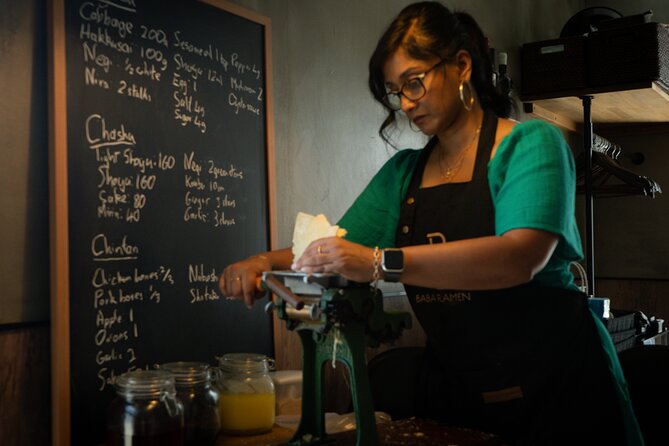
At $159.18 per person, this is not a budget meal. You can eat excellent ramen in Tokyo for far less, so the price only makes sense if you value the instruction and the work behind the food.
I see three things included in that price. First, you get about four hours of guided cooking. Second, you use professional kitchen equipment and prepare several parts of the meal. Third, you receive recipes that you can use after returning home. The ramen and gyoza meal is part of the experience, but the lasting value is the skill.
The small group also improves the equation. You are paying for access to the chefs, not only for a bowl of noodles. If you want to watch a short demonstration and eat, the price will feel high. If you want to make the food yourself and ask questions along the way, it becomes easier to justify.
I would compare this with the cost of another premium Tokyo activity, not with the price of lunch. The class takes up much of a morning and gives you a practical memory to bring home. Still, you should book it for the cooking, not simply because the final meal is included.
Who will enjoy the four-hour format
This is a strong choice for people who plan trips around food and want more than a restaurant meal. It also suits home cooks who want to understand ramen well enough to try making it later.
Families, couples, solo visitors, and small groups can all fit the format. The friendly teaching style helps, and the work gives everyone a role. If you are traveling with someone who enjoys Japanese food but dislikes long demonstrations, this class has enough activity to keep the morning moving.
You should think twice if you have limited time, dislike kitchen work, or want a quiet food experience. The class can involve hot oil, pans, raw ingredients, bones, and repeated preparation tasks. It is fun, but it is also work.
The 9:00 a.m. start may suit you if you like beginning early. It may be less appealing after a late night in Tokyo. Since the duration is approximate, allow room in your schedule beyond the advertised four hours.
Booking, cancellation, and timing advice
You can cancel for a full refund up to 24 hours before the local start time. Changes or cancellations made less than 24 hours in advance are not accepted for a refund.
The class needs a minimum number of participants and may also be canceled because of poor weather. If that happens, you are offered another date or experience, or a full refund.
I would book early if the six-person limit matters to you, especially if you need a dietary adjustment. The experience has a 4.9 rating from 223 ratings and a 96 percent recommendation rate, which suggests strong demand, but the small capacity is the more practical reason to avoid leaving it until the last day.
Should you book Baba Ramen?
Book it if you want to understand ramen by making it, not just eating it. The combination of fresh noodles, broth, gyoza, professional equipment, bilingual instruction, and a small group gives you a substantial morning in Tokyo.
I would especially recommend it to food-focused visitors, families looking for a shared activity, and home cooks who will use the recipes afterward. The strongest reason to go is the amount of participation. You work through the process and then eat the results.
Skip it if $159.18 feels too steep for a cooking class, or if you want a quick tasting with little effort. For everyone else, Baba Ramen offers a useful and memorable way to spend a Tokyo morning, with enough technique to keep paying off after you return home.
FAQ
Where does the ramen and gyoza class take place?
The class takes place at Baba Ramen Cooking Meguro, located at 3-chōme-7-32 Shimomeguro, Meguro City, Tokyo 153-0064, Japan.
What time does the class start?
The experience starts at 9:00 a.m.
How long does the experience last?
The duration is approximately four hours.
What will I make?
You will make ramen noodles from scratch and prepare gyoza. The class also covers the different parts of a restaurant-quality ramen bowl.
How many people can join the class?
The maximum group size is six participants.
Are vegetarian or vegan options available?
Vegetarian and vegan options are available subject to availability. You need to mention your request when booking.
Can the class accommodate gluten-free or pork-free diets?
Gluten-free and pork-free options are available subject to availability. Include your dietary request in advance.
Can I cancel for a refund?
You can cancel at least 24 hours before the local start time for a full refund. Cancellations or changes made less than 24 hours before the start time are not accepted for a refund.
Newly reviewed around Tokyo
- Tokyo Asakusa:Calligraphy & Make T-shirt Activity★ 5.0 · 62 reviews
- Intercity Shuttle, Tokyo to Haneda /Narita /Yokohama /Makuhari★ 5.0 · 5 reviews
- 1 Hour Travel around Tokyo with a Professional Photographer★ 5.0 · 3 reviews
- Travel Tokyo with Your Own Personal Photographer★ 5.0 · 43 reviews
- Train in Samurai Swordsmanship and Defeat the Demon in Tokyo★ 5.0 · 5 reviews
- Shuttle Van 6hr Tokyo Tour to-and-from Tokyo, Yokohama and Narita★ 5.0 · 9 reviews
- Kickboxing & Body Training with EX-Pro Fighter★ 5.0 · 4 reviews
- Traditional Japanese Knife Sharpening Class★ 5.0 · 18 reviews
Tokyo Ramen Tours and Classes, compared.

Eat and Drink Like a Local: Tokyo Ueno Food Tour-Taverns&Ramen
Read our review →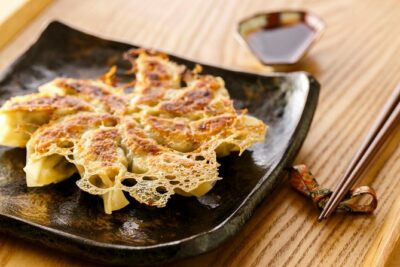
Ramen & Gyoza Cooking Class in Tokyo with Local Supermarket Visit
Read our review →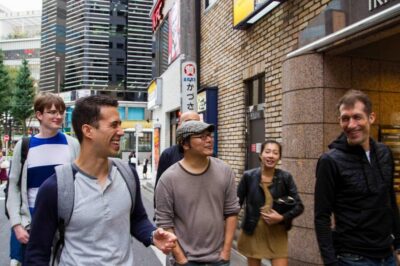
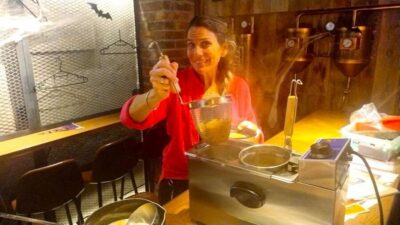
Easy Ramen Cooking Experience in Kabukicho, Shinjuku
Read our review →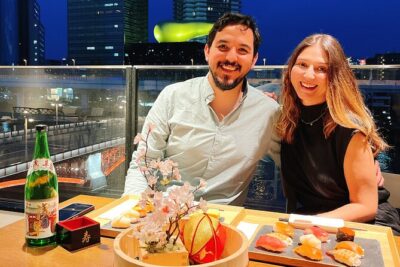
Ramen and Sushi Cooking Class with Sake Pairing Set in Tokyo
Read our review →
Ramen Dojo Tokyo | Make All 3 (Tonkotsu/Shoyu/Miso)
Read our review →Ramen Dojo Tokyo | Make All 3 (Tonkotsu/Shoyu/Miso)
Read our review →
Browse the lists this tour appears in