
Reviewed · SHINJUKU TOURS
Private Zen Meditation in English in Shinjuku, Tokyo
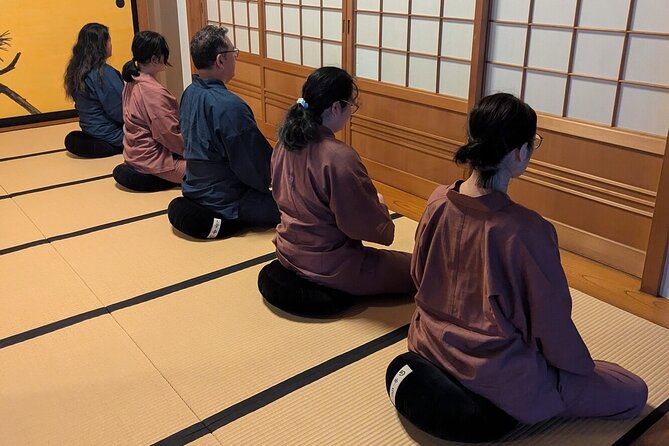
Denchuji Temple offers something rare in Tokyo: a private Zazen lesson in English, led by a Zen monk rather than explained only through an audio guide or handbook. In about 90 minutes, you learn the three essentials of Soto Zen meditation: posture, breathing, and the mind.
I like the direct access to a historic Soto Zen temple and the fact that beginners do not need to arrive knowing how to sit or meditate. I also like the private format, which gives your group room to ask questions and keeps the experience personal. The main drawback is the price, $169.08 per person, especially for a short session, and the strict no-refund policy makes careful planning important.
Key Points at a Glance
- English instruction from a Zen monk: Learn the practice directly, with explanations designed for first-time visitors.
- Historic Denchuji Temple: The temple dates to 1628 and has been associated with Zazen practice since 1640.
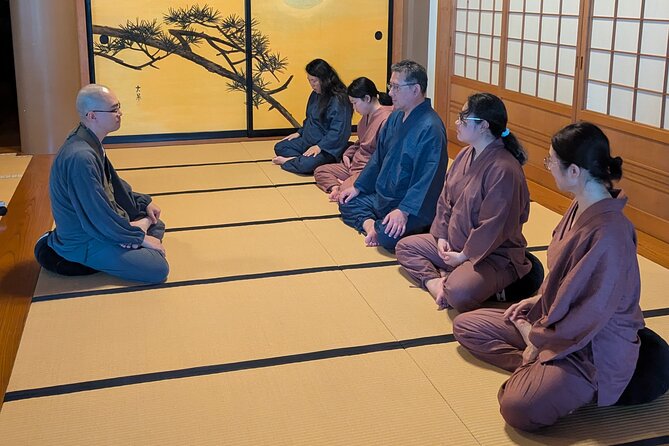
- Private group setting: Only your party participates, making it easier to ask questions and adjust the pace.
- Chair Zazen available: Request a chair in advance if cross-legged sitting is difficult or if children need another option.
- A bridge to Samurai culture: The session connects Zen practice with the discipline and spirit often associated with the Samurai.
- Evening timing: The 5:30 pm start fits neatly into a Tokyo day, but you should allow time to reach the meeting point near Edogawabashi Station.
Arriving at Denchuji Temple Near Edogawabashi
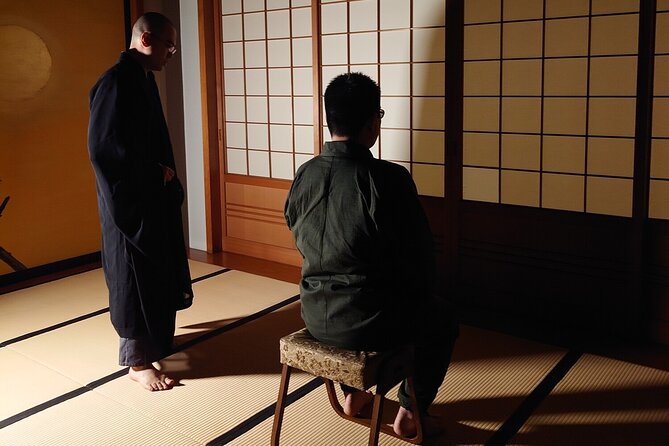
The experience begins at 5:30 pm near Edogawabashi Station, at 1-chōme-19-6 Sekiguchi in Bunkyo City. The activity is presented as a Shinjuku, Tokyo experience, but the stated meeting point is in the nearby Bunkyo area, so check your route carefully before setting out.
I like the evening start. You can spend the day sightseeing, then trade Tokyo’s traffic and neon for a quieter hour of focused practice. Public transportation is nearby, and pickup is offered, though you should confirm the exact pickup arrangement when booking rather than assume it replaces the listed meeting point.
Denchuji was established in 1628, during the early Edo period. Its name appears on maps from that time, and the temple was named by Tokugawa Iemitsu, the third shogun of the Tokugawa government. Those details matter because this is not meditation staged in a modern studio for tourists. You are entering a real religious setting with a long connection to Zen practice.
The temple has been known for Zazen since 1640. That gives the session a useful sense of place. You are not simply learning a breathing exercise. You are learning a practice in a temple where meditation has been part of the institution for centuries.
More things to do in Shinjuku:
- Tokyo: Shinjuku Food Tour (13 Dishes at 4 Local Eateries)
★ 5.0 · 6,603 reviews - Tokyo Bar Hopping Tour in Shinjuku (All-You-Can-Drink + Dinner)
★ 5.0 · 3,587 reviews - Tokyo: Shinjuku Food Tour (15 Dishes and 4 Eateries)
★ 4.9 · 2,033 reviews
Why Denchuji Matters to Soto Zen
Denchuji’s link to the Soto school adds another layer. The former head priest, Zen Master Hata Egyoku, later served as the 76th chief priest of Eiheiji Temple in Fukui Prefecture, one of the head temples of the Soto school.
You do not need prior knowledge of Soto Buddhism to benefit from this connection. It helps explain why the instruction focuses on a few basic physical and mental principles instead of presenting meditation as a vague wellness activity.
Soto Zen places strong attention on the act of sitting itself. The point is not to collect a dramatic spiritual experience on demand. You learn to sit correctly, breathe steadily, and work with the mind as it is. For a first session, this practical approach is far more useful than a long lecture filled with unfamiliar terms.
The experience also touches on the Samurai spirit. That does not mean you should expect a martial arts demonstration or a costume display. Rather, the session uses Zen to explain ideas of discipline, composure, and mental focus connected with Samurai culture. I find that connection helpful for visitors who want to understand how religious practice has influenced Japanese ideas about conduct and self-control.
The Three Parts of Zazen You Will Learn
The instruction centers on three essential elements:
- Adjusting your posture
- Regulating your breathing
- Adjusting your mind
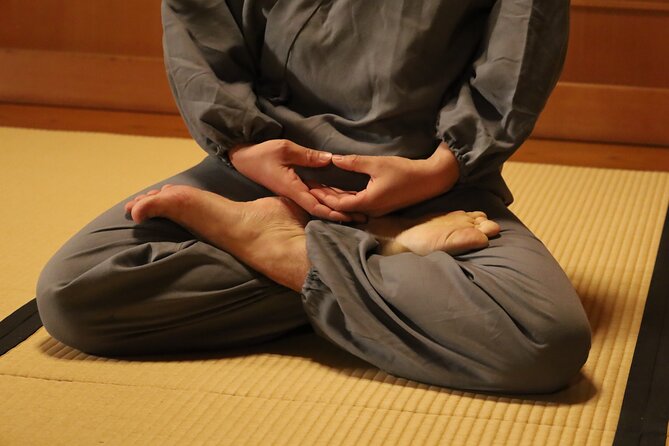
The first point is physical. You learn how the body should be arranged for meditation and how posture affects concentration. If you have never practiced Zazen, this basic guidance is valuable. Many first-time participants spend too much energy wondering if they are sitting correctly. Direct instruction lets you settle into the practice instead of guessing.
Breathing comes next. The aim is not to force a special breathing pattern or chase a sense of calm. You work toward steady, natural breathing that supports attention. The explanation is given in English, which removes one of the largest barriers for visitors who might otherwise feel unsure about participating in a Japanese religious setting.
The third part is the mind. This can sound abstract, but the experience presents it alongside posture and breathing rather than treating it as a mysterious idea. You are encouraged to practice without feeling pressured to perform meditation perfectly.
That last point is important. Zazen is easy to overthink. You might wonder if your mind is too busy, your posture is imperfect, or your breathing is not calm enough. The session’s stated approach is more forgiving: learn the principles, try the practice, and allow yourself to settle into it.
A Private Session Changes the Experience
This is a private activity, so only your own group participates. That is one of the strongest reasons to consider it instead of searching for a larger public meditation class.
A private setting gives you more freedom to ask simple questions. You can clarify what the monk means, ask about the temple, or explain that you are new to meditation. Families also benefit because children may need more explanation or a different sitting arrangement.
The private format does not guarantee a completely silent session from start to finish. The experience includes instruction and discussion, so expect a balance of explanation and meditation rather than 90 uninterrupted minutes of silence. For most first-time visitors, that is a plus.
I especially like the personal nature of the setting for visitors who feel nervous about entering a temple. You are not expected to know every custom in advance. The English-speaking monk and the local guide can help make the experience understandable without stripping away its Japanese setting.
A multilingual local guide may support the experience in English, French, German, or Spanish. The tour also includes flexible planning in English. The supplied information names Shinya Yamada in the provider responses, but it does not identify a specific monk or guarantee that Shinya Yamada will personally lead your session.
More private tours in Tokyo:
- Tokyo 6hr Private Tour with Government-Licensed Guide
★ 5.0 · 3,902 reviews - Private Tour to Mt. Fuji and Hakone (Fully Licenced Operator)
★ 5.0 · 1,910 reviews - Tokyo Customized Private Tour (Must See Places in 1 Day)
★ 5.0 · 1,499 reviews - Mount Fuji Full-Day Private Tour from Tokyo (Customizable)
★ 4.9 · 1,470 reviews
Sitting on the Floor or Using a Chair
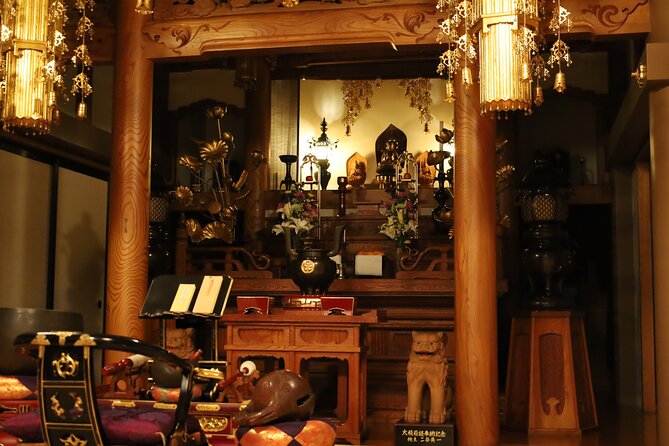
Traditional meditation often brings to mind cross-legged sitting on the floor. That image can make people hesitate, especially families with children or anyone with knee, hip, back, or mobility concerns.
Chair Zazen is available, but you must request it in advance. This is a practical detail, not a minor footnote. If you need a chair, include that request when you book or confirm it well before arriving. Do not wait until the session begins.
Chair meditation also makes the activity more accessible for children. The experience is described as suitable for families and beginners, and the chair option helps widen that appeal. Still, you should be realistic about the setting. This is a meditation lesson in a temple, not a children’s entertainment program. Young children who cannot remain quiet or attentive for a period of instruction may find it difficult.
Service animals are allowed, and most people can participate. The available information does not provide detailed information about the temple’s full physical accessibility, so anyone with specific mobility needs should confirm the arrangements in advance.
What the 90 Minutes Feel Like
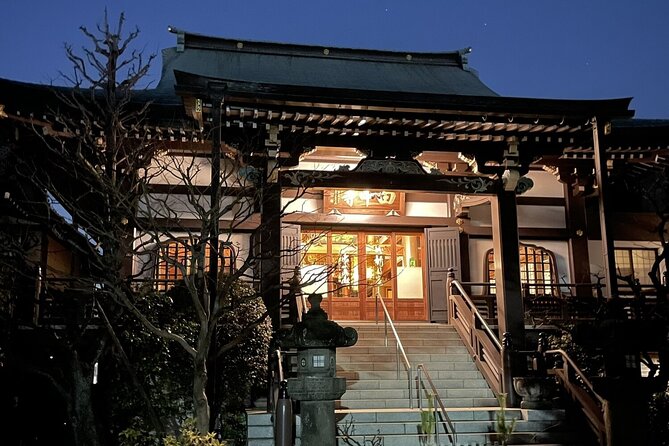
The exact minute-by-minute schedule is not provided, but the shape of the experience is clear. You meet near Edogawabashi, enter the Denchuji setting, and receive guidance in English from a monk. The session then covers the basics of Zazen, allows time to practice, and may include cultural or spiritual discussion.
The first stage is likely to be orientation. You need to understand how to sit, what to do with your breathing, and how to approach the quiet. This is where the monk’s direct instruction matters most.
The middle portion centers on the meditation itself. You practice the three elements, posture, breathing, and mind, without the expectation that you will master them in one visit. The value is in receiving corrections and learning a method you can remember later.
Discussion may extend beyond Zazen. One account of the experience included conversation about Shintoism, Kannushi-led meditation, Shinto history, harmony with nature, and the relationship between Shinto and Buddhism. These topics are not presented as guaranteed elements of every booking, but they show the kind of cultural conversation that may arise.
The final portion gives you a chance to reflect and ask questions. Because this is private, your group can spend more time on the areas that interest you. If you want the session to focus mainly on meditation, say so. If you want more background on Japanese religious traditions, ask about that when arranging the experience.
The English Instruction Is the Main Advantage
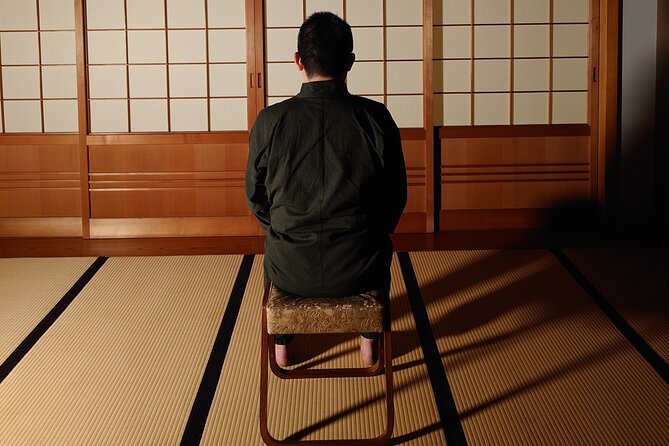
English-language religious experiences in Japan can be difficult to judge in advance. A translation may tell you what to do without explaining why it matters. Here, the central promise is direct English guidance from a monk at a temple connected to the Soto school.
That makes the experience useful for a first encounter with Zen. You can ask for clarification at the moment you need it, instead of trying to interpret gestures or follow a group silently.
The English guidance also helps with cultural sensitivity. A temple is not simply another sightseeing stop. Learning how to behave, how to sit, and why the practice is structured in a certain way gives you a better chance of treating the setting with respect.
The multilingual guide adds another layer of support, though the monk’s English instruction remains the heart of the activity. If your group includes people with different language needs, ask how the guide and monk will divide their roles.
Price, Timing, and Overall Value
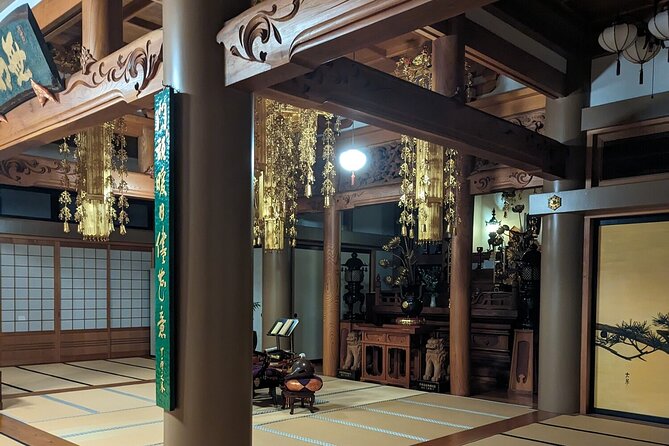
At $169.08 per person, this is not a budget activity. For a solo visitor, the cost may feel steep for roughly an hour and a half. For a private group, the value looks better because the fee buys personal attention rather than a seat in a large class. Group discounts may also be available.
I would compare this price with what you want from the session. If you only want to sit quietly for 20 minutes, there are less expensive ways to do that. If you want English instruction from a monk, a historic temple setting, cultural explanation, and a private format, the price becomes easier to defend.
The 5:30 pm start is convenient for a sightseeing schedule, but it limits flexibility. You cannot easily squeeze this into a rushed afternoon, especially if you are crossing Tokyo from another district. Plan your route to the meeting point near Edogawabashi with extra time.
Confirmation is provided within 48 hours, subject to availability. Since the experience requires a minimum number of participants, it can be canceled if that minimum is not met, in which case you are offered another date or experience, or a full refund.
The strict cancellation terms deserve attention. This booking is non-refundable and cannot be changed for any reason once reserved. I would not book it until your evening plans and Tokyo transport arrangements are firm.
Who Will Get the Most From This Experience
I would recommend this for:
- First-time visitors who want a clear introduction to Zen
- Couples or families seeking a quiet cultural activity
- Small private groups that prefer questions and personal attention
- Visitors interested in the link between Zen, Soto Buddhism, and Samurai culture
- People who want instruction in English rather than a silent temple visit
- Anyone who needs chair meditation and can request it in advance
It may be less suitable if you want a long, silent retreat. The experience includes explanations, guided practice, and discussion, so it is an introduction rather than advanced training.
It may also disappoint anyone expecting a general Tokyo sightseeing tour. You will not be moving through several attractions or collecting a long list of photo stops. The reward is concentration and context, not quantity.
Practical Tips Before You Book
Arrive with enough time to find the meeting point. The stated location is near Edogawabashi Station in Bunkyo City, while the activity is described as being in Shinjuku, so check the address rather than relying only on the district name.
Request Chair Zazen before the session if needed. This applies to anyone with physical limitations and to families who want children to use chairs.
Tell the provider what kind of balance you prefer between meditation and discussion. The experience allows flexible planning in English, so you may be able to shape the emphasis around your group’s interests.
Do not book this as a last-minute changeable activity. The no-refund policy is strict, and confirmation is subject to availability.
Finally, approach it without the need to succeed. You do not have to leave with a perfectly quiet mind. The useful result may simply be a better understanding of how posture, breathing, and attention work together.
Should You Book Private Zazen at Denchuji?
Book it if you want a small, personal introduction to Zen in a real Tokyo temple, with direct English guidance and the option of chair meditation. The private format, family suitability, and Soto Zen connection give it more substance than a quick wellness class.
Skip it if $169.08 feels high for 90 minutes, if your schedule is uncertain, or if you want a longer silent retreat rather than instruction and cultural discussion. For the right visitor, this is a thoughtful way to slow down in Tokyo and learn a practice that reaches beyond sightseeing. Just confirm the meeting point, request any chair seating early, and make sure your plans are firm before paying.
FAQ
Where does the Zen meditation experience begin?
The stated meeting point is 1-chōme-19-6 Sekiguchi, Bunkyo City, Tokyo 112-0014, Japan, near Edogawabashi Station.
What time does the experience start?
The start time is 5:30 pm.
How long does the experience last?
The activity lasts approximately 1 hour and 30 minutes.
Is the meditation suitable for beginners and families?
Yes. The experience is described as suitable for beginners and families, with direct English guidance from a Zen monk.
Can I use a chair during Zazen?
Yes. Chair Zazen is available for children and people who cannot sit cross-legged, but you should request it in advance.
Is the experience refundable if I cancel?
No. The experience is non-refundable and cannot be changed for any reason. If the provider cancels because the minimum number of participants is not met, you can be offered another date or experience, or a full refund.
Newly reviewed around Tokyo
- Tokyo Asakusa:Calligraphy & Make T-shirt Activity★ 5.0 · 62 reviews
- Intercity Shuttle, Tokyo to Haneda /Narita /Yokohama /Makuhari★ 5.0 · 5 reviews
- 1 Hour Travel around Tokyo with a Professional Photographer★ 5.0 · 3 reviews
- Travel Tokyo with Your Own Personal Photographer★ 5.0 · 43 reviews
- Train in Samurai Swordsmanship and Defeat the Demon in Tokyo★ 5.0 · 5 reviews
- Shuttle Van 6hr Tokyo Tour to-and-from Tokyo, Yokohama and Narita★ 5.0 · 9 reviews
- Kickboxing & Body Training with EX-Pro Fighter★ 5.0 · 4 reviews
- Traditional Japanese Knife Sharpening Class★ 5.0 · 18 reviews
Shinjuku Tours, compared.
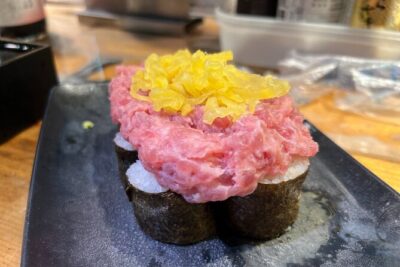
Shinjuku Food Tour (13 Dishes at 4 Local Eateries)
Read our review →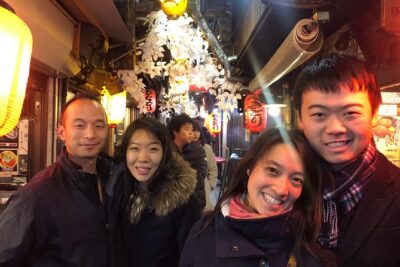
Tokyo Bar Hopping Tour in Shinjuku (All-You-Can-Drink + Dinner)
Read our review →
Shinjuku Food Tour (15 Dishes and 4 Eateries)
Read our review →
Best of Shinjuku: Izakaya Food Tour (4 Stops, 14+ Tastings)
Read our review →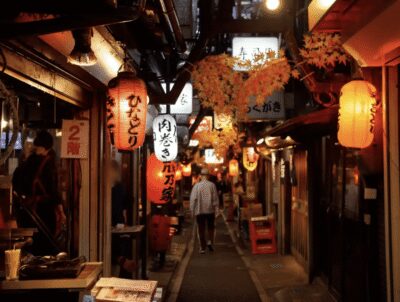
Shinjuku Local Bar and Izakaya Guided Walking Tour
Read our review →
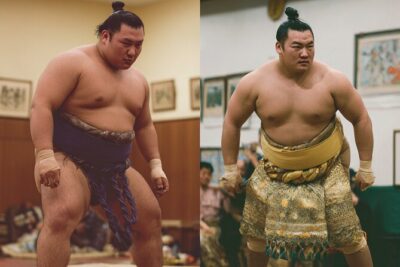
Tokyo Shinjuku Sumo Show & Experience with Photo
Read our review →
Tokyo Night Foodie Tour in Shinjuku – Seasonal Sushi, Wagyu Beef
Read our review →Browse the lists this tour appears in