
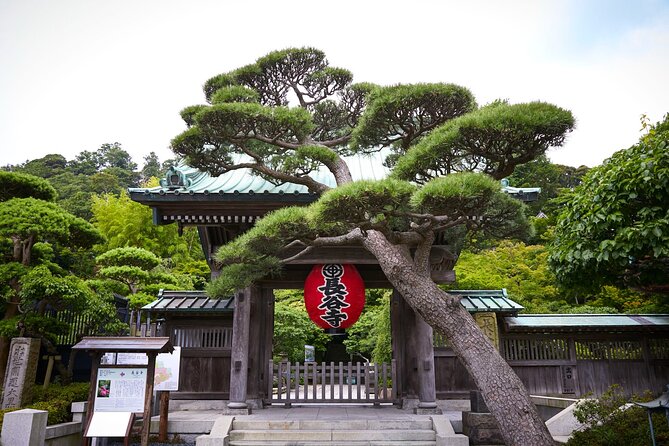
Reviewed · KAMAKURA DAY TRIPS FROM TOKYO
Private Car Tour to see Highlights of Kamakura, Enoshima, Yokohama from Tokyo
Kamakura’s Great Buddha and samurai-era temples make this more than a sightseeing drive. You can pair quiet Zen grounds and bamboo with Enoshima’s sea views or Yokohama’s modern waterfront, all without wrestling with several train lines. I like the private van and the freedom to shape the day around your group.
I also like the local guide and driver team. Guides such as Ken, Yoshi, Yoshimi, Masae, and Taiji have led days built around history, food, gardens, and family interests. The main drawback is simple: the long list of attractions can fool you into expecting everything. In 10 hours, you should choose about four to six stops, not attempt all 19.
Key points to know before booking
- The itinerary is a menu, not a checklist: Choose roughly four to six places with your guide.
- The private van saves time: Highway tolls, fuel, parking, and bottled water are included.
- Kamakura offers the strongest cultural focus: The Great Buddha, Hasedera, Hokokuji, Tsurugaoka Hachimangu, and Zen temples each feel different.
- Enoshima and Yokohama change the mood: Pick island scenery, modern bay views, gardens, Chinatown, or food museums.
- Admissions cost extra: Temple, garden, museum, and observation deck fees are not part of the $1,183.65 group price.
- A good guide makes the difference: The best days come from discussing your interests before setting out.
A private day beyond Tokyo
The appeal here is variety. Kamakura is an old coastal city tied to the rise of Japan’s first samurai government. Enoshima adds an island, shrines, caves, and possible Mount Fuji views. Yokohama brings foreign-port history, wide bay vistas, Chinatown, gardens, and modern museums.
You pay $1,183.65 per group of up to eight, rather than per person. That is a serious price for two people, but it can be fair for a larger family or group that would otherwise buy several train tickets, taxis, and guided visits. The price includes the air-conditioned vehicle, private transport, driver, fuel, highway tolls, parking, and bottled water.
The vehicle is a practical advantage. Kamakura’s sights are spread across several areas, and Yokohama is not a single compact attraction. A private car lets you move between them without hauling bags through stations or losing time to transfers. It also gives you a quiet place to rest during the day.
The tour runs about 10 hours, with pickup offered in Tokyo. The operator says the schedule can change because of traffic or weather, and a poor-weather day does not automatically bring a refund. That matters here because several highlights depend on clear views, outdoor gardens, or a comfortable walk.
More Kamakura day trips from Tokyo:
- Tokyo: Mt. Fuji, Kamakura, Big Buddha, & Lake Ashi Day Trip
★ 4.5 · 867 reviews - Tokyo:Sea of Mount Fuji, Hakone Ropeway, Ōwakudani, Enoshima
★ 4.9 · 84 reviews - Kamakura 8 hr Private Walking Tour with Licensed Guide from Tokyo
★ 5.0 · 80 reviews
Kamakura’s Great Buddha and temple circuit
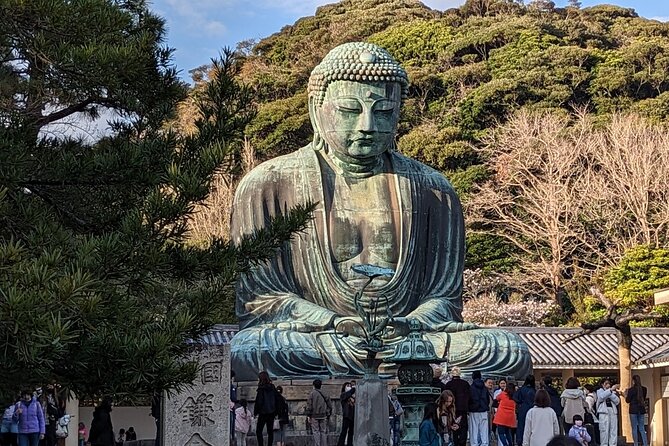
The Great Buddha at Kotoku-in is the natural anchor for a first visit. This bronze Amida Buddha is 13.5 meters tall and sits outdoors, an arrangement that gives the statue a calm, open presence. You can also enter the statue for 20 yen, while the general admission fee is 200 yen per person.
Allow about 30 minutes if you want a quick look and photos. Give it longer if you want your guide to explain the statue’s place in Kamakura’s religious setting. The stop is easy to combine with Hasedera, which is nearby.
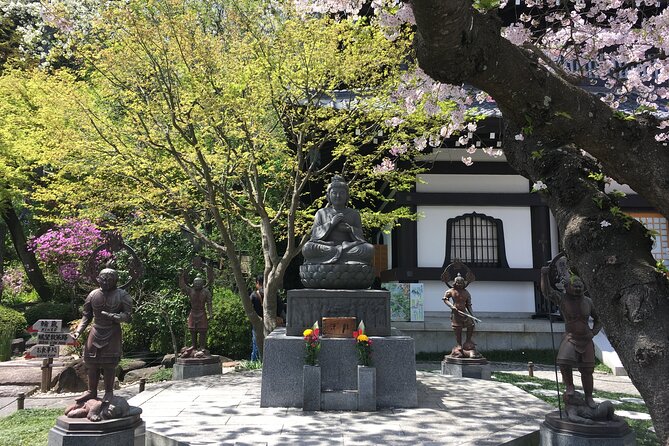
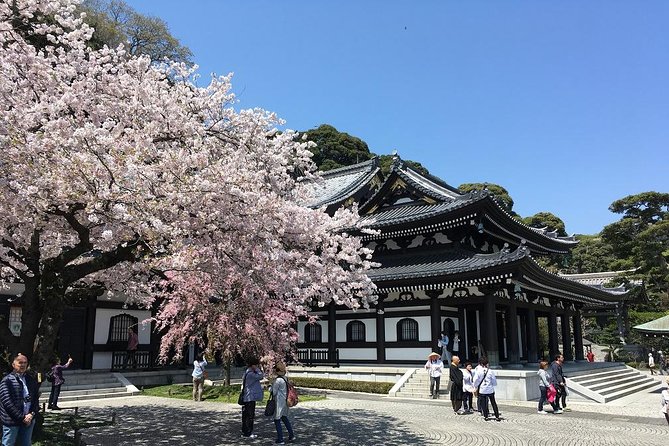
Hasedera is one of the more rewarding choices for a mixed-age group. It is known as a temple of flowers, with cherry blossoms in spring, hydrangeas from late May through late June, and maple color in autumn. Its major religious work is a 9.18-meter gilded wooden statue of Kannon, the goddess of mercy.
The grounds include a grotto, and one guide described taking a family through it as a memorable part of the day. You should allow 30 to 60 minutes and expect an admission fee of 400 yen per person. Hasedera offers more visual variety than a quick temple gate and courtyard, but it may require more walking than the Great Buddha.
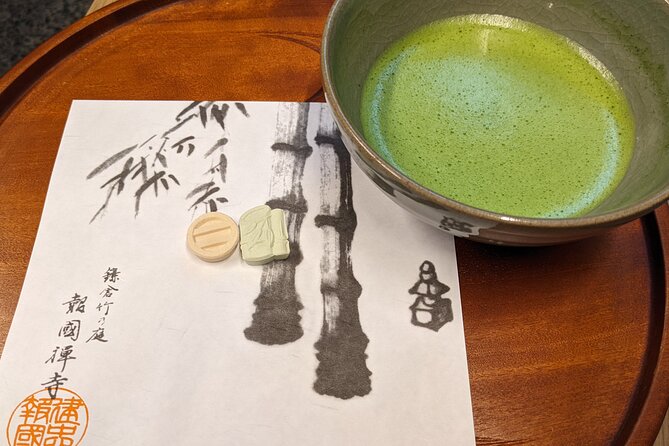
Hokokuji is the place to choose if bamboo and a quiet cup of tea appeal to you. Its grove is compact, but the tall bamboo changes the feel of the visit at once. A teahouse overlooks the grove, where you can have matcha and a Japanese sweet.
Admission is 600 yen per person, including the matcha and sweet. The listed visit time ranges from 20 to 60 minutes, so this is a good short stop when you want atmosphere without adding another large temple complex. It is also a smart choice for anyone who wants a slower break in the middle of a busy sightseeing day.
Tsurugaoka Hachimangu is Kamakura’s major Shinto shrine. It is linked with the samurai tradition and remains a popular setting for weddings. Cherry blossoms and azaleas add color in the right season, but the broad approach and shrine buildings make it worthwhile at other times too.
Komachi Street, near the shrine, is your best stop for food and small gifts. Shops sell Kamakura-bori carved lacquerware, Toshimaya pigeon-shaped cookies, and bean snacks from Kamakura Mameya. The street can easily eat up 20 to 80 minutes, depending on whether you want a quick browse or a proper snack break.
Choosing among Kamakura’s Zen temples
The tour offers several Zen temples, and you should not feel obliged to visit all of them. Kencho-ji is the oldest and highest-ranking Zen temple in Kamakura. It charges 500 yen per person and can be a strong pick if you want a larger, more formal temple setting. Meditation practice is offered on certain dates, but you should ask about availability before relying on it.
Engaku-ji is the second major Zen temple in Kamakura. Its large gate and bell are the main visual markers, while the grounds also contain the grave of film director Yasujiro Ozu. There is a cafe within the compound on certain dates, serving lunch, Japanese sweets, matcha, and other drinks.
Admission is 300 yen per person. Engaku-ji may suit you better than Kencho-ji if you want a quieter, more intimate stop with a cafe option. The two temples are close enough to consider together, but doing so uses time that could go to the Great Buddha, Hasedera, or Enoshima.
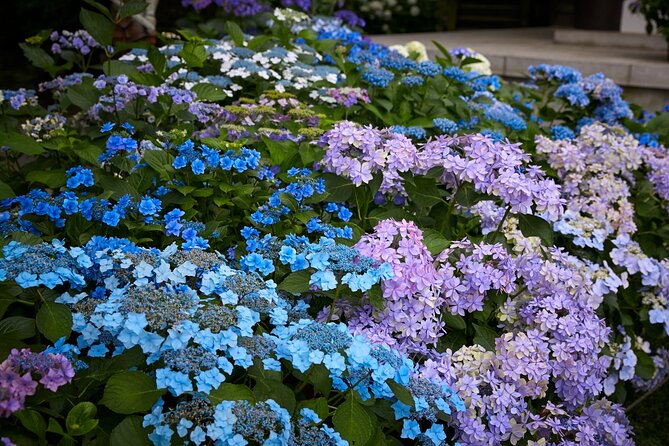
Meigetsuin is widely known as the Hydrangea Temple. From late May through late June, blue hydrangeas are the main attraction. Its circular window frames the garden behind the main hall, creating one of Kamakura’s most recognizable views.
The admission fee is 500 yen per person. The circular window can draw a queue, especially in hydrangea season, so your guide’s timing advice is useful. Outside that season, you may prefer another temple unless the window and garden are high on your list.
Tokeiji has a different story. It once served as a refuge for women seeking divorce at a time when only men could initiate it. Its gardens feature flowers throughout the year, including plums in early spring, iris and climbing hydrangea in June.
Admission is 200 yen per person. This is a good choice if you want a small, quiet temple with a social history that differs from the usual samurai and Zen narratives. It is less likely to satisfy someone focused only on grand architecture.
Zeniarai Benten adds a touch of folk belief. At this Shinto shrine, people wash cash in the holy water in the hope of increasing their income. The custom is easy to understand and gives you something active to do rather than simply look at another building.
Enoshima for sea air and island scenery
Enoshima changes the day from temple touring to a seaside outing. The island includes a shrine, aquarium, botanical garden, observation tower, and caves. On a clear day, you may see Mount Fuji from several points.
The listed visit time ranges from 30 to 150 minutes, which shows how flexible this stop can be. You can make a short photo visit or devote a large part of the afternoon to the island. Ask your guide to help you choose based on walking ability and the other places you want to see.
A short photo stop is also possible at a railroad crossing with the sea behind it. The crossing appeared in the opening sequence of the anime Slam Dunk, making it especially appealing to fans of Japanese animation. It is a quick addition, not a major sightseeing stop, so it works best when you are already moving through the Enoshima area.
Food is another reason to choose Enoshima. The tour price does not include lunch, but guides have arranged traditional meals and seafood stops for past groups. Tell the operator about dietary needs when booking. A vegetarian option is available.
More Yokohama trips from Tokyo:
- Narita Airport: One Way Private Transfer to Tokyo|Yokohama Hotels
★ 4.5 · 69 reviews - Tokyo: Private One-Way Transfers to/from Yokohama Port
★ 4.5 · 50 reviews - Haneda Airport: One Way Private Transfer to Tokyo|Yokohama Hotels
★ 4.0 · 28 reviews - Private Kamakura plus Yokohama Tour – English Speaking Driver
★ 4.5 · 28 reviews
Yokohama’s bay, gardens, and food museums
Yokohama is a useful alternative to Enoshima if you want a city day. Minato Mirai 21 brings together the Landmark Tower, Cosmo World amusement park, and Red Brick Warehouses. The seaside setting gives you open views and a clear contrast with Kamakura’s temple lanes.
The Landmark Tower’s Sky Garden sits 273 meters above the ground. Admission is 1,000 yen per person. On a clear day, you can see across Yokohama Bay and Tokyo Bay, with a chance of Mount Fuji. Do not make this your main reason for booking in poor weather, since the view can disappear.
Sankeien Gardens are a stronger choice if you want traditional architecture and carefully arranged gardens. A wealthy businessman created the garden, which now includes 17 important buildings transferred from Kyoto and other parts of Japan. Admission is 700 yen per person, and the suggested visit time is 30 to 90 minutes.
Yamashita Park is a simple place to slow down with a coffee. Locals use it for relaxing, and street performers appear on weekends. Osanbashi Yokohama International Passenger Terminal offers another fine view of the Minato Mirai area, while Minato-no-mieru Oka Park gives you a higher bay viewpoint beside an English garden and the former foreign residential district.
These three stops are best treated as short scenic breaks rather than full attractions. They work well for a group that wants photos and fresh air without another admission fee.
Yokohama Chinatown can supply lunch or a change from Japanese food. The operator can add a stop there on request. Since lunch is not included, this is one of the clearest choices to settle in advance.
At the Cup Noodles Museum, you can learn how instant noodles began, choose toppings, make an original cup, sample noodle flavors from around the world, and buy museum-only souvenirs. Admission is 500 yen per person, and you should allow 45 to 90 minutes.
The Shinyokohama Ramen Museum is aimed at ramen fans. It brings eight types of ramen together in one place and charges 310 yen per person, with about an hour suggested for the visit. These food attractions are more hands-on than the temples, making them useful choices for children or for anyone who needs a break from shrines and gardens.
What the guides and driver add
The strongest part of this experience is the human side. Guides named Ken, Kenji, Yoshi, Yoshimi, Masae, Sumiko, Taiji, and others have led different departures, so you are not guaranteed a particular person unless the operator confirms it. The consistent idea is a Japanese guide paired with a professional driver, rather than one person trying to explain sights while navigating traffic.
English ability and guiding style may vary by assignment. Several guides have been praised for clear English, patience, history stories, and adapting the day to family interests. One family had help choosing stops before the tour, while another group combined temples with traditional food and Cup Noodles.
You should state your priorities clearly. Say if you care most about samurai history, gardens, anime, shopping, food, photography, or keeping walking to a minimum. A guide can then make sensible cuts from the long list.
One lower-rated experience points to the main risk with any guide-led private day: a poor match in communication or preparation can affect the whole outing. The operator acknowledged that schedule restrictions and a changed lunch plan had contributed to one rushed day. Ask specific questions before departure and speak up if you want to leave a stop.
Is the $1,183.65 price fair?
For eight people, the base cost works out to about $148 per person before admissions, lunch, and gratuity. For a couple, the same price is hard to justify unless you place a high value on a private vehicle, custom planning, and avoiding public transport.
The included parking, fuel, tolls, and driver matter because this is a wide-ranging day. Buying every entrance separately also adds up, especially if you choose several temples, Sankeien, the Sky Garden, and a museum. Plan an additional admissions budget based on your chosen four to six stops.
Gratuity is not included. The stated suggested range is 5 to 20 percent. Free cancellation is available up to 24 hours before the start time; changes or cancellations inside that window are not accepted.
Who should book this private tour?
I would choose it for a family, small group, or cruise party that wants Kamakura and either Enoshima or Yokohama in one day. It is also a good fit if stairs, train changes, or station crowds would make independent touring tiring.
I would not choose it if you want a slow, single-city visit. Kamakura alone can fill a day, and adding Yokohama creates long drives and tough choices. Public transport may cost less for a couple who prefers to set its own pace.
Book it after deciding on a short list. My balanced plan would be the Great Buddha, Hasedera, Hokokuji, Tsurugaoka Hachimangu, then either Enoshima or Yokohama. For children, replace one temple with Cup Noodles Museum. For gardens, choose Hokokuji, Hasedera, and Sankeien. For food, combine Komachi Street, Chinatown, or the ramen museum.
FAQ
How long does the private car tour last?
The tour lasts approximately 10 hours, including pickup in Tokyo and travel between Kamakura, Enoshima, and Yokohama.
How many people can join the tour?
The private tour accepts up to eight people per group. Only your group participates.
Can I visit every place listed?
No. The listed attractions form a menu of options. You should choose roughly four to six sites with advice from your guide.
Are admission fees included?
No. Entrance fees are separate. Listed examples include 200 yen for the Great Buddha, 600 yen for Hokokuji with matcha and a sweet, 700 yen for Sankeien Gardens, and 1,000 yen for the Landmark Tower Sky Garden.
Is lunch included?
No. Lunch is not included. You can request a lunch stop, including Yokohama Chinatown, and a vegetarian option is available if you provide dietary details at booking.
What happens if the weather is poor?
The tour is not automatically cancelled or refunded if some views or sites are not fully visible because of weather. The schedule may change or be cancelled because of weather or traffic conditions.
More private car days in Tokyo
- Tokyo Private Sightseeing Tour by Car- English speaking chauffeur
★ 5.0 · 1,004 reviews - Tokyo Private Tour by Vehicle with English-Speaking Chauffeur
★ 5.0 · 504 reviews - Private Car Tour to Mt. Fuji Lake Kawaguchiko or Hakone
★ 5.0 · 360 reviews - Mt Fuji Exclusive Tour with Private Car English Guide
★ 5.0 · 116 reviews
Newly reviewed around Tokyo
- Tokyo Asakusa:Calligraphy & Make T-shirt Activity★ 5.0 · 62 reviews
- Intercity Shuttle, Tokyo to Haneda /Narita /Yokohama /Makuhari★ 5.0 · 5 reviews
- 1 Hour Travel around Tokyo with a Professional Photographer★ 5.0 · 3 reviews
- Travel Tokyo with Your Own Personal Photographer★ 5.0 · 43 reviews
- Train in Samurai Swordsmanship and Defeat the Demon in Tokyo★ 5.0 · 5 reviews
- Shuttle Van 6hr Tokyo Tour to-and-from Tokyo, Yokohama and Narita★ 5.0 · 9 reviews
- Kickboxing & Body Training with EX-Pro Fighter★ 5.0 · 4 reviews
- Traditional Japanese Knife Sharpening Class★ 5.0 · 18 reviews
Kamakura Day Trips from Tokyo, compared.
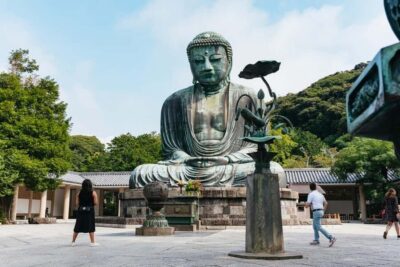
Mt. Fuji, Kamakura, Big Buddha, & Lake Ashi Day Trip
Read our review →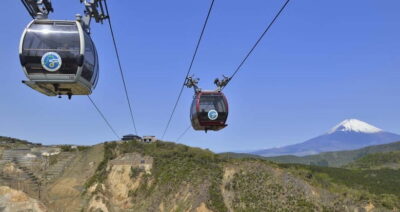
Sea of Mount Fuji, Hakone Ropeway, Ōwakudani, Enoshima
Read our review →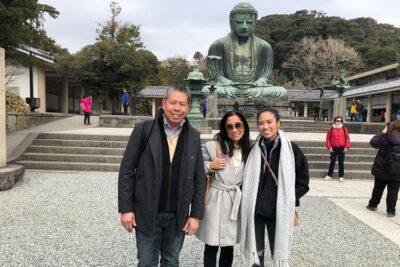
Kamakura 8 hr Private Walking Tour with Licensed Guide from Tokyo
Read our review →
Kamakura & Enoshima Day Tour with Pickup & Train Ride
Read our review →
Kamakura Private & Customizable Tour – All-in-One Experience
Read our review →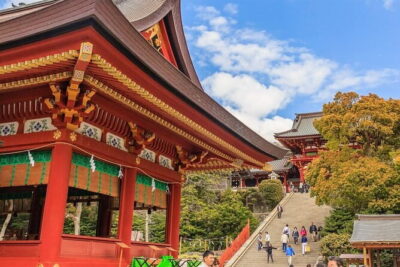
From Tokyo Kamakura, Hachimangu Shrine and Enoshima Full Day Tour
Read our review →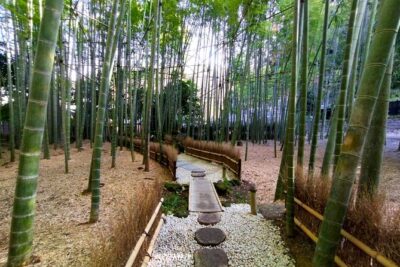
Day Trip to Kamakura & Enoshima: Shrines, Seaside, Temples & Tea
Read our review →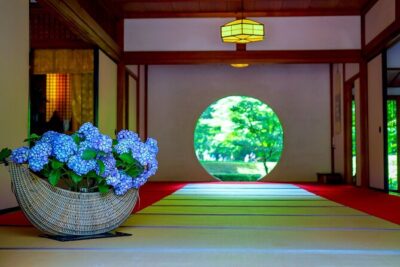
Private Kamakura plus Yokohama Tour – English Speaking Driver
Read our review →Browse the lists this tour appears in