
Reviewed · TOKYO RAMEN TOURS AND CLASSES
Learn to Make Home Style Tempura Udon and Gyoza
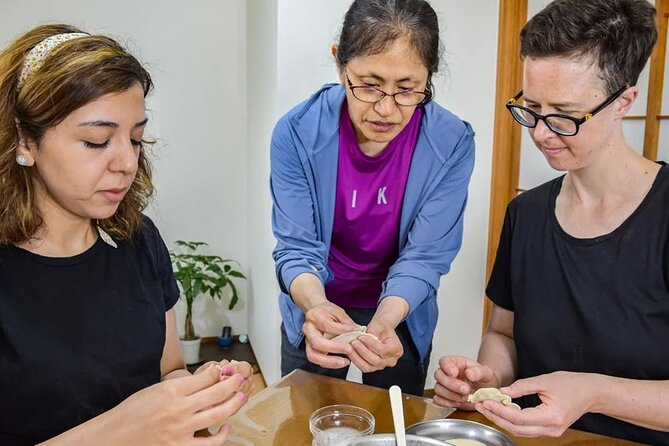
Making noodles by hand gives this Tokyo cooking class its real appeal. With Emi guiding you, you prepare udon, tempura, and gyoza from scratch, then sit down to eat the meal you made. I like the private format and the recipe booklet in English, which makes this more useful than a cooking demonstration. I also like that the class explains why each step matters, not just what to do.
The main consideration is the price: at $95.23 per person, this is not a quick budget meal. You also need to reach Nerima Station on your own, choose your gyoza filling when booking, and reserve early if you have a group of three or more.
Key points to know before booking
- Hand-kneaded udon: You work the dough yourself instead of simply watching noodles being prepared.
- Three Japanese staples: The class covers udon, dashi, tempura, and gyoza in about two and a half hours.
- Private instruction from Emi: You receive direct help and explanations suited to your group.
- Choice of filling: Select minced pork, minced pork with shrimp, or vegetables only when you book.
- A useful souvenir: The English recipe booklet helps you repeat the meal at home.
- Small logistical catch: Transportation is not included, and larger groups should reserve two to three months ahead.
Why this class works better than a restaurant meal
You can eat udon, tempura, and gyoza all over Tokyo. The value here is learning how the dishes come together, then eating your own work while the steps are still fresh in your mind.
That difference matters most with udon. A restaurant gives you the finished noodles, but this class lets you feel the dough change as you knead it. You also learn how dashi supports the broth, how tempura becomes crisp, and how to fill and fold gyoza without treating the process like a magic trick.
I especially like the practical teaching style described for Emi. She explains what to look for at each stage, including details such as why vegetables need to be cut in a certain way. That kind of explanation is more useful than a long lecture on Japanese food. You leave with methods you can repeat, not just a pleasant memory of lunch.
The private format helps here. Your group is the only group taking part, so you can ask questions as they come up. A first-time cook can request help with the dough or folding, while a more confident cook can ask about texture, timing, or ingredient choices.
More Tokyo ramen tours and classes:
- Eat and Drink Like a Local: Tokyo Ueno Food Tour-Taverns&Ramen
★ 5.0 · 957 reviews - Ramen & Gyoza Cooking Class in Tokyo with Local Supermarket Visit
★ 5.0 · 823 reviews - Tokyo: Ramen Tasting Tour with 6 Mini Bowls of Ramen
★ 4.9 · 432 reviews
Meeting Emi near Nerima Station
The class begins at Nerima Station, at 1-chōme-3-5 Nerima, Nerima City, Tokyo 176-0001. The location is near public transportation, but getting there is your responsibility. Transportation to and from the class is not included.
Allow enough time to find the meeting point. A cooking class has a fixed start, and arriving rushed is a poor way to begin a hands-on meal. The activity ends back at the meeting point, which keeps the outing simple once the food is finished.
You should also provide a WhatsApp-registered number when booking. This is requested so you and Emi can communicate smoothly. Confirmation arrives within 48 hours of booking, subject to availability.
The class is private, but that does not mean you can always book at the last minute. Groups of three or more are encouraged to reserve two to three months ahead, especially in spring and autumn when the studio fills quickly. The activity is booked, on average, 81 days in advance, so popular dates may disappear well before your trip.
Kneading udon dough by hand
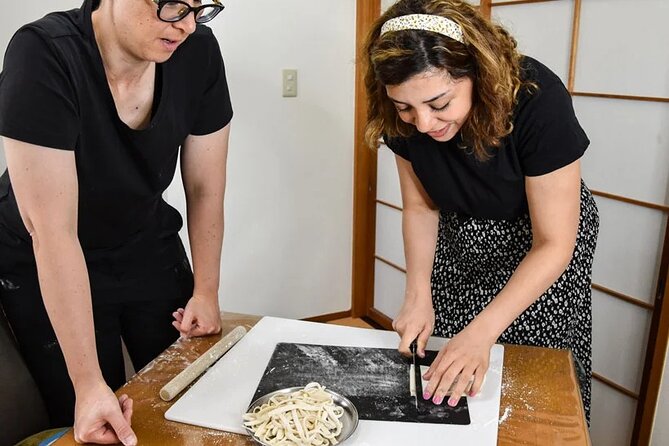
The first major task is making udon from scratch. You knead the dough yourself, rather than starting with packaged noodles. That gives you a direct lesson in one of the most satisfying parts of Japanese home cooking: turning a basic dough into something with a springy, chewy bite.
This is also the point where Emi’s teaching style matters. Cooking instructions often leave out the visual and physical clues that tell you a recipe is on track. Here, the class is designed to show you what to look for as you work.
Do not expect a quiet demonstration while you take notes. This is a hands-on session, so you will be handling dough, preparing ingredients, and working through each stage with guidance. If you like making food with your hands, this will likely be the most memorable part of the class.
The recipe booklet gives the experience a practical afterlife. You can use it to try the noodles again at home, although your first attempt may not match the class perfectly. That is normal. The useful thing is having the instructions and the memory of the process together.
Preparing dashi for the udon
The udon is served with dashi, the Japanese stock that forms the base of many soups and sauces. The class includes preparing dashi, so you are not simply adding noodles to a ready-made broth.
This step helps you understand why a short ingredient list can still produce a layered result. Dashi gives the udon its savory base, while the noodles provide the soft, chewy center of the meal. The class connects those parts instead of treating the broth as an afterthought.
The supplied information does not specify the exact dashi ingredients or recipe, so you should ask Emi about the version used in your class if you have food restrictions or want to recreate it precisely. Vegetarian and pescetarian requirements can be accommodated when you notify the host in advance.
Barley tea is available as you cook. That is a small detail, but it is welcome during a class with several active steps. You can drink as you work instead of stopping to search for a café or buying a drink separately.
A completely different kind of day in Tokyo:
- Mt Fuji and Hakone 1-Day Bus Tour Return by Bullet Train
★ 5.0 · 26,383 reviews - 1-Day Tokyo Bus Tour
★ 5.0 · 14,250 reviews - Tokyo: teamLab Planets TOKYO Digital Art Museum Entry Ticket
★ 4.6 · 9,779 reviews - Mt Fuji & Hakone Cruise, Drum Show Bullet Train 1 Day from Tokyo
★ 4.0 · 7,413 reviews
Frying tempura without losing the crunch
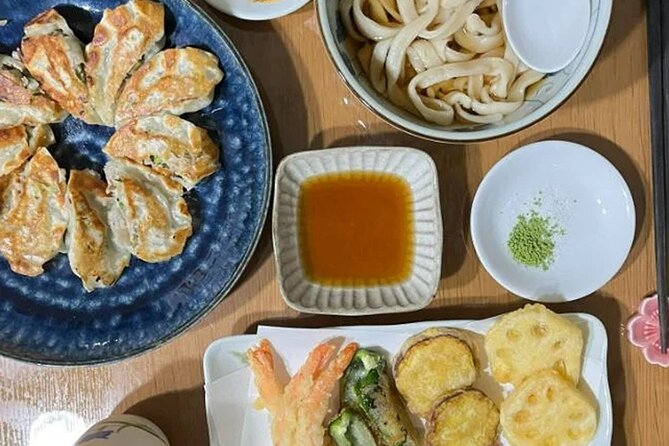
Tempura is the most timing-sensitive part of the meal. You prepare and fry it yourself, learning how to produce the crisp coating that makes the dish so appealing.
The class does not simply hand you a plate of finished tempura. You get to see how preparation, cutting, batter, and frying work together. Emi’s explanations about what you should be looking for are useful here, since crispness depends on more than following a clock.
The details of the frying setup are not specified, so the amount of personal supervision may depend on the size of your group and the pace of the class. Still, the private format gives you a clear chance to ask about oil temperature, batter texture, and the best way to serve the pieces.
This part may be less suitable for very young children or anyone who dislikes working near hot oil. The class information does not give an age requirement, so families should confirm suitability before booking. It is a cooking lesson, not a passive food tasting.
Filling and folding gyoza your way
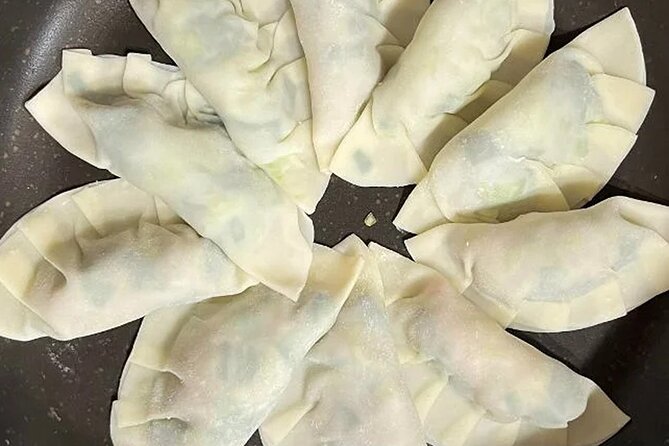
Gyoza adds a more social, hands-on task. You choose one filling at booking:
- Minced pork
- Minced pork and shrimp
- Vegetables only
The choice matters because the filling is part of the class, not a minor side option. If someone in your group is vegetarian or pescetarian, state that clearly in advance and select the appropriate filling.
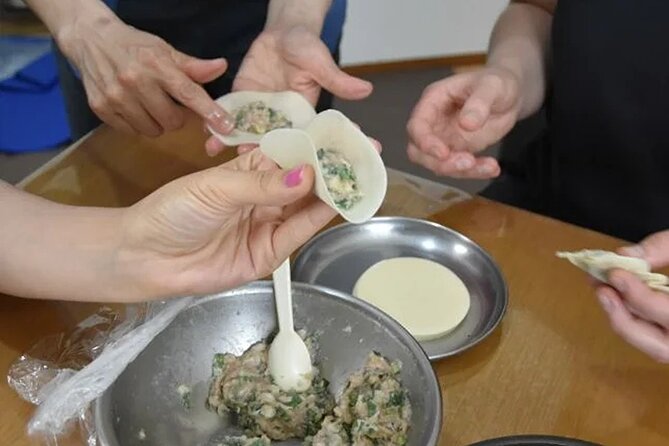
You then fill and fold the dumplings. Folding is simple to describe and harder to make neat on the first try, which is exactly why direct instruction helps. Emi can show you how much filling to use and how to close the wrapper without making it split.
The vegetable option makes the class more flexible, but do not assume every possible allergy or dietary need can be handled. Vegetarian and pescetarian meals are specifically supported, and restrictions should be reported ahead of time. For anything beyond that, ask before paying.
Sitting down to eat what you made
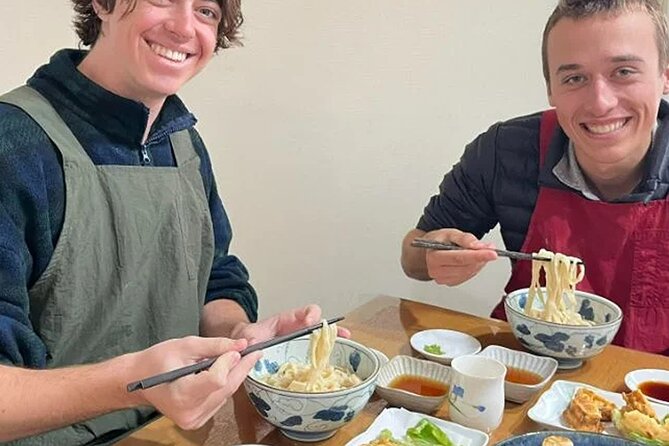
Once the udon, tempura, and gyoza are ready, you sit down and eat the meal together. This gives the class a clear payoff. You are not carrying ingredients home or ending with a rushed photograph of the food. You get to taste the results while Emi can still answer questions about the cooking.
The meal is substantial enough to feel like the center of the experience rather than a sample. You receive the udon with tempura and gyoza, along with barley tea. All ingredients and tools are included, so there is no separate equipment fee waiting at the end.
I like this structure because it turns the meal into part of the lesson. You can compare the texture of the noodles with what you usually find in restaurants, notice how the tempura holds up, and see whether your gyoza folds stayed closed. Even an imperfect result teaches you something.
The class also works well for people interested in Japanese home cooking, not only restaurant food. The dishes are familiar, but the focus is on making them in a home-style setting with help from a local cook.
What the $95.23 price includes
At $95.23 per person, the class costs more than ordering the same types of food at a casual restaurant. That comparison is fair, but it misses the main benefit. You are paying for private instruction, ingredients, kitchen tools, a prepared meal, barley tea, and an English recipe booklet.
The value improves if you will actually cook the dishes again. The booklet gives you something concrete to take home, and the instruction helps you understand the decisions behind the recipes. If you only want to eat udon and gyoza once, a restaurant will be cheaper and faster.
The private format also affects the price. You do not have to share the class with strangers, and you can direct questions to Emi throughout the session. For a couple, family, or small group that wants a personal activity, that can justify the cost.
The class lasts about two and a half hours. That is long enough to make several dishes without turning the activity into a full-day commitment. Add your travel time to and from Nerima Station when planning the rest of your Tokyo schedule.
Who will enjoy this Tokyo cooking class
I would recommend this class to you if you want to learn techniques you can use after Japan. It suits people who enjoy active food experiences, couples looking for a private activity, families with an interest in cooking, and small groups who want time with a local instructor.
It is also a good match for an aspiring cook. One participant joined the class with a daughter training to be a chef, and the experience included both cooking instruction and insight into life in Japan. That combination gives the class more depth than a standard recipe lesson.
You should think twice if you want a quick, inexpensive meal or dislike getting involved in preparation. The class includes kneading, cutting, frying, filling, and folding. You will not simply sit and watch.
Solo booking also requires care. A single male participant cannot take part on his own, according to the activity rules. The supplied information does not explain the reason or list other solo restrictions, so contact the provider if your party does not fit the usual arrangements.
Booking, dietary needs, and cancellation
Choose your gyoza filling when you book. Changing your mind later may not be practical once ingredients have been arranged.
Tell the host about vegetarian or pescetarian needs in advance. Do not wait until you arrive, since the filling and other ingredients are planned before class.
Free cancellation is available up to 24 hours before the start time for a full refund. Cancellations or changes made less than 24 hours before the start time are not accepted for a refund, and cut-off times follow local Tokyo time.
Should you book this experience?
Book it if you want to make a real Japanese meal, prefer private instruction, and will use the recipes after returning home. The strongest reasons are Emi’s step-by-step explanations, the chance to make udon dough by hand, and the useful combination of dinner plus an English recipe booklet.
Skip it if you only want to sample Japanese food, need a very flexible last-minute plan, or consider $95.23 too much for a cooking activity. For everyone else, this is a well-focused way to spend two and a half hours in Tokyo, with a meal you prepare yourself as the reward.
FAQ
Where does the cooking class begin?
The class begins at Nerima Station, at 1-chōme-3-5 Nerima, Nerima City, Tokyo 176-0001, Japan.
How long does the experience last?
The cooking class lasts approximately two hours and 30 minutes.
What dishes will I make?
You will make hand-kneaded udon, dashi, tempura, and gyoza.
Can I choose the gyoza filling?
Yes. You must choose minced pork, minced pork and shrimp, or vegetables only when booking.
Is the class private?
Yes. Only your group will participate in this private activity.
Is transportation included?
No. Transportation to and from the meeting point is not included.
What is included in the price?
The price includes ingredients, cooking tools, an udon with tempura and gyoza meal, barley tea, and an English recipe booklet.
Can vegetarian or pescetarian participants join?
Yes. The activity can accommodate vegetarian and pescetarian dietary requirements if you inform the host in advance.
Do I receive anything to take home?
Yes. You receive an English recipe booklet after the class.
How far in advance should larger groups book?
Groups of three or more are encouraged to book two to three months ahead, especially during the busy spring and autumn seasons.
Newly reviewed around Tokyo
- Tokyo Asakusa:Calligraphy & Make T-shirt Activity★ 5.0 · 62 reviews
- Intercity Shuttle, Tokyo to Haneda /Narita /Yokohama /Makuhari★ 5.0 · 5 reviews
- 1 Hour Travel around Tokyo with a Professional Photographer★ 5.0 · 3 reviews
- Travel Tokyo with Your Own Personal Photographer★ 5.0 · 43 reviews
- Shuttle Van 6hr Tokyo Tour to-and-from Tokyo, Yokohama and Narita★ 5.0 · 9 reviews
- Kickboxing & Body Training with EX-Pro Fighter★ 5.0 · 4 reviews
- Train in Samurai Swordsmanship and Defeat the Demon in Tokyo★ 5.0 · 5 reviews
- Traditional Japanese Knife Sharpening Class★ 5.0 · 18 reviews
Tokyo Ramen Tours and Classes, compared.
Eat and Drink Like a Local: Tokyo Ueno Food Tour-Taverns&Ramen
Read our review →
Ramen & Gyoza Cooking Class in Tokyo with Local Supermarket Visit
Read our review →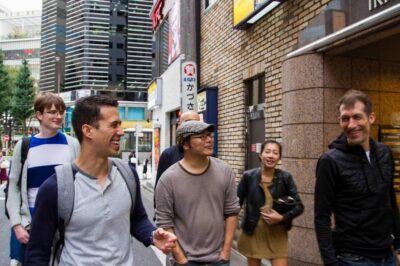
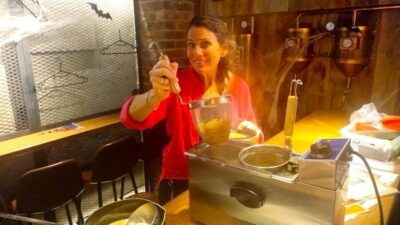
Easy Ramen Cooking Experience in Kabukicho, Shinjuku
Read our review →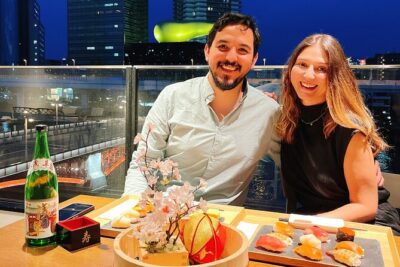
Ramen and Sushi Cooking Class with Sake Pairing Set in Tokyo
Read our review →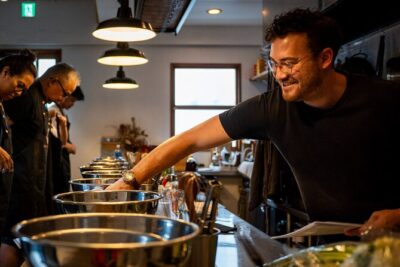
Professional Ramen & Gyoza with Ramen Chef in a restaurant!
Read our review →
Ramen Dojo Tokyo | Make All 3 (Tonkotsu/Shoyu/Miso)
Read our review →Ramen Dojo Tokyo | Make All 3 (Tonkotsu/Shoyu/Miso)
Read our review →Browse the lists this tour appears in