
Reviewed · KAMAKURA DAY TRIPS FROM TOKYO
Kamakura&Enoshima Tour to-and-from Tokyo, Yokohama, up to 12
Kamakura and Enoshima pack a remarkable amount into one day: bamboo, Buddhist temples, a samurai shrine, a giant bronze Buddha, seaside views, and shopping streets. The clever part is the private vehicle, which saves you from stitching together several train rides and long walks.
I like the freedom to shape the day around your group, and I like that the route includes Hokoku-ji’s tea service rather than treating Kamakura as a quick photo stop. The main drawback is cost: at $878 for up to 12 people, this makes the most sense for a larger group, a cruise-day excursion, or anyone who values door-to-door transport.
Key points to know before booking
- Kamakura’s main sights in one route: Visit Hokoku-ji, Tsurugaoka Hachimangu, Kotoku-in, and Hase-dera without arranging separate local transport.
- Enoshima adds a coastal change of pace: Allow time for lunch, shrine streets, shopping, and views toward Mount Fuji.
- Private groups can adjust the plan: Seasonal flowers and your interests may change the order or selection of stops.
- Pickup is broad and useful: Tokyo, Yokohama, Odawara, and Maihama are listed, with some extra-charge options around Narita.
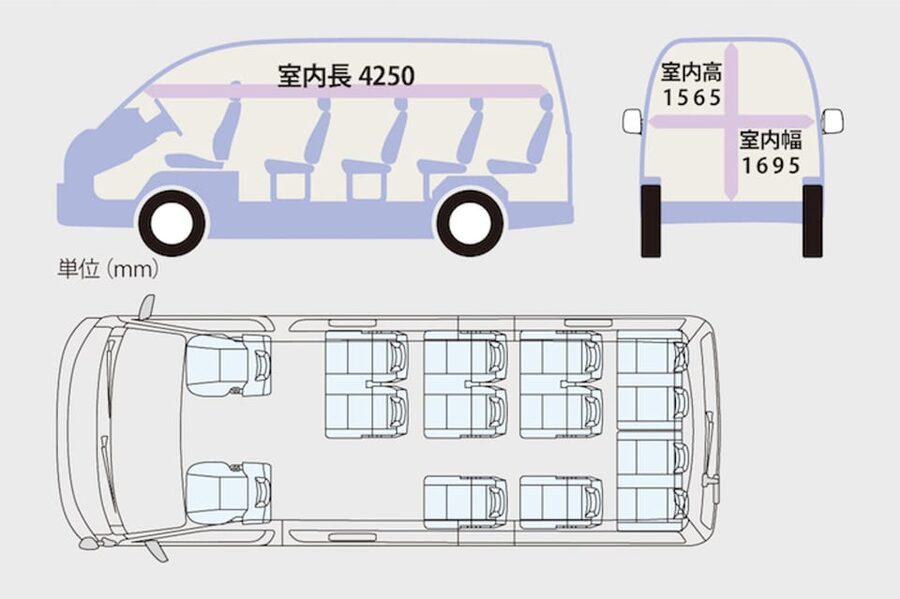
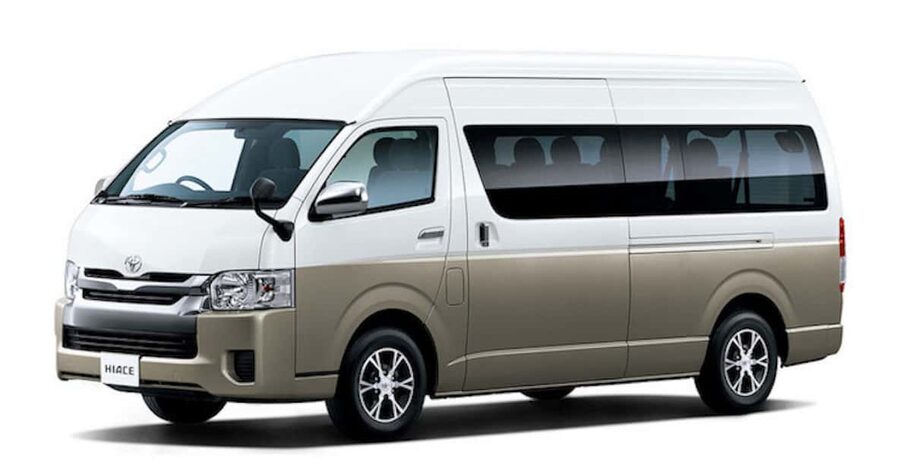
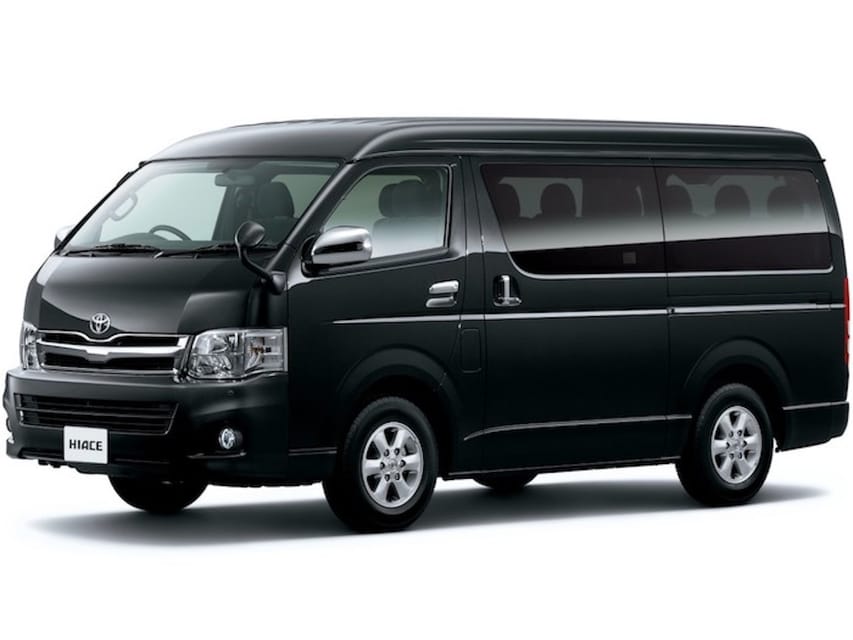
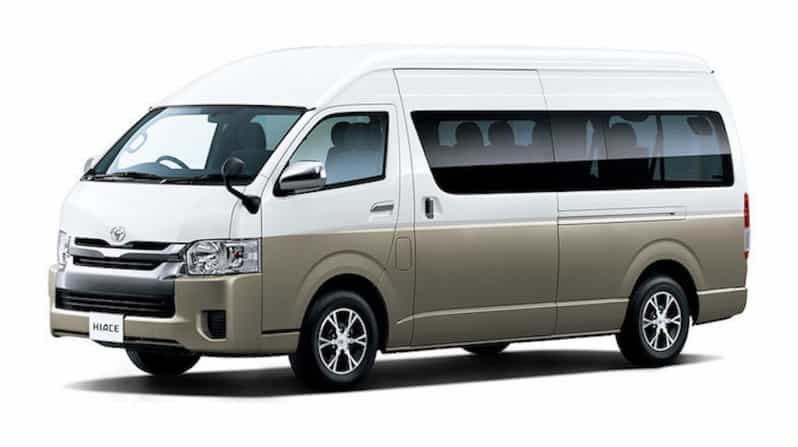
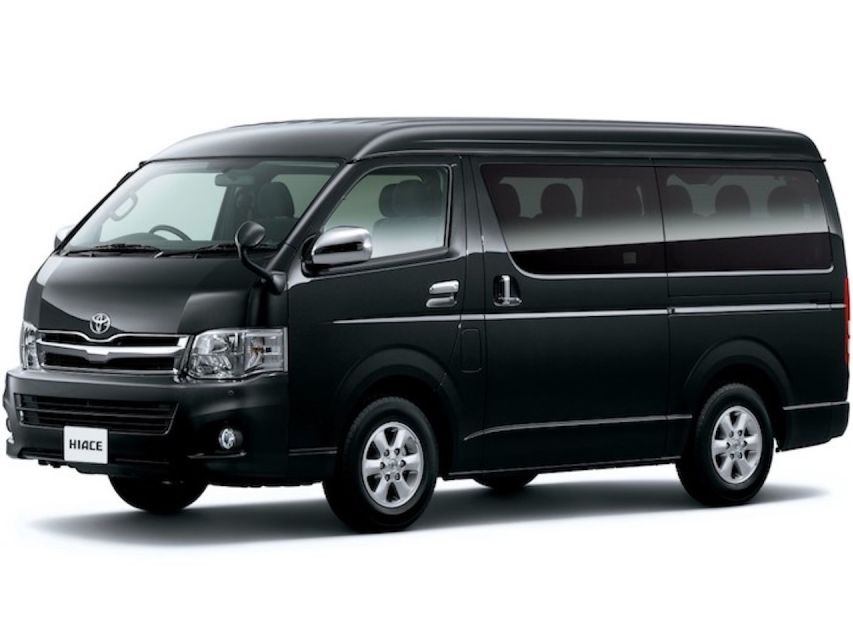
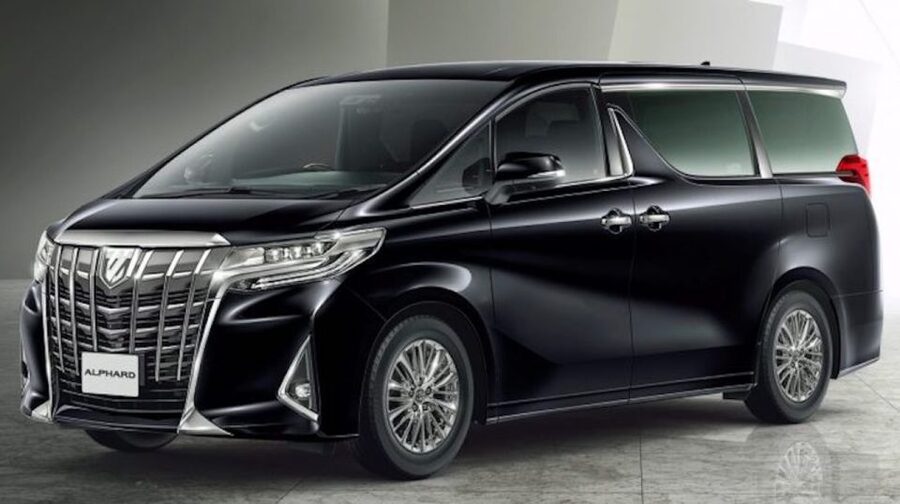
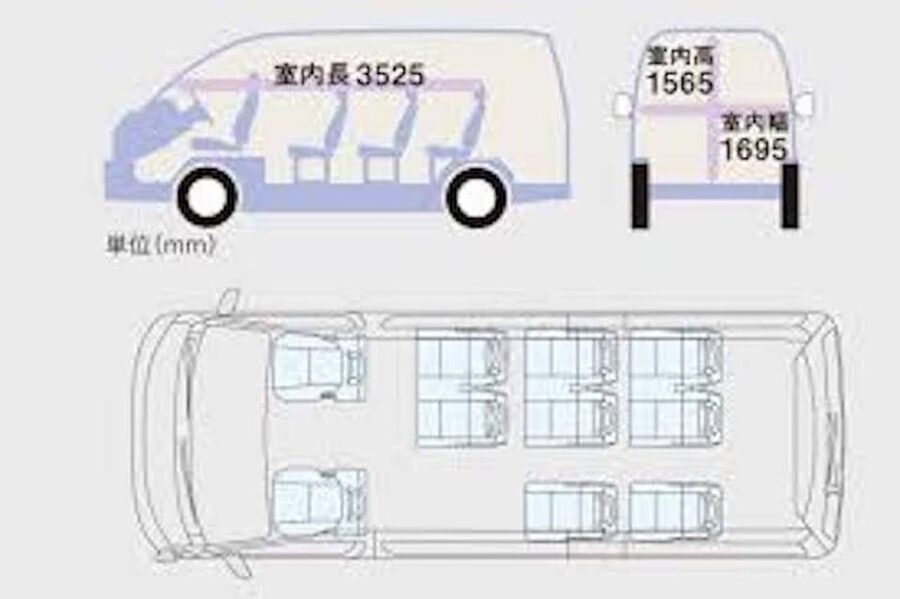
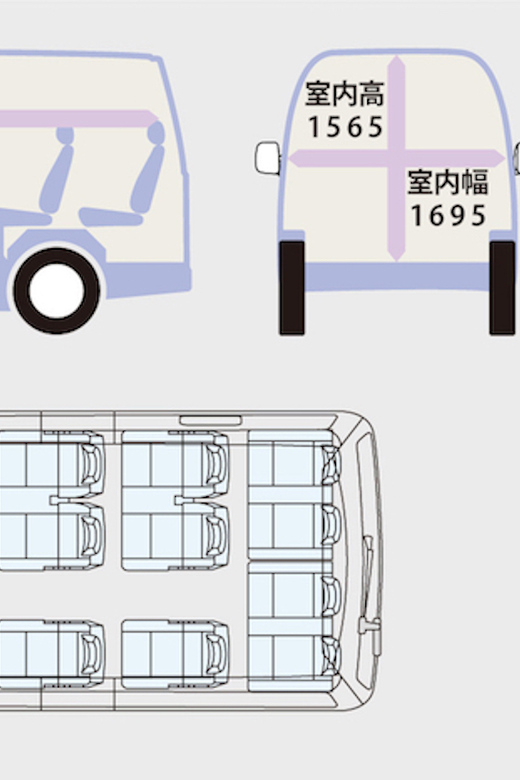
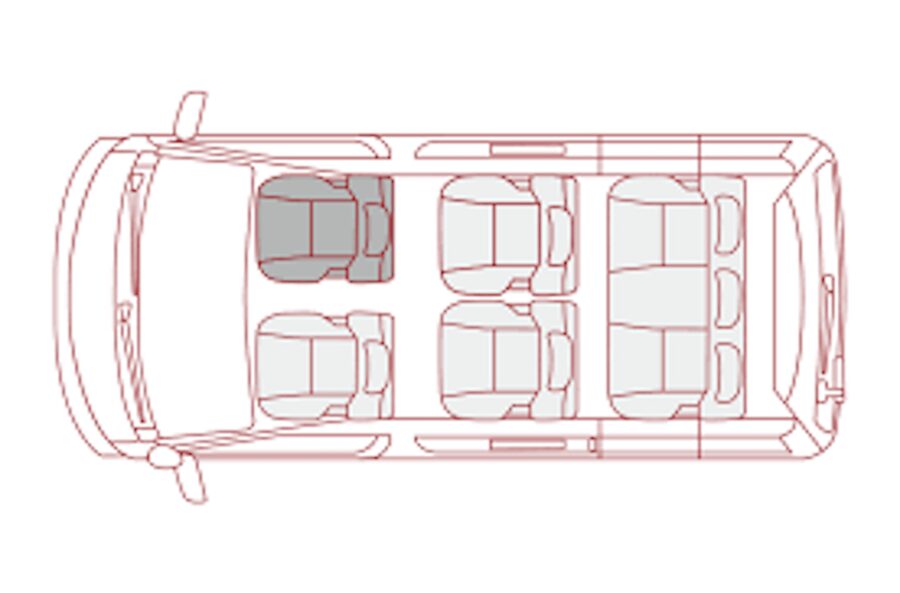
- The vehicle matters: Groups of three or four use a minivan, five to eight a small minibus, and nine to twelve a medium minibus.
- Bring practical gear: Comfortable shoes and weather-ready clothing are important, since several stops involve walking.
Why this private Kamakura day trip works
Kamakura is close enough to Tokyo for a day trip, but its feel is different. You leave the modern capital behind for temple grounds, shrine approaches, old neighborhoods, and a coastline tied to Japanese art.
The trouble with doing Kamakura and Enoshima independently is not distance alone. It is the number of separate decisions. You need to choose which temples matter, find the correct train or bus, keep an eye on opening times, locate lunch, and still make it to Enoshima before the day gets away from you.
This private tour removes much of that friction. Your driver-guide collects you at your hotel or chosen pickup point, drives between the major sights, and can adjust the day to your group. The listed duration is nine hours, which gives you a full day without turning the outing into an overnight stay.
The tour is offered in English and includes transportation, a driver-guide, and a private group. Attraction admission, food, and drinks are extra, so keep a separate budget for those costs.
More Kamakura day trips from Tokyo:
- Tokyo: Mt. Fuji, Kamakura, Big Buddha, & Lake Ashi Day Trip
★ 4.5 · 867 reviews - Tokyo:Sea of Mount Fuji, Hakone Ropeway, Ōwakudani, Enoshima
★ 4.9 · 84 reviews - Kamakura 8 hr Private Walking Tour with Licensed Guide from Tokyo
★ 5.0 · 80 reviews
Hokoku-ji, where bamboo and tea set the tone
Hokoku-ji is known as Kamakura’s bamboo temple. Its grove gives the morning a calm, enclosed start, especially before the larger sights later in the day.
A visit here lasts about 45 minutes. That is enough time for the guided visit and for the temple’s café, where you can enjoy powder tea. This is one of the more distinctive parts of the route because it offers a small cultural experience rather than only another temple building.
I would treat the tea as an optional pleasure, not a full meal. Food is not included, and the day continues through several walking stops, so you may want to eat lightly here and save room for lunch on Enoshima.
The ground at temple sites can be uneven, and you will spend much of the day moving between outdoor areas. Wheelchair accessibility is listed, but you should still discuss your group’s exact mobility needs in advance if steps or longer walks are a concern.
Tsurugaoka Hachimangu and the samurai story
Tsurugaoka Hachimangu is the major Shinto shrine in central Kamakura. It was established by Minamoto Yoritomo, the first shogun of Japan’s samurai government, and gives the day its clearest connection to Kamakura’s political past.
The visit is planned for about 45 minutes. Your guide can help you understand why this shrine matters instead of leaving you to see only the gates, stairs, and worship areas as attractive scenery.
This stop is also useful for setting Kamakura in context. The city is not simply a collection of old religious buildings. Its identity is tied to the rise of the samurai government, and Tsurugaoka Hachimangu is one of the best places on this route to connect the architecture with that story.
Expect more walking here than at a quick roadside stop. Comfortable shoes are essential, and weather can affect how pleasant the shrine grounds feel. The tour provider may change stops or timing according to seasonal flowers, so the exact order is not fixed.
The Great Buddha at Kotoku-in
Kotoku-in is home to the Great Buddha of Kamakura, the bronze statue that gives the city one of its most recognizable images. The scheduled visit is about 30 minutes, making this the shortest temple stop on the route.
That compact timing is sensible. The statue is the central sight, and you can take in its scale without needing a long guided visit. If you want a photograph, a quiet moment, or extra time studying the details, use your guide’s timing carefully.
The Great Buddha is also where the tour may feel most crowded or programmed, depending on the day. You are sharing a famous sight with other visitors, and half an hour can pass quickly. Still, including it is worthwhile. Skipping Kamakura’s best-known landmark would leave a large hole in the day.
Admission fees are not included. Plan to pay entry charges separately at Kotoku-in and the other attractions.
More Yokohama trips from Tokyo:
- Narita Airport: One Way Private Transfer to Tokyo|Yokohama Hotels
★ 4.5 · 69 reviews - Tokyo: Private One-Way Transfers to/from Yokohama Port
★ 4.5 · 50 reviews - Private Car Tour to see Highlights of Kamakura, Enoshima, Yokohama from Tokyo
★ 5.0 · 48 reviews - Haneda Airport: One Way Private Transfer to Tokyo|Yokohama Hotels
★ 4.0 · 28 reviews
Hase-dera adds gardens and a major Kannon image
Hase-dera is known for enshrining a prestigious Kannon Buddha. The visit lasts about 45 minutes, giving you more time than at Kotoku-in to move through the temple grounds and see how the setting changes with the season.
This is one reason the route does not use a rigid sightseeing script. Temple gardens have flowers that bloom at different times of year, and the provider notes that the selected stops may change with the season. That flexibility can work in your favor if you care about gardens and seasonal views.
You should still ask what the final plan will be if a particular flower season matters to you. The advertised route is an example, not a promise that every stop will appear in exactly the same order.
With Hokoku-ji, Tsurugaoka Hachimangu, Kotoku-in, and Hase-dera, the Kamakura portion covers several different sides of the city: bamboo, Shinto tradition, Buddhist sculpture, and temple gardens. That variety is more useful than visiting four places that all feel alike.
Lunch on Enoshima, with local choices
The route then heads to Enoshima for lunch, with about an hour set aside. Seafood is a local specialty, and rice or curry are also mentioned as possible choices.
Food and drinks are not included, which gives you control over what you spend. It also means you should not assume a set meal or prepaid restaurant reservation. Your guide can help direct the stop, but the exact restaurant and menu are not specified.
I like this pause because it breaks up a temple-heavy morning. Enoshima offers a different setting, and lunch gives you a chance to sit down before the afternoon sightseeing.
If your group has mixed tastes, rice and curry may be easier choices than seafood. If you want to try local seafood, this is the natural point in the day to do it. Tell your guide about dietary needs early, since the tour is described as flexible but does not promise a specific menu.
Enoshima’s views, shrines, and shopping arcades
After lunch, the Enoshima sightseeing portion lasts about 75 minutes. Enoshima is known for views that appeared in ukiyo-e woodblock prints, including views toward Mount Fuji when weather conditions allow.
That last point matters. Fuji views depend on visibility, so you should treat them as a possibility rather than a guarantee. Even without Fuji, the island gives the day a coastal finish and a visual contrast with Kamakura’s temple grounds.
The approach to Enoshima Shrine includes shopping arcades where you can look for souvenirs, accessories, and small gadgets. This is an easy place to pick up something practical or inexpensive rather than buying only at a major tourist landmark.
Seventy-five minutes is enough for a guided look and some browsing, but it is not an open-ended island exploration. If your priority is shopping, shrine visits, or photographs, tell the guide so your time is used in the way your group prefers.
The island can also add more walking to an already active day. Wear shoes that can handle temple paths, shrine approaches, and shopping streets. People prone to motion sickness should also take note, since the tour is not considered suitable for them.
What the $878 group price really buys
The listed price is $878 for a group of up to 12. That sounds high beside a standard train day trip, but the comparison changes once you divide it among a full group.
For 12 people, the listed cost works out to roughly $73 per person before admission fees, meals, and drinks. For six people, it is about $146 per person. For two people, the price becomes difficult to justify unless private door-to-door transport and a customized day are especially important.
The value comes from the vehicle and the time saved. The tour describes the same schedule as taking about a day and a half if you walk. That comparison explains the central benefit: you are not paying only for sightseeing, but also for efficient movement between spread-out places.
It can be particularly practical for a cruise passenger. One existing booking involved pickup at a cruise terminal, a temple with tea service, the Great Buddha, lunch, and a group of six with luggage. That detail matters because cruise days leave little room for missed connections. A private driver can also take you back to Tokyo, Yokohama, or another listed drop-off point.
For a small party on a tight budget, public transport may cost less. For a family, reunion group, or cruise party that would otherwise need several taxis or a complicated rail plan, the price can be reasonable.
Pickup, vehicles, and the shape of your day
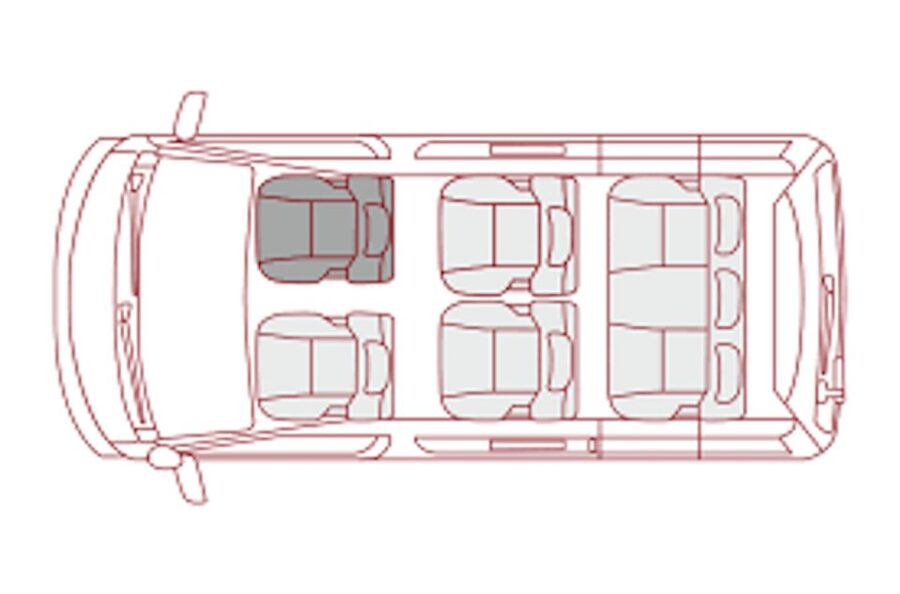
Standard pickup and drop-off options include Tokyo, Yokohama, Odawara, and Maihama. The provider also describes coverage for many doorway points in the Tokyo metropolitan area, plus combinations such as Tokyo pickup with Yokohama drop-off or the reverse.
Odawara can be useful if you are moving between Tokyo and Kyoto. Tokyo or Yokohama pickup with Odawara Station drop-off is specifically noted as an option for that kind of travel plan.
Narita-area service may be available for an extra charge. The listed surcharges include ¥20,000 for Narita pickup and drop-off, or ¥10,000 for one-way Narita service combined with Tokyo or Yokohama. Confirm the exact arrangement before booking, especially if your hotel is outside the standard area.
Vehicle size depends on the party:
- Three to four people: minivan
- Five to eight people: small minibus
- Nine to twelve people: medium minibus
If you carry a lot of luggage, ask about a larger vehicle. A vehicle that fits 12 people may not offer the same comfort when everyone also has large bags.
Who will get the most from this tour
I would recommend this outing to a private group that wants Kamakura’s major sights without spending the day managing train transfers. Families and older relatives may appreciate the private vehicle, while groups of friends can use the flexible schedule to focus on food, shopping, or photographs.
It also suits cruise passengers, especially if pickup and drop-off are arranged around the ship. The example of a six-person party with luggage shows why a private vehicle can be more useful than a standard group coach.
This is less attractive for a solo visitor or couple watching every yen. It is also not ideal if you want a slow, unplanned day on Enoshima. The nine-hour format covers a lot, but it has a clear sightseeing rhythm.
Free cancellation is available up to 24 hours before the start time, and you can reserve now and pay later. Those terms help if your Japan plans are still shifting, but they do not change the need to confirm pickup details and extra admission or food costs.
Should you book it?
Book this tour if you have a medium or large group, a cruise schedule, luggage, limited time, or strong interest in seeing both Kamakura and Enoshima in one day. The private vehicle is the main reason to choose it, and the flexible plan lets you give more attention to tea, temples, lunch, or shopping.
Think twice if you are traveling alone or as a couple and are comfortable using local trains. In that case, the group price may outweigh the convenience.
For the best experience, wear comfortable shoes, bring weather-appropriate clothing, keep money aside for entry fees and lunch, and tell the guide what matters most before setting off. If your group wants a compact, history-focused introduction to this corner of the Kanto region, this is a practical and well-targeted day out.
FAQ
How long does the Kamakura and Enoshima tour last?
The tour lasts nine hours. Starting times depend on availability.
Where can pickup and drop-off take place?
Listed pickup and drop-off locations include Tokyo, Yokohama, Odawara, and Maihama. Many doorway points in the Tokyo metropolitan area may also be covered.
Is pickup available from a cruise terminal?
Yes. The service is described as suitable for cruise passengers, and pickup from a cruise terminal is included among the possible arrangements.
Is the tour private?
Yes. It is a private group experience, with a driver-guide and private transportation.
How many people can join?
The tour accepts groups of up to 12 people. Vehicle type depends on group size.
Are attraction admission fees included?
No. Entry fees for the attractions are not included in the tour price.
Is food included?
No. Food and drinks are not included. Lunch is planned on Enoshima, where seafood, rice, and curry are local options.
Is the tour offered in English?
Yes. The tour includes a live English-speaking guide.
What should I bring?
Bring comfortable shoes and clothing suited to the weather. Smoking, explosive substances, and alcoholic drinks are not allowed in the vehicle.
Newly reviewed around Tokyo
- Tokyo Asakusa:Calligraphy & Make T-shirt Activity★ 5.0 · 62 reviews
- Intercity Shuttle, Tokyo to Haneda /Narita /Yokohama /Makuhari★ 5.0 · 5 reviews
- 1 Hour Travel around Tokyo with a Professional Photographer★ 5.0 · 3 reviews
- Travel Tokyo with Your Own Personal Photographer★ 5.0 · 43 reviews
- Kickboxing & Body Training with EX-Pro Fighter★ 5.0 · 4 reviews
- Train in Samurai Swordsmanship and Defeat the Demon in Tokyo★ 5.0 · 5 reviews
- Shuttle Van 6hr Tokyo Tour to-and-from Tokyo, Yokohama and Narita★ 5.0 · 9 reviews
- Traditional Japanese Knife Sharpening Class★ 5.0 · 18 reviews
Kamakura Day Trips from Tokyo, compared.
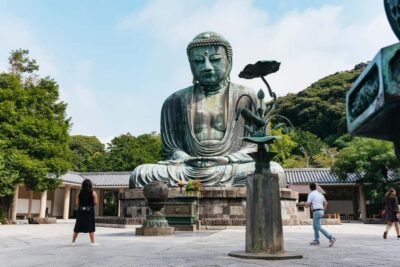
Mt. Fuji, Kamakura, Big Buddha, & Lake Ashi Day Trip
Read our review →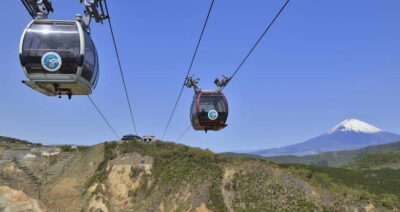
Sea of Mount Fuji, Hakone Ropeway, Ōwakudani, Enoshima
Read our review →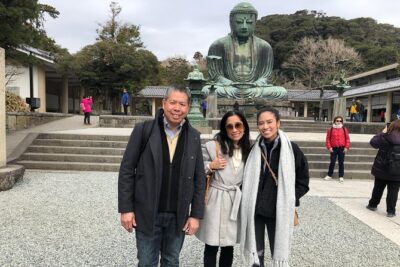
Kamakura 8 hr Private Walking Tour with Licensed Guide from Tokyo
Read our review →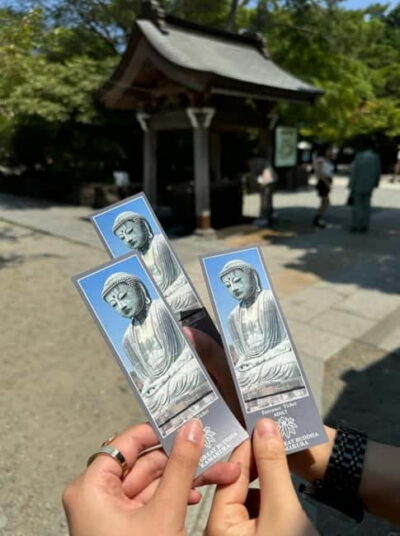
Kamakura & Enoshima Day Tour with Pickup & Train Ride
Read our review →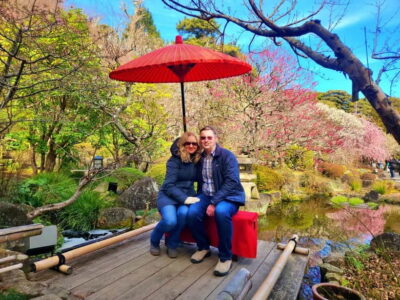
Kamakura Private & Customizable Tour – All-in-One Experience
Read our review →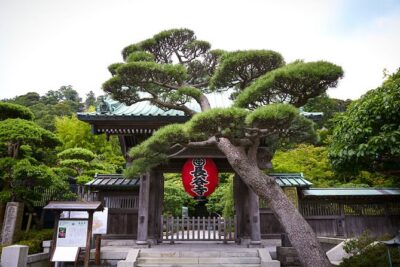
Private Car Tour to see Highlights of Kamakura, Enoshima, Yokohama from Tokyo
Read our review →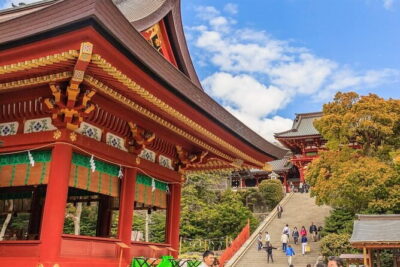
From Tokyo Kamakura, Hachimangu Shrine and Enoshima Full Day Tour
Read our review →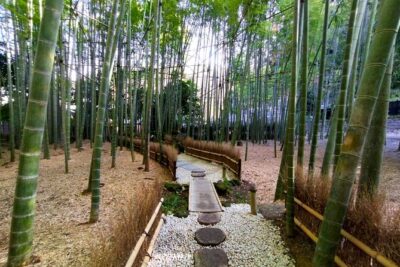
Day Trip to Kamakura & Enoshima: Shrines, Seaside, Temples & Tea
Read our review →Browse the lists this tour appears in