
Reviewed · HAKONE DAY TRIPS FROM TOKYO
Hakone Free Pass, 2-3 Days Travel Voucher Japan
Hakone is easiest to enjoy when you treat it as a transport adventure, not a single attraction. This pass links trains, mountain railways, cable cars, buses, boats, and the Ropeway, letting you build a full circuit through hot-spring towns, Owakudani, and Lake Ashi without buying a new ticket at every stop. I especially like the freedom to change your plan as weather and crowds shift, and the chance to spread the route over two or three days instead of rushing it in one.
I also like that the pass includes the round trip from Shinjuku to Odawara and discounts at more than 70 facilities. The main catch is crowding. Popular parts of the route can involve long lines and packed buses, trains, and cable cars, so this pass rewards early starts and a little patience.
Key points to know before you buy
- One pass links the full Hakone circuit: Use trains, buses, cable cars, the Ropeway, and the Lake Ashi sightseeing cruise within the designated areas.
- Shinjuku to Odawara is included: The pass covers one ordinary-train round trip on the Odakyu Odawara Line.
- Two or three consecutive days: The pass is designed for a short Hakone stay, not scattered day trips.
- Owakudani and Lake Ashi are easy to combine: The Ropeway and sightseeing cruise form the classic route through the region.
- More than 70 discounts: Savings can apply to hot springs, museums, galleries, and other facilities.
- Digital redemption requires care: You must exchange the voucher for a physical pass during counter hours, and redemption cannot be undone.
What the Hakone Free Pass actually gives you
The Hakone Free Pass is a self-guided transport ticket for exploring the Hakone region over two or three consecutive days. It is not a guided tour, and no guide is named or provided. You choose the stops, pace, meals, and time spent at each place.
The pass includes one round trip on the ordinary Odakyu Odawara Line between Shinjuku Station and Odawara Station. Inside Hakone, it provides unlimited rides on the designated networks, including the Hakone Tozan Railway, Hakone Tozan Cable Car, Hakone Tozan Bus, Hakone Sightseeing Cruise, Hakone Ropeway, Odakyu Hakone Highway Bus, and Tokai Bus.
The wording also refers to eight kinds of transportation. In practical terms, you should think of the pass as covering the connected public transport system used for the standard Hakone sightseeing circuit. It is not a private vehicle pass, and it does not mean every train or special service in the region is included.
More Hakone day trips from Tokyo:
- Mt Fuji and Hakone 1-Day Bus Tour Return by Bullet Train
★ 5.0 · 26,383 reviews - Mt Fuji & Hakone Cruise, Drum Show Bullet Train 1 Day from Tokyo
★ 4.0 · 7,413 reviews - Tokyo Mt Fuji 5th St & Hakone Cruise Bus Tour w/Bullet Train
★ 4.4 · 5,024 reviews
From Shinjuku to Odawara, start the trip carefully
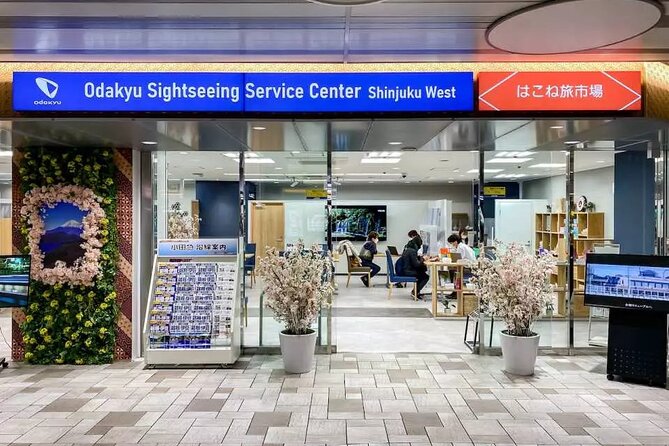
The pass begins with the journey from Tokyo toward Hakone. The included ticket covers the ordinary Odakyu train between Shinjuku and Odawara. If you redeem the voucher at the Odakyu Sightseeing Service Center near Odakyu Station, you must first pay separately to reach that station.
That detail matters if you are staying elsewhere in Tokyo. The pass does not cover every ride you need before reaching the Odakyu departure point. Also, the Shinjuku to Odawara ticket is non-refundable, so check your plans before using or redeeming it.
You can pay extra for the Romancecar if you want a faster, reserved-seat journey. The limited express ticket is not included, and you must purchase it separately on site. The Free Pass still handles the basic transport coverage, but the Romancecar is an optional upgrade rather than part of the advertised price.
For a simple trip, start at Shinjuku, take the included ordinary train to Odawara, and continue into Hakone. Odawara also works as one of the main places to collect the physical pass, which can be useful if your route begins there.
Hakone Tozan Railway and the mountain climb
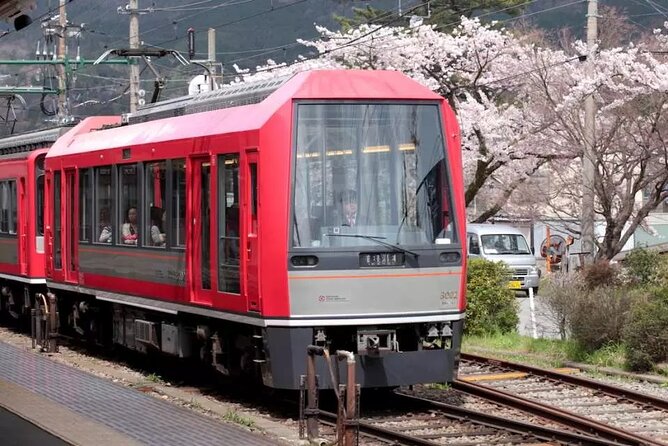
The Hakone Tozan Railway carries you from the lower part of the area toward the mountain resorts. It is one of the most useful sections of the pass because it removes the need to work out a separate fare as you move inland.
You can use it as part of a gradual route into Hakone, then connect with the cable car and Ropeway. The train also gives you a practical way to reach the central sightseeing zone without relying entirely on buses.
The drawback is capacity. The most popular route can become crowded, and standing-room conditions may occur. If you dislike tight spaces or long waits, use the two-day or three-day validity to avoid forcing every major stop into one morning.
Cable car, Ropeway, and Owakudani
The Hakone Tozan Cable Car continues the climb from the railway toward the Ropeway connection. This is where the transport system feels less like a basic commute and more like part of the sightseeing experience.
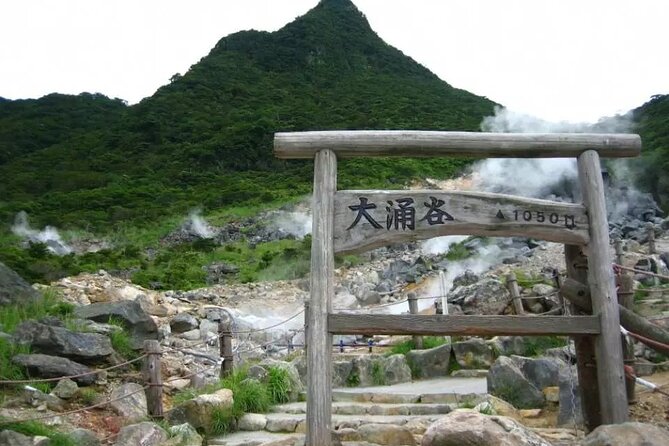
The Hakone Ropeway carries you toward Owakudani, a volcanic valley known for dramatic views and geothermal activity. Owakudani is one of the main reasons many people buy the pass, since reaching it by separate tickets can be less convenient when combined with the rest of the circuit.
Weather is important here. Poor conditions can affect the experience, and the overall activity requires good weather. If clouds or rain limit the views, the pass still gives you useful transport, but the high point of the route may feel less rewarding.
Crowds are the other concern. The Ropeway is a popular link, and queues can build quickly. An early start gives you a better chance of moving through the route before the busiest period. The pass itself does not reserve a place or move you ahead of other people.
More 3 Day Experiences in Tokyo:
- 3 Days Tokyo, Mt. Fuji and Hakone Private Tour from Tokyo
★ 5.0 · 6 reviews
Lake Ashi sightseeing cruise
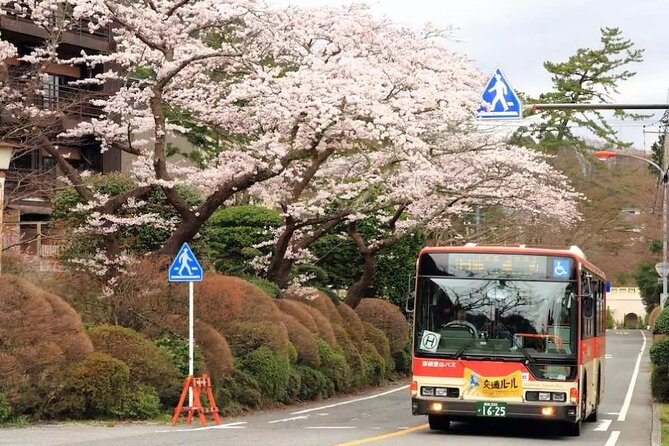
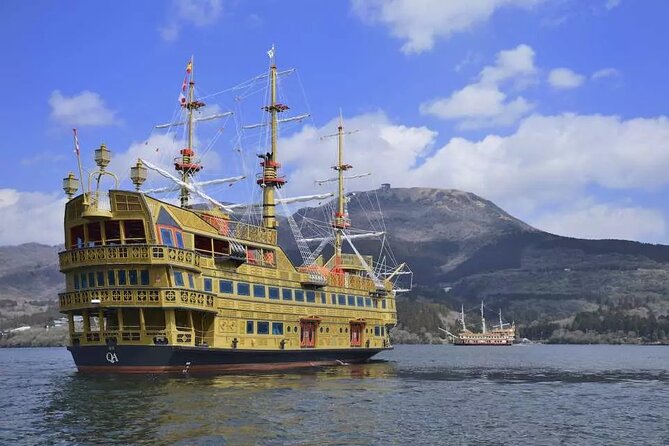
The Hakone Sightseeing Cruise is included in the pass and is commonly used to cross Lake Ashi after the Ropeway section. This boat ride helps turn the transport network into a loop rather than a return journey along the same tracks.
The cruise is valuable because it connects two major sightseeing areas while giving you a change of pace. After trains, buses, and cable cars, time on the lake offers a quieter part of the route. The boat is also a practical way to connect the mountain side of Hakone with the area around the lake.
Do not treat the cruise as a guaranteed private excursion. It is part of the public transport system and can be busy. The pass covers the ride, but it does not promise a seat or a particular view.
Buses fill the gaps between Hakone sights
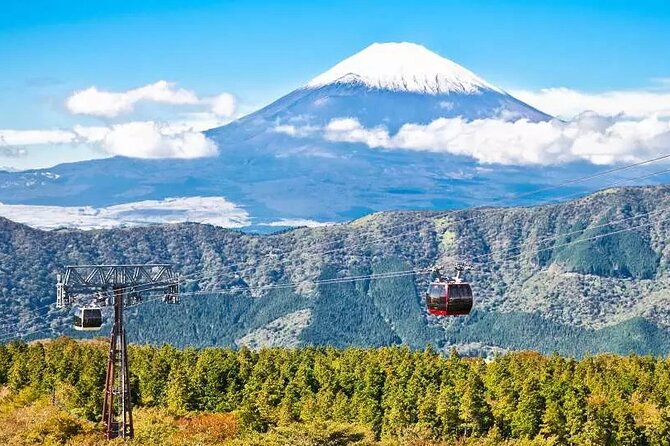
Hakone is spread out, so buses are essential. The pass covers the designated Hakone Tozan Bus, Odakyu Hakone Highway Bus, and Tokai Bus services. These routes connect the railway, lake, museums, hot springs, and other stops that are not directly served by the cable car or Ropeway.
This is where the Free Pass earns much of its value. Without it, a day of several short bus rides can create a pile of small fares and repeated ticket decisions. With the pass, you can get off, look around, and continue when ready.
The practical downside is that buses can be crowded, especially on the classic circuit. You may have to wait, stand, or accept a slower ride than expected. Build extra time into your plan, and do not schedule a tight connection between a bus and a cruise.
Discounts at museums, hot springs, and galleries
The pass offers discounts at more than 70 facilities. These include hot springs, art museums, galleries, and other attractions. The discounts are not the same as free admission, so check the specific facility before assuming the pass covers entry.
The Hakone Open-Air Museum is listed among the attractions associated with the pass, as are Hakone Shrine and the Hakone Pirate Ship. The pass may provide a discount or access benefit depending on the facility and current terms. At the ticket counter, show the pass and ask what reduction applies.
This benefit matters most if you plan to visit several paid attractions. A single museum discount will not transform the economics of the ticket, but several admissions, transport rides, and a lake cruise can make the total more favorable.
I would choose your paid stops with care. Hakone is not improved by racing through every museum simply to use a discount. Pick the facilities that fit your interests, then let the pass handle the connections between them.
Two days or three days?
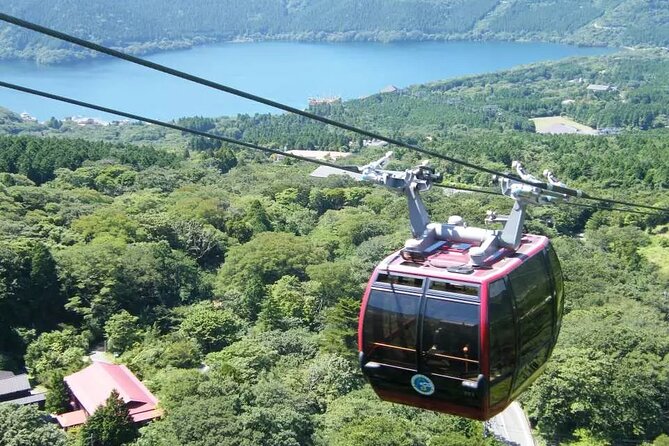
The two-day pass suits a compact visit. You can cover the major transport loop, include Owakudani and Lake Ashi, and add one or two paid attractions if you keep moving.
The three-day option is better if you want a slower pace, a hot-spring visit, extra museum time, or a wider route through Odawara and Gotemba. It also gives you more flexibility when queues or weather disrupt the first day.
The validity is consecutive. You cannot activate the pass for one day, skip a day, and resume later. It begins when you collect and activate the physical pass, so plan the pickup around your actual sightseeing period.
For a two-day stay, I would avoid collecting it too early unless you are ready to use it. For three days, the extra time can reduce the pressure caused by busy transport and long waits.
Is $66.50 good value?
At $66.50 per person, the value depends on how much of the network you use. The pass is strongest for someone traveling from Shinjuku, completing several Hakone transport legs, taking the Ropeway and lake cruise, and visiting discounted attractions.
If you only ride to Hakone, visit one place, and return, separate tickets may be simpler. The Free Pass is built for repeated movement. Each added train, bus, cable car, or boat ride improves its value.
One supplied price example cites a three-day pass at 5,400 yen compared with a stated actual cost of 9,330 yen for a similar three-day plan. Prices and exchange rates can change, so treat that comparison as a guide rather than a guarantee. Check the current price at booking and count the rides you expect to take.
The pass also saves mental effort. You do not need to purchase a separate fare for every short ride, though you still need to understand where the pass is valid and follow the redemption rules.
Redeeming the voucher without a bad start
You must exchange the voucher for a physical ticket. An unredeemed voucher cannot be used as the transport ticket itself.
Redemption is available at designated Odakyu service locations, including Odawara Station and the Odakyu Sightseeing Service Center at Shinjuku West. Redemption is not available at the Odakyu Sightseeing Service Center at Hakone-Yumoto.
Counter hours matter. No voucher exchange is offered outside operating hours, and those hours can change without notice. Check the official operating information before setting out, especially if your train arrives early or late.
Once the Hakone Free Pass is redeemed, you cannot change or cancel it. Keep the pickup point, operating hours, and start date in mind before you commit.
Digital systems can also slow things down. If you are using a mobile voucher, make sure the people in your group can access the necessary screens and internet connection. Families and larger groups may find separate digital confirmations awkward at the station. A physical pass is ultimately required, so allow time for the exchange instead of arriving just before a train departure.
Crowds, queues, and how to protect your day
The main weakness is not the pass itself. It is the popularity of Hakone. The classic route can funnel many people into the same trains, buses, cable cars, Ropeway cabins, and boats.
You may spend part of the day in queues or standing rather than sightseeing. That is especially likely if you try to complete the full loop at the busiest time. A flexible schedule helps more than a packed checklist.
Use the three-day version if you want breathing room. On a two-day trip, begin early and avoid planning several timed activities in a row. Keep lunch and museum visits flexible. If a bus is full or a connection is delayed, the pass lets you shift to another included service without buying another ticket.
This product suits independent visitors who are comfortable reading signs, checking transport information, and changing plans. It is less suitable if you want a guide, reserved seats throughout the day, or a private vehicle.
Children, group size, and weather
Children under six can ride without a ticket if they do not occupy a seat and are accompanied by an adult. Children aged six and over need a child ticket.
The activity allows a maximum of 100 participants, but that does not mean you travel as one organized group. This is a transport pass, not a group tour with a guide or fixed itinerary.
Good weather is required for the experience. If poor weather causes cancellation, you are offered a different date or a full refund. The normal cancellation terms are strict: the experience is non-refundable and cannot be amended after booking, and no changes or cancellation are possible once the pass has been redeemed.
Should you buy the Hakone Free Pass?
Buy it if you plan to make Hakone a proper two or three-day visit. It is especially useful for the full transport circuit, including Owakudani, the Ropeway, Lake Ashi, buses, and the mountain railway. Add a few discounted museums or hot springs, and the $66.50 price can make good sense.
Think twice if you want a calm, private day with guaranteed seats. Crowds are a real part of the route, and the pass cannot solve packed vehicles or long lines. Also reconsider if your plans are uncertain, since redemption is strict and the voucher must be exchanged during service hours.
My practical choice would be the two-day pass for a focused first visit and the three-day pass for a slower stay with museums, hot springs, or extra time around Odawara and Gotemba. Use it early in the day, collect the physical ticket before your main trip begins, and leave room for delays. That is how you get the value without letting the Hakone loop dictate your entire day.
FAQ
How long is the Hakone Free Pass valid?
The pass is valid for two or three consecutive days, depending on the option purchased.
What train journey is included?
The pass includes one round trip on the ordinary Odakyu Odawara Line between Shinjuku Station and Odawara Station.
Does the pass include the Romancecar?
No. You must buy the limited express ticket separately if you want to ride the Romancecar.
Which transport services are covered inside Hakone?
The pass covers designated rides on the Hakone Tozan Railway, Hakone Tozan Cable Car, Hakone Tozan Bus, Hakone Sightseeing Cruise, Hakone Ropeway, Odakyu Hakone Highway Bus, and Tokai Bus.
Does the pass include the Lake Ashi cruise?
Yes. The Hakone Sightseeing Cruise is included within the designated transportation coverage.
Where can I redeem the voucher?
You can redeem it at designated locations such as Odawara Station and the Odakyu Sightseeing Service Center at Shinjuku West. Redemption is not available at the Odakyu Sightseeing Service Center at Hakone-Yumoto.
Can I use the voucher without exchanging it?
No. You must redeem the voucher for the physical ticket. An unredeemed voucher cannot be used as a ticket.
Are attraction admissions included?
The pass provides discounts at more than 70 facilities and attractions. It does not state that every attraction has free admission.
Do children need a ticket?
Children under six do not need a ticket if they are accompanied by an adult and do not occupy a seat. Children aged six and over need a child ticket.
Can I cancel or change the pass?
The experience is non-refundable and cannot be changed for any reason. After the Hakone Free Pass is redeemed, no changes or cancellation are available.
Newly reviewed around Tokyo
- Tokyo Asakusa:Calligraphy & Make T-shirt Activity★ 5.0 · 62 reviews
- 1 Hour Travel around Tokyo with a Professional Photographer★ 5.0 · 3 reviews
- Travel Tokyo with Your Own Personal Photographer★ 5.0 · 43 reviews
- Intercity Shuttle, Tokyo to Haneda /Narita /Yokohama /Makuhari★ 5.0 · 5 reviews
- Train in Samurai Swordsmanship and Defeat the Demon in Tokyo★ 5.0 · 5 reviews
- Shuttle Van 6hr Tokyo Tour to-and-from Tokyo, Yokohama and Narita★ 5.0 · 9 reviews
- Kickboxing & Body Training with EX-Pro Fighter★ 5.0 · 4 reviews
- Traditional Japanese Knife Sharpening Class★ 5.0 · 18 reviews
Hakone Day Trips from Tokyo, compared.
Mt Fuji and Hakone 1-Day Bus Tour Return by Bullet Train
Read our review →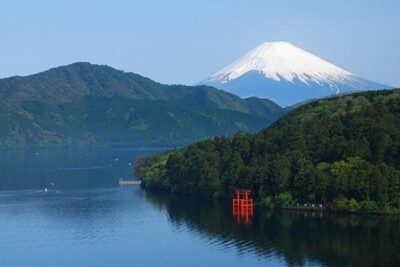
Mt Fuji & Hakone Cruise, Drum Show Bullet Train 1 Day from Tokyo
Read our review →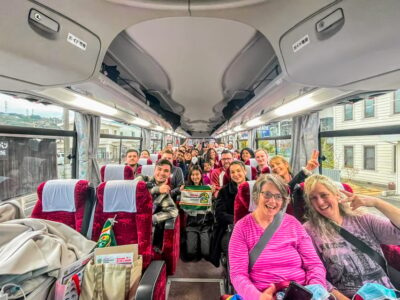
Tokyo Mt Fuji 5th St & Hakone Cruise Bus Tour w/Bullet Train
Read our review →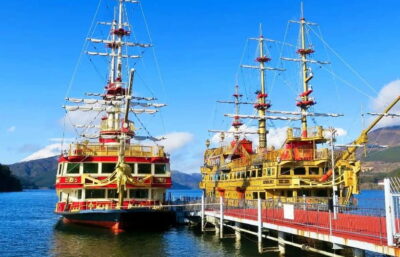
Mt. Fuji Tour, Hakone Ropeway, Owakudani, Lake Ashi
Read our review →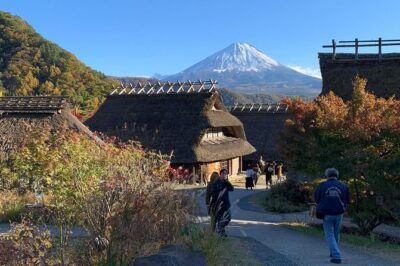
Private Tour to Mt. Fuji and Hakone (Fully Licenced Operator)
Read our review →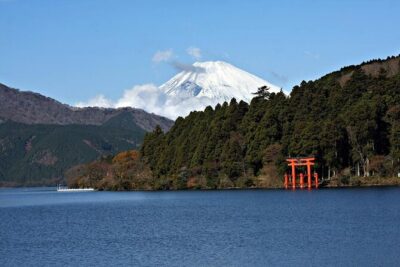
Mt Fuji & Hakone Cruise, Drum Show Bus 1 Day from Tokyo
Read our review →
Mt. Fuji & Hakone Tour w/ Return by Bullet Train
Read our review →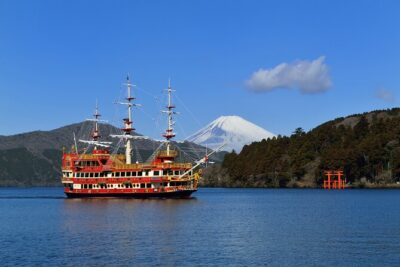
Mt Fuji and Hakone 1-Day Bus Tour Return by Bus
Read our review →Browse the lists this tour appears in