Reviewed · TOURS
Tokyo Full Course Tour: Explore 15 Must-See Sights & Hidden Gems
Tokyo rewards a good pair of walking shoes and a guide who knows when to leave the main road. This 10-hour small-group tour moves from Meiji Shrine and Harajuku to Shibuya, Tsukiji, the Imperial Palace, Akihabara, Ueno, and Asakusa, using the metro to connect the dots.
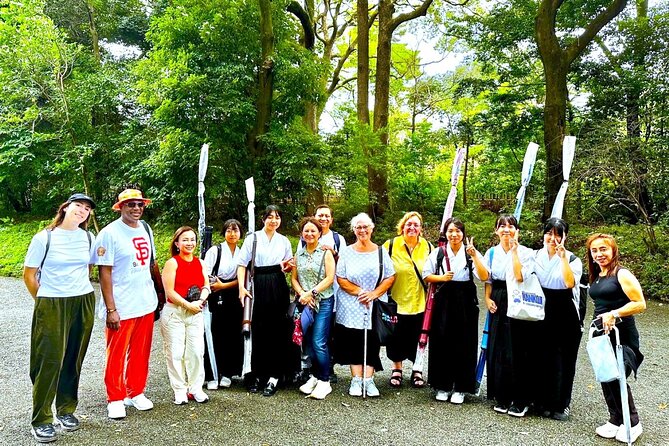
I love the route’s sheer range, and I like that the group is capped at five people. Guides such as Yasuko and Michiko have earned especially strong praise for clear explanations, patience, and helpful local insight. The trade-off is pace: this is a greatest-hits day with plenty of walking, not a slow visit to each district.
Key points at a glance
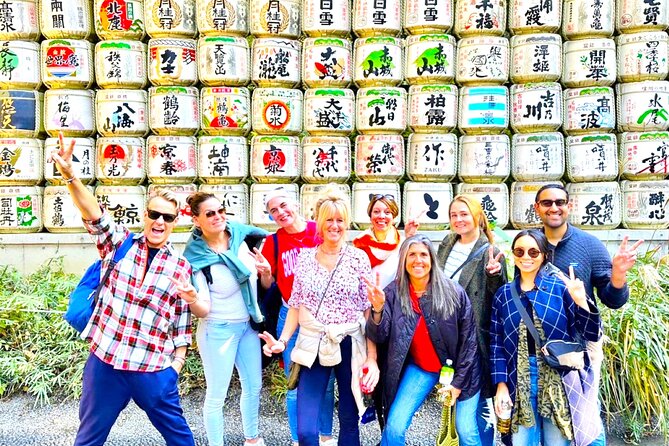
- A full cross-section of Tokyo: Move from Shinto shrine grounds and fashion streets to fish stalls, electronics shops, temples, and old market lanes.
- Small group, personal guidance: With a maximum of five people, it is easier to ask questions and keep up with the guide.
- Lunch is not included: The Tsukiji stop includes time for sushi at a local restaurant, but you pay for food and drinks yourself.
- Metro costs extra: Bring a Suica or PASMO card, or another usable transportation IC card, along with some cash.
- A strong first or second day: The route gives you a useful map of Tokyo before you return to favorite areas on your own.
- Expect a serious walking day: You need moderate physical fitness and must stay with the guide throughout the route.
Why this Tokyo route works so well
At $104.34 per person, the tour is not simply a paid ride between attractions. You are paying for a guide, route planning, cultural explanation, and a day that would take real effort to organize on your own. The price is more attractive if you have only two days in Tokyo or want a clear introduction before exploring alone.
You will still pay for subway fares, lunch, and any drinks. That matters. The tour fee covers the guiding service and consumption tax, but not the sushi meal or the possible izakaya stop described in the tour information. Budget extra money rather than expecting an all-inclusive day.
The route is also unusually ambitious. The published plan names 14 main stops while the tour title refers to 15 sights, with extra local places possible along the way. That means you should see this as a broad city sampler. You will collect a strong first impression of Tokyo, but some stops are short photo and orientation visits rather than long sightseeing sessions.
Other Tokyo days people book alongside this one:
- Mt Fuji and Hakone 1-Day Bus Tour Return by Bullet Train
★ 5.0 · 26,383 reviews - 1-Day Tokyo Bus Tour
★ 5.0 · 14,250 reviews - Tokyo: teamLab Planets TOKYO Digital Art Museum Entry Ticket
★ 4.6 · 9,779 reviews
Starting among cedar trees at Meiji Jingu
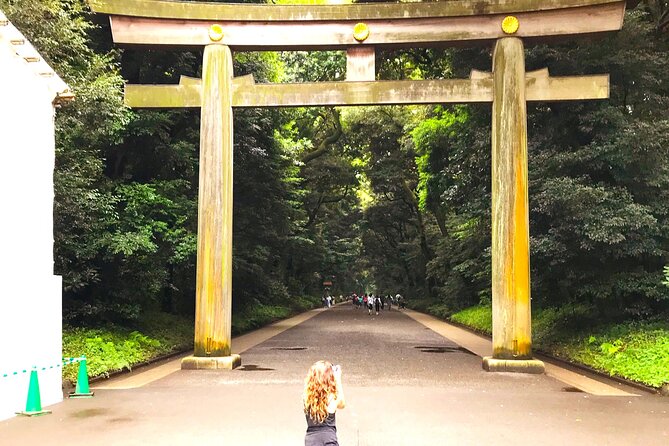
Meet at Yoyogi Station at the beginning of the day. The first stop is Meiji Jingu, one of Tokyo’s major Shinto shrines, with about 30 minutes set aside for a look around.
This opening works nicely because it gives you a calmer start before the city’s louder districts arrive. Your guide can explain basic shrine customs, the role of Shinto, and how this sacred space fits into modern Tokyo. You will have time to see the approach and shrine grounds, but not enough for an unhurried visit.
From a practical point of view, arrive early. The tour begins on time, and late arrivals are not allowed to join with no refund. That rule is strict, but understandable when a small group is moving through a city by subway.
Harajuku fashion, Hachiko, and the Shibuya crossing
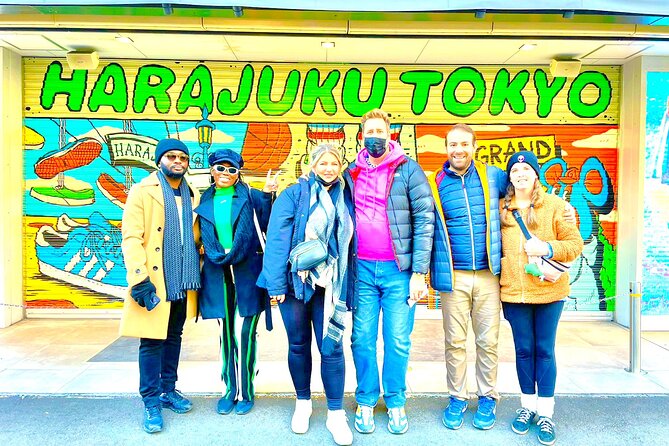
Harajuku follows with about 30 minutes on its fashion street. This is a quick taste of the district rather than a dedicated shopping session. You can expect youth style, unusual storefronts, and a sharp change from the quiet shrine grounds.
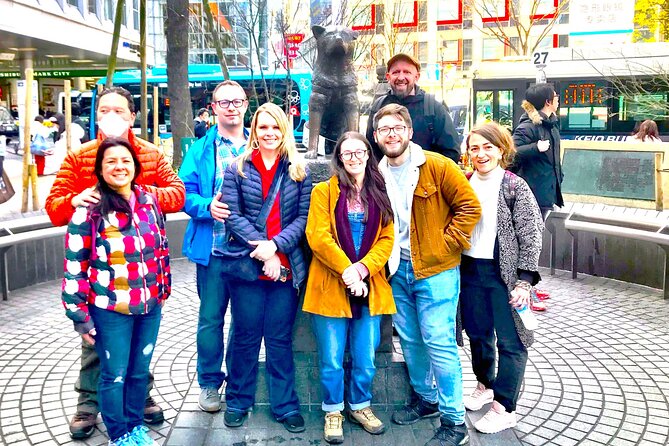
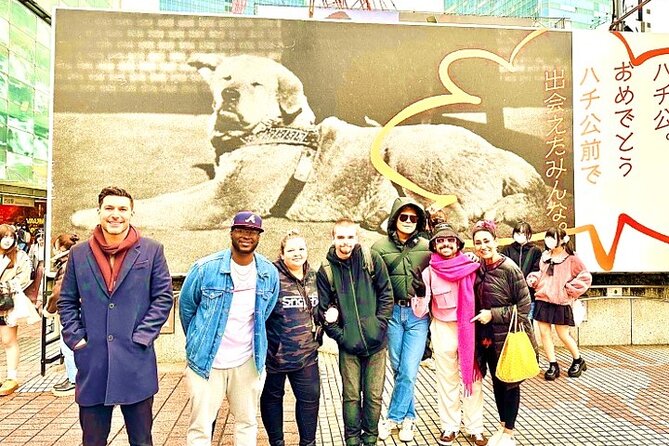
Next come Hachiko and Shibuya Crossing. The Hachiko stop lasts about 10 minutes and introduces one of Tokyo’s best-known meeting points. The nearby crossing gets another 10 minutes, enough to understand the famous intersection and take photographs.
I like this pairing because your guide can connect a small public statue with one of the world’s best-known city scenes. Still, the short time limits your freedom to explore Shibuya’s department stores, side streets, or viewpoints. If crossing and shopping are high on your list, mark Shibuya for another visit.
Tsukiji brings the day to the table
The route then heads to Tsukiji Hongwanji Temple for roughly 30 minutes. Its unusual appearance and religious setting make it a useful contrast to the city’s commercial districts. This is another stop where an explanation from a local guide adds more than a quick photograph.
Afterward, you get about 90 minutes at Tsukiji Fish Market, including time for sushi at a local restaurant. This is one of the day’s most practical stops because your guide can help you understand how to approach the market and where a meal fits into the schedule.
Your sushi is not included in the tour price. Neither are drinks. Bring cash, even if you normally rely on cards, and do not assume the meal is part of the $104.34 fee. The tour description also mentions ending with drinks and appetizers at an izakaya, but the included items specifically exclude food and beverages, so treat that as an optional expense rather than a prepaid feature.
The 90-minute window is useful, though it disappears quickly once you walk, choose food, eat, and regroup. You will get a taste of Tsukiji rather than a long food crawl. If you care more about eating than collecting sights, this is one part of the tour where an independent visit would give you more control.
A completely different kind of day in Tokyo:
- Mt Fuji & Hakone Cruise, Drum Show Bullet Train 1 Day from Tokyo
★ 4.0 · 7,413 reviews - Tokyo: Shinjuku Food Tour (13 Dishes at 4 Local Eateries)
★ 5.0 · 6,603 reviews - Tokyo Mt Fuji 5th St & Hakone Cruise Bus Tour w/Bullet Train
★ 4.4 · 5,024 reviews - Flagship 2-Hours Official Street Go-Kart Tour – Tokyo Bay Shop
★ 5.0 · 4,974 reviews
The Imperial Palace and Marunouchi in short visits
After lunch, the group visits the Imperial Palace area, walking outside for about 15 minutes. This is an exterior orientation stop, not a palace interior tour. You can see the setting and hear about Japan’s imperial institution, but you should not expect entry to palace buildings.
Marunouchi follows for another 15 minutes, then Tokyo Station’s Marunouchi Ekimae Hiroba for about 15 minutes. Together, these stops show Tokyo’s formal business center, broad streets, and grand station architecture.
The timing is tight, but the sequence makes sense. You move from the Imperial Palace grounds to Marunouchi’s polished office district and then to Tokyo Station, one of the city’s key transport hubs. The station stop lists admission as not included, though the tour is mainly an exterior visit.
This stretch may feel less exciting than Harajuku or Asakusa, yet it gives you an important piece of Tokyo. The city is not only shrines, neon, and food stalls. It also runs on offices, railways, government institutions, and carefully planned central districts.
Akihabara and Ueno show two different Tokyos
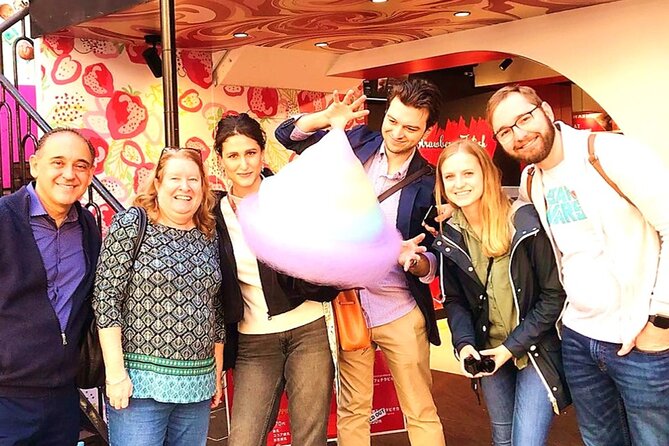
Akihabara gets about 30 minutes. The district is known for electronics, anime, games, and specialist shops, so this is a useful first look for anyone curious about Tokyo’s pop culture. It is not long enough for serious shopping, and you may want to return alone if you have specific stores in mind.
The next stop is Ueno Park, with about 30 minutes to walk and listen. Ueno gives the day a different rhythm, with open public space and a strong connection to museums and older Tokyo. The supplied tour information does not promise museum entry, so plan on seeing the park itself rather than building your day around indoor exhibits.
Ameyoko Shopping Street follows for about 15 minutes. This market street gives you a quick look at everyday shopping and street food. Again, the short schedule is the main limitation. You can take in the atmosphere and get ideas for a later return, but you will not have much time to browse every lane.
The combination of Akihabara, Ueno, and Ameyoko is one of the route’s better ideas. You see entertainment, public parkland, and market commerce in a single afternoon. Tokyo becomes easier to understand when these different districts are placed side by side.
Asakusa finishes with temples and old Tokyo atmosphere
The final part of the route is Asakusa. You visit Asakusa Higashi Hongan-ji Temple, listed in the schedule alongside Sensoji, for about 30 minutes. Then you see Asakusa Shrine for about 10 minutes.
The schedule uses both Asakusa and Sensoji in its descriptions, so you should confirm the exact temple sequence with the guide at the start. The larger point is clear: the day ends in one of Tokyo’s major traditional districts, with Buddhist and Shinto sites close together.
This is a satisfying finish. After modern Shibuya, corporate Marunouchi, electronics-focused Akihabara, and the food trade of Tsukiji, Asakusa gives you another view of the city. The tour ends around Asakusa Station, making it easy to continue exploring the neighborhood or return to your hotel by rail.
The day’s final stops are still brief. If you want time for Sensoji’s approach, nearby shops, and the surrounding streets, stay in Asakusa after the tour ends. The guide gets you oriented, then you can slow down at your own pace.
The guides make or break a packed day
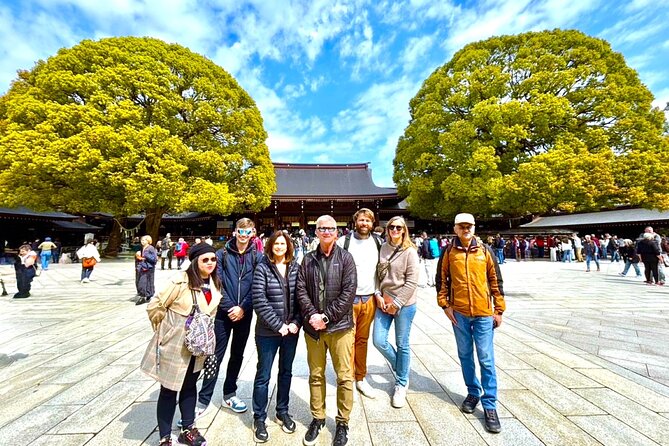
The strongest part of this experience is the human element. Yasuko is repeatedly praised for her clear explanations, friendly manner, patience, and ability to help with individual needs. Michiko is also singled out for explaining Japanese history and culture at each stop, choosing a small local restaurant, and adjusting the experience when appropriate.
Takashi has even changed the route for a participant who wanted to visit the zoo to see pandas. That does not mean every group can request a new itinerary, but it shows that the guiding style may be flexible when time and circumstances allow.
I would book this kind of day for the guide, not only for the checklist of sights. Tokyo is easier when someone explains why a shrine matters, how the districts differ, and how to use the rail system without wasting half the day. With only five people, you have a better chance of asking questions than on a large coach tour.
That said, the quality of your day depends partly on the guide assigned to your date. The named guides associated with the experience have received very high praise, but no tour can guarantee the exact same person each time.
Walking, metro costs, and what to bring
This is a physically active tour. You walk through several districts, use public transportation, and keep moving for about 10 hours. Comfortable shoes are essential. The operator asks for a moderate level of fitness, and you must stay with the guide rather than split off to shop or explore alone.
Transportation expenses are separate. Prepare a Suica or PASMO card in advance, and keep cash ready for fares, food, and drinks. The route crosses enough of Tokyo that using the metro is central to the experience, not a minor detail.
The maximum group size is five, but the tour information does not state a fixed minimum group size. If the minimum is not reached, the experience may be canceled and you will be offered another date, another experience, or a full refund. Poor weather can also lead to a new date or full refund.
The cancellation rule is strict: your booking is non-refundable and cannot be changed for any reason. Do not book this on a day when your plans are uncertain. People under 18 must have a guardian, and anyone under 13 requires a private-tour request. Anyone unwell or under the influence of alcohol will not be permitted to participate, with no refund.
Who should book this day in Tokyo?
You should consider it if this is your first or second day in Tokyo, especially if you have only a short stay. The route gives you a useful mental map and lets you decide which places deserve a return visit.
It also suits solo visitors and couples who prefer company, explanation, and a fixed plan. The small group is a real advantage for questions and navigation. Food lovers may appreciate the Tsukiji lunch, though the limited time and extra cost mean this is not a specialist food tour.
I would think twice if you dislike early starts, brisk movement, or short visits. The tour is not ideal for someone who wants extended shopping in Harajuku, Akihabara, or Ameyoko, or a quiet half-day at one temple. Families with young children need to ask about a private arrangement for anyone under 13.
Should you book it?
Book this tour if you want a broad, guided introduction to Tokyo and are willing to pay extra for lunch, transit, and drinks. The $104.34 fee is reasonable for a 10-hour day with a group of no more than five, especially when you value local explanation and efficient routing.
Skip it if you prefer to set your own pace or already know Tokyo well. The route moves fast, several stops last only 10 to 15 minutes, and the non-refundable policy leaves little room for a change of plans. For a first visit, though, this is a strong way to see how Tokyo’s very different districts fit together.
FAQ
How long does the Tokyo Full Course Tour last?
The tour lasts approximately 10 hours.
Where does the tour start and finish?
It starts at Yoyogi Station in Shibuya and finishes around Asakusa Station.
How many people can join the tour?
The maximum group size is five people.
Are transportation, sushi, and drinks included?
No. Transportation, food, and beverages are not included in the tour fee. You should prepare a Suica or PASMO card and carry cash.
Is the tour suitable for children?
Anyone under 18 must be accompanied by a guardian. If you want to include someone under 13, you must send a request for a private tour.
What happens if I arrive late or need to cancel?
The tour starts on time, and late arrivals cannot participate or receive a refund. The experience is normally non-refundable and cannot be changed. If poor weather or an insufficient number of participants causes cancellation, you will be offered another date or experience, or a full refund.
Newly reviewed around Tokyo
- Tokyo Asakusa:Calligraphy & Make T-shirt Activity★ 5.0 · 62 reviews
- Intercity Shuttle, Tokyo to Haneda /Narita /Yokohama /Makuhari★ 5.0 · 5 reviews
- 1 Hour Travel around Tokyo with a Professional Photographer★ 5.0 · 3 reviews
- Travel Tokyo with Your Own Personal Photographer★ 5.0 · 43 reviews
- Train in Samurai Swordsmanship and Defeat the Demon in Tokyo★ 5.0 · 5 reviews
- Shuttle Van 6hr Tokyo Tour to-and-from Tokyo, Yokohama and Narita★ 5.0 · 9 reviews
- Kickboxing & Body Training with EX-Pro Fighter★ 5.0 · 4 reviews
- Traditional Japanese Knife Sharpening Class★ 5.0 · 18 reviews
Tours, compared.
Mt Fuji and Hakone 1-Day Bus Tour Return by Bullet Train
Read our review →
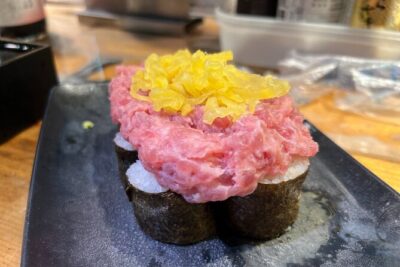
Shinjuku Food Tour (13 Dishes at 4 Local Eateries)
Read our review →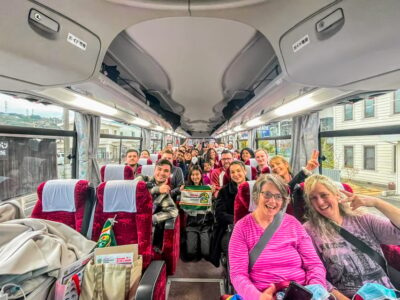
Tokyo Mt Fuji 5th St & Hakone Cruise Bus Tour w/Bullet Train
Read our review →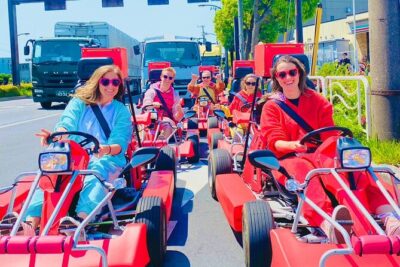
Flagship 2-Hours Official Street Go-Kart Tour – Tokyo Bay Shop
Read our review →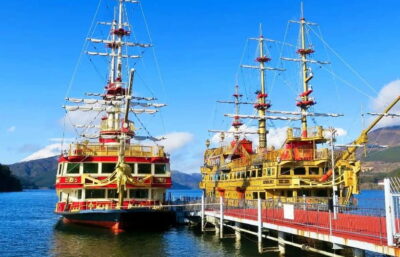
Mt. Fuji Tour, Hakone Ropeway, Owakudani, Lake Ashi
Read our review →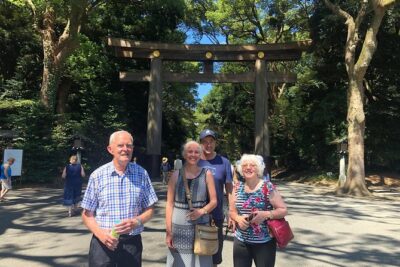
Tokyo 6hr Private Tour with Government-Licensed Guide
Read our review →