
Reviewed · TOKYO
Shuffle Dance in Tokyo with a TikTok Star – Intermediate Level
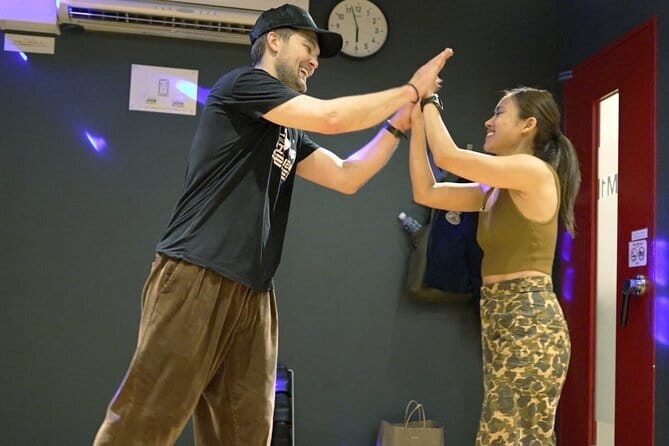
Tokyo’s shuffle scene comes alive in a small Wednesday-night class led by Tomo, a popular local dance creator known for videos on TikTok, Instagram, and YouTube. You learn the steps, practice them with Japanese dancers, then perform for a 4K video you can keep.
I like the patient teaching and the chance to meet local students who have taken Tomo’s classes for more than a year. I also like the compact format: one hour, a maximum of 10 people, and a studio only a short walk from Shinjuku Station. The catch is that this is an intermediate class, so you’ll get more from it if you already have some dance or rhythm experience.
Key points to know before booking

- Tomo leads the Wednesday class: He teaches shuffle technique and choreography, with a calm, step-by-step approach.
- The final 10 minutes are filmed in 4K: You receive a polished record of your progress to take home.
- The class meets at 8 p.m.: It fits neatly after sightseeing, dinner, or an afternoon in Shinjuku.
- You practice with local dancers: Some Japanese students have attended for more than a year, giving the class a genuine local connection.
- Indoor shoes are required: Wear comfortable clothes and bring a drink, since bottled water is not included.
- The group is capped at 10 people: That keeps the class small enough for personal guidance.
Why this Tokyo dance class is different
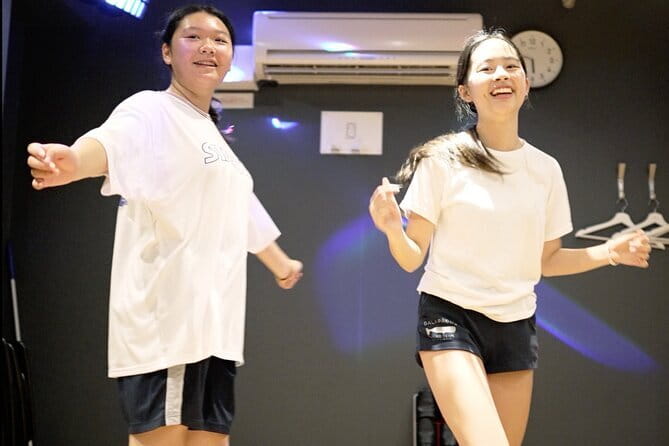
Many Tokyo activities ask you to watch, taste, or photograph. This one asks you to move. Shuffle dance grew through electronic music and online videos, and this class gives you a direct look at how local creators practice routines for the camera.
That connection to social media is not just a theme. You actually get to see the process. Tomo teaches a routine, helps you work through it, and films the result at the end. The video gives you something more useful than a souvenir photo: a record of what you could do after only one session.
I also like the social side. The class is not built only for visiting customers. Japanese students attend regularly, and some have been taking lessons for more than a year. You may have time to talk and exchange ideas in the lobby after filming, which gives the evening a more natural feel than a standard sightseeing class.
The small group matters here. Shuffle involves quick footwork and repeated patterns, so it helps to have room to practice and a teacher who can notice where you are getting stuck. With no more than 10 people, the class should feel more personal than a large commercial workshop.
Other Tokyo days people book alongside this one:
- Mt Fuji and Hakone 1-Day Bus Tour Return by Bullet Train
★ 5.0 · 26,383 reviews - 1-Day Tokyo Bus Tour
★ 5.0 · 14,250 reviews - Tokyo: teamLab Planets TOKYO Digital Art Museum Entry Ticket
★ 4.6 · 9,779 reviews
Finding Studio Worcle Shinjuku at 8 p.m.
The meeting point is Room 501 at Studio Worcle Shinjuku, about a seven-minute walk from the west exit of Shinjuku Station. The listed address is in Nishishinjuku, Shinjuku City, Tokyo 160-0023.
Give yourself enough time to find the building. Shinjuku Station is huge, and the west side has plenty of exits and nearby streets. Your exact start time or studio room can change if the venue schedule changes, so check your messages before leaving for the class.
Once inside, you can use the changing rooms to get ready. Wear clothing that lets your legs move freely. Indoor shoes are part of the required kit, since street shoes are not suitable for the studio floor.
The class begins at 8 p.m. and lasts about one hour. That timing works well if you have spent the day visiting museums, shopping, or walking around central Tokyo. It also means you should eat and hydrate beforehand. Bottled water is not included, but vending machines are right outside the studio and a 7-Eleven is about a one-minute walk away.
The 10-minute warm-up prepares your feet
The first part lasts about 10 minutes and combines stretching with rhythm training. This may sound simple, but it is useful preparation for shuffle dance. The style depends on repeated foot patterns, changes in weight, and timing with music. A short warm-up gives you a chance to loosen up and find the beat before the faster work begins.
You do not need to arrive as a trained dancer. One first-time participant found the instructions easy to follow and had a good time despite expecting the class to be difficult. Still, the activity is labeled intermediate, and some previous dance experience is recommended.
I would think of the level this way: you do not need to know shuffle dance, but you should be comfortable learning a physical sequence at a steady pace. If you have taken a beginner dance lesson, followed online choreography, or simply enjoy learning steps, you are likely to have a better time than someone looking for a slow introduction.
The warm-up is also your first chance to watch Tomo’s teaching style. His instruction is described as gentle and thorough, which matters when you are trying to coordinate feet, rhythm, posture, and direction at the same time.
Forty minutes of steps, timing, and choreography
Most of the class is spent on shuffle dance. You begin with basic steps and then work toward an intermediate routine. The structure gives you time to repeat movements rather than rushing straight into a finished performance.
Shuffle can look effortless in short social media clips. In person, the footwork demands attention. You need to keep your rhythm while changing steps, and the camera adds another layer because you must also think about facing and presentation. The class helps bridge that gap between watching a dance online and actually performing it.
Tomo’s approach appears especially useful for students who want to build confidence. Several participants returned for another lesson, and one described making the class a main reason to visit Tokyo. Another appreciated being able to request a favorite song and learn a routine in about 30 minutes. Those details suggest that the lesson has enough flexibility to feel personal rather than locked into a single rigid script.
At the same time, you should not expect to master every shuffle variation in one hour. The value is in learning a manageable routine, improving your control, and seeing how the pieces fit together. You may leave with plenty to practice at home, which is part of the appeal for dancers who want a hobby they can do almost anywhere.
A completely different kind of day in Tokyo:
- Mt Fuji & Hakone Cruise, Drum Show Bullet Train 1 Day from Tokyo
★ 4.0 · 7,413 reviews - Tokyo: Shinjuku Food Tour (13 Dishes at 4 Local Eateries)
★ 5.0 · 6,603 reviews - Tokyo Mt Fuji 5th St & Hakone Cruise Bus Tour w/Bullet Train
★ 4.4 · 5,024 reviews - Flagship 2-Hours Official Street Go-Kart Tour – Tokyo Bay Shop
★ 5.0 · 4,974 reviews
The final 10 minutes turn practice into a keepsake
The last 10 minutes are set aside for filming. Your progress is captured in 4K, and the video is distributed after the session. This is the most distinctive part of the class because it gives the lesson a clear goal.
Being filmed can make even a short routine feel more serious. You have to remember the sequence, keep time, and perform with some confidence. If you are shy about cameras, the pressure may be a drawback. If you enjoy making social videos, it is a useful chance to learn how Tokyo dance creators prepare for their clips.
The video also lets you see what happened during the class. You might notice that a step you thought was difficult became natural by the end, or that your rhythm needs more work. It is a practical record of progress, not just a souvenir.
The activity includes the 4K video, studio rental, and all fees and taxes. At $35.83 per person, I consider that fair for a small studio class with a professional instructor and a finished video. It is not the cheapest way to spend an hour in Tokyo, but it offers more than a basic drop-in lesson. You are paying for instruction, the studio, the filming, and a chance to meet local dancers.
The lobby exchange adds a local touch
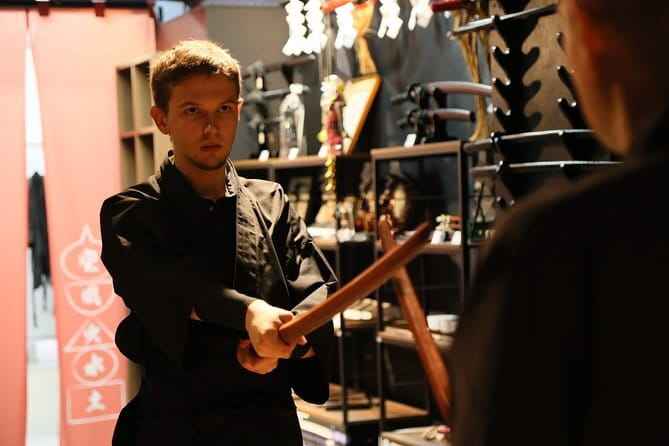
After the filming, you receive your video and have time for cultural exchange in the lobby. This part is not a formal tour of Tokyo, and you should not expect a long conversation class or a planned group meal. Its value is simpler: you can talk with the people you just danced beside.
That is where the class feels most connected to everyday Tokyo. You are not watching a staged performance by professionals. You are learning alongside local students who have made dance part of their regular routine.
If you are outgoing, use this time to ask about the class, practice habits, or dance culture in Japan. If your Japanese is limited, the shared activity gives you an easy starting point. You already have the steps, music, and filming session in common.
The event ends back at the studio, so there is no extra transfer afterward. From there, you can return to Shinjuku Station or continue your evening nearby.
Who will get the most from this class
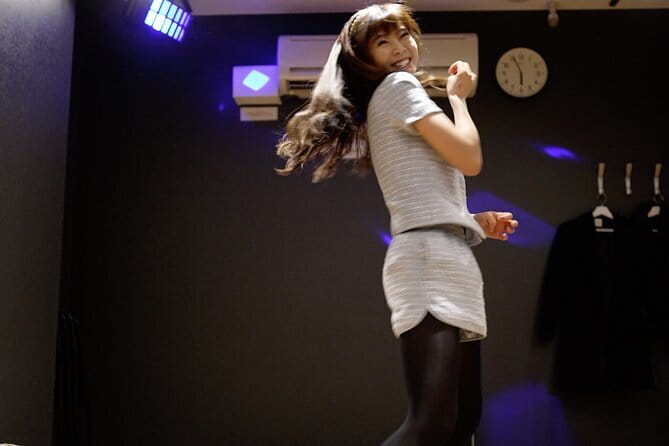
This activity suits you best if you already dance, enjoy learning choreography, or want a physical way to connect with Tokyo’s youth culture. It is also a good fit if you like social media dance and want to understand what happens before a polished TikTok or Instagram clip appears online.
You do not need to be an experienced shuffler. The instruction is patient, and first-time shuffle dancers have found the class approachable. But you should be ready to move at an intermediate pace and repeat steps until they click.
I would recommend it for:
- Dancers who want to try a style they do not know
- Visitors who enjoy hands-on activities more than passive sightseeing
- Solo visitors looking for an easy way to meet local people
- Social media users who want a 4K dance video
- Returning students who want to build on a beginner class
- Anyone with moderate physical fitness who can take part in a one-hour dance session
It may not suit you if you want a relaxed cultural talk, a long workshop, or a beginner-only class with no physical challenge. The evening also depends on studio availability, so you need to watch for messages about any change to the start time or location.
Practical details that affect your choice
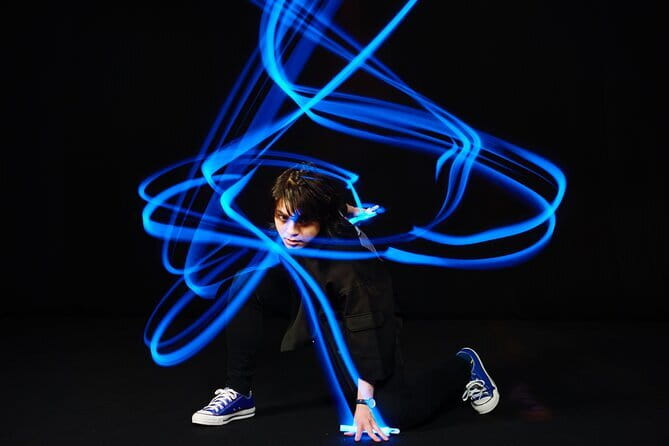
The class is held on Wednesdays, starts at 8 p.m., and lasts about one hour. The group size is limited to 10 people, which is a strong point for a technical activity. Confirmation arrives when you book, and the studio is near public transportation.
Bring comfortable clothing, indoor shoes, and your own drink. You can buy water nearby, but it is easier to arrive prepared, especially if you have already spent the day walking through Tokyo.
The activity offers free cancellation if you cancel at least 24 hours before the start time. Cancellations or changes made within 24 hours are not accepted for a refund, and the cut-off follows Tokyo local time.
The listed price is $35.83 per person. Since the fee includes the studio, instruction, 4K video, and taxes, it offers solid value for someone who will use the video and wants a small-group lesson. If you only want to watch a TikTok creator perform, this is not the right format. You are expected to participate.
Should you book the Tokyo shuffle class?
Book it if you want an active evening and like the idea of learning from Tomo while practicing with local dancers. The small group, patient instruction, and 4K filming make this more memorable than a standard dance drop-in.
I would especially choose it after taking a beginner class, or if you already have enough dance experience to pick up a routine without needing every step slowed down. If you are completely new to dance, you may still enjoy it, but expect a challenge and come ready to practice.
For many visitors, the best souvenir will not be the video alone. It will be the feeling of spending an hour in a Tokyo studio, working through the same kind of choreography that fills local social feeds. At $35.83, that is a worthwhile trade for an evening that gives you both a new skill and a genuine point of contact with Tokyo’s dance community.
FAQ
Where does the shuffle dance class meet?
The class meets at Room 501, Studio Worcle Shinjuku, in Nishishinjuku, Shinjuku City. It is about a seven-minute walk from the west exit of Shinjuku Station.
What time does the class start?
The listed start time is 8 p.m. on Wednesdays. The time or studio location can change based on studio availability, so check your messages for updates.
Is previous dance experience required?
Previous dance experience is recommended because this is an intermediate-level class. However, first-time shuffle dancers can still take part, and the instruction is designed to be clear and patient.
What does the one-hour session include?
The class includes a 10-minute warm-up, about 40 minutes of shuffle choreography practice, and 10 minutes of 4K filming. You also receive the video after filming and can spend time exchanging with local dancers in the lobby.
What should I bring?
Bring comfortable clothing, indoor shoes, and a drink. Bottled water is not included, but vending machines are outside the studio and a 7-Eleven is about a one-minute walk away.
How much does the activity cost, and can I cancel?
The price is $35.83 per person. You can cancel for a full refund up to 24 hours before the start time. Cancellations or changes made less than 24 hours in advance are not refunded.
Newly reviewed around Tokyo
- Ueno and Yanaka Culture Art Walking Tour in Old Tokyo★ 5.0 · 5 reviews
- Sumo Training Watching Experience in Tokyo★ 4.5 · 8 reviews
- Giant Sushi Cooking Class: Make a 1.5m Sushi Roll in Tokyo★ 5.0 · 9 reviews
- 2 Hours Mochi &Nerikiri Making & Matcha Class in Bunkyo★ 5.0 · 21 reviews
- Japanese Sweets (Mochi & Nerikiri) making at a Private studio★ 5.0 · 22 reviews
- Mt Fuji and Kawaguchiko Private Tour★ 5.0 · 10 reviews
- Half-Day Local Tokyo Tour in Adachi Market and Shibamata★ 5.0 · 16 reviews
- Private Full-Day Tour of Tokyo with Hotel Pickup★ 5.0 · 3 reviews