Reviewed · PRIVATE
Tokyo: Zen Meditation at a Private Temple with a Monk
Tokyo: Zen Meditation at a Private Temple with a Monk
A quiet temple can feel like another world after a morning in Tokyo. This 90-minute experience brings you into a small Asakusa temple with more than 400 years of history, where monk Namiki-san explains Zazen, the seated meditation at the heart of Zen Buddhism. You also have time for calligraphy, matcha, sweets, and an open conversation.
I like the small, personal setting and the chance to ask a monk direct questions rather than simply watch a staged cultural display. I also like the patient translation from guides such as Tamami, Kazu, and Shota, which makes the teaching easier to follow. The one consideration is that the meditation itself may be brief for experienced practitioners, with some sessions lasting about 10 minutes each.
Key points to know
- Enter a private temple in Asakusa: The temple is not open to the general public, giving the visit a more intimate feel.
- Learn Zazen from Namiki-san: The resident monk explains posture, breathing, attention, and the purpose of seated meditation.
- Expect more than meditation: Calligraphy, chanting, matcha, Japanese sweets, and questions with the monk are part of the experience.
- Meet near Tawaramachi Station: The meeting point is in front of the correct Family Mart, about two minutes from the Ginza Line station.
- English support is included: The guide translates the monk’s explanations and helps you understand the cultural setting.
- Bring an open mind, not a meditation résumé: Beginners are welcome, while experienced practitioners should expect a short introduction rather than a full retreat.
Entering a 400-year-old temple in Asakusa
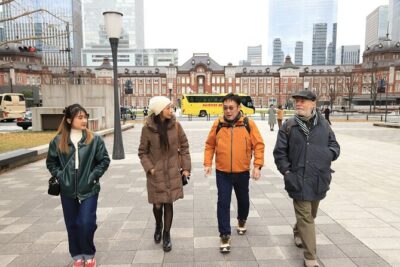
The experience begins near Tawaramachi Station, in a part of Asakusa that is easy to reach by Tokyo Metro’s Ginza Line. You meet in front of a Family Mart, but take care here: there are two branches in the area. Check the exact meeting instructions and stay in touch with the guide through WhatsApp before you arrive.
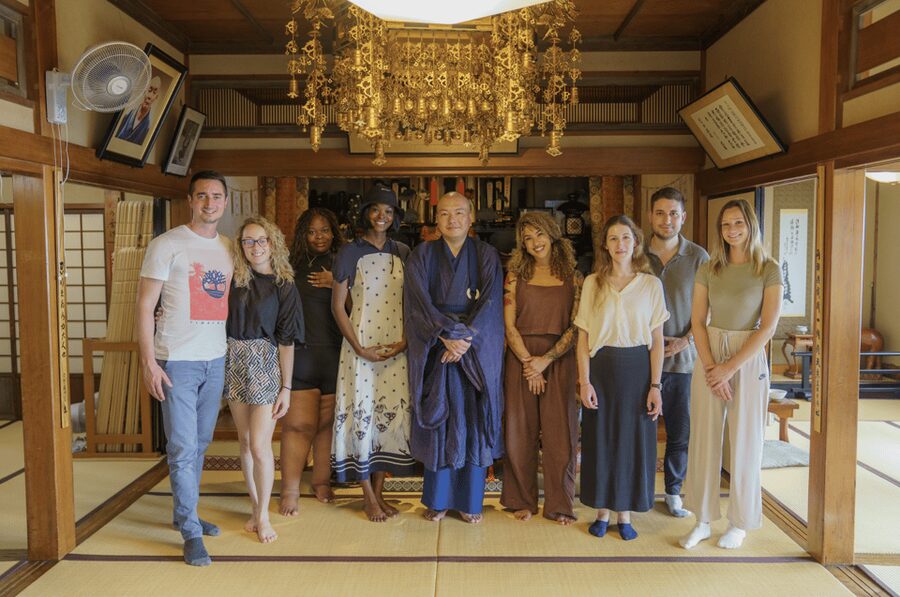
From this ordinary city meeting point, you move into a temple that feels much more private. The building is not open to the general public, so the visit has a sense of access that you will not get at Tokyo’s major sightseeing temples. This is not a grand monument visit with crowds moving through at your own pace. It is a small room, a monk, a guide, and a few people sitting together.
The temple’s history stretches back more than 400 years, and one review notes that the site has been home to three generations of monks. You are not being asked to study a long timeline or memorize Buddhist terms. Instead, the age of the place gives the meditation a useful setting. You can focus on the smell of the interior, the quiet, the tatami mats, and the change in pace from the streets outside.
Your guide gives a short introduction to Japanese culture and Zen before the monk begins. Guides who have led this experience include Tamami Shigenobu, Kazu, and Shota. Tamami is especially helpful if you need clear English translation, while the guide’s role also includes helping with questions, taking photographs, and explaining what is happening.
More private tours in Tokyo:
- Tokyo 6hr Private Tour with Government-Licensed Guide
★ 5.0 · 3,902 reviews - Private Tour to Mt. Fuji and Hakone (Fully Licenced Operator)
★ 5.0 · 1,910 reviews - Tokyo Customized Private Tour (Must See Places in 1 Day)
★ 5.0 · 1,499 reviews
Learning the basics of Zazen from Namiki-san
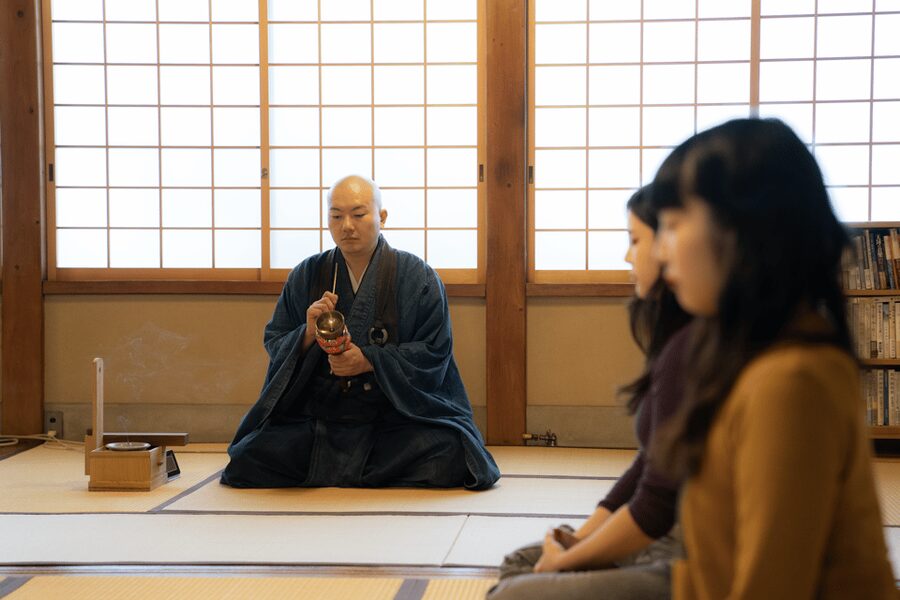
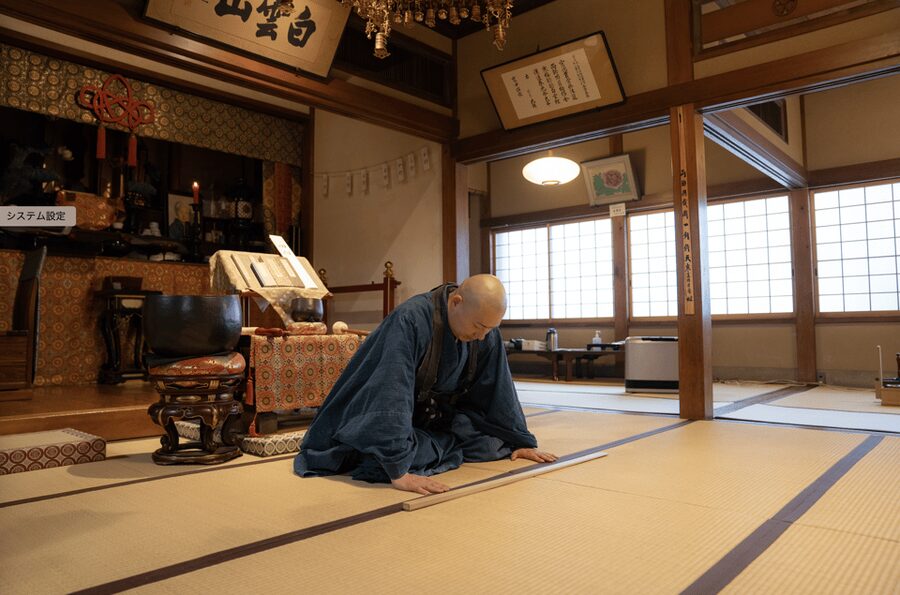
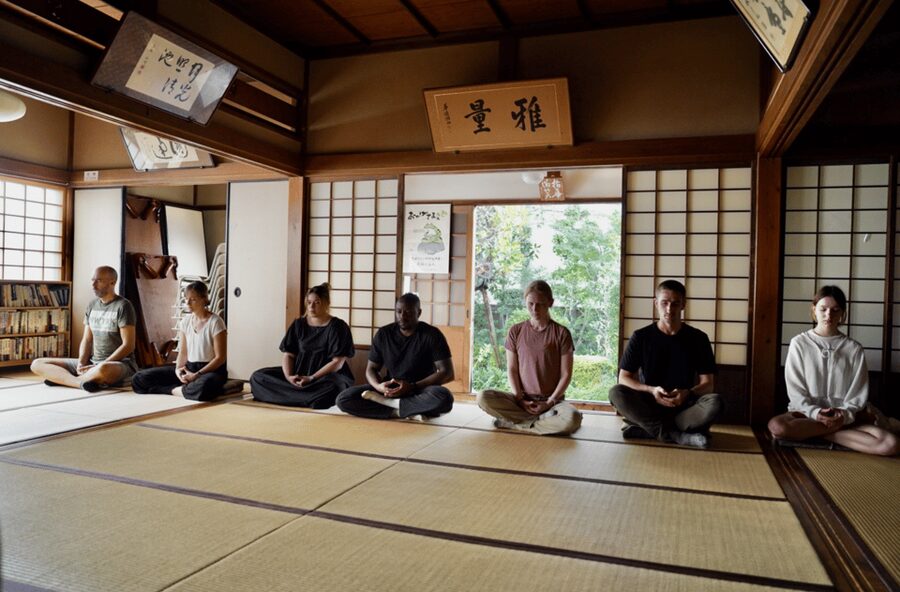
The main lesson centers on Zazen, or seated meditation. Namiki-san explains the basic principles and techniques before you try them yourself. The emphasis is not on forcing your mind to become empty. Instead, you are encouraged to sit, breathe rhythmically, notice your thoughts, and return your attention to the present.
That makes this a good introduction if meditation is new to you. You do not need to arrive knowing how to sit in a lotus position or understand Buddhist philosophy. The guide and monk offer enough direction to let you begin without feeling lost.
The posture can feel unfamiliar, especially if you are used to guided meditation in a chair or lying down. You sit on tatami mats in the temple, and the quiet may feel more intense than expected. That is part of the point, but it can also be the hardest part for anyone with knee, hip, or back problems. The activity information does not specify seating accommodations, so contact the provider in advance if this is a concern.
The meditation format appears to vary slightly by session. Several accounts describe two sessions of about 10 minutes each, while another describes roughly 25 minutes of silent sitting. You should therefore think of the meditation as a carefully guided introduction, not a long silent retreat.
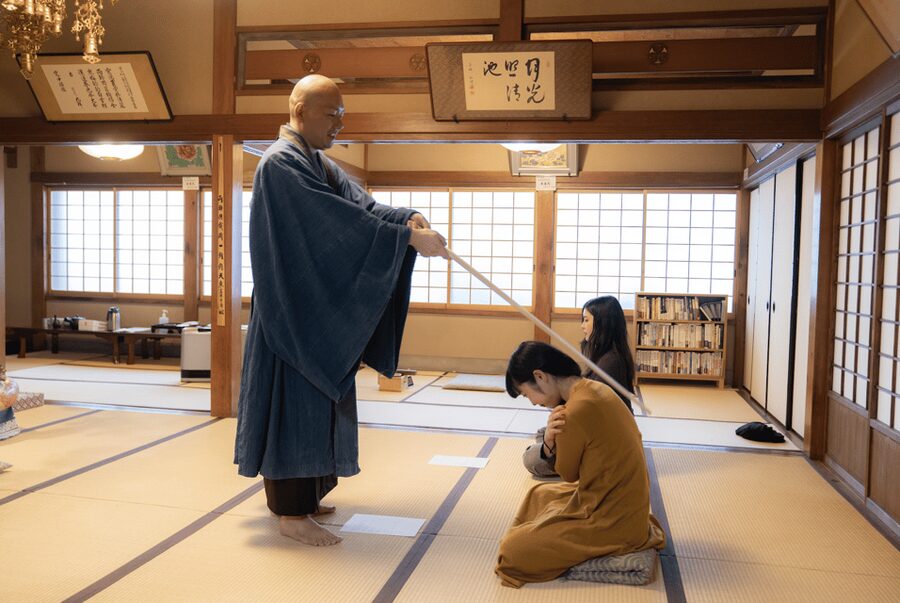
I see that as both a strength and a limitation. Beginners get a manageable amount of silence before the experience moves on. If you already meditate often, you may wish the sitting period were longer or the instruction more detailed. One useful tip from a participant is to ask Namiki-san about using the traditional meditation stick during the sitting. This is optional, so speak up if you want to learn more about it.
What the monk’s teaching adds
The value here is not just the act of closing your eyes in a quiet room. Namiki-san gives the practice a human and practical side. The conversation can touch on stress, daily habits, attention, anger, comparison, and the way you approach ordinary tasks.
One piece of advice shared during the sessions is to give full attention to small actions, even tying your shoes or peeling potatoes. Another is to keep your surroundings tidy and avoid measuring your life against other people. When anger appears, you are encouraged to look at its source and consider whether the reaction makes sense.
These ideas are simple, but that is useful. You do not need a long lecture filled with specialized vocabulary. You can take the teaching back into your day in Tokyo, perhaps while riding the subway, eating breakfast, or walking through Asakusa.
The guide matters here. Namiki-san’s comments may be translated from Japanese, and a good interpreter does more than repeat words. Tamami has been praised for translating clearly and helping the monk’s personality come through. Kazu and Shota have also led sessions. Since the exact guide may vary, expect English support but not necessarily one particular person.
The monk is described as warm, patient, and sometimes funny. That helps keep the experience from feeling too solemn. You can ask about Zen, the temple, Japanese life, or the monk’s own experience. The question period is one of the strongest parts for anyone who wants cultural context rather than a quick photo opportunity.
Calligraphy with chanting in the background
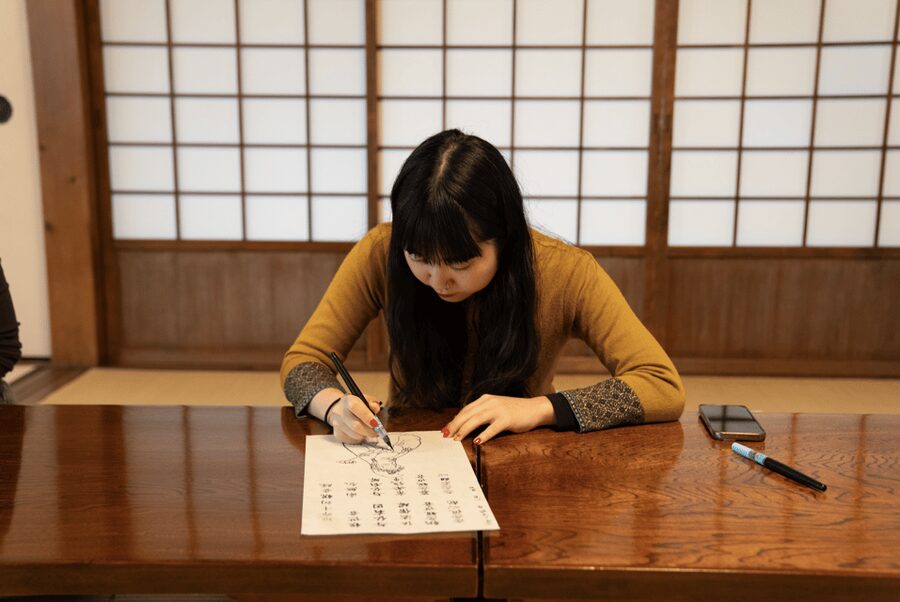
Calligraphy is an extra activity that adds a hands-on element. You use brush and ink to create a design or write part of a Buddhist text, sometimes while the monk chants. The activity gives your hands something to do after sitting still, but it also continues the theme of attention.
You should not expect a formal calligraphy class with a long technical lesson. It is better understood as a short cultural exercise. The result may not look perfect, but that is not the goal. You are trying to slow your movements and pay attention to each stroke.
Several people have found this part unexpectedly memorable. You can keep the piece you make, and one participant described displaying it at home as a reminder to continue meditating. That gives the experience a small souvenir with more meaning than a standard Tokyo purchase.
The chanting also changes the mood. You are not just copying characters in silence. The sound of the monk’s voice, the brush, and the temple room create a ritual setting that is difficult to reproduce in a museum workshop.
A completely different kind of day in Tokyo:
- Mt Fuji and Hakone 1-Day Bus Tour Return by Bullet Train
★ 5.0 · 26,383 reviews - 1-Day Tokyo Bus Tour
★ 5.0 · 14,250 reviews - Tokyo: teamLab Planets TOKYO Digital Art Museum Entry Ticket
★ 4.6 · 9,779 reviews - Mt Fuji & Hakone Cruise, Drum Show Bullet Train 1 Day from Tokyo
★ 4.0 · 7,413 reviews
Matcha, sweets, and time to ask real questions
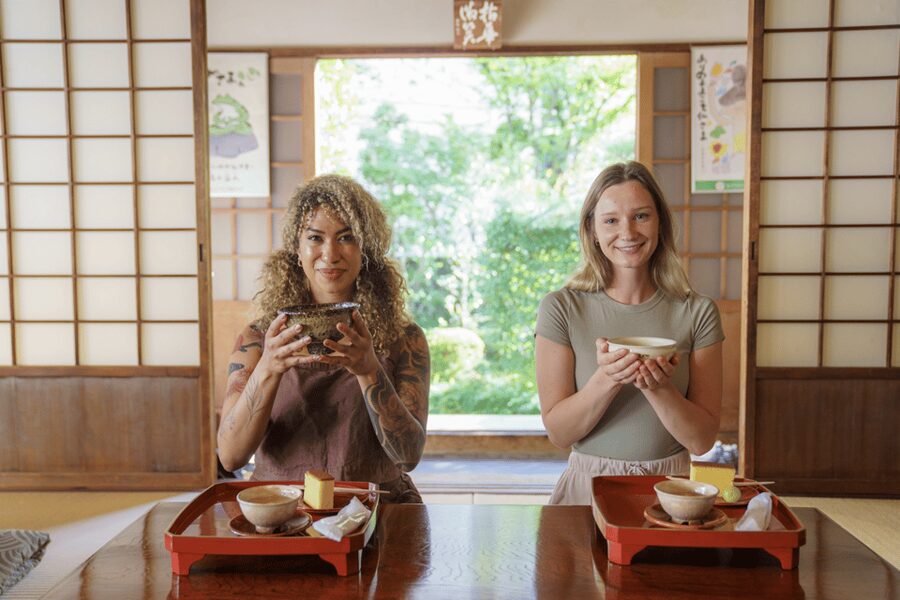
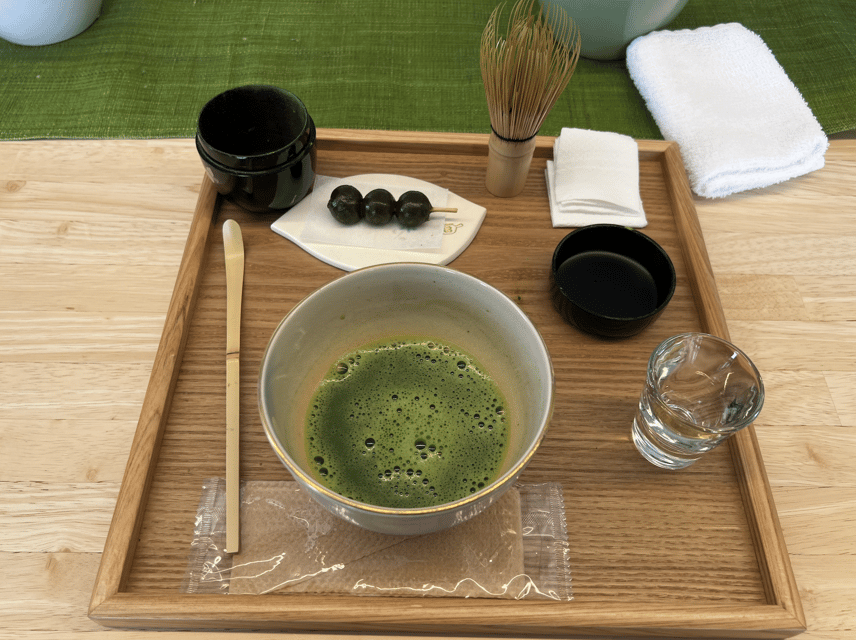
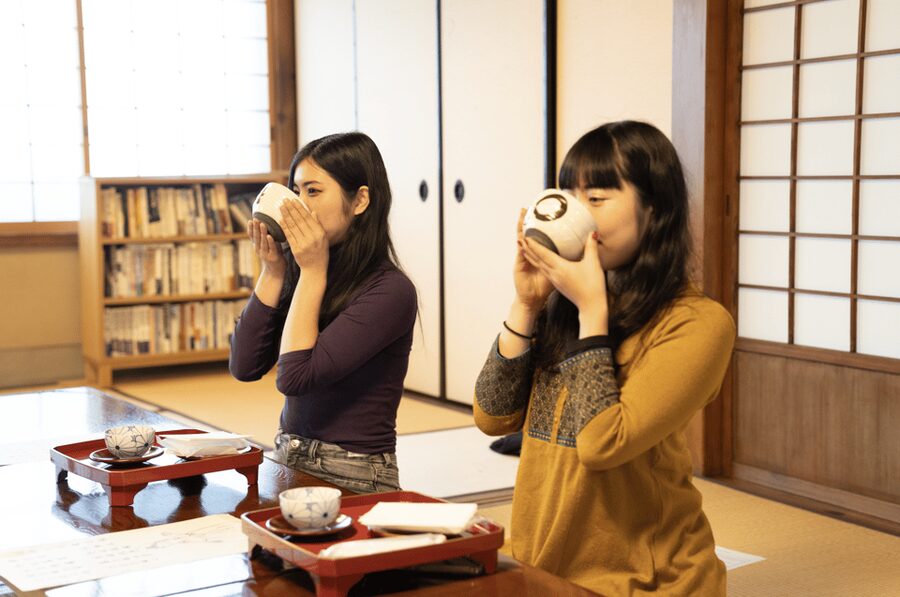
The final part usually brings everyone together for matcha tea and traditional sweets. The tea ceremony is brief, not a long formal performance, but it provides a calm ending after the meditation and calligraphy.
The sweets matter because matcha can be strong and bitter if you are not used to it. The combination gives you a gentle introduction to the custom without requiring you to understand every rule of a full tea ceremony.
This is also when the conversation opens up. You can ask Namiki-san about Zen practice, life in the temple, Japanese customs, or ideas raised during the meditation. The guide helps translate and keeps the discussion moving.
I like this ending because it allows you to process the experience instead of rushing straight back onto the street. It also makes the visit social. You are not left alone with an abstract lesson in meditation. You can compare impressions with the group, ask for clarification, and speak directly with the monk.
Photography is allowed, including photographs with the monk and inside the temple. The guide may take pictures for you, which is useful if you are traveling alone or want a group photo. Be respectful during the meditation and ask before photographing any particularly sacred object or moment.
How much value do you get for $55?
At $55 per person, this is not the cheapest cultural activity in Tokyo. You can visit many temples for free or for a small admission fee, and you can find matcha and calligraphy workshops at different prices.
The difference is access and structure. Here, the fee covers entry to a private temple, an English-speaking guide, monk-led instruction, meditation, calligraphy, matcha, sweets, and a question period. You are paying less for a performance and more for a guided conversation in a place you could not normally enter.
For me, the value is strongest if you want several connected activities in one short visit. The 90-minute length fits neatly into a Tokyo day, and you can continue to Senso-ji, Kappabashi, Ueno, or another Asakusa sight afterward. The activity also works well early in the day, when a quiet start can help you handle Tokyo’s crowds and constant noise.
The value is weaker if your only goal is extended meditation. Some sessions include two 10-minute periods, and the experience may feel too short for someone who already has a serious practice. In that case, look for a longer retreat or a dedicated meditation class.
The booking terms are practical. You can cancel up to 24 hours in advance for a full refund, and a reserve-now, pay-later option is available. Transportation is not included, so you make your own way to the meeting point.
Who will enjoy this experience most?
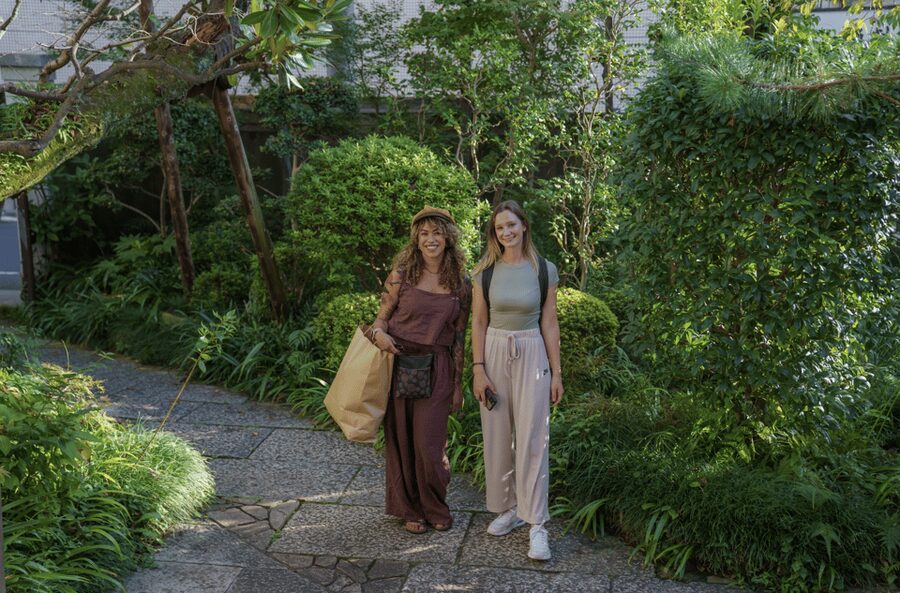
I would choose this for several types of visitors:
- First-time meditation students who want clear instruction without committing to a long retreat.
- Culture-focused visitors who want to speak with a local monk and learn about ordinary temple life.
- Couples and small groups looking for a quiet shared activity in Tokyo.
- Photographers and memory makers who want pictures inside a private temple, along with a calligraphy keepsake.
- Busy sightseers who want a 90-minute pause between major attractions.
- Experienced meditators who are curious about Japanese Zen but do not need a long sitting session.
It may not suit you if you want a completely silent, private meditation or a detailed academic lecture on Zen Buddhism. The guide and group format make it approachable, but they also mean the time is shared.
The activity is presented in English, with the guide translating the monk’s explanations. Download WhatsApp before the visit because the guide uses it to contact participants and make the meeting easier.
Practical advice for a smooth visit
Arrive early enough to find the correct Family Mart. The meeting point is only about two minutes from Tawaramachi Station, but the two branches can cause confusion if you rely on a quick glance at your map.
Wear clothing that lets you sit comfortably. The temple setting is traditional, and you may spend time seated on tatami. If kneeling or sitting on the floor is difficult, ask about your options before booking rather than assuming the session can be changed.
Keep your expectations flexible. The central promise is Zen meditation with a monk, but the visit may also include calligraphy, chanting, tea, sweets, and photographs. The balance among those elements can vary slightly, so treat the experience as a compact introduction to several connected traditions.
Most of all, ask questions. The conversation with Namiki-san is where the experience becomes more than a meditation demonstration. You can ask about the temple, Zen practice, Japanese life, or how to bring a little more attention into daily routines.
Should you book it?
Book this experience if you want a personal introduction to Zen in Tokyo, especially one that combines meditation with conversation, calligraphy, matcha, and a private temple setting. The warm monk, clear English translation, and small-group feel make it approachable for complete beginners.
Think twice if your main goal is a long meditation session. The sitting periods may be short, and the 90-minute schedule gives equal attention to cultural activities and discussion.
For most visitors, I see this as a worthwhile pause in an otherwise busy Tokyo itinerary. You leave with a better sense of Zazen, a brush-written keepsake, and the chance to ask a monk questions that a standard temple visit cannot answer.
FAQ
How long does the Zen meditation experience last?
The advertised duration is 90 minutes. The session includes meditation, instruction from the monk, calligraphy, matcha tea, and discussion.
Where is the meeting point?
Meet in front of the correct Family Mart in the Asakusa area, about two minutes from Tawaramachi Station on the Ginza Line. There are two Family Mart branches nearby, so check the meeting details carefully.
Is the experience offered in English?
Yes. The experience includes an English-speaking live guide who helps translate the monk’s explanations and supports the group throughout the visit.
What is included in the price?
The $55 price includes the Zen experience, guide, temple entry, the monk’s explanation, and matcha tea. Calligraphy, sweets, and the question session are also described as part of the experience.
Do I need meditation experience?
No. The monk explains the principles and techniques of Zazen before you practice. The experience is suitable for beginners, though people with prior meditation experience may find the sitting periods brief.
Can I cancel if my plans change?
Yes. You can cancel up to 24 hours in advance for a full refund. A reserve-now, pay-later option is also available.
Newly reviewed around Tokyo
- Tokyo Asakusa:Calligraphy & Make T-shirt Activity★ 5.0 · 62 reviews
- Intercity Shuttle, Tokyo to Haneda /Narita /Yokohama /Makuhari★ 5.0 · 5 reviews
- 1 Hour Travel around Tokyo with a Professional Photographer★ 5.0 · 3 reviews
- Travel Tokyo with Your Own Personal Photographer★ 5.0 · 43 reviews
- Train in Samurai Swordsmanship and Defeat the Demon in Tokyo★ 5.0 · 5 reviews
- Shuttle Van 6hr Tokyo Tour to-and-from Tokyo, Yokohama and Narita★ 5.0 · 9 reviews
- Kickboxing & Body Training with EX-Pro Fighter★ 5.0 · 4 reviews
- Tokyo History: Sensoji Temple & Asakusa District Private Tour★ 5.0 · 28 reviews
Private, compared.
Tokyo 6hr Private Tour with Government-Licensed Guide
Read our review →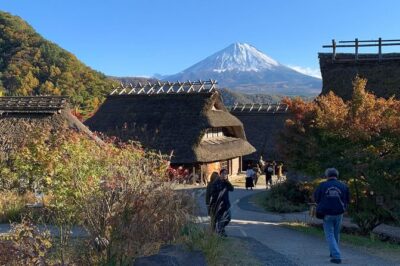
Private Tour to Mt. Fuji and Hakone (Fully Licenced Operator)
Read our review →
Tokyo Customized Private Tour (Must See Places in 1 Day)
Read our review →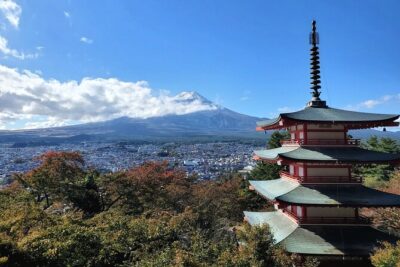
Mount Fuji Full-Day Private Tour from Tokyo (Customizable)
Read our review →
Private City Highlights Tour with Local Guide
Read our review →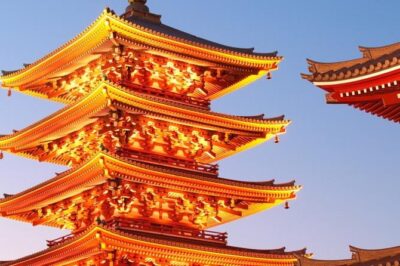
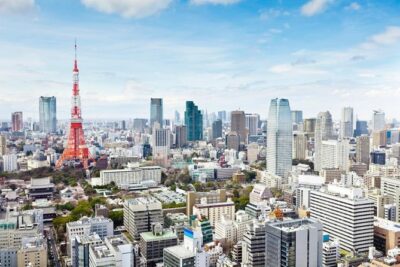
Tokyo 4hr Private Tour with Government-Licensed Guide
Read our review →