
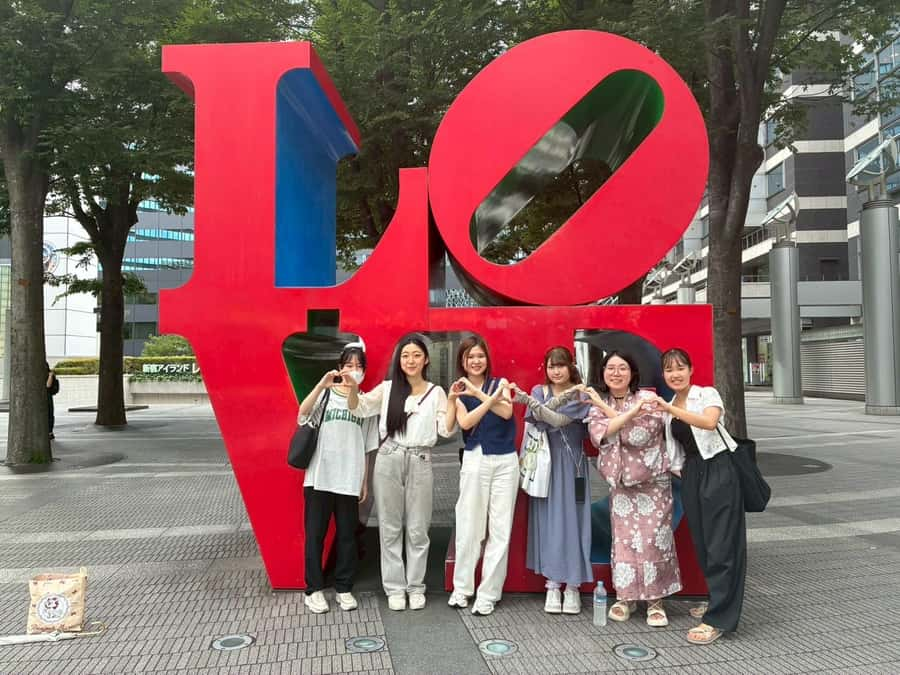
Reviewed · SHINJUKU TOURS
Tokyo: Shinjuku tour with university students in Tokyo
Shinjuku makes a fine first lesson in Tokyo’s contradictions. In one compact area, you get neon entertainment streets, quiet shrine grounds, old drinking alleys, office towers, and a free city view from the Tokyo Metropolitan Government Building. This two-hour evening walk helps you sort out the district without trying to conquer all of it at once.
I like the student guides, who can explain modern Tokyo from a young local’s point of view, not just repeat dates and names. I also like the route’s mix of Hanazono Shrine, Golden Gai, Kabukicho, and the observation deck. The main consideration is pace: two hours is enough for an introduction, but not enough for long meals, detailed museum visits, or a slow exploration of every side street.
Key points to know before you book
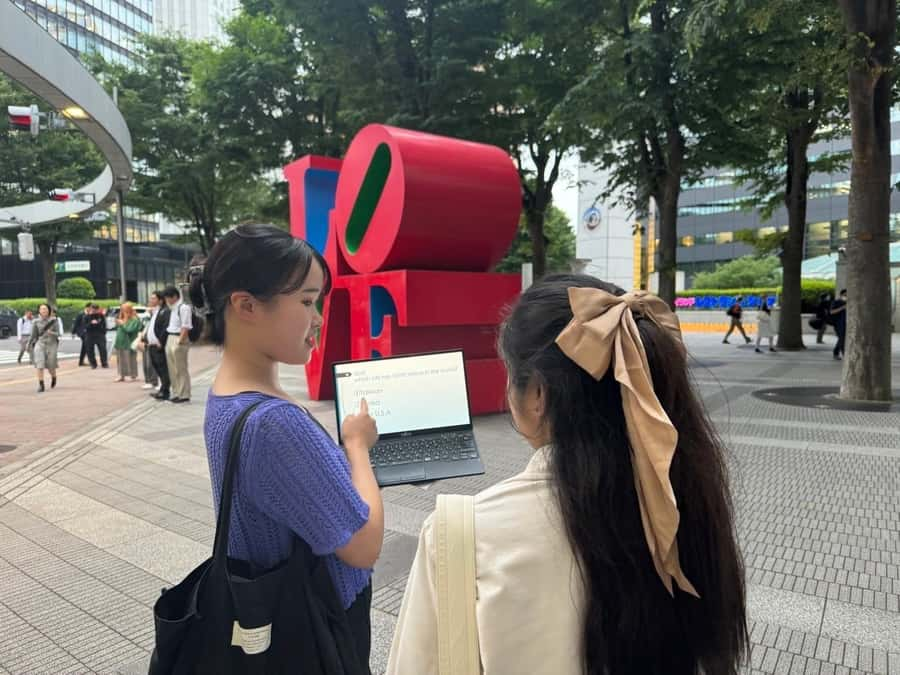
- Two hours in central Shinjuku: The route covers four distinct stops without asking you to commit a full evening.
- English-speaking university students: You can ask about everyday life in Tokyo, seasonal events, and growing up in Japan.
- A useful first-night orientation: Hanazono Shrine, Golden Gai, Kabukicho, and the government building show several sides of Shinjuku.
- Night views from the observation deck: The Tokyo Metropolitan Government Building adds a strong finish to the walk.
- Food is not included: Bring money if you want to eat or drink before, during, or after the tour.
- Simple booking terms: The cost is $67 per person, with payment available later and a full refund if you cancel at least 24 hours ahead.
Why this short Shinjuku walk works
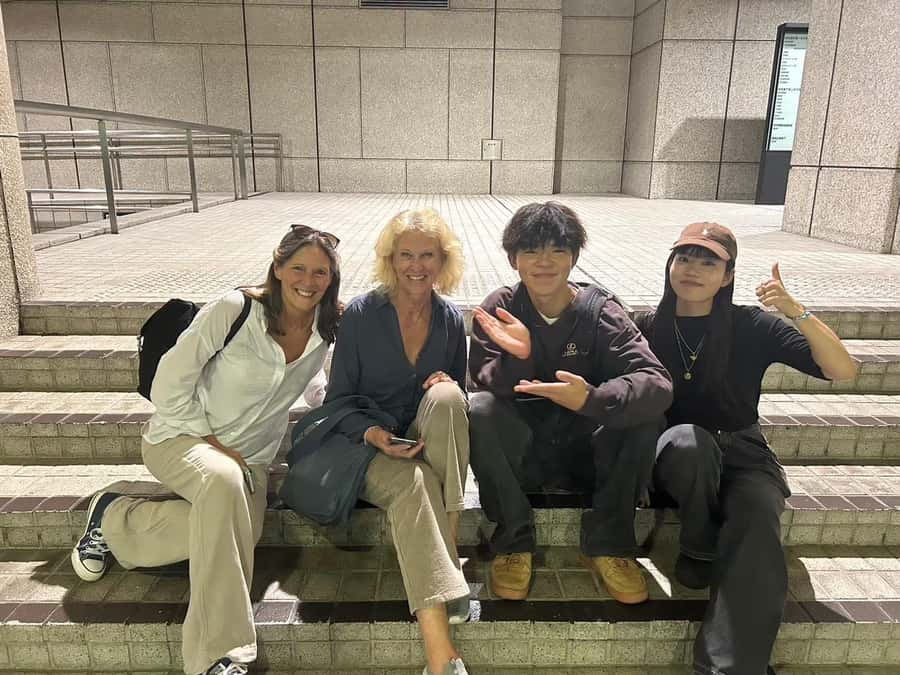
Shinjuku can feel like several cities pressed together. It is a major business center, a shopping district, an entertainment quarter, and a place where older religious and neighborhood traditions remain visible. A first-time visitor can easily walk past an important street or spend too long trying to decode the signs.
This tour gives you a human guide through that confusion. The university students speak English and lead you through the area at a planned time chosen for a more comfortable walk. That matters in Shinjuku, where crowds and bright signs can make even a short distance feel like work.
I especially like the chance to ask ordinary questions. You can learn about seasonal events, local customs, and what it is like to grow up in Tokyo. Those details can make the district feel less like a collection of famous names and more like a place where people study, work, meet friends, and go out at night.
The route also avoids a common weakness of city tours: focusing only on the most modern sights. You will see entertainment streets and office towers, but you will also begin at a shrine with a long connection to the neighborhood. That contrast is the heart of Shinjuku.
More things to do in Shinjuku:
- Tokyo: Shinjuku Food Tour (13 Dishes at 4 Local Eateries)
★ 5.0 · 6,603 reviews - Tokyo Bar Hopping Tour in Shinjuku (All-You-Can-Drink + Dinner)
★ 5.0 · 3,587 reviews - Tokyo: Shinjuku Food Tour (15 Dishes and 4 Eateries)
★ 4.9 · 2,033 reviews
Starting at Hanazono Shrine
The meeting point is the entrance to 花園神社, or Hanazono Shrine. This is a smart starting place because it gives you a quieter opening before the walk moves into the louder entertainment districts.
A shrine visit also helps you understand that Shinjuku is not only a commercial center. The gates, grounds, and traditional setting offer a pause from the surrounding streets. Your guides can explain what you are seeing and answer questions about shrine customs. If you have never visited a Japanese shrine at night, this first stop gives the evening a different mood from the neon streets that follow.
The tour does not promise a long religious or historical lecture, and that is probably a good fit for a two-hour walk. You get an introduction, a chance to look around, and context from local students before moving on.
Plan to arrive at the entrance rather than simply heading toward the general Shinjuku area. The meeting point is specific, but Shinjuku has many exits, large buildings, and crowded streets. Giving yourself extra time to find Hanazono Shrine will make the start calmer.
Golden Gai, where tiny streets tell a bigger story
From Hanazono Shrine, the route continues to Golden Gai. This area is known for its tightly packed lanes and very small bars. Even if you do not stop for a drink, walking through it helps explain why Shinjuku is famous for nightlife.
Golden Gai is best approached with curiosity rather than a checklist. The attraction is the setting itself: narrow passages, compact businesses, and a feeling that the district has not been planned like a modern shopping mall. Your guides can help you understand how this part of Shinjuku fits into the wider entertainment scene.
You should not expect a full bar-hopping evening as part of the tour. Food and drinks are not included, and the two-hour schedule covers several stops. If a particular bar catches your eye, note it for another evening, then ask your guide what kind of place it is and what you should know before returning.
This is one place where the student guides add real value. A guide who speaks English can explain the difference between simply looking at the lanes and actually choosing a place to enter. You get local context without having to guess how the area works.
Kabukicho after dark
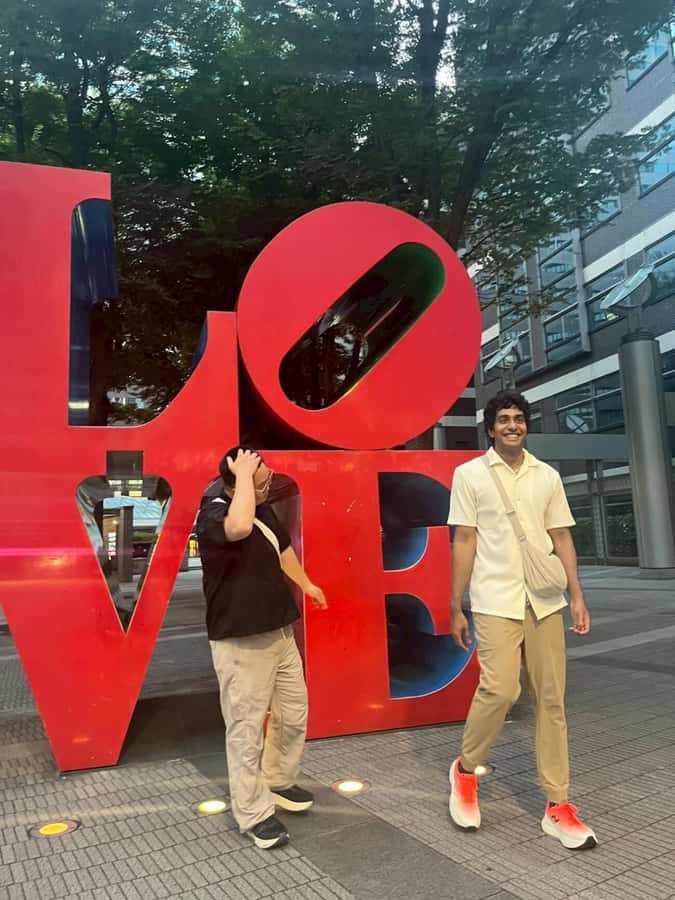
Kabukicho brings the tour into Shinjuku’s best-known entertainment zone. The streets here are filled with restaurants, shops, signs, and nightlife businesses. This is the part of the walk that most closely matches the usual image of Shinjuku as complicated and energetic.
The tour is not only about taking photos of bright signs. Your guides can point out the character of the area and help you understand how it connects to the rest of Shinjuku. Since you are walking with local university students, you can also ask about the way younger people view the district.
Kabukicho requires some street awareness. Stay with the group and listen to your guides, especially if you are unfamiliar with Tokyo nightlife areas. The tour gives you a controlled introduction rather than leaving you to work out the district on your own.
I like the balance here. You see the entertainment center, but you are not asked to spend money at a club or restaurant to make the stop worthwhile. You can observe the streets, ask questions, and decide later if you want to return for dinner or a longer evening.
A completely different kind of day in Tokyo:
- Mt Fuji and Hakone 1-Day Bus Tour Return by Bullet Train
★ 5.0 · 26,383 reviews - 1-Day Tokyo Bus Tour
★ 5.0 · 14,250 reviews - Tokyo: teamLab Planets TOKYO Digital Art Museum Entry Ticket
★ 4.6 · 9,779 reviews - Mt Fuji & Hakone Cruise, Drum Show Bullet Train 1 Day from Tokyo
★ 4.0 · 7,413 reviews
The Tokyo Metropolitan Government Building observation deck
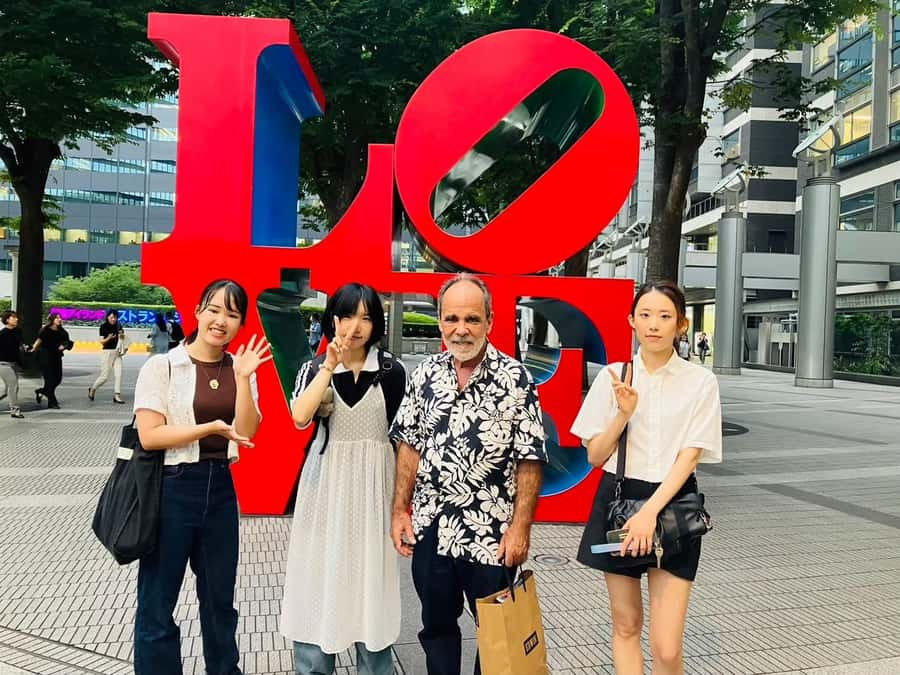
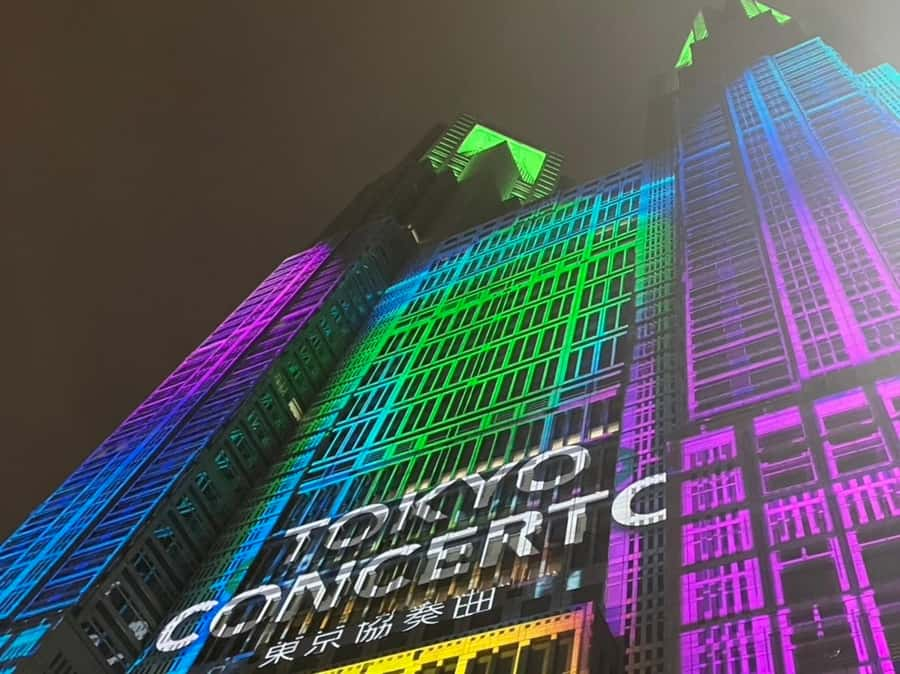
The final major stop is the Tokyo Metropolitan Government Building. Its observation deck provides a wide night view over Tokyo and offers a change of scale after the close streets of Golden Gai and Kabukicho.
This is a strong ending because it lets you look back at Shinjuku as part of a much larger city. Down below, the narrow lanes and bright signs feel dense and busy. From above, the city becomes a broad spread of lights and buildings. The shift gives the evening a clear shape.
The information provided for this experience does not specify whether the observation deck visit includes a particular amount of time or whether access can ever be affected by conditions. You should think of it as an important planned stop, not a guarantee that you can linger as long as you like.
For many people, the view will be the most memorable photo opportunity of the walk. Still, its value is not only visual. After seeing Shinjuku at street level, you have a better sense of how the district fits into Tokyo’s huge urban center.
What the student guides add
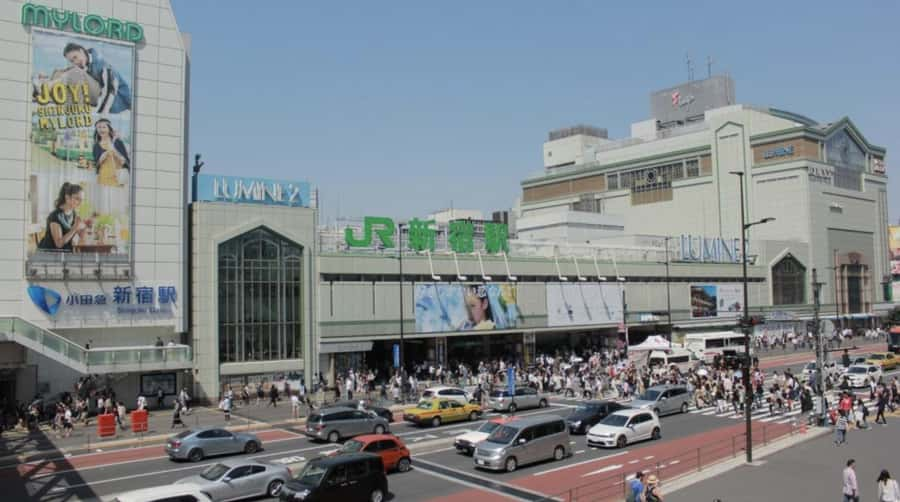
The guides are English-speaking university students, and that is the defining feature of this experience. You are not getting a formal lecture from a distant expert. You are walking with young locals who can talk about present-day Tokyo in a personal and direct way.
Two guides lead the experience, and the feedback describes them as young women who were kind, informative, easy-going, and fun to talk with. That points to a relaxed style rather than a stiff, scripted presentation. You can expect conversation to be part of the value.
The guides can provide information about seasonal events and monthly happenings in Shinjuku. This is useful because city neighborhoods change with the calendar. A visitor who knows what is happening during the current season may get more from the rest of a Tokyo stay.
You can also ask about growing up in Tokyo. That sort of conversation is often more useful than another list of dates. It gives you a way to connect the shrine, nightlife streets, and office district to real life.
The tradeoff is that a student-led tour may have a less formal approach than a specialist historical tour. If you want detailed architectural analysis or a long lecture on every site, this may not be the right format. If you want friendly conversation and a practical introduction, it fits much better.
How much value do you get for $67?
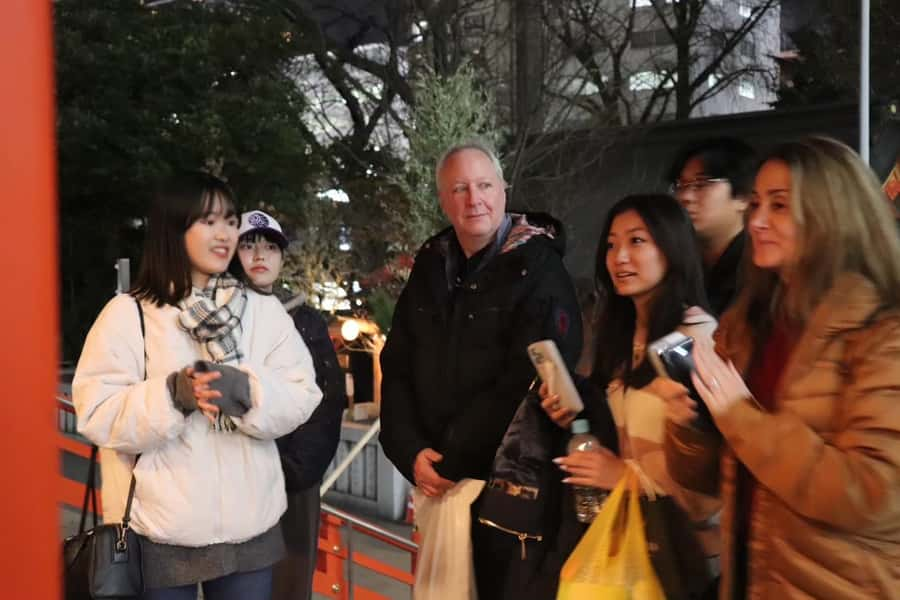
At $67 per person, this is not the cheapest way to walk around Shinjuku. You can visit the streets on your own, and the observation deck is a public attraction rather than a private venue. The question is what you are paying for.
The price covers the university student guides and the structure of the evening. You are paying for a planned route, English conversation, local interpretation, and help understanding places that can seem confusing on a first visit.
I see the value most clearly if this is your first time in Shinjuku or your first night in Tokyo. You do not have to spend the evening figuring out which streets connect, what Golden Gai is about, or how the entertainment areas relate to the quieter shrine district. The tour gives you an orientation you can use later.
The value is weaker if you already know Shinjuku well, prefer to explore without a guide, or mainly want a long restaurant meal. Food and drinks are extra, and the tour does not include a full nightlife experience.
It also suits solo visitors and couples who want company without joining a large, formal sightseeing operation. The available information does not state the group size, so do not book expecting a private tour unless that is confirmed separately.
Planning your two hours in Shinjuku
The walk begins at Hanazono Shrine and ends back at the meeting point. That return arrangement is useful because you do not need to figure out a new location at the end of the evening.
Wear comfortable shoes. The route includes several neighborhood areas and is designed as a walking tour, not a seated talk. Shinjuku is crowded, so keep your belongings close and stay aware when crossing streets or moving through busy lanes.
Food and drinks are not included. You can eat before the tour, bring spending money for later, or ask your guides for suggestions during the walk. The route passes through areas known for restaurants and nightlife, but the experience itself is focused on sightseeing and conversation.
The tour is conducted in English. If you want to ask about seasonal events, Japanese customs, Tokyo school life, or the meaning of a particular place, prepare a few questions in advance. The student-led format is at its best when you take part in the conversation.
The booking terms are flexible. You can reserve and pay later, and cancellation at least 24 hours ahead qualifies for a full refund. Those terms help if your Tokyo schedule is still changing.
Who should book this Shinjuku experience?
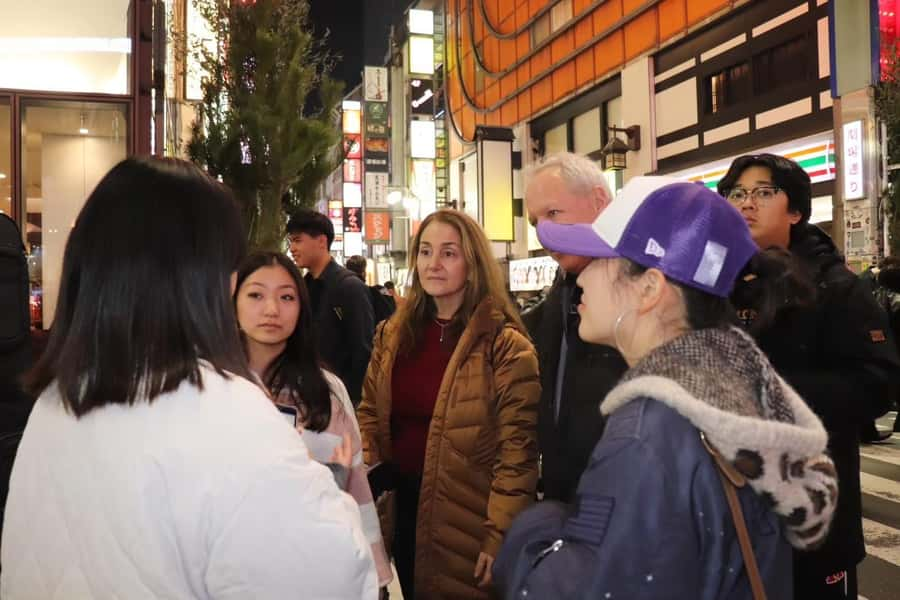
I would choose this tour for a first visit to Tokyo, especially if you want a gentle introduction to Shinjuku after dark. It gives you four useful reference points: a shrine, a nightlife alley, an entertainment district, and a high city view.
It is also a good match if you value personal contact. The chance to talk with university students about Tokyo life is more distinctive than simply following a guidebook route. Families with older children, solo visitors, and couples may all find that style appealing.
You may want something else if you are looking for a food tour, a late-night bar crawl, or a detailed history program. You will not receive food or drinks as part of the $67 price, and two hours leaves limited time at each stop.
The strongest reason to book is not any single sight. It is the combination. Shinjuku can feel scattered and hard to read, while this route gives you a clear evening story, from shrine grounds to narrow lanes, nightlife streets, and city lights.
Should you book the two-hour Shinjuku walk?
Book it if you want a friendly, English-language introduction led by young Tokyo locals. The tour is especially useful early in your stay, when you want to understand Shinjuku before returning on your own for meals, shopping, or nightlife.
The student guides, seasonal information, and night view give the experience a personal touch. At $67, the cost makes sense when you value local conversation and a planned route more than independent wandering.
Skip it if you already know Shinjuku, want a longer food-focused outing, or prefer to set your own pace. For everyone else, this is a well-shaped first look at one of Tokyo’s most complicated districts.
FAQ
How long does the Shinjuku tour last?
The tour lasts two hours.
Where does the tour begin?
It begins at the entrance to Hanazono Shrine, written as 花園神社 in Japanese.
Where does the tour end?
The tour ends back at the meeting point.
Which sights are included?
The route includes Hanazono Shrine, Golden Gai, Kabukicho, and the Tokyo Metropolitan Government Building observation deck.
What language is the tour conducted in?
The tour is conducted in English.
Are food and drinks included?
No. Food and drinks during the tour are not included.
How much does the tour cost?
The listed price is $67 per person. You can reserve and pay later, and cancel at least 24 hours in advance for a full refund.
Newly reviewed around Tokyo
- Tokyo Asakusa:Calligraphy & Make T-shirt Activity★ 5.0 · 62 reviews
- Intercity Shuttle, Tokyo to Haneda /Narita /Yokohama /Makuhari★ 5.0 · 5 reviews
- 1 Hour Travel around Tokyo with a Professional Photographer★ 5.0 · 3 reviews
- Travel Tokyo with Your Own Personal Photographer★ 5.0 · 43 reviews
- Kickboxing & Body Training with EX-Pro Fighter★ 5.0 · 4 reviews
- Train in Samurai Swordsmanship and Defeat the Demon in Tokyo★ 5.0 · 5 reviews
- Shuttle Van 6hr Tokyo Tour to-and-from Tokyo, Yokohama and Narita★ 5.0 · 9 reviews
- Traditional Japanese Knife Sharpening Class★ 5.0 · 18 reviews
Shinjuku Tours, compared.
Shinjuku Food Tour (13 Dishes at 4 Local Eateries)
Read our review →
Tokyo Bar Hopping Tour in Shinjuku (All-You-Can-Drink + Dinner)
Read our review →
Shinjuku Food Tour (15 Dishes and 4 Eateries)
Read our review →
Best of Shinjuku: Izakaya Food Tour (4 Stops, 14+ Tastings)
Read our review →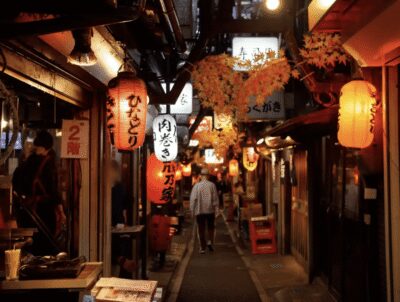
Shinjuku Local Bar and Izakaya Guided Walking Tour
Read our review →
Tokyo Shinjuku Sumo Show & Experience with Photo
Read our review →
Tokyo Night Foodie Tour in Shinjuku – Seasonal Sushi, Wagyu Beef
Read our review →Browse the lists this tour appears in