
Reviewed · TOKYO FOOD TOURS
Tokyo: Best of Shibuya Food Tour
Shibuya is more than the famous crossing. This three-hour food walk takes you into narrow lanes, small restaurants, an izakaya, a ramen stop, and a department-store food hall where the tour ends with dessert. The food gives you a useful way to understand the neighborhood, one bite and one backstreet at a time.
I like the five-stop format, which gives you more range than a single restaurant meal. I also like the personal touch from guides such as Alex, Jane, Maya, Saika, and Kumie, who have helped explain food customs, local habits, and practical places to eat later in your trip.
The main drawback is physical rather than culinary: you may walk and stand for most of the three hours, and the exact restaurants can change. At $170 per person, this is not a cheap meal, so the value depends on how much you want guidance, cultural context, and access to places you might not find on your own.
Key points at a glance
- Five food stops: Expect a broad tasting route rather than one long restaurant sitting.
- Shibuya beyond Scramble Crossing: Small lanes, compact eateries, department-store food floors, and everyday dining areas add useful context.
- Food can include sushi, izakaya dishes, okonomiyaki, ramen, and dessert: The precise selection may vary by departure.
- Two drinks are included: Extra food and drinks cost more.
- Small groups of up to 10: This is easier to manage than a large coach-style food outing.
- A strict meeting rule: Meet at the Hachiko wall mural, not the statue, and arrive early because the guide waits only five minutes.
Why this Shibuya food walk works
Shibuya can feel like a wall of signs, crowds, music, and giant screens. That is fun for an hour, but it tells you little about how people eat in the area. This tour shifts your attention from the famous intersection to the places tucked upstairs, underground, or along narrow side streets.
I like that the food is used as a route into Japanese life. You are not simply handed a dish and given its name. Your guide may explain how a meal fits into everyday dining, why certain restaurants are compact, or how regional dishes differ from one another.
The setting matters. A small restaurant with a short menu can tell you more about local habits than a polished international dining room. The tour also gives you a chance to ask questions in English while someone else handles the ordering and navigation.
The group limit is 10 people. That is small enough for questions and conversation, though the experience will feel more personal if your departure has only a few participants. One couple ended up with a private outing, while family groups have also enjoyed the format.
More things to do in Shibuya:
- Official Street Go-Kart in Shibuya
★ 5.0 · 3,435 reviews - Tokyo: Street Kart Experience in Shibuya
★ 4.9 · 1,484 reviews - Shibuya Meltdown Nightlife Tour: All-You-Can-Drink Bar Hopping
★ 5.0 · 1,058 reviews
The five-stop route, from sushi to dessert
The advertised experience promises five food stops, two drinks, and dessert. The exact route is not fixed in the information provided, so you should treat individual dishes as likely examples rather than guaranteed items.
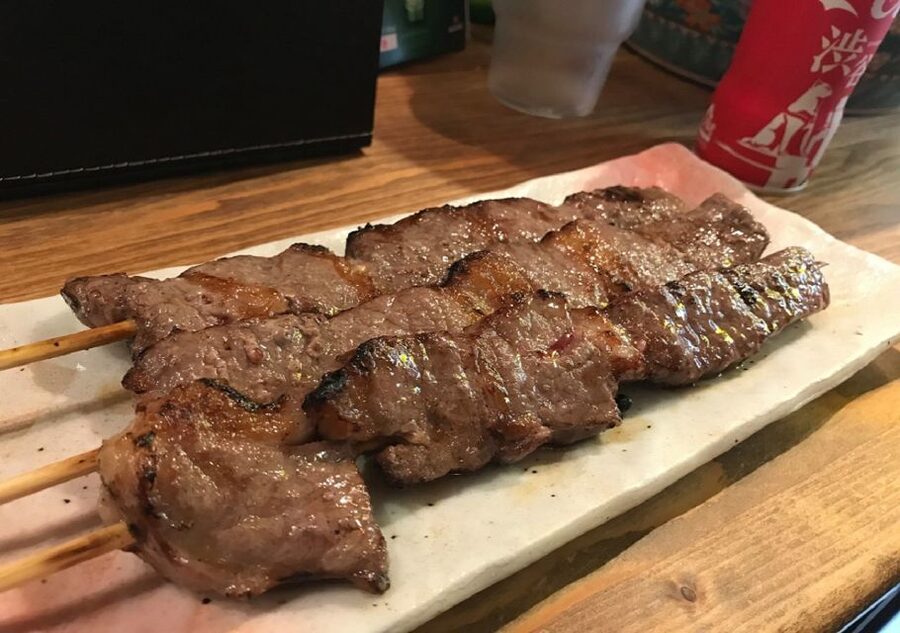
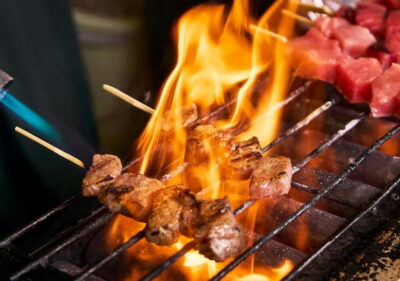
A route described by one participant included a standing sushi restaurant, an izakaya, an okonomiyaki restaurant, a ramen place, and a local dessert stop. Another departure included sushi, okonomiyaki, Kobe beef, takoyaki, and dessert. That variety is the point: you get a series of smaller food experiences instead of one large plate.
Stop one: sushi or another early taste
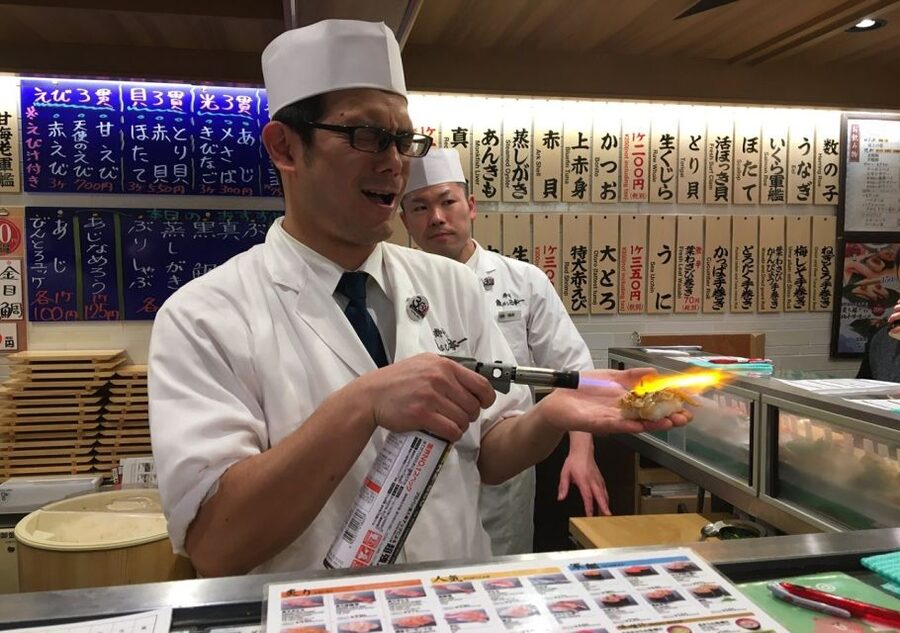
Sushi may come early, when your appetite is still strong. A standing restaurant can feel very different from a formal sushi counter. You may eat quickly, watch the staff work close by, and get a feel for the efficient rhythm of Japanese city dining.
This is also a useful first stop because it gives your guide a chance to explain ordering, ingredients, and restaurant manners. If you are new to Japan, having someone nearby can remove the worry of pointing at an unfamiliar menu.
The limitation is that a short food tour cannot promise a particular grade or style of sushi. If you are seeking a long, specialist sushi meal, book that separately. Here, sushi is one part of a wider tasting route.
Stop two: izakaya-style food
An izakaya is a Japanese drinking-and-dining place where people share several dishes. It is a good fit for a food walk because you can sample different flavors without committing to one main course.
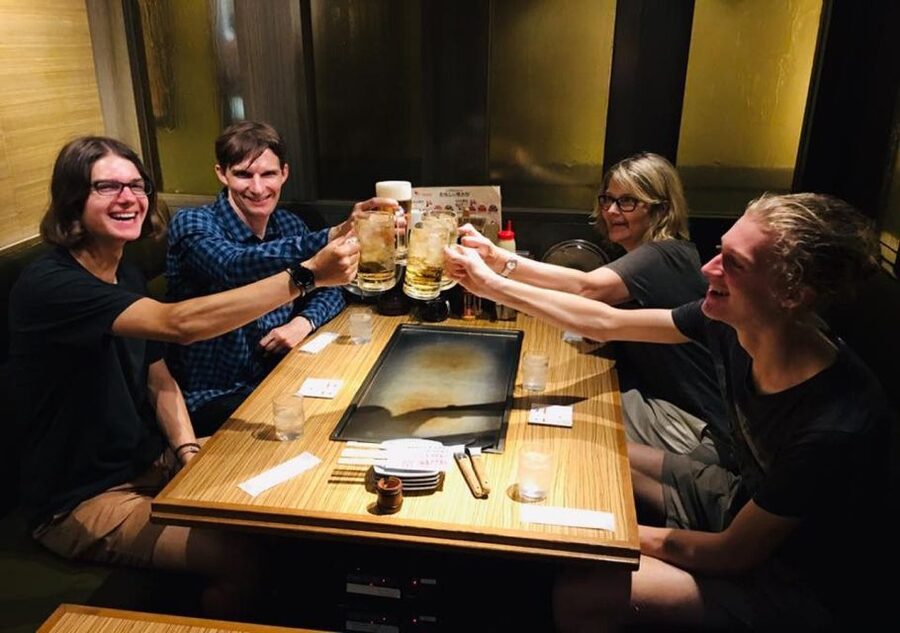
The included drinks make more sense here. You receive two drinks during the experience, though the supplied details do not specify exactly what they will be. Extra drinks are available at your own cost, but check with the guide before ordering so you understand what is included.
I particularly like this stop for first-time visitors because it shows a side of dining that is easy to miss when you only visit major attractions. The food may be familiar in name, yet the setting and shared style help you understand how the meal works.
More Tokyo food tours:
- Tokyo: Shinjuku Food Tour (13 Dishes at 4 Local Eateries)
★ 5.0 · 6,603 reviews - Tokyo: Shinjuku Food Tour (15 Dishes and 4 Eateries)
★ 4.9 · 2,033 reviews - Best of Shinjuku: Izakaya Food Tour (4 Stops, 14+ Tastings)
★ 5.0 · 1,863 reviews - Tokyo Night Foodie Tour in Shinjuku – Seasonal Sushi, Wagyu Beef
★ 5.0 · 1,161 reviews
Stop three: okonomiyaki
Okonomiyaki is often described as a Japanese savory pancake, but that plain label does not capture its regional variations. A stop specializing in the dish can introduce you to different local approaches, toppings, and cooking styles.
One route included regional versions of okonomiyaki, and the dish received especially strong praise from several people. It is also a welcome change in texture after sushi and small izakaya plates.
This stop can be lively and hands-on, depending on the restaurant. You may need to watch the cooking area closely and follow the guide’s instructions. As with the other restaurants, seating arrangements can vary, so do not expect a leisurely table for the entire group.
Stop four: ramen or another hearty dish
Ramen gives the tour a warm, filling middle or late course. A compact ramen shop offers a look at quick city dining, where the food arrives promptly and the room may have limited space.
This is one reason you should arrive hungry. Several portions over three hours can add up, especially if the restaurants serve more than sample sizes. One person specifically wished for half portions because the food became filling before the end.
You can ask the guide early in the tour how much food remains. That helps you pace yourself. Do not skip the first dishes simply to save room, but avoid treating each stop like a full meal if you want to enjoy dessert.
Stop five: dessert in a Shibuya depachika
The final stop takes you to a depachika, the food hall found in the basement of a Japanese department store. This is a strong ending because it shifts the tour from small restaurants to polished food retail, gift boxes, prepared dishes, sweets, and seasonal displays.
You are promised dessert, and the food hall gives your guide plenty to explain. You may see items designed for gifts, special occasions, or home dining rather than ordinary restaurant service.
I like this ending for practical reasons. It can help you choose edible souvenirs, and it gives you a place to return later when you want a snack or a present. The exact department store and dessert selection are not specified, so expect the guide to choose according to the day and route.
What the guides add to the meal
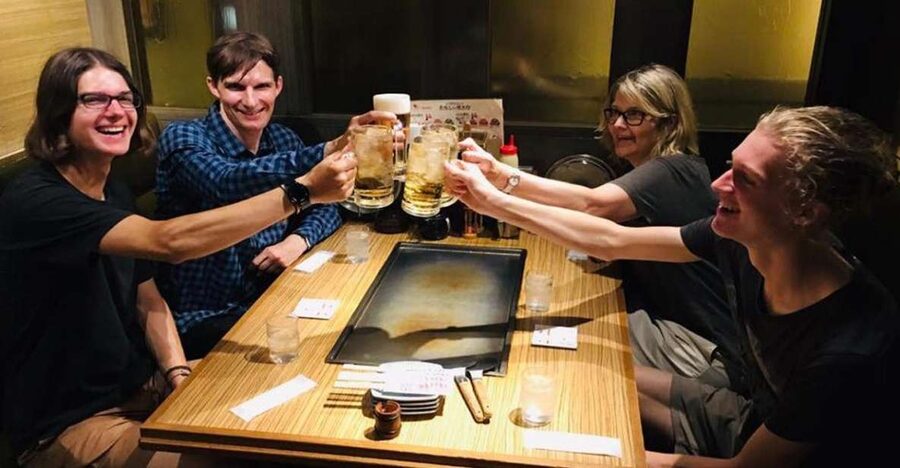
The food is only half the reason to book. The guide provides the bridge between a dish and the culture around it.
Guides associated with this experience include Alex, Jane, Maya, Saika, Shion, Kumie, Michie, Ryan, and others. You cannot assume you will receive a particular guide unless the operator confirms it, but the feedback consistently points to warm personalities, clear English, and useful local advice.
Alex has been singled out for being fun, informative, and generous with recommendations. Jane has led small independent restaurant visits, while Maya has been praised for choosing strong food stops and adding history and local facts. Saika has also been described as attentive, good-humored, and helpful with photographs.
That matters because Shibuya is not always easy to read. The station area has many exits, dense foot traffic, and restaurants that may be hard to identify from the street. A good guide keeps the group moving and makes the area feel less chaotic.
The guide may also take photographs during the walk. This has been a welcome extra on some departures, but it should not be treated as a formal photo service. Bring your own phone or camera if you want specific shots.
How much food do you really get?
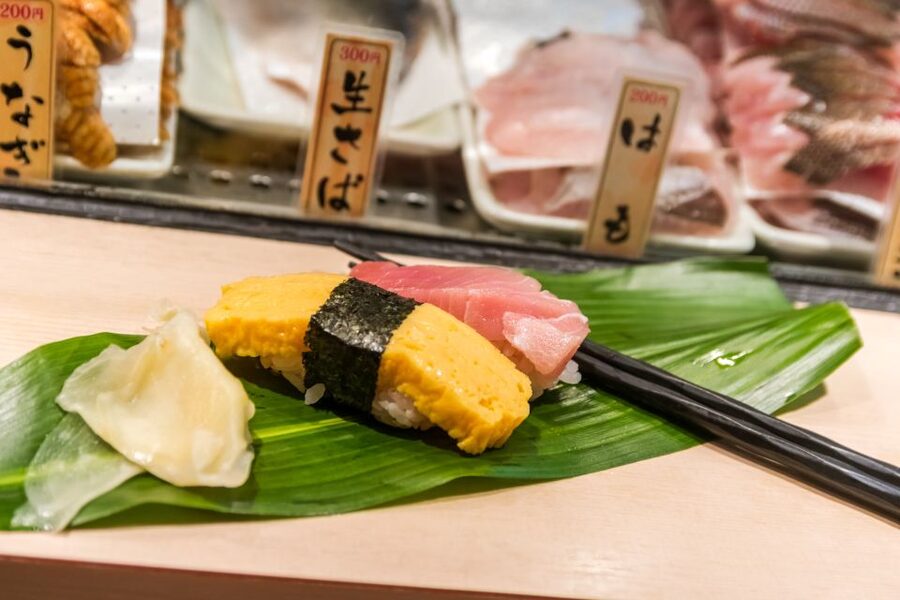
The tour includes a variety of dishes at several stops, two drinks, and dessert. You should plan it as a substantial food experience rather than a light snack walk.
The range is the best part. Sushi, okonomiyaki, ramen, izakaya food, takoyaki, regional dishes, and sweets offer very different textures and flavors. You also avoid the common problem of spending an entire evening at one restaurant that may or may not suit your taste.
The amount can be a challenge. Portions have been described as generous, and one family was advised to come hungry. If you are a small eater, ask your guide about pacing and consider sharing where appropriate.
Dietary needs should be discussed before booking or as early as possible. One group received thoughtful adjustments for food restrictions, but the supplied information does not promise that every request can be met. Do not assume every stop can substitute ingredients.
Price and value at $170 per person
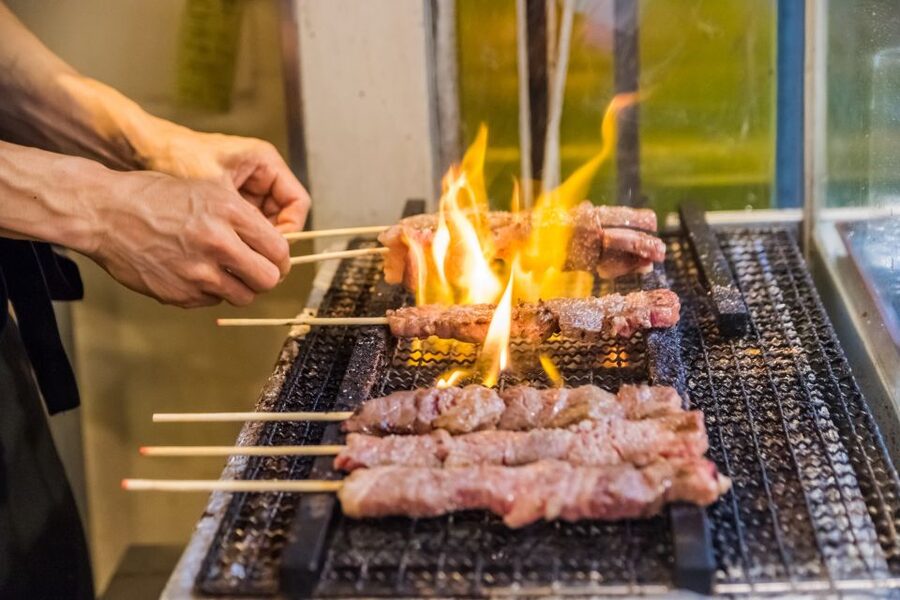
At $170, this is a premium food walk. You are paying more than the cost of buying individual dishes in Shibuya, even with two drinks included.
The question is what else you receive. The fee covers food at five stops, dessert, two drinks, an English-speaking guide, route planning, translation help, and access to restaurants you might not locate by chance. It also saves you from guessing how to order in several unfamiliar places.
I would call it good value for a first day in Tokyo if you want help getting oriented and plan to use the guide’s recommendations afterward. It is less attractive if your main goal is simply to eat as much as possible for the lowest price.
The tour can also function as a neighborhood introduction. You may leave with ideas for later meals, useful food vocabulary, and a better sense of how Shibuya’s small restaurants fit alongside its department stores and major attractions.
Walking, standing, and family comfort
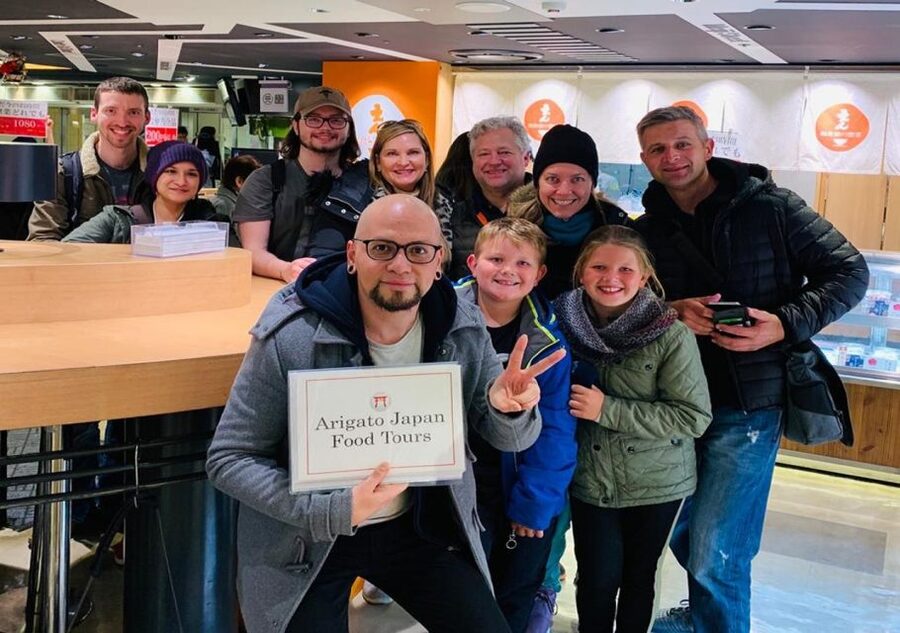
Wear comfortable shoes. The tour moves through backstreets and between food stops, and some restaurants may involve standing rather than sitting.
This point matters for children, older family members, and anyone tired from a full day in Tokyo. Families with children as young as six have enjoyed the experience, and guides have adjusted timing and indoor breaks when needed. Still, three hours of walking, eating, and standing can be demanding.
You should also avoid scheduling this immediately after a large lunch. A moderate meal earlier in the day is wiser. The route is designed for eating, and you will enjoy it more if you have room for the later stops.
The group size of up to 10 is manageable, but the physical layout of some venues may feel tight. Shibuya restaurants are often small by international standards, so expect a close, active evening rather than a spacious private dining room.
Meeting at the Hachiko wall mural
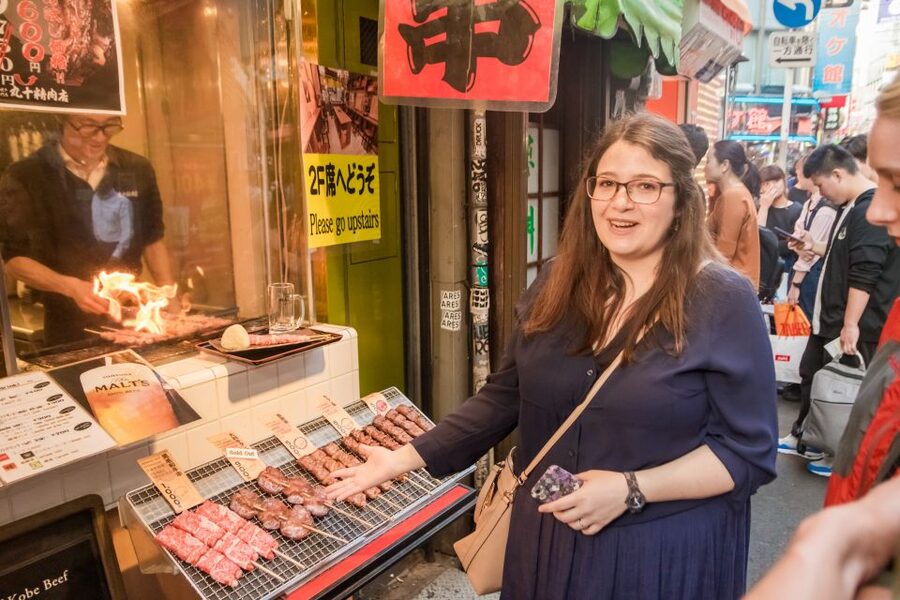
The meeting point is easy to describe but easy to get wrong. Meet in front of the colorful Hachiko wall mural just outside Shibuya Station at the Hachiko exit. Do not wait at the famous Hachiko statue.
When you leave the station, the mural should be visible. You should face the large intersection with the mural behind you. Arrive early, especially if Shibuya Station is new to you.
The guide can wait only five additional minutes after the start time. Once the group leaves, the operator cannot provide directions or call the guide to locate you. In practical terms, this means the meeting point is not a casual suggestion. Build in extra time for station signs, crowds, and finding the correct exit.
Booking details worth knowing
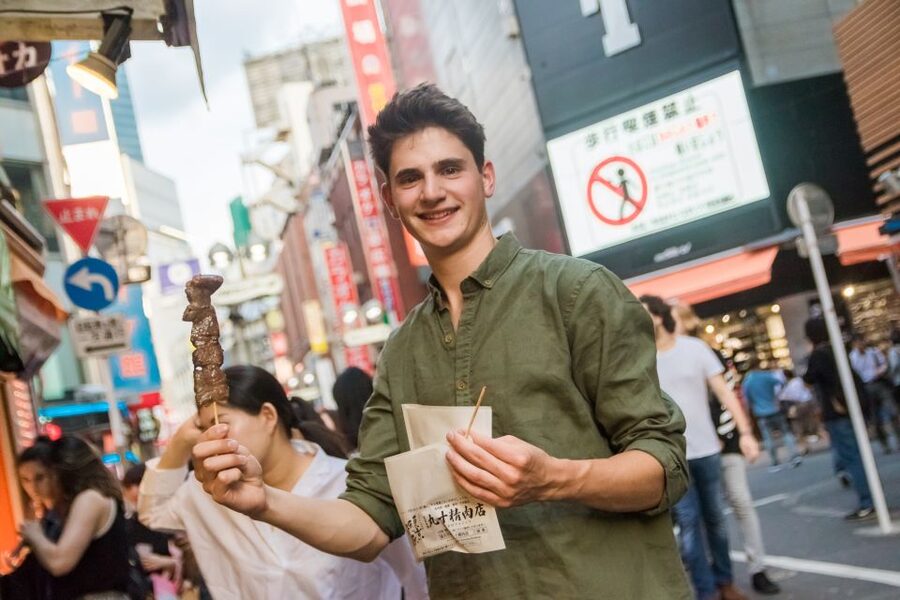
The tour lasts three hours and is conducted in English. Hotel pickup is not included, though it may be arranged for an additional charge. Transportation costs, extra food, extra drinks, and gratuity are also separate.
You must bring your passport, and a copy of passport information is required for every participant aged 10 and over. Keep that requirement in mind when booking for a family.
Free cancellation is available up to 24 hours before the start for a full refund. You can also reserve now and pay later, which helps if your Tokyo plans are still shifting.
Who should book this Shibuya experience?
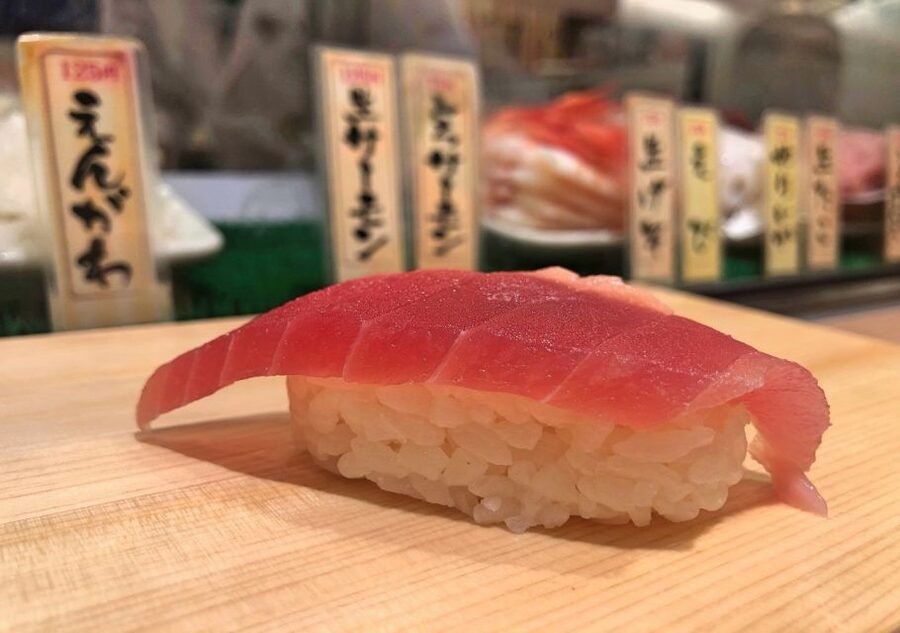
I would choose this tour for a first visit to Tokyo, especially if you want an easy introduction to Japanese food without spending your first evening deciphering menus.
It also suits:
- Food-curious couples who want several small restaurant experiences.
- Families with adventurous children who can manage walking and standing.
- Solo visitors who prefer a social meal with a guide.
- Anyone staying near Shibuya who wants practical dining suggestions for later.
- People interested in local customs as much as the dishes themselves.
I would hesitate if you need a seated meal, have strict dietary requirements, dislike eating in small restaurants, or are looking for a low-cost way to fill three hours. I would also choose another activity if you want a specialist sushi lesson or a formal tasting menu.
FAQ
How long is the Shibuya food tour?
The experience lasts three hours.
How many food stops are included?
The tour includes five food stops, along with dessert and two drinks.
What food might be served?
Possible dishes include sushi, izakaya food, okonomiyaki, ramen, takoyaki, regional dishes, and traditional desserts. The exact selection can vary.
Where do I meet the guide?
Meet at the colorful Hachiko wall mural outside Shibuya Station at the Hachiko exit. Do not meet at the Hachiko statue.
How late will the guide wait?
The guide can wait only five additional minutes after the scheduled start time. After the tour leaves, directions and phone contact with the guide are not available.
Is hotel pickup included?
No. Hotel pickup is not included, though it may be arranged for an additional charge.
What should I bring?
Bring your passport and comfortable shoes. A copy of passport information is required for every participant aged 10 and over.
Should you book it?
Book this if you want Shibuya explained through food, not just photographed from the Scramble Crossing. The combination of five stops, two drinks, a depachika dessert, and an English-speaking guide gives you a broad first taste of the area.
At $170, it is a splurge. I think it earns that price for a first-time visitor who values guidance, small restaurants, cultural explanations, and useful food tips. If you mainly want a cheap meal, go on your own. If you want to understand how Shibuya eats, arrive early, wear good shoes, and come hungry.
Newly reviewed around Tokyo
- Tokyo Asakusa:Calligraphy & Make T-shirt Activity★ 5.0 · 62 reviews
- Travel Tokyo with Your Own Personal Photographer★ 5.0 · 43 reviews
- Intercity Shuttle, Tokyo to Haneda /Narita /Yokohama /Makuhari★ 5.0 · 5 reviews
- 1 Hour Travel around Tokyo with a Professional Photographer★ 5.0 · 3 reviews
- Train in Samurai Swordsmanship and Defeat the Demon in Tokyo★ 5.0 · 5 reviews
- Shuttle Van 6hr Tokyo Tour to-and-from Tokyo, Yokohama and Narita★ 5.0 · 9 reviews
- Kickboxing & Body Training with EX-Pro Fighter★ 5.0 · 4 reviews
- Traditional Japanese Knife Sharpening Class★ 5.0 · 18 reviews
Tokyo Food Tours, compared.
Shinjuku Food Tour (13 Dishes at 4 Local Eateries)
Read our review →
Shinjuku Food Tour (15 Dishes and 4 Eateries)
Read our review →
Best of Shinjuku: Izakaya Food Tour (4 Stops, 14+ Tastings)
Read our review →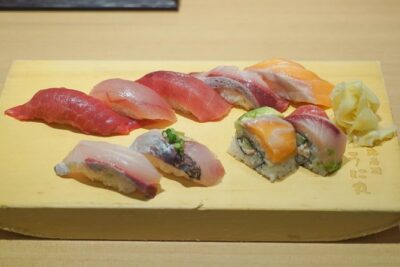
Tokyo Night Foodie Tour in Shinjuku – Seasonal Sushi, Wagyu Beef
Read our review →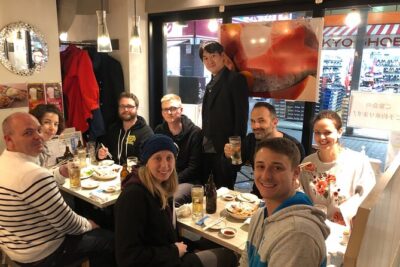
Eat and Drink Like a Local: Tokyo Ueno Food Tour-Taverns&Ramen
Read our review →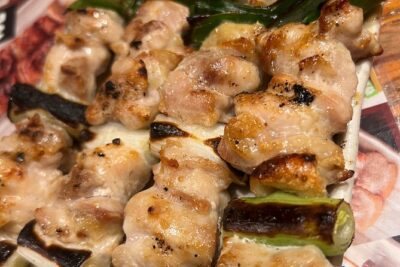
Tsukiji Fish Market: Street Food & Culture Walking Tour
Read our review →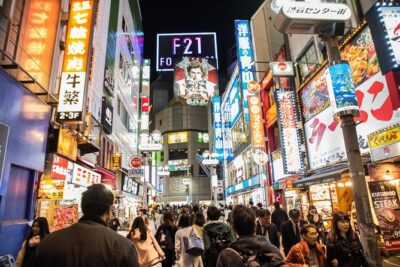
Browse the lists this tour appears in