
Reviewed · TOKYO FOOD TOURS
Tokyo: Shibuya Food Tour (13 dishes and 4 Eateries)
Shibuya after dark is best understood one small plate at a time. This three-hour walk takes you from an izakaya to a street food stall, a traditional eatery, and dessert stops, with up to 13 Japanese dishes along the way. You also cross the famous Shibuya Scramble, so the evening mixes food with a good dose of Tokyo street life.
I like the range of food and the way a guide handles ordering, garnishes, and dining customs for you. I also like the friendly, social feel, especially for solo visitors. Guides such as Hoshi, Kei, Naruto, Rio, Yota, and Will have earned warm praise for their humor and local tips. The main caution is that the exact dishes and restaurants can change, and dessert may not suit every taste.
At a glance: what makes this Shibuya food walk useful
- Four different eating settings: You visit an izakaya, a street food stall, a traditional eatery, and a dessert stop rather than sitting in one restaurant all evening.
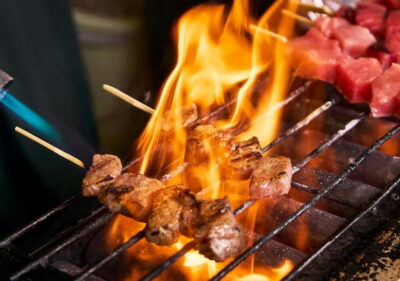
- Up to 13 dishes: The menu gives you a broad first taste of Japanese food, including yakitori, sushi, tuna, and sweets.
- Two drinks included: Your package includes two drinks, with alcoholic and non-alcoholic choices.
- Three famous Shibuya zones: The route covers Shibuya City, Center Gai, and Dogenzaka, plus a stop at Shibuya Crossing.
- A practical first-night activity: Your guide can offer ideas for places to eat, shop, and visit during the rest of your Japan trip.
- Easy booking terms: The tour costs $77 per person, lasts three hours, and allows free cancellation up to 24 hours before departure.
Four food stops instead of one long dinner
The smart idea here is variety. A normal restaurant meal gives you one menu and one setting. This walk gives you several short chapters of Japanese eating, which is useful when you are still learning what you like.
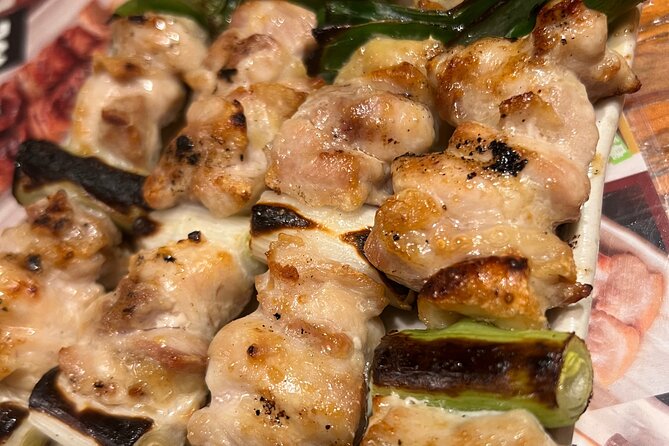
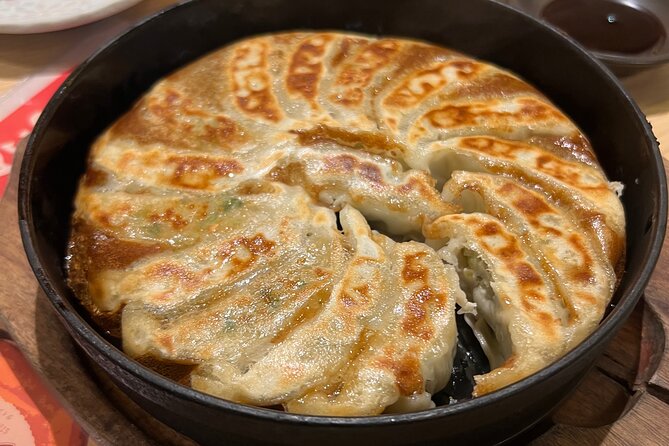
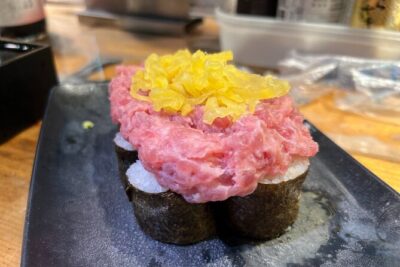
The food is included at four types of stops: one izakaya, one street food stall, one traditional eatery, and dessert. The package also includes two drinks. The tour title promises 13 dishes, but the exact selection is not fixed in the information provided. You might encounter well-known choices such as yakitori and sushi, while several reviews single out tuna, including smoked tuna and both raw and cooked versions.
That flexibility is a plus. The guide can explain what is placed in front of you and show you how it is normally eaten. Lisa from Canada particularly valued learning about garnishes and customary ways to eat each dish. That kind of help matters more than it sounds. A small plate can come with a dipping sauce, condiment, garnish, or eating method that is not obvious to a first-time visitor.
You should also arrive ready for flavors and textures outside your usual routine. One person loved the selection but did not care for the dessert. That is a fair warning: the sweet course is part of the set menu, not a personal choice from a large dessert list.
More things to do in Shibuya:
- Official Street Go-Kart in Shibuya
★ 5.0 · 3,435 reviews - Tokyo: Street Kart Experience in Shibuya
★ 4.9 · 1,484 reviews - Shibuya Meltdown Nightlife Tour: All-You-Can-Drink Bar Hopping
★ 5.0 · 1,058 reviews
Starting at Tokyu Plaza and entering Shibuya City
The meeting point is in front of the 7-Eleven at Tokyu Plaza in Shibuya, at Kusumoto Bld. as the listed starting location. This is a busy urban meeting area, so give yourself enough time to identify the correct building and shop before the start.
The first hour takes place in Shibuya City and is built around dinner and a guided walk. This opening stretch gives your guide room to explain the neighborhood while getting the group settled over the first food stop.
I like starting with food rather than a long talk. You get an early sense of how the evening will work, and the meal creates an easy way for people in the group to meet one another. The format has been especially useful for solo visitors, who can enjoy a shared meal without having to decode an unfamiliar restaurant alone.
Guides vary by departure. Hoshi is praised for explaining dishes clearly and adding humor, while Kei is noted for finding food that people might not try by themselves. Nicolas and Nicola also received warm praise for their area knowledge and friendly manner. You cannot request that a particular guide will lead your departure unless the operator allows it, but these names give you a sense of the guide style to expect.
Center Gai: Tokyo energy between plates
The route continues into Center Gai for another hour of dinner and walking. This is where the tour feels most like a moving introduction to Shibuya. You are not simply eating in a quiet room. You are moving through a busy entertainment district, with bright signs, crowds, shops, and narrow streets all around you.
The food stop here gives the guide a chance to point out the difference between a quick bite and a longer Japanese meal. If street food is part of this section, you can expect a more casual stop. If the group is seated at a traditional eatery, the pace may be more relaxed. The published schedule does not name each restaurant, so you should treat the route as a guided food experience rather than a fixed restaurant list.
That uncertainty is the main trade-off. You get local variety, but you do not get a guaranteed list of named venues or dishes. For most people, that is a reasonable exchange at $77, especially because you are paying for food, two drinks, guiding, and the time needed to move between stops.
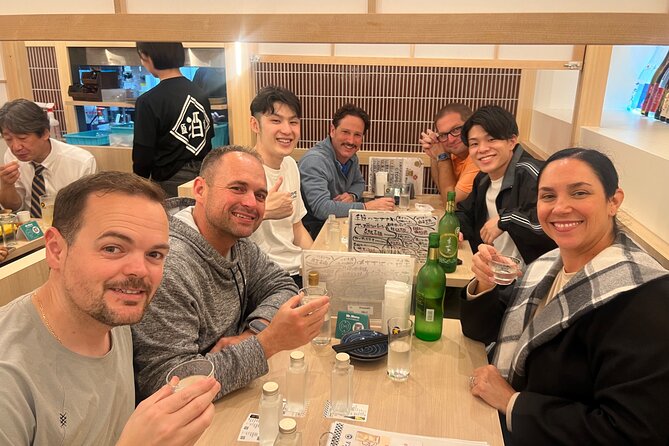
The group format also helps with ordering. A table can sample several plates that would be hard for one person to order alone. Sally from the United Kingdom liked being able to try many dishes in a way that would have been difficult outside a group. That is the real value of a food walk: not just eating, but sharing enough plates to widen your choices.
Shibuya Crossing in ten organized minutes
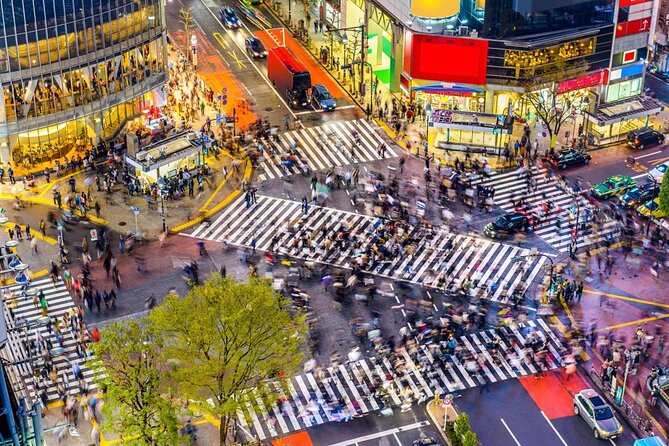
The stop at Shibuya Crossing lasts about 10 minutes and is listed as a photo stop with a short guided walk. This is not a long sightseeing visit, so keep your expectations in check. You will cross the intersection and have a quick chance to take in one of Tokyo’s best-known public scenes.
The crossing can feel chaotic, but it has its own order. Hana from the United States described it as chaotic but organized, which is a useful way to approach it. Your guide can help you move through the crowd and explain why this intersection matters to the identity of Shibuya.
I like this pause because it breaks up the food stops. Three hours of eating can become repetitive, while a quick walk through the crossing resets the evening. It also gives you a clear sense of place. You are not eating in an isolated tour bubble. You are right in the middle of Tokyo’s nightly flow.
The drawback is time. Ten minutes is enough for a crossing and photographs, not enough for a full explanation of the area or a long look at the surrounding buildings. If Shibuya Crossing is a major goal for you, plan to return on your own.
More Tokyo food tours:
- Tokyo: Shinjuku Food Tour (13 Dishes at 4 Local Eateries)
★ 5.0 · 6,603 reviews - Tokyo: Shinjuku Food Tour (15 Dishes and 4 Eateries)
★ 4.9 · 2,033 reviews - Best of Shinjuku: Izakaya Food Tour (4 Stops, 14+ Tastings)
★ 5.0 · 1,863 reviews - Tokyo Night Foodie Tour in Shinjuku – Seasonal Sushi, Wagyu Beef
★ 5.0 · 1,161 reviews
Dogenzaka and the final dinner stops
The final 50 minutes take you through Dogenzaka for dinner and a guided walk. Dogenzaka has a different feel from the broad crossing area, with a more concentrated run of restaurants, bars, and nightlife streets. It is a fitting place to finish a food tour because the route ends with the sense that Shibuya continues well beyond the planned stops.
This is also where the izakaya experience may be especially memorable. An izakaya is a casual Japanese eating and drinking place where small dishes are shared with drinks. Andrea from the United States singled out a tucked-away izakaya and its yakitori as a favorite part of the evening. You may find the setting informal and close together, which is part of the appeal, though it may be less comfortable for anyone who prefers a quiet, spacious meal.
Tuna is another recurring highlight in the food selection. Emma from Australia especially liked the smoked tuna, while Dennis from Sweden enjoyed both sushi and cooked tuna. Those comments suggest that the menu can include more than the standard first impressions of Japanese food. You might get familiar items, but you may also receive a preparation you would not have picked without a guide.
At the end, the tour finishes in Shibuya rather than returning to the original meeting point. That is practical if you want to continue your evening nearby, but you should pay attention to where the group ends if you have an early train or a hotel in another part of Tokyo.
What the guides add to the meal
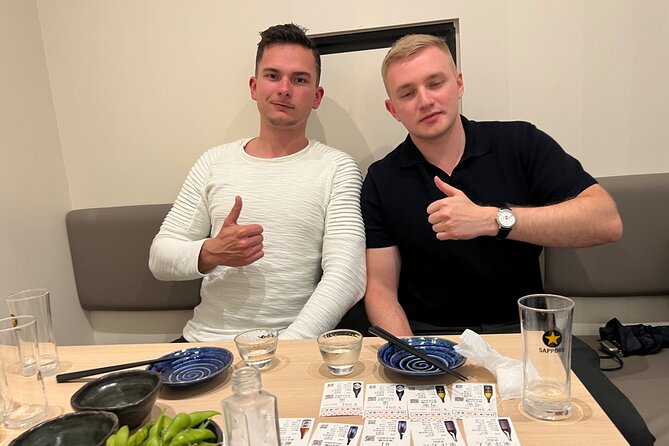
The guide is the difference between a sequence of restaurant visits and a useful introduction to Japanese food. The strongest part of this experience is not simply that someone knows where to eat. It is that the guide explains what you are eating, how people usually eat it, and how the food fits into daily life.
Hoshi received repeated praise for his clear English, humor, food explanations, and practical advice. Kei was praised for being accommodating and for introducing dishes that people might not have tried alone. Naruto was described as welcoming and flexible, including changing the selection for a returning participant. Rio received praise for cultural explanations and an entertaining style. Yota was repeatedly described as friendly and funny, while Will was valued for conversation and for pointing out new parts of Shibuya.
That range of names matters because the tone can vary from guide to guide. The advertised language is English, and the experience appears suited to people who want conversation rather than a formal lecture. You can ask about food, customs, language, shopping, or what to do next in Tokyo.
There is practical help, too. One guide assisted a participant with a taxi driver and walked them to the correct subway afterward. That is not guaranteed as a specific service, but it shows the sort of useful local support that can make a first evening in Tokyo less stressful.
Is $77 a fair price?
At $77 per person, this is not the cheapest way to eat in Shibuya. Japan offers plenty of inexpensive meals, and you could spend less by choosing one casual restaurant and ordering carefully.
The comparison changes when you count what is included. You receive food from four types of venues, up to 13 dishes, two drinks, a three-hour guided walk, the Shibuya Crossing visit, and advice for the rest of your stay. You are also paying to avoid the trial and error of finding suitable places, ordering unfamiliar food, and deciding how much to buy at each stop.
I consider the price fair for a first-night orientation, particularly if you are traveling alone or with people who have different food preferences. The value is weaker if you already know Shibuya well, have a strict diet that makes shared menus difficult, or mainly want a single substantial dinner.
The title and package details do not specify a full dish-by-dish menu. If you have allergies or firm dietary needs, ask before booking. The same applies if you do not drink alcohol, although a non-alcoholic option is included.
Who will get the most from this tour?
I would choose this tour for a first visit to Tokyo, especially during the first few days. It gives you a map of Shibuya through food, landmarks, and streets, then leaves you with ideas for where to return later.
It also suits solo visitors. The shared format gives you company, and the guides help create a relaxed group atmosphere. Kassia from the United States returned several times because the combination of food and conversation made it easy to meet people and try local dishes without worry.
Food lovers who want a broad sample will get more from this than someone seeking a single refined meal. The experience is about range and context. You may taste yakitori, sushi, tuna, street food, drinks, and dessert in one evening, but you should not expect a carefully paced tasting menu in one restaurant.
The tour is also listed as wheelchair accessible. Because the route moves through busy districts and includes several eateries, it is still sensible to confirm any access needs before departure.
Practical details before you book
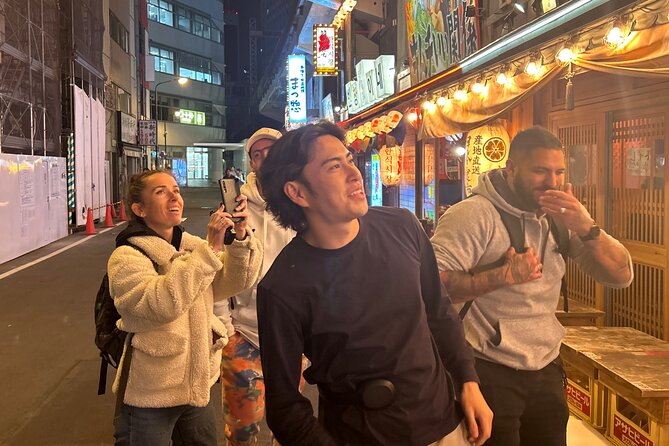
Meet in front of the 7-Eleven at Tokyu Plaza in Shibuya. The activity lasts three hours, runs in English, and has different possible starting times, so check availability for your date.
Wear comfortable shoes. The route links several food stops with walks through Shibuya City, Center Gai, Shibuya Crossing, and Dogenzaka. You do not need to plan another large dinner afterward, since the included food is intended to make up the evening meal.
The booking is flexible: you can reserve now and pay later, and cancel up to 24 hours before the start for a full refund. That is helpful if your Tokyo plans are still shifting.
Should you book the Shibuya food tour?
Book it if you want a lively first look at Shibuya, enjoy trying food by sharing several dishes, and like having an English-speaking guide explain the small details. The combination of four eating settings, two drinks, 13 dishes, and a short crossing visit gives you a lot in three hours.
Skip it if you want complete control over the menu, a quiet sit-down dinner, or a fixed list of famous restaurants. For everyone else, $77 is a sensible spend for an easy introduction to Japanese food and Shibuya nightlife. I would especially choose it for a first evening or for a solo visit, when a friendly guide and a ready-made route are worth more than saving a few dollars.
FAQ
How long does the Shibuya food tour last?
The tour lasts three hours.
How much does the tour cost?
The listed price is $77 per person.
What food and drinks are included?
Food is included at one izakaya, one street food stall, one traditional eatery, and a dessert stop. The tour title specifies 13 dishes, and two drinks are included, with alcoholic and non-alcoholic options.
Where does the tour meet?
Meet your English-speaking guide in front of the 7-Eleven at Tokyu Plaza in Shibuya. The listed starting location is Kusumoto Bld.
Is the tour available in English?
Yes. The tour has a live English-speaking guide.
Can I cancel the booking?
Yes. You can cancel up to 24 hours in advance for a full refund. You can also reserve now and pay later.
Newly reviewed around Tokyo
- Tokyo Asakusa:Calligraphy & Make T-shirt Activity★ 5.0 · 62 reviews
- Intercity Shuttle, Tokyo to Haneda /Narita /Yokohama /Makuhari★ 5.0 · 5 reviews
- 1 Hour Travel around Tokyo with a Professional Photographer★ 5.0 · 3 reviews
- Travel Tokyo with Your Own Personal Photographer★ 5.0 · 43 reviews
- Train in Samurai Swordsmanship and Defeat the Demon in Tokyo★ 5.0 · 5 reviews
- Shuttle Van 6hr Tokyo Tour to-and-from Tokyo, Yokohama and Narita★ 5.0 · 9 reviews
- Kickboxing & Body Training with EX-Pro Fighter★ 5.0 · 4 reviews
- Traditional Japanese Knife Sharpening Class★ 5.0 · 18 reviews
Tokyo Food Tours, compared.
Shinjuku Food Tour (13 Dishes at 4 Local Eateries)
Read our review →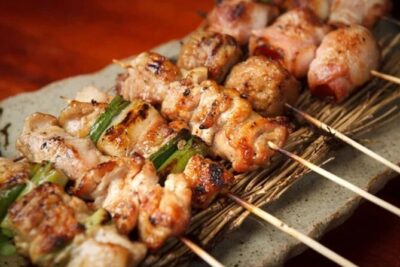
Shinjuku Food Tour (15 Dishes and 4 Eateries)
Read our review →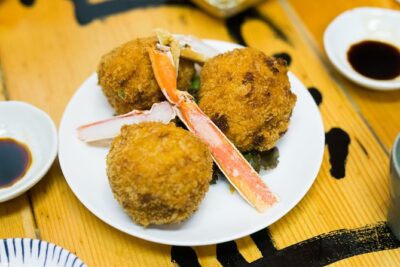
Best of Shinjuku: Izakaya Food Tour (4 Stops, 14+ Tastings)
Read our review →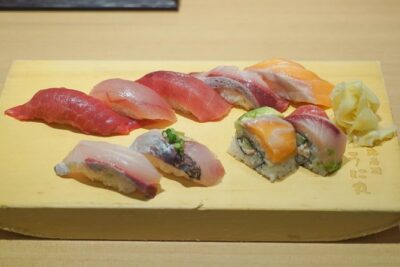
Tokyo Night Foodie Tour in Shinjuku – Seasonal Sushi, Wagyu Beef
Read our review →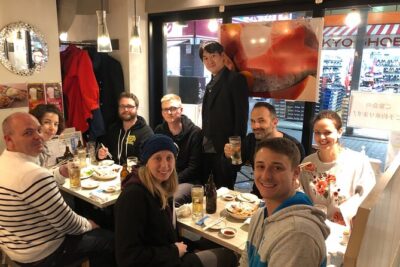
Eat and Drink Like a Local: Tokyo Ueno Food Tour-Taverns&Ramen
Read our review →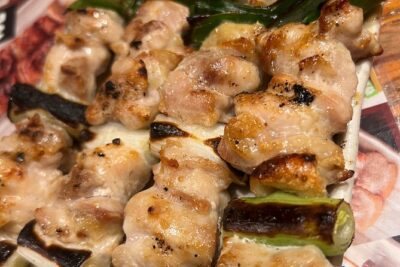
Tsukiji Fish Market: Street Food & Culture Walking Tour
Read our review →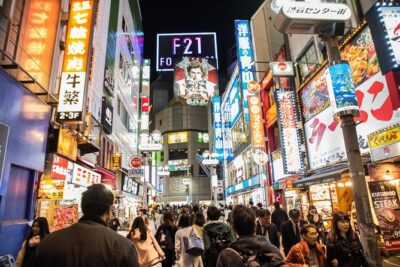
Browse the lists this tour appears in