
Reviewed · TOKYO RAMEN TOURS AND CLASSES
Tokyo: Real Ramen & Dumpling Cooking with Master Chef
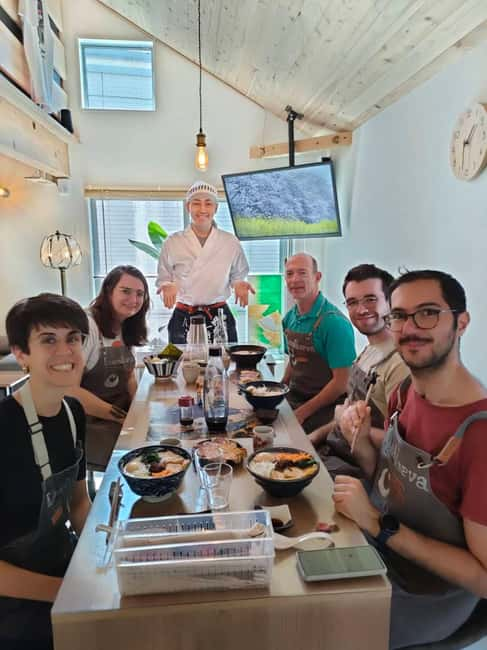
Tokyo’s ramen shops make eating this dish look easy. This two-hour class shows you the work behind the bowl, from seasoning a soft-boiled egg to folding gyoza and using the quick noodle-draining motion that gives the final dish its flair. Chef Yoshi teaches in English, with Amo helping create a small, friendly class.
I like the small maximum group of four, since you should get real time at the counter rather than watch from the back. I also like that you receive the recipes afterward, making this more useful than a meal that ends when you leave. The main consideration is the meeting point: Ekoda Station is on the Seibu Ikebukuro Line, not the JR network, and rapid trains do not stop there.
Key points at a glance
- A rare English-language ramen lesson: Chef Yoshi has run restaurants in Sydney and trained in well-known Japanese ramen shops.
- Two dishes, not just one: You prepare ramen and five gyoza, then eat what you make.
- A compact class: The group may be as small as four people, with hands-on guidance from Yoshi and Amo.
- Several classic toppings: The menu includes a seasoned runny egg, chashu, seaweed, spring onion, and wood ear fungus.
- Vegetarian ramen is possible: You must request it before the class. Same-day changes cannot be accommodated.
- Recipes go home with you: The recipes are sent after the lesson, so you can try the meal again in your own kitchen.
Why this Tokyo cooking class feels different
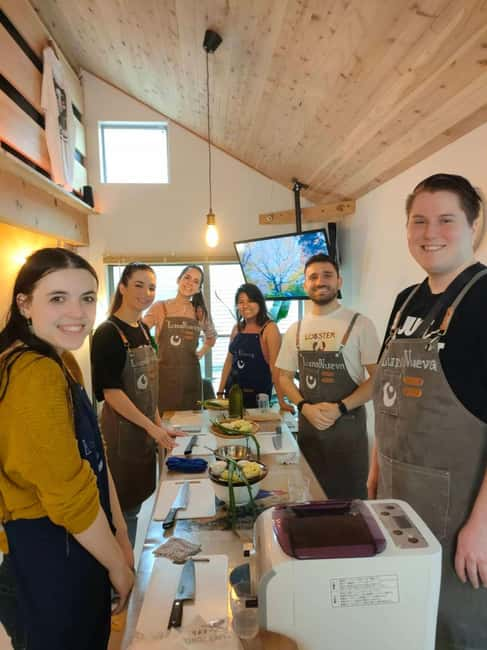
Many food activities in Tokyo are built around eating. This one is built around making. You do not simply watch a chef produce a polished bowl while you stand nearby. You work through the small jobs that give ramen its character, then sit down to eat the result.
That matters because ramen is a bowl of separate parts working together. The soup, sauce, fragrant oil, noodles, egg, meat, vegetables, and seaweed each play a role. By preparing those parts in order, you get a clearer sense of why a bowl tastes balanced rather than simply salty or heavy.
I also like the setting’s scale. With up to four participants, you can ask questions without turning the lesson into a crowded demonstration. The class is led in English, and the two hosts are described as patient and clear in their instruction. That combination is especially useful if you enjoy cooking but do not know the Japanese terms for techniques or ingredients.
The class is offered by Yoshi, whose background includes running his own restaurant in Sydney and training at respected ramen shops in Japan. Amo helps with the welcome and instruction. Their international experience should make the cooking easier to follow for English speakers, while still keeping the focus on Japanese food.
More Tokyo ramen tours and classes:
- Eat and Drink Like a Local: Tokyo Ueno Food Tour-Taverns&Ramen
★ 5.0 · 957 reviews - Ramen & Gyoza Cooking Class in Tokyo with Local Supermarket Visit
★ 5.0 · 823 reviews - Tokyo: Ramen Tasting Tour with 6 Mini Bowls of Ramen
★ 4.9 · 432 reviews
Finding Ekoda Station without a wrong turn
The meeting point is outside the ticket gate at Ekoda Station, at 1 Chome-78 Asahigaoka in Nerima City. The station is served by the Seibu Ikebukuro Line. It is not a JR station, so do not assume a JR pass or a JR route will take you there directly.
This is the sort of detail that can save a rushed start. Use a local train, not a rapid train, because the rapid service does not stop at Ekoda. The meeting instructions also use the spelling Ekoda, while Egota may appear in some references, so keep both names in mind when checking your route.
Amo waits outside the gate about 15 minutes before the class begins. You should arrive at least 15 minutes early, not walk up at the scheduled start time. Late arrival may shorten your cooking session, which is a real concern in a class that lasts only two hours.
If you need help while traveling, the listed phone number is +81 80 7262 1175. Adding it to WhatsApp is recommended, especially if you expect to rely on Wi-Fi rather than mobile service.
The meeting point is part of the practical tradeoff. Ekoda is not the most obvious stop for a first-time visitor, but the neighborhood route takes you to a home-style cooking setting rather than a large commercial kitchen. If you like seeing a less tourist-focused part of Tokyo, that change of scene adds to the appeal.
Starting with eggs and ramen toppings
The class begins with semi-soft-boiled eggs, called nitamago when seasoned for ramen. These are not an afterthought. The soft yolk adds richness to the soup, while the seasoning gives the egg enough flavor to hold its own beside the noodles.
You then prepare the toppings. The listed ingredients include chashu, seaweed, sliced spring onion, and wood ear fungus. The class description identifies the chashu as slow-cooked chicken, though one account praised the pork in the finished ramen. If the type of meat matters to you, ask Yoshi to clarify the current version before booking.
This early preparation gives you time to understand how toppings affect texture. Spring onion brings freshness. Wood ear fungus adds a pleasant bite. Seaweed contributes a savory note. The egg softens the bowl with its creamy yolk. These are simple ingredients, but their arrangement changes how each mouthful feels.
The lesson also covers the chashu’s flavoring. You do not simply place prepared meat on top of the noodles. You work with it as part of the final bowl, which helps connect the preparation stage to the meal you will eat later.
Folding five gyoza by hand
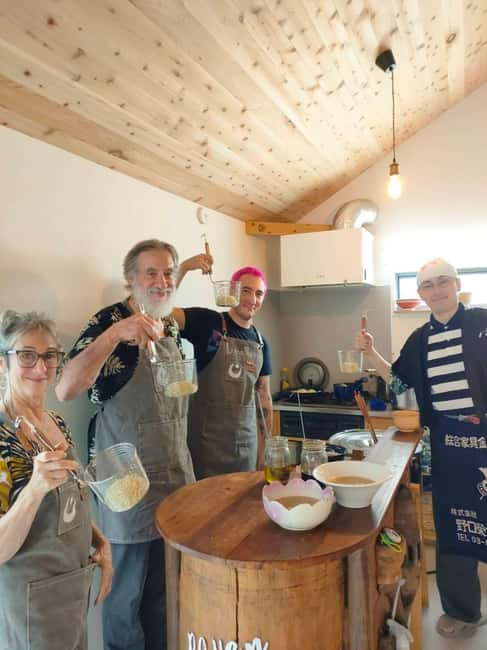
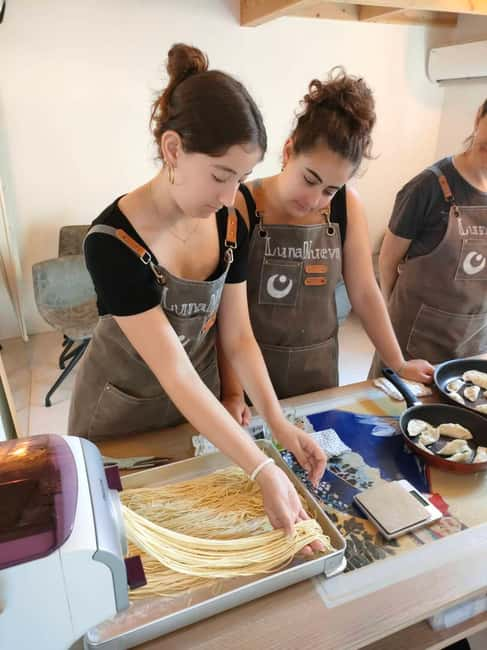
The second major task is gyoza. You slice and combine the filling ingredients, then fold five dumplings yourself before cooking them.
Five is a useful number. You get enough practice to improve your folding, but the task should not take over the whole class. The shape can feel awkward at first, and that is part of the fun. You learn how to distribute filling, close the wrapper, and make the dumpling hold together before it reaches the pan.
Amo and Yoshi provide guidance as you work. The small group size should make it easier to see how the fold is done and get help when a wrapper refuses to cooperate. I would not choose this class expecting professional-level dumpling technique after one session, but you should leave with a workable method you can repeat at home.
The gyoza are then cooked until ready to eat. This gives the class a second texture and cooking style alongside the ramen. You are not spending two hours on one bowl of noodles. You are preparing a complete Japanese meal with a hot, crisp element on the side.
More Tokyo cooking classes:
- Tokyo: Easy Ramen Cooking Experience in Kabukicho, Shinjuku
★ 4.6 · 321 reviews - Ramen and Sushi Cooking Class with Sake Pairing Set in Tokyo
★ 5.0 · 291 reviews - Tokyo: Wagyu and 7 Japanese Dishes Cooking Class
★ 4.9 · 273 reviews - Tokyo Washoku 4-hour Cooking Class: From Market to Table
★ 5.0 · 253 reviews
The final ramen sequence
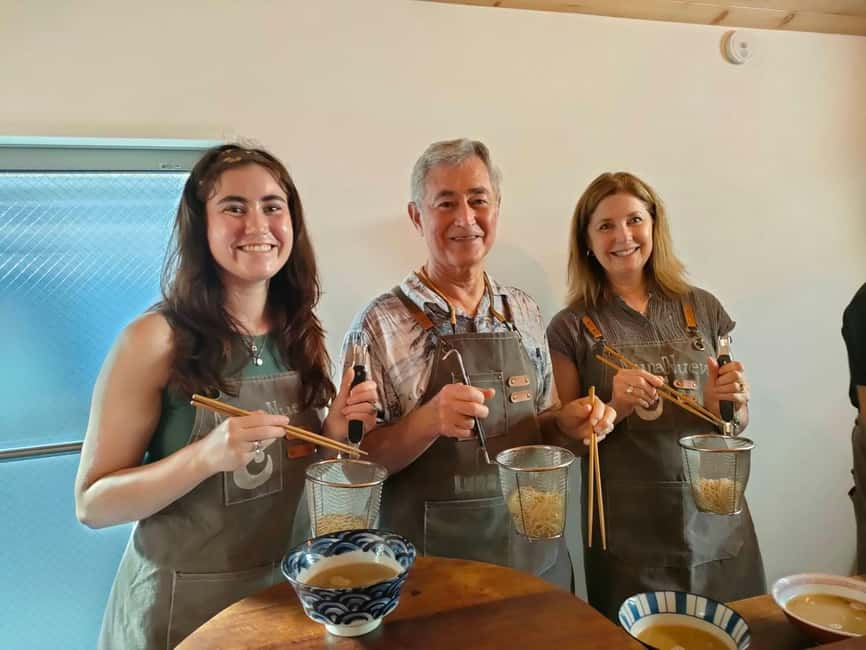
The last stage brings the separate ingredients together. You make the soup, add the ramen sauce and fragrant oil, boil the noodles, and learn the fast draining technique used to remove excess water.
That noodle step is one of the most memorable parts for many people. It is practical, but it also has a little showmanship. The motion helps keep the noodles from watering down the soup, and it gives you a small taste of the rhythm found in a ramen kitchen.
Timing matters here. Noodles change quickly after boiling, so the final assembly brings together several tasks at once. You place the noodles in the soup, add the toppings, and arrange the bowl with the egg, chashu, seaweed, spring onion, and wood ear fungus.
The value of having prepared these items yourself is clear at this point. You know what went into the bowl and why each topping is there. You also get to eat the finished meal while it is fresh, along with your five gyoza.
The portions are described as generous in one account, so plan to arrive ready to eat. If you have a small appetite, you may not finish everything. That is not a flaw in the class, but it is worth knowing before you schedule it between a large lunch and dinner.
What the instructors add
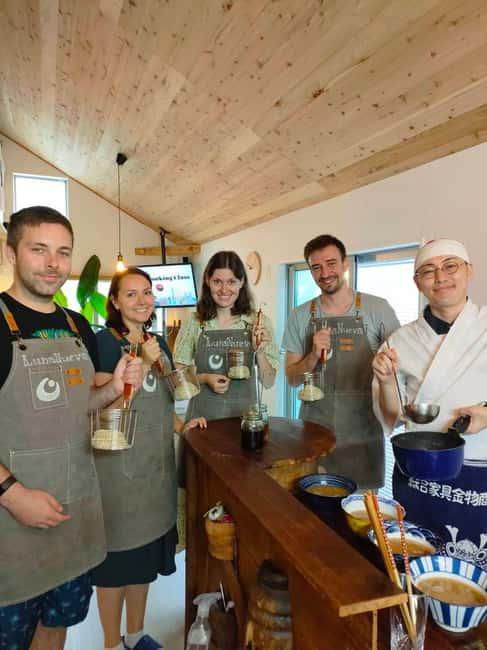
Yoshi’s background is a major reason to choose this experience instead of a basic cooking workshop. He has operated a restaurant in Sydney and trained in Japanese ramen centers. Teaching ramen in English while bringing experience from both Japan and overseas is a useful mix for an international audience.
The class also includes stories and amusing details from ramen culture. These are not a separate lecture, but they give context as you cook. You can ask questions about the ingredients, methods, and restaurant side of the dish instead of following instructions without knowing why.
Amo’s role is important, too. The class welcomes participants at the station and assists during the lesson. Having two friendly hosts for a group of up to four should make the session feel more personal and reduce the chance that someone gets left behind.
The strongest praise in the available feedback focuses on three things: clear instruction, patient answers, and food that tastes good at the end. That combination is more important than fancy equipment. A cooking class succeeds when you understand the steps, enjoy the process, and feel able to repeat at least some of it later.
Vegetarian ramen and dietary planning
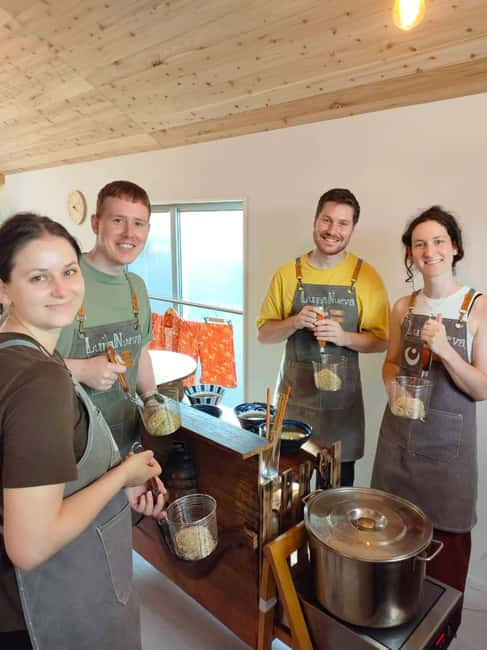
Vegetarian ramen is available, but you must request it in advance. The kitchen cannot handle a same-day request, so mention it when you reserve the class and check that the request has been recorded.
The standard menu includes chashu and other toppings, so do not assume the usual bowl is vegetarian. The supplied details only confirm vegetarian ramen, not other dietary adjustments or ingredient substitutions. If you have allergies or need changes beyond vegetarian ramen, contact the provider before paying.
This advance notice is especially important for a small home-style class. There may not be spare ingredients ready for an unexpected change. A quick message before your visit is a much safer plan than hoping the kitchen can adjust the meal on the day.
Is $99 a fair price?
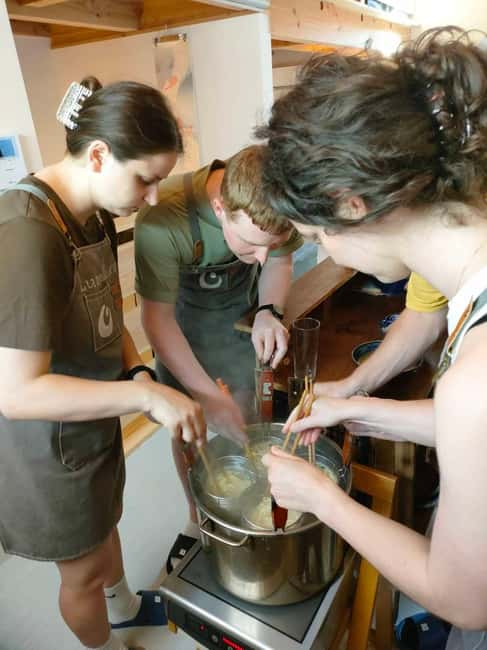
At $99 per person, this is not a cheap meal. You could buy ramen and gyoza in Tokyo for far less. The question is what you are paying for beyond the food.
The fee covers a two-hour English-language lesson, instruction from a chef with restaurant experience in Japan and Australia, the ingredients for ramen and five gyoza, toppings, and the chance to make the food yourself. You also receive the recipes after the class, which gives the experience value beyond the day itself.
For a couple or family that enjoys cooking, the price is easier to justify. You are sharing a hands-on activity, eating a substantial meal, and taking home a method you can use again. One participant even bought a custom apron after the class, while complimentary merchandise was also mentioned. These extras are not the main reason to book, but they add a small souvenir element.
For a person who mainly wants a good bowl of ramen, the price will feel high. You are paying for instruction and participation, not simply for lunch. I would choose it for the skill, the personal contact, and the recipes, not as a budget food stop.
The reserve-now-and-pay-later option may help if your Tokyo schedule is still changing. Free cancellation is available up to 24 hours before the activity for a full refund. Check the exact booking conditions when you reserve, especially if your plans are tight.
Who should book this experience?
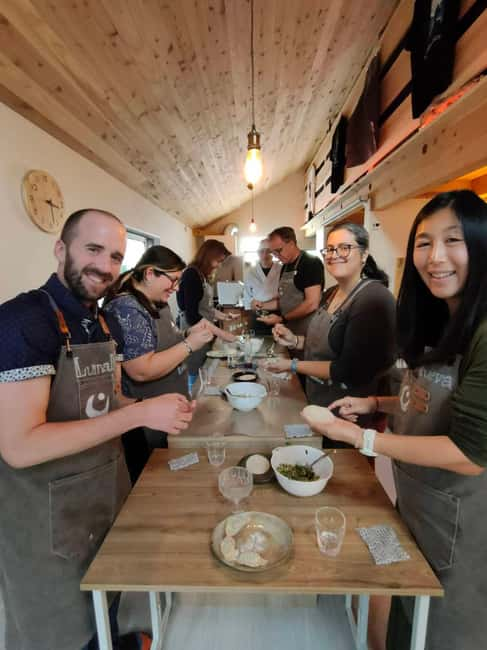
I would recommend it to home cooks, ramen fans, families, couples, and anyone who wants a practical food memory from Tokyo. It also suits people who appreciate a small class and want to ask questions in English.
The class may be particularly good near the end of a trip. One participant used it as the final activity in Tokyo, and that makes sense: you eat a complete meal, collect recipes, and leave with a way to recreate part of Japan at home.
Children may enjoy the gyoza folding and noodle technique, but the supplied details do not give a minimum age or specific child policy. If you are booking for young children, confirm that point first.
I would be less likely to choose it if you want a formal restaurant setting, a quick demonstration, or a class focused only on vegetarian food without prior planning. The train connection also requires care, so it is not ideal for a schedule with no spare time.
My practical verdict
Book this class if you want to understand how ramen is built, not merely eat it. The strongest reasons are the limited group size, Yoshi’s unusual restaurant background, English instruction, the second dish of five gyoza, and the recipes sent afterward.
Before reserving, check the train route, avoid the rapid service, arrive 15 minutes early, and request vegetarian ramen in advance if needed. At $99, it is a splurge, but for someone who values cooking instruction and a meal made with their own hands, it offers more lasting value than another restaurant visit.
FAQ
Where does the ramen and gyoza class meet?
The meeting point is outside the ticket gate at Ekoda Station, 1 Chome-78 Asahigaoka, Nerima City, Tokyo 176-0005, Japan.
Which train line serves Ekoda Station?
Ekoda Station is on the Seibu Ikebukuro Line, not the JR Line.
Can I take a rapid train to Ekoda?
No. You should take a local train because the rapid train does not stop at Ekoda Station.
How early should I arrive?
You should arrive at least 15 minutes before the class begins. The instructor waits outside the ticket gate, and a late arrival may shorten the class.
How long does the activity last?
The cooking class lasts two hours.
Is the class taught in English?
Yes. English is the listed language for the instructor.
How many people can join the class?
The group may include up to four participants.
Is vegetarian ramen available?
Yes, but you must request vegetarian ramen in advance. A same-day request cannot be accommodated.
What food will I prepare and eat?
You prepare ramen and five gyoza. The ramen menu includes toppings such as a seasoned runny egg, chashu, seaweed, sliced spring onion, and wood ear fungus.
Do I receive the recipes after the class?
Yes. The recipes are sent after the lesson.
Can I cancel for a full refund?
You can cancel up to 24 hours in advance for a full refund.
Newly reviewed around Tokyo
- Tokyo Asakusa:Calligraphy & Make T-shirt Activity★ 5.0 · 62 reviews
- Intercity Shuttle, Tokyo to Haneda /Narita /Yokohama /Makuhari★ 5.0 · 5 reviews
- 1 Hour Travel around Tokyo with a Professional Photographer★ 5.0 · 3 reviews
- Travel Tokyo with Your Own Personal Photographer★ 5.0 · 43 reviews
- Kickboxing & Body Training with EX-Pro Fighter★ 5.0 · 4 reviews
- Train in Samurai Swordsmanship and Defeat the Demon in Tokyo★ 5.0 · 5 reviews
- Shuttle Van 6hr Tokyo Tour to-and-from Tokyo, Yokohama and Narita★ 5.0 · 9 reviews
- Traditional Japanese Knife Sharpening Class★ 5.0 · 18 reviews
Tokyo Ramen Tours and Classes, compared.
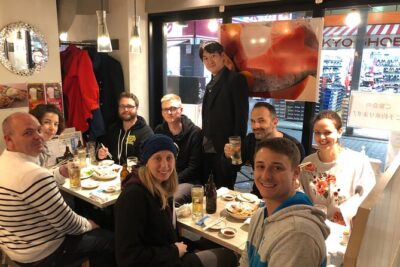
Eat and Drink Like a Local: Tokyo Ueno Food Tour-Taverns&Ramen
Read our review →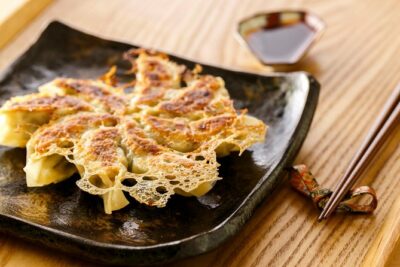
Ramen & Gyoza Cooking Class in Tokyo with Local Supermarket Visit
Read our review →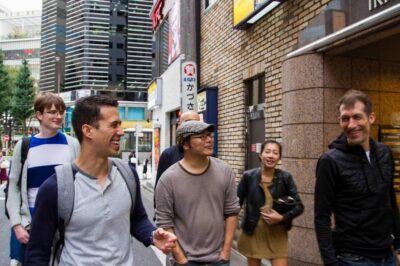
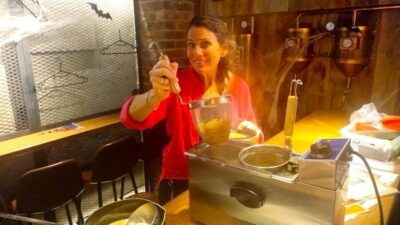
Easy Ramen Cooking Experience in Kabukicho, Shinjuku
Read our review →
Ramen and Sushi Cooking Class with Sake Pairing Set in Tokyo
Read our review →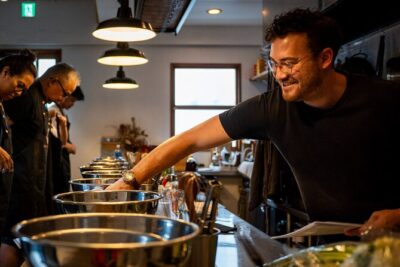
Professional Ramen & Gyoza with Ramen Chef in a restaurant!
Read our review →
Ramen Dojo Tokyo | Make All 3 (Tonkotsu/Shoyu/Miso)
Read our review →Ramen Dojo Tokyo | Make All 3 (Tonkotsu/Shoyu/Miso)
Read our review →Browse the lists this tour appears in