
Reviewed · TOKYO BAY AND SUMIDA RIVER CRUISES
Tokyo Spectacular View Day-Cruise in 90 Minutes
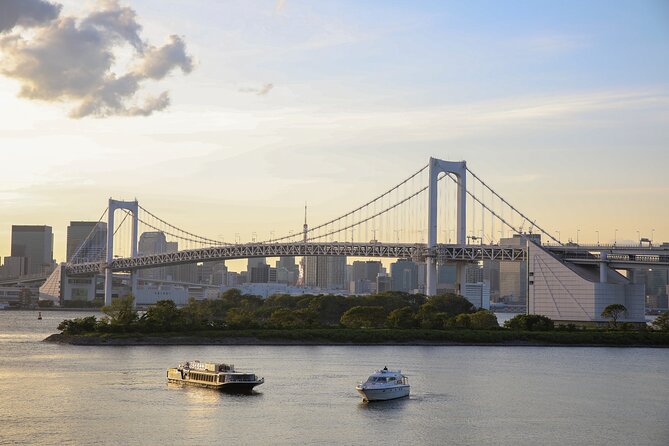
Tokyo looks different from the water. On this 90-minute cruise, you get wide views of Tokyo Tower, Rainbow Bridge, Odaiba, old bridges, and the waterfront districts without fighting for a gap beside a street photographer. The boat returns to Tennozu Yamatsu Pier, making this an easy add-on to a Tokyo day.
I especially like the choice between an open-air top deck and a comfortable lower level with tables, air conditioning, and a restroom. I also like the crew’s running commentary, which covers bridge design, Tokyo’s changing markets, and the story behind Odaiba. The main drawback is price: at $65.89 per person, this is not a cheap way to spend an hour and a half, and top-deck seating may feel cold at night.
Key points at a glance
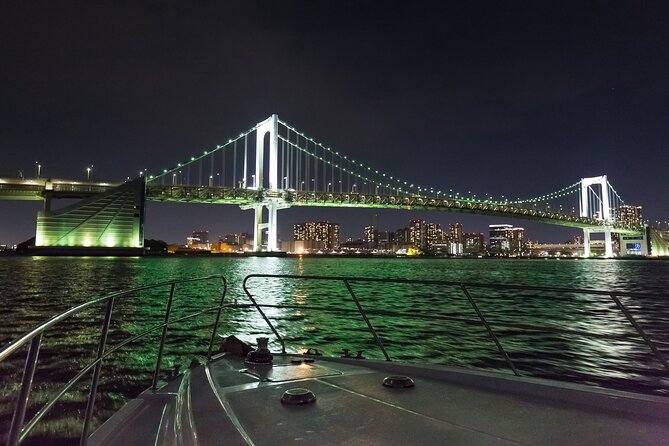
- Rainbow Bridge from below: The boat passes beneath one of Tokyo’s largest bridges, with the deck rising about 50 meters above sea level.
- Tokyo Tower by water: You see the city landmark from a fresh angle, especially appealing on a night sailing when it is lit.
- Open-air photos or indoor comfort: Use the top deck for skyline shots, or sit downstairs at a table in air-conditioned comfort.
- A compact 90-minute route: The cruise covers several waterfront sights without taking up a full afternoon or evening.
- English commentary from the crew: Guides explain the architecture and history of the bridges, markets, and waterfront areas.
- Small-group feel is possible: The boat holds up to 57 people, and one late sailing had only about 10 passengers.
Why Tokyo looks better from the water
Tokyo can feel like a city of hidden edges. You move through stations, shopping streets, and narrow lanes, then suddenly a bridge opens a broad view across the bay. This cruise gives you that change of scale in a short, tidy package.
The route links central Tokyo’s working waterfront with major sights that are awkward to see together on foot. You pass beneath bridges, look toward Tokyo Tower, see the former Tsukiji market area, and move around Odaiba. It is less about getting off and exploring each stop than about seeing how the districts fit together.
That matters because Tokyo’s waterfront is not simply a row of postcard sights. It reflects transport, trade, engineering, defense, and redevelopment. The commentary helps connect those pieces while you sit on the water and watch the city move past.
At $65.89, you are paying for the viewpoint, the boat ride, and the guided explanation rather than for admission to a major attraction. I would not call it a bargain activity. Still, the cruise can make sense if you want a calm break from Tokyo’s busy streets, or if you have already visited the main observation decks and want a different set of photographs.
More Tokyo boat trips and river cruises:
- Flagship 2-Hours Official Street Go-Kart Tour – Tokyo Bay Shop
★ 5.0 · 4,974 reviews - Sumida River: Japanese Traditional Yakatabune Dinner Cruise
★ 4.6 · 779 reviews - Dynamic Tokyo: Tokyo Tower, Tea Experience, Bay Cruise Day Tour
★ 4.5 · 521 reviews
Choosing afternoon or night
The cruise offers an afternoon or night option, so timing shapes the experience.
An afternoon sailing gives you clearer views of the bridges, piers, and waterfront buildings. It is the better choice if you care about seeing structural details or want daylight photographs. You can also spend less time worrying about the cold on the upper deck.
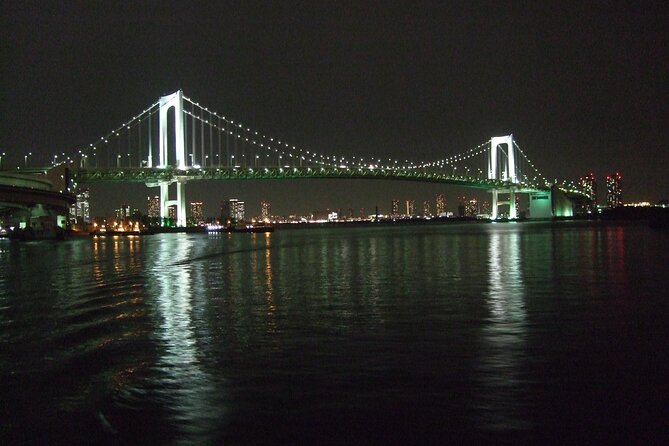
The night sailing is more atmospheric. Tokyo Tower glows, bridge lights reflect on the water, and the city takes on a softer, more theatrical look. One particularly quiet Wednesday sailing had only around 10 people aboard, which made the trip feel almost private. That level of calm is not guaranteed, since the boat can carry up to 57 people, but a late departure may feel more relaxed.
Night has a practical tradeoff. The top deck offers the best views, but it can be chilly, and a previous passenger specifically wished blankets were available. Bring an extra layer if you plan to stay outside. If you would rather keep warm, the lower deck has air conditioning, tables, and seats.
The crew’s microphone technique may also matter at night or during a busier sailing. The guide speaks good English, but one person found it hard to hear all the commentary and suggested using a microphone more clearly. Treat the narration as a useful bonus, while keeping your expectations realistic in a moving boat with wind and engine noise.
Boarding at Tennozu Yamatsu Pier
The meeting point is Tennozu Yamatsu Pier at 1-chōme-39-21 Higashishinagawa, Shinagawa City. The pier is near public transportation, and the cruise ends at the same place, so you do not need to arrange a separate return from another waterfront district.
That out-and-back setup is helpful in Tokyo. You can leave a restaurant or sightseeing plan near the pier and know where you will finish. It also makes this easier to fit into an evening than a one-way boat trip that leaves you searching for a station at the end.
Confirmation is provided when you book, and the activity is available with a mobile ticket. The boat has a restroom and air conditioning. Children’s chairs are available, and most people can participate.
The maximum group size is 57. That is large enough to avoid calling this an intimate private boat, but small enough to keep the experience more focused than a large sightseeing vessel. If you prefer a quieter ride, the latest sailing may be worth considering, though the number of people can vary.
Passing beneath Rainbow Bridge
Rainbow Bridge is the visual centerpiece of the route. The boat passes underneath the bridge, giving you a view that is difficult to get from a normal street or observation deck.
The bridge connects Shibaura and Odaiba and rises about 50 meters above sea level. From below, you can appreciate its scale in a way that a distant skyline view does not provide. The support structure, road deck, and cables become the subject of the photograph instead of simply forming a line behind Tokyo’s buildings.
Have your camera ready before the boat reaches the bridge. On the top deck, you can frame the bridge overhead with Odaiba and the bay around it. Downstairs, windows provide shelter, but reflections may affect photographs.
The passage itself is brief, so you will get more from it if you listen for the guide’s explanation and take a few photos rather than trying to record every second. This is one of the route’s strongest moments because it combines a major Tokyo landmark with the physical sensation of moving under it.
A completely different kind of day in Tokyo:
- Mt Fuji and Hakone 1-Day Bus Tour Return by Bullet Train
★ 5.0 · 26,383 reviews - 1-Day Tokyo Bus Tour
★ 5.0 · 14,250 reviews - Tokyo: teamLab Planets TOKYO Digital Art Museum Entry Ticket
★ 4.6 · 9,779 reviews - Mt Fuji & Hakone Cruise, Drum Show Bullet Train 1 Day from Tokyo
★ 4.0 · 7,413 reviews
Tokyo Tower from a new angle
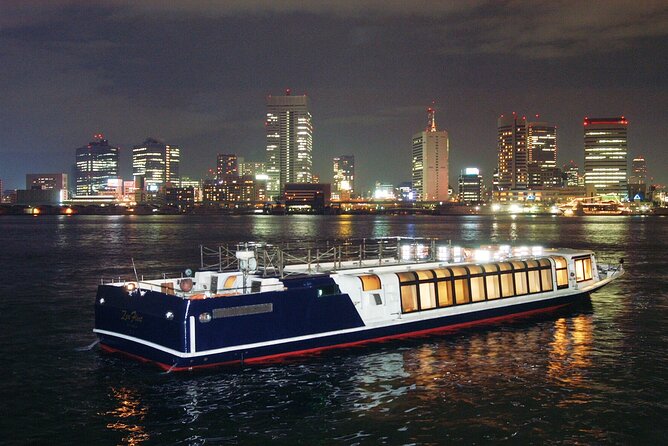
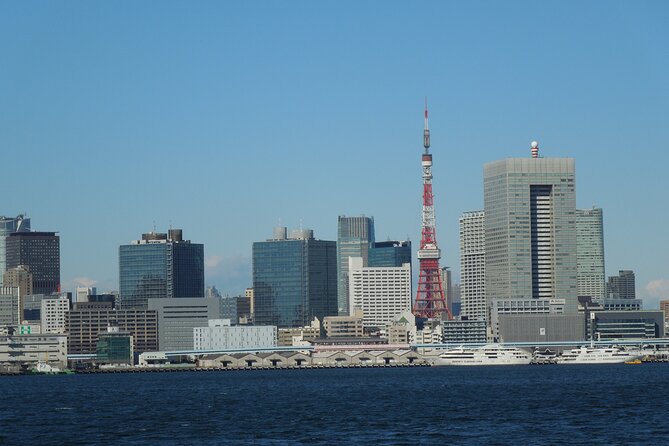
Tokyo Tower is usually seen from roads, parks, or high viewpoints. Here, you view it from the water, which changes its place in the city. The tower was Japan’s tallest television tower from 1958 until 2011, and it remains one of Tokyo’s most recognizable landmarks.
From the boat, the tower is part of a wider waterfront composition. You see it as a distant vertical marker rather than as the entire attraction. That makes the view particularly useful if you have already visited Tokyo Tower itself and want a different photograph.
At night, the tower is lit and becomes one of the cruise’s strongest visual moments. The lights across the city and their reflections on the water add mood, though low light can make photography trickier. If you want a sharp picture, steady your phone or camera and avoid relying only on quick snapshots from the moving boat.
The guide’s explanations add context to the view. The crew covers architecture and local history in English, and the commentary helps you understand why the tower remains important even after newer buildings took over its technical role.
Kachidoki Bridge and the working river
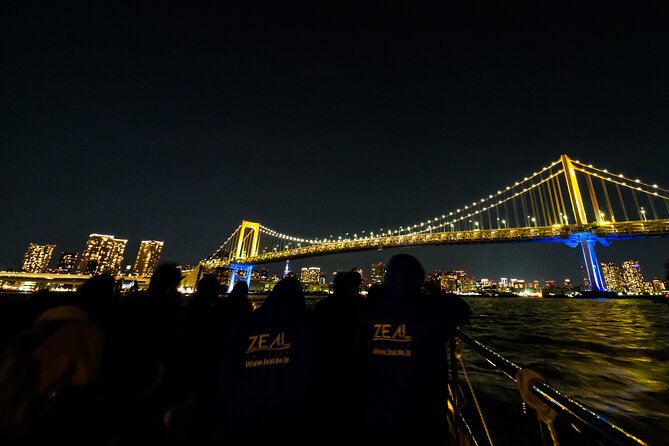
The route also passes beneath Kachidoki Bridge, one of the few bascule bridges in Japan. A bascule bridge lifts to let ships pass, and its design reflects the time when larger vessels used this part of the Sumida River.
This is a good example of why the cruise works better with commentary than as a silent boat ride. A bridge can look impressive without explanation, but learning that it was built for a river with heavier ship traffic gives the structure a practical story.
You may not get a long stop or a chance to study every detail. The boat continues along its route, so think of Kachidoki Bridge as part of a moving sequence rather than a single attraction. The reward is seeing several pieces of Tokyo’s waterfront infrastructure in one outing.
Tsukiji, Toyosu, and Tokyo’s food trade
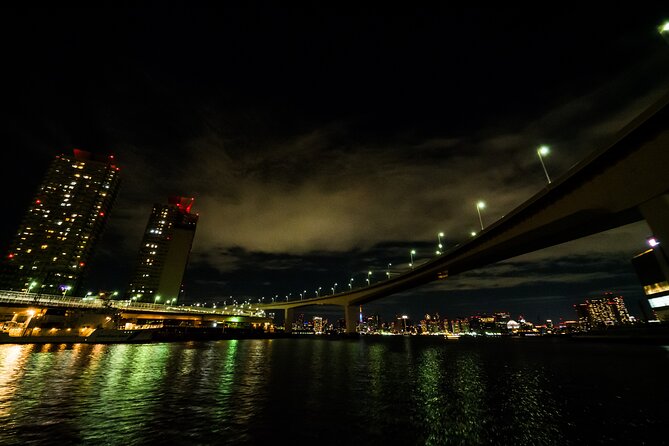
From the water, you pass the area associated with Tsukiji, once Japan’s largest central market. Its wholesale functions later moved to Toyosu because of the aging Tsukiji building.
The cruise also gives you a view toward the newer Toyosu market complex, now the core wholesale market in place of Tsukiji. Its building has a distinctive shape, and the whole structure is easier to appreciate from the water than from a crowded street-level approach.
This section adds useful context to a part of Tokyo that many people know mainly for sushi. Tsukiji’s old market remains a famous name, but the market system changed. From the boat, you can see the old and new waterfront story as part of the city’s larger shift.
Do not book this cruise expecting a market visit. You will view the buildings from the water, not shop, eat, or tour the market interiors. That limitation is also the point: the cruise provides a quick geographic overview without requiring a separate market stop.
Eitai Bridge and the city’s changing bridges
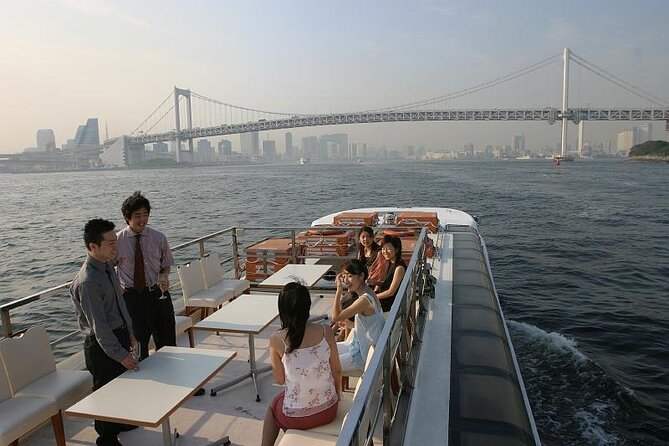
Eitai Bridge was built in 1926, and the route includes an explanation of its earlier development. Iron was first used in Japan for a road bridge in 1897, but a wooden floor later contributed to a fire that destroyed the structure.
Bridge history can sound like a small detail, yet it gives the ride a useful rhythm. Instead of looking at a succession of anonymous crossings, you begin to notice how Tokyo rebuilt, improved, and adapted its river routes.
The boat’s changing angle helps here. A bridge viewed from a roadway is mainly something you cross. A bridge viewed from below becomes a piece of engineering, with its underside, supports, and relationship to the river on display.
If your main goal is a skyline panorama, this portion may feel less dramatic than Rainbow Bridge or Tokyo Tower. If you enjoy city design and transport history, it gives the cruise more substance than a simple photo ride.
Odaiba Seaside Park and the meaning of daiba
The cruise passes through Odaiba Seaside Park, an area with a name tied to Japan’s defensive past. Daiba refers to a place where a cannon was positioned.
The term dates to the late Edo period, when the Tokugawa shogunate felt threatened by foreign ships. The waterfront defenses later gave way to the modern Odaiba district, but the name preserves that earlier purpose.
Seeing Odaiba from the water helps explain its geography. You are not only looking at a modern leisure area. You are following a shoreline shaped by defense, engineering, reclamation, and redevelopment.
This final part of the route also helps the cruise feel like more than a city-light outing. The views are attractive, but the setting has a story. Keep listening as the boat moves through the park, since the information about the name is easy to miss if you are focused only on photographs.
What the boat experience feels like
The boat is designed for a mix of sightseeing and comfort. The top deck is the place for unobstructed views and skyline photographs. The lower level has tables and seating, with air conditioning for people who want protection from the weather.
I like that you can move between the two rather than committing to one style for the full 90 minutes. You might begin outside for Rainbow Bridge, then sit downstairs during a commentary segment, or reverse that pattern when Tokyo Tower comes into view.
The boat also has a restroom, which is a small but important advantage on a short evening activity. The ride itself is described as smooth, and the crew has been praised for being kind, friendly, and helpful.
Food and drink are not included in the ticket. Alcoholic drinks and light snacks are available for purchase onboard. That gives you the option of adding a Japanese drink, but you should budget extra if that is part of your plan.
Who will get the most from this cruise
I would recommend this experience to you if you want a different view of familiar Tokyo sights. It is especially useful after several days of walking, shopping, and crowded stations because the pace is slower and the seating is built in.
It suits photographers who want bridge and skyline angles that are not available from the street. It also works for couples, families, and solo visitors who prefer a set route with commentary rather than planning a complicated waterfront excursion.
The cruise is a good fit for a final evening in Tokyo. One person used it as the closing activity of a three-week Japan trip, and the clean facilities, punctual departure, and calm boat ride made it a satisfying finish.
I would hesitate if you want an inexpensive boat ride or a long, detailed tour of every waterfront district. At $65.89, the value depends on how much you care about the viewpoint, the guided information, and the convenience of seeing several sights in 90 minutes.
Free cancellation is available up to 24 hours before the start time for a full refund. The cruise depends on good weather and a minimum number of participants. If poor weather or low enrollment cancels it, you can choose another date or experience, or receive a full refund.
Should you book the Tokyo Spectacular View cruise?
Book it if you want Tokyo’s lights, bridges, and waterfront districts presented together from the water. The strongest reasons are the passage under Rainbow Bridge, the night view of Tokyo Tower, the open-air deck, and the crew’s explanations.
Skip it if your budget is tight or if you prefer spending 90 minutes inside a market, museum, or neighborhood. This is a scenic overview, not a hop-on boat and not a substitute for visiting Tsukiji, Toyosu, Odaiba, or Tokyo Tower on foot.
For the best balance, choose the departure that matches your priority. Pick afternoon for clearer structural views and easier photography. Pick night for city lights and a more memorable atmosphere, but bring a warm layer and consider sitting downstairs if the upper deck feels cold.
FAQ
How long is the Tokyo Spectacular View Day-Cruise?
The cruise lasts approximately 1 hour and 30 minutes.
Where does the cruise start?
It starts at Tennozu Yamatsu Pier, 1-chōme-39-21 Higashishinagawa, Shinagawa City, Tokyo 140-0002, Japan.
Where does the cruise end?
The cruise returns to the same meeting point at Tennozu Yamatsu Pier.
What sights can I see from the boat?
The route includes views of Rainbow Bridge, Tokyo Tower, Kachidoki Bridge, Tsukiji, Eitai Bridge, Toyosu, and Odaiba Seaside Park.
Can I choose a daytime or nighttime cruise?
Yes. You can choose the cruise that best fits your schedule, with an afternoon or night option available.
Is there an outdoor viewing area?
Yes. The boat has a top deck where you can take photos and view the Tokyo skyline.
Can I stay indoors during the cruise?
Yes. The downstairs level has tables and seating, and the boat is air-conditioned.
Are food and drinks included?
No. Alcoholic beverages and snacks are not included in the ticket, but they are available for purchase onboard.
Is there a restroom on the boat?
Yes. A restroom is available onboard.
How many people can join the cruise?
The maximum group size is 57 people.
Newly reviewed around Tokyo
- Tokyo Asakusa:Calligraphy & Make T-shirt Activity★ 5.0 · 62 reviews
- Intercity Shuttle, Tokyo to Haneda /Narita /Yokohama /Makuhari★ 5.0 · 5 reviews
- 1 Hour Travel around Tokyo with a Professional Photographer★ 5.0 · 3 reviews
- Travel Tokyo with Your Own Personal Photographer★ 5.0 · 43 reviews
- Train in Samurai Swordsmanship and Defeat the Demon in Tokyo★ 5.0 · 5 reviews
- Shuttle Van 6hr Tokyo Tour to-and-from Tokyo, Yokohama and Narita★ 5.0 · 9 reviews
- Kickboxing & Body Training with EX-Pro Fighter★ 5.0 · 4 reviews
- Traditional Japanese Knife Sharpening Class★ 5.0 · 18 reviews
Tokyo Bay and Sumida River Cruises, compared.
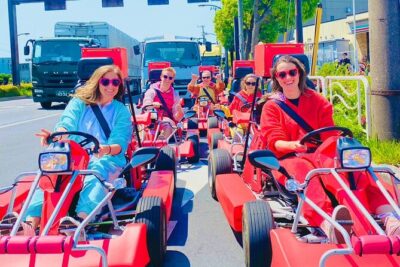
Flagship 2-Hours Official Street Go-Kart Tour – Tokyo Bay Shop
Read our review →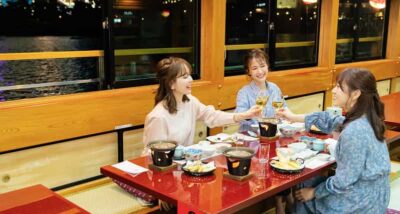
Sumida River: Japanese Traditional Yakatabune Dinner Cruise
Read our review →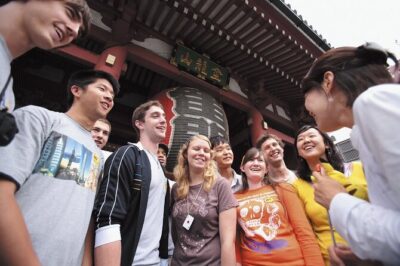
Dynamic Tokyo: Tokyo Tower, Tea Experience, Bay Cruise Day Tour
Read our review →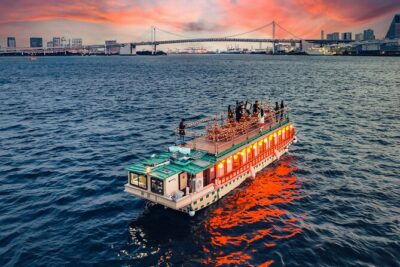
Tokyo Bay Yakatabune Dinner/Day Cruise with Japan Show and Drinks
Read our review →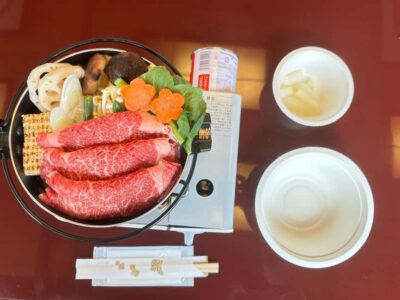
Tokyo Dinner Cruise & Tradition Show & Drinks & Tokyo Tower
Read our review →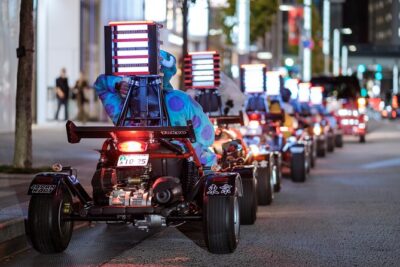
Official Japan Go-Kart Through Tokyo Bay / Ginza (IDP Required)
Read our review →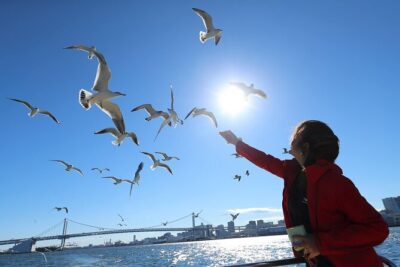
Scenic Bay Cruise with Local Guide on Private Boat
Read our review →Scenic Bay Cruise with Local Guide on Private Boat
Read our review →Browse the lists this tour appears in