
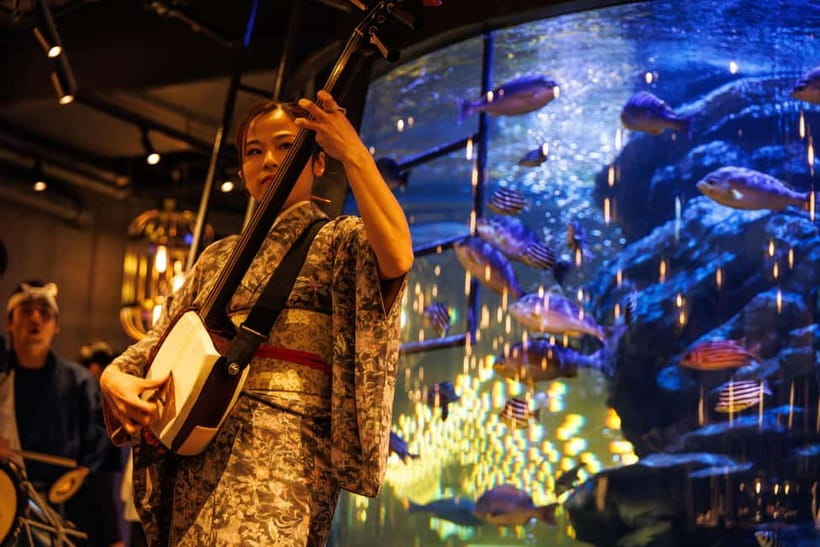
Reviewed · DINNER EXPERIENCES
Tokyo: Japanese Experiece Dinner with Diving Ama Performance
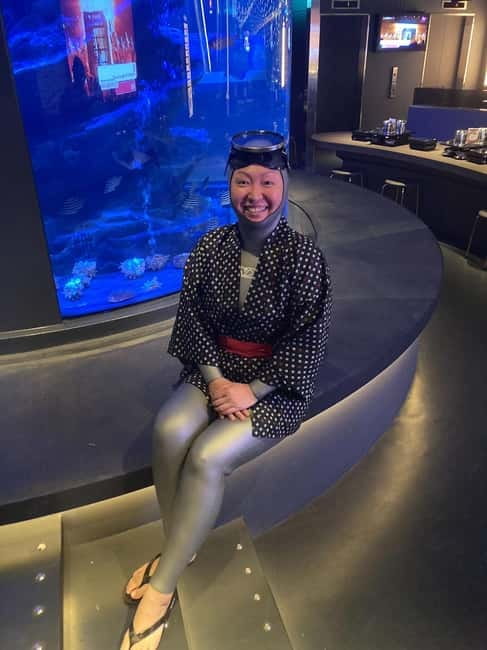
The main event here is an Ama performance staged beside a huge 20-ton aquarium. These traditional women sea harvesters have worked Japan’s coastal waters for more than 2,000 years, and the show gives you a close look at that culture in a Tokyo restaurant.
I like the fresh seafood and premium black wagyu, plus the freedom to choose your own broth and cooking style. I also like the blue aquarium light, which gives dinner a memorable setting. The catch is practical: finding the basement entrance can be surprisingly hard, and the experience may be less comfortable if you need English or dislike a warm, enclosed room.
Key points to know before booking
- A live Ama show beside a 20-ton aquarium: The performance is the reason to book, not just a backdrop to dinner.
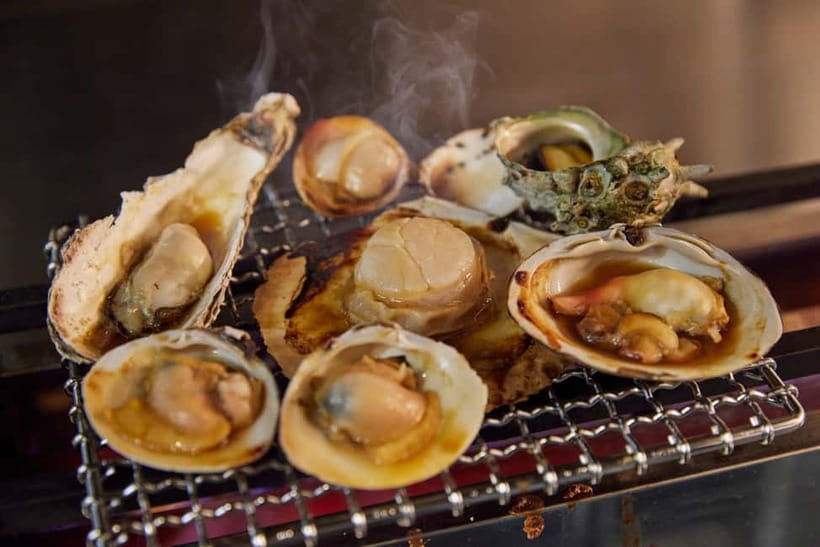
- Your own hotpot setup: Choose ingredients and a broth, with seafood hotpot, shabu-shabu, sukiyaki, wagyu yakiniku, and grilled seafood among the options.
- A two-hour cultural meal: The schedule combines food with an introduction to a Japanese coastal tradition more than 2,000 years old.
- One minute from Shimbashi Station: Use West Exit 7 and look for Grandhammer B1F, but allow extra time to locate the basement.
- Food is included, drinks are not: Drinks require separate cash payment.
- Best for curious eaters and families who plan ahead: The performance and aquarium are unusual, but the 5 p.m. start and Japanese-language setting may not suit everyone.
What makes the AMAJOH experience different
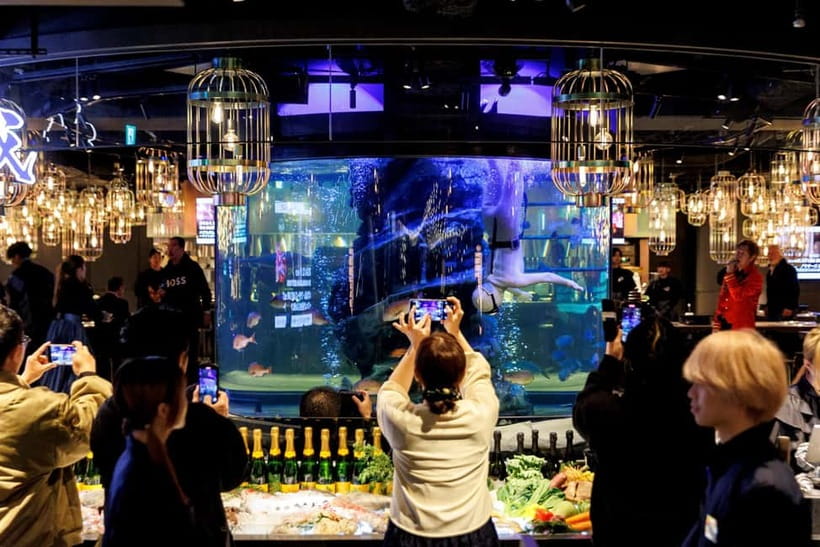
Many Tokyo meals give you food, atmosphere, or a cultural performance. AMAJOH tries to combine all three in one sitting. You enter a restaurant built around a large aquarium, then eat while an Ama performer presents the work and traditions of Japan’s coastal fishing communities.
The Ama are traditionally associated with gathering seafood from the sea without large boats or industrial equipment. Here, you are not visiting a remote fishing village, but the restaurant aims to connect coastal production areas with city diners. That makes the setting unusual: the performance brings a small piece of coastal life into central Tokyo.
I would book this for the cultural angle first and the meal second. If you only want a quiet, refined hotpot dinner, the performance and enclosed room may feel like distractions. If you want something you are unlikely to repeat elsewhere in Tokyo, the format has real appeal.
Other Tokyo days people book alongside this one:
- Mt Fuji and Hakone 1-Day Bus Tour Return by Bullet Train
★ 5.0 · 26,383 reviews - 1-Day Tokyo Bus Tour
★ 5.0 · 14,250 reviews - Tokyo: teamLab Planets TOKYO Digital Art Museum Entry Ticket
★ 4.6 · 9,779 reviews
Arriving at Grandhammer B1F near Shimbashi
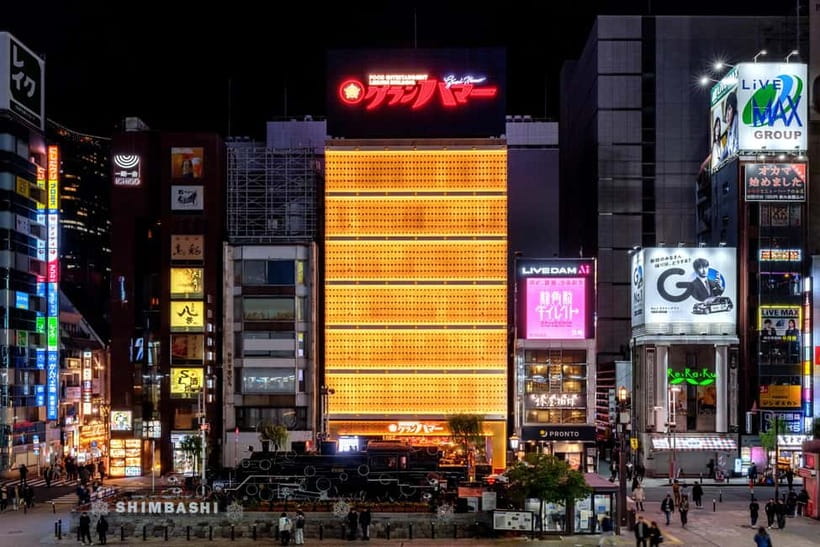
The meeting point is only about one minute from Shimbashi Station, at West Exit 7, directly in front of Shimbashi SL Square. On paper, this is easy. In practice, I would not treat the short walk as a guarantee of a quick arrival.
The restaurant is in Grandhammer B1F, a basement or lower-level space within a shared restaurant setting. The entrance is not necessarily obvious from the square, and the location can be difficult to identify even after you reach the right block. One family lost time walking around in the rain with children before learning that the venue was downstairs inside a shared co-op restaurant space.
Use the full name AMAJOH, Grandhammer B1F, and West Exit 7 when asking for help. Save the meeting details before leaving your hotel. If you are arriving for the 5 p.m. start, give yourself a little spare time rather than cutting it close.
The location is wheelchair accessible, which is useful for many visitors. Still, the basement setting means you should confirm the route and entrance if you have particular mobility needs. The supplied information confirms accessibility, but it does not describe the exact elevator or door arrangement.
The aquarium setting and the live Ama presentation
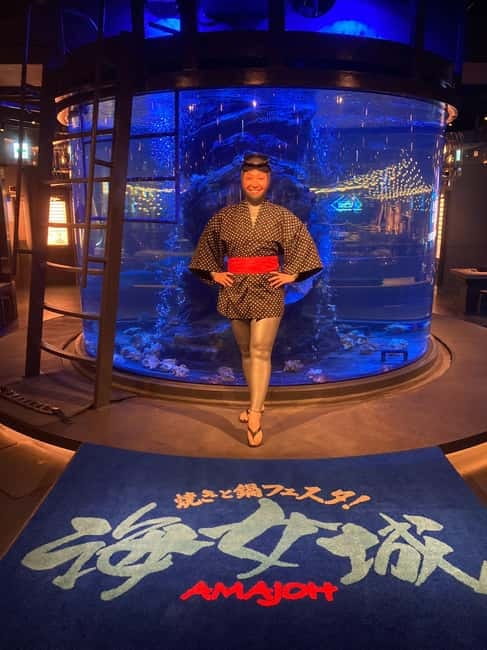
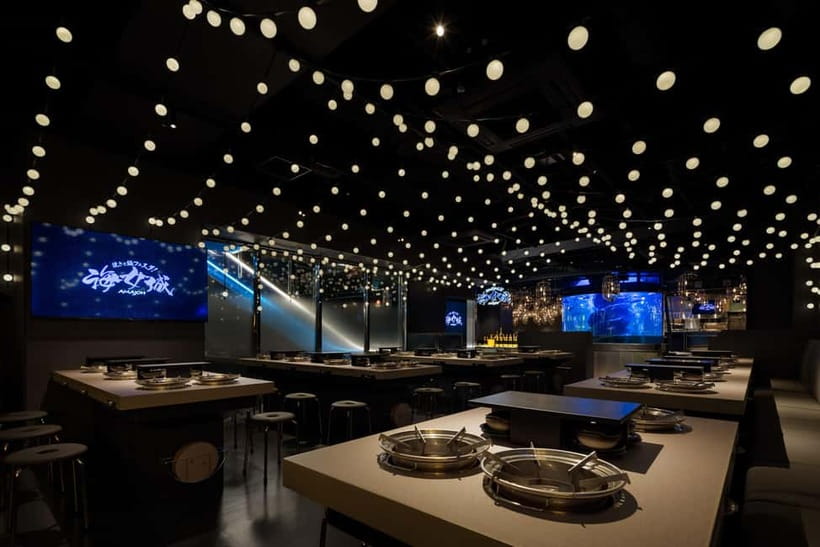
The 20-ton aquarium is the visual center of the restaurant. Blue light from the water mixes with warm-colored interior lighting, creating a room that feels more theatrical than an ordinary hotpot shop.
The Ama presentation takes place right before you. It is designed to show the fishing practice and explain the culture behind it, rather than simply provide background music or a costumed photo opportunity. The subject has more than 2,000 years of history, so even a short presentation gives your meal a clear cultural theme.
Keep your expectations sensible. This is a restaurant performance, not a full museum exhibit or a visit to an active coastal community. You will get a staged introduction in an urban dining room. That is still worthwhile if you want a concise and accessible look at Ama culture without leaving Tokyo.
The aquarium also affects your seat and attention. You have a view of the tank, but the room’s lighting and performance are part of the meal. If you prefer bright, open restaurants, this may feel a little enclosed. One assessment described the atmosphere as stuffy, so warm clothing is not the only comfort issue to consider. Choose comfortable clothes, as recommended, and avoid arriving overdressed.
How the two-hour meal unfolds
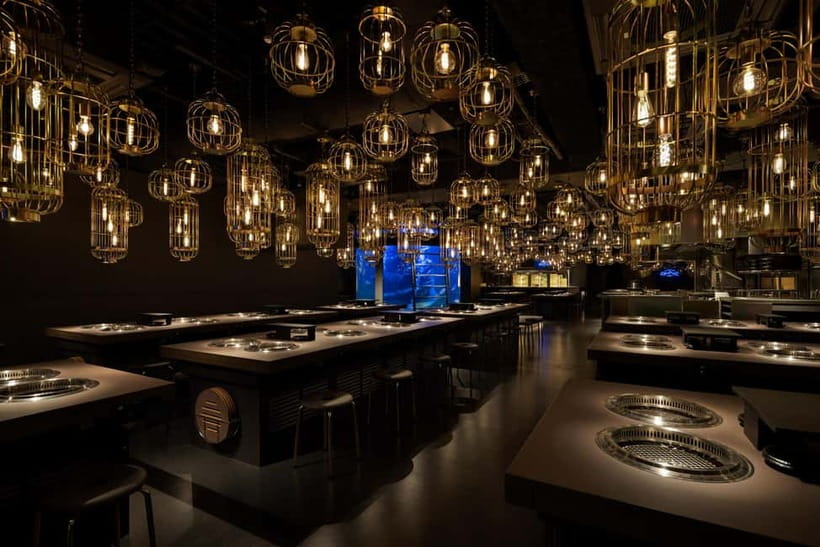
The experience lasts two hours. The exact starting time depends on availability, and one listed start is 5 p.m. That timing may suit an early dinner, but it can be awkward if you are trying to fit in an evening concert, a late museum visit, or a longer Tokyo night out.
The meal and show are combined rather than separated into a long sightseeing schedule. You settle in, take in the aquarium, choose your food and broth, and watch the Ama presentation during the dining period. The performance is the central activity, so you should not expect several separate stops or a walking tour.
Your hotpot is prepared for one person, giving you more control than a large shared pot. This is a useful feature for couples or small groups with different tastes. You can select ingredients and choose how the meal is prepared, with options including seafood hotpot, shabu-shabu, sukiyaki, wagyu yakiniku, and grilled seafood.
Because the format is personal, you can focus on seafood, choose black wagyu, or mix the two if the selected plan allows it. The information confirms choice of ingredients and broth, but it does not provide a complete menu or explain how many selections are available. Check the choices at booking or on arrival if you have allergies or a strict diet.
More Tokyo dinner experiences:
- Tokyo Bar Hopping Tour in Shinjuku (All-You-Can-Drink + Dinner)
★ 5.0 · 3,587 reviews - Tokyo: Sumo Show and Dining Experience
★ 4.8 · 2,742 reviews - Sumida River: Japanese Traditional Yakatabune Dinner Cruise
★ 4.6 · 779 reviews - Tokyo Bay Yakatabune Dinner/Day Cruise with Japan Show and Drinks
★ 4.5 · 473 reviews
Choosing between seafood, wagyu, and broth
The food is where the $88 price needs careful thought. You are not paying only for a hotpot. The price also covers the performance, the unusual aquarium setting, consumption tax, and service fee. For someone seeking a standard bowl of hotpot, that is expensive. For someone who values a cultural show and a one-of-a-kind dining room, the package is easier to justify.
Fresh seafood is the natural choice for connecting the meal to Ama traditions. The restaurant also offers premium black wagyu, which changes the character of the dinner from a seafood-focused cultural meal to a more luxurious Japanese hotpot.
Shabu-shabu gives you a lighter cooking style, while sukiyaki brings a sweeter, fuller flavor. A seafood hotpot keeps the focus on the coastal theme. Wagyu yakiniku and grilled seafood offer alternatives if you do not want a broth-based meal.
I like the personal hotpot arrangement because it avoids the usual compromise of sharing one broth. You can make a different choice from the person beside you, and you do not have to negotiate every ingredient. The tradeoff is that a personal setup can feel less communal, especially if you expected a large family-style meal.
Drinks are not included. They require separate cash payment, so bring cash even if your food is prepaid. The available information does not specify drink prices or the full beverage list, so do not assume your $88 covers anything beyond the stated food, show, tax, and service.
Language, timing, and comfort concerns
This is the part I would weigh most carefully. The performance and service received strong praise from one English-speaking customer, along with the food. At the same time, another booking described the experience as disappointing because the presentation and atmosphere did not suit a non-Japanese speaker.
The language issue matters because the cultural explanation is part of the value. If you cannot follow Japanese, you may still enjoy the visual performance and meal, but you may miss some of the meaning behind the Ama tradition. The supplied information does not promise an English-speaking guide, translation, or written explanation.
The 5 p.m. timing also deserves attention. It is not a poor time in itself, especially if you prefer an early dinner, but it will not fit every sightseeing plan. Check the available start times before you commit, and do not assume you can freely switch to a later seating.
The enclosed room may be another concern. Blue aquarium lighting sounds atmospheric, but one assessment found the room stuffy. You should choose comfortable clothes and think twice if you are sensitive to warm interiors or crowded basement restaurants. The information does not give a group size or table layout, so I would not book this expecting a spacious room.
Who will get the most from this meal
This experience suits you if you want an unusual cultural activity close to a major Tokyo station. It is especially appealing if you enjoy seafood, want to try black wagyu, and like meals with a story attached.
Families may appreciate the aquarium and live presentation, but the entrance problem can be frustrating with children, luggage, or bad weather. Arrive early, keep the directions ready, and avoid making the restaurant your first stop after a rushed transfer.
It can also work for couples who want a memorable dinner rather than a conventional restaurant. The aquarium light and performance give the meal a clear sense of occasion. You should be comfortable with a set two-hour format and a restaurant that may feel warm or enclosed.
I would be more cautious about recommending it to someone who wants full English interpretation, a quiet meal, or a flexible late-night schedule. There is no confirmed English-language service in the information provided, and the cultural value depends partly on understanding the presentation.
Practical value at $88 per person
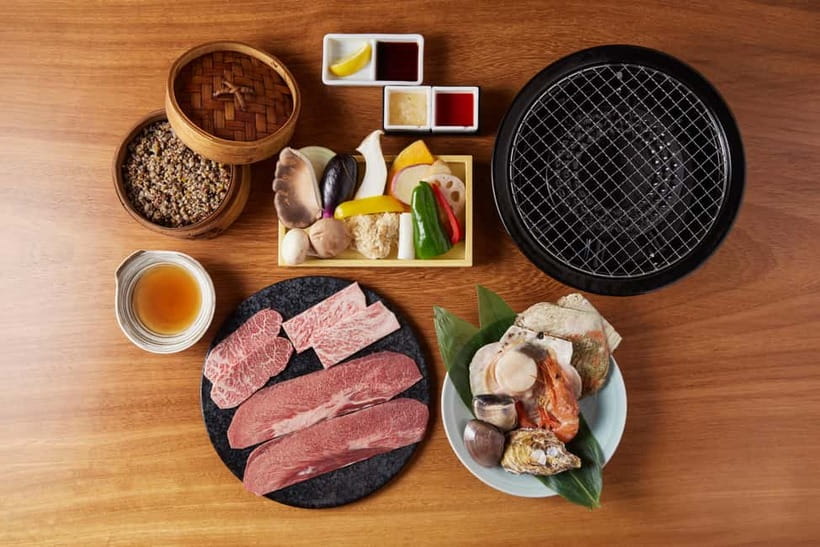
At $88, this is a special-event meal, not a bargain dinner. The price includes food, the Ama show, tax, and service, which makes budgeting simple. You will not need to add a separate admission fee for the performance.
The value improves if you would otherwise pay for a cultural show and a quality dinner separately. The aquarium setting also gives you something you cannot reproduce with an ordinary hotpot reservation. The value drops if you do not eat seafood, do not want wagyu, or cannot follow the presentation.
I would compare the price with your evening plans, not just with other meals. If you are already spending money on a Tokyo show, this may feel like an extra performance attached to dinner. If you want one distinctive evening activity near Shimbashi, it can replace two separate bookings.
Free cancellation up to 24 hours before the experience and the option to reserve now and pay later make the booking less risky. Still, those flexible terms do not solve the practical issues of finding the entrance, paying cash for drinks, or deciding if the timing suits you.
Should you book AMAJOH?
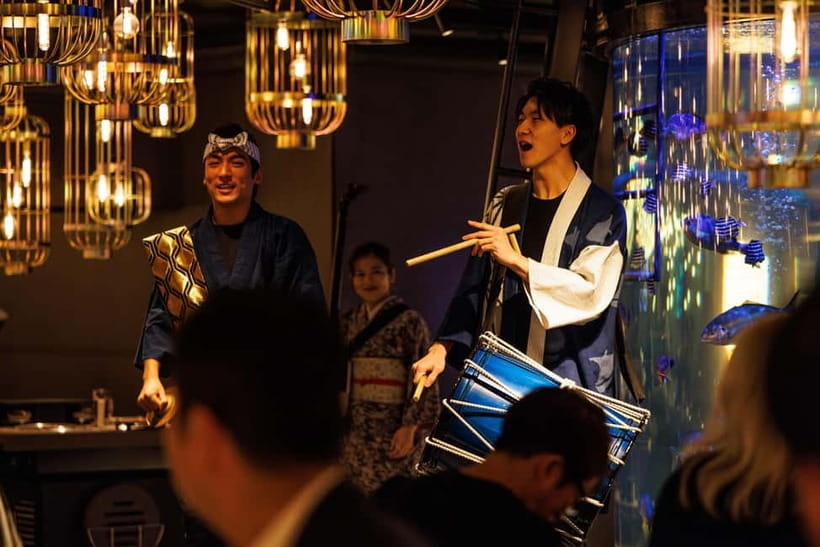
Book it if you want a rare Tokyo dining format: a personal hotpot, fresh seafood or black wagyu, a 20-ton aquarium, and a live look at Ama culture. The strongest reasons to go are the food, the performer, and the unusual connection between a city meal and Japan’s coastal traditions.
Skip it if you need a clearly English-led cultural program, dislike basement restaurants, or want a relaxed late dinner. If you book, save the exact Grandhammer B1F directions, arrive early at West Exit 7, wear comfortable clothes, and bring cash for drinks.
With a rating of 4.2 from the available feedback, the experience looks promising but not foolproof. I would call it a good choice for curious eaters who value originality, provided you treat the location, language, and 5 p.m. timing as real planning points rather than small details.
FAQ
Where is the Ama restaurant located?
AMAJOH is in Grandhammer B1F, about one minute from Shimbashi Station. Use West Exit 7 and look in front of Shimbashi SL Square.
How long does the experience last?
The experience lasts two hours.
What does the price include?
The price includes food, the Ama performance, consumption tax, and the service fee.
Are drinks included?
No. Drinks are separate and require cash payment.
What food choices are available?
Options include fresh seafood, premium black wagyu, wagyu yakiniku, grilled seafood, shabu-shabu, sukiyaki, and seafood hotpot. You can select ingredients and a broth for the hotpot.
Is the Ama performance included?
Yes. The live Ama performance is included in the experience.
Is the activity wheelchair accessible?
Yes, the activity is listed as wheelchair accessible.
Can I cancel for a full refund?
Yes. You can cancel up to 24 hours in advance for a full refund. You can also reserve now and pay later.
Newly reviewed around Tokyo
- Tokyo Asakusa:Calligraphy & Make T-shirt Activity★ 5.0 · 62 reviews
- Intercity Shuttle, Tokyo to Haneda /Narita /Yokohama /Makuhari★ 5.0 · 5 reviews
- 1 Hour Travel around Tokyo with a Professional Photographer★ 5.0 · 3 reviews
- Travel Tokyo with Your Own Personal Photographer★ 5.0 · 43 reviews
- Kickboxing & Body Training with EX-Pro Fighter★ 5.0 · 4 reviews
- Train in Samurai Swordsmanship and Defeat the Demon in Tokyo★ 5.0 · 5 reviews
- Shuttle Van 6hr Tokyo Tour to-and-from Tokyo, Yokohama and Narita★ 5.0 · 9 reviews
- Traditional Japanese Knife Sharpening Class★ 5.0 · 18 reviews
Dinner Experiences, compared.
Tokyo Bar Hopping Tour in Shinjuku (All-You-Can-Drink + Dinner)
Read our review →
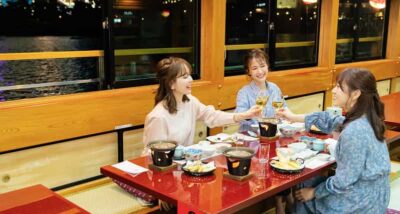
Sumida River: Japanese Traditional Yakatabune Dinner Cruise
Read our review →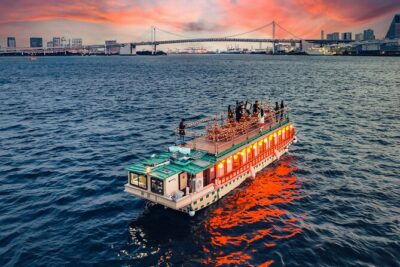
Tokyo Bay Yakatabune Dinner/Day Cruise with Japan Show and Drinks
Read our review →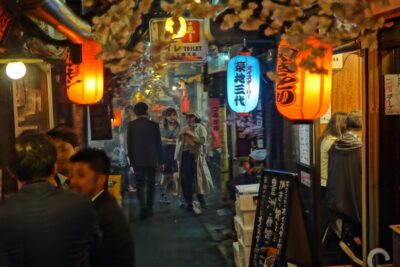
Shinjuku Bar Hopping with All-You-Can-Drink & Dinner
Read our review →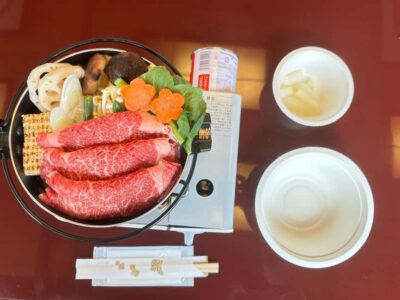
Tokyo Dinner Cruise & Tradition Show & Drinks & Tokyo Tower
Read our review →
Authentic Geisha Performance with Dinner in Tokyo
Read our review →
Browse the lists this tour appears in