
Reviewed · SHIBUYA TOURS
Shibuya: Pachinko Gaming Experience
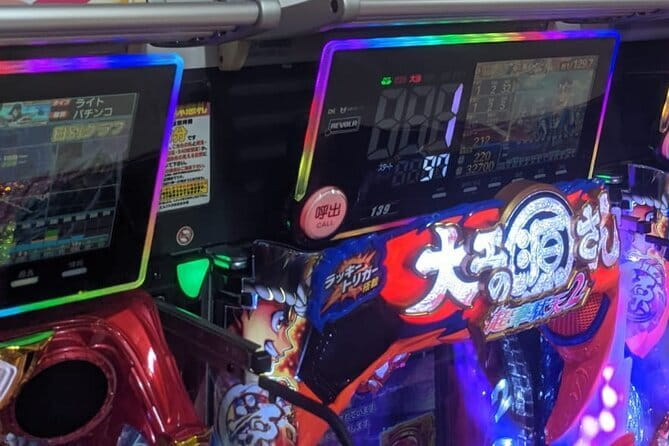
Shibuya pachinko is loud, bright, fast, and a little bewildering at first. This one-hour tour gives you a way into that world without standing helplessly in front of a machine. You’ll hear how pachinko grew from a simple mechanical game into one of Japan’s best-known pastimes, then try the basics inside a parlor.
I like the tiny group size, limited to three people, and the plain English instruction. I also like that the guide allows time for questions. The main drawback is that the $19 price does not cover the balls you play with or drinks, and one unhappy customer had trouble reaching the provider after getting lost.
Key points at a glance
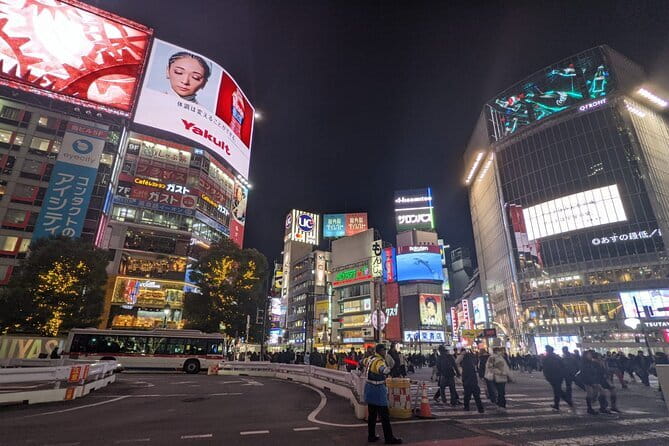
- Start beside Hachiko: Meet at the lottery ticket booth on the right side of the Hachiko statue, with the guide holding a blue tablet.
- Learn before you play: The guide explains pachinko rules, machine controls, and how to launch the metal balls.
- Small group format: With no more than three participants, you can ask questions instead of waiting behind a crowd.
- One hour in Shibuya: The tour begins and ends at Hachiko, making it easy to fit around sightseeing in the district.
- Bring extra yen: Your $19 booking covers the guide and interpretation, but not pachinko play or drinks.
- Best for adults: The activity is not suitable for anyone under 18.
Pachinko, explained before the noise begins
Pachinko can look like a wall of flashing machines and flying metal balls. That is part of the appeal, but it is also the reason a first visit can feel awkward. This tour starts with an explanation of the game and its place in Japanese entertainment culture, so you are not expected to work everything out by watching strangers.
The game developed in Japan during the early 20th century from a simple mechanical amusement inspired by Western pinball. Over time, it became a more elaborate arcade-style activity, with rows of machines, bright displays, electronic sounds, and a steady rhythm of balls moving through the playfield.
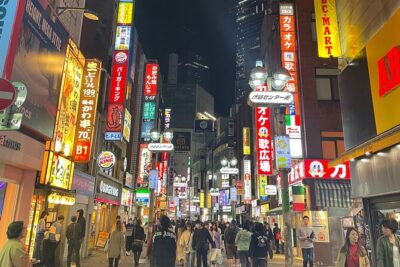
You will hear that background as you walk through Shibuya. The history matters because pachinko is not simply another arcade game. It has become part of Japan’s modern leisure culture, and a pachinko parlor gives you a close look at an everyday Japanese pastime that many short visits to Tokyo miss.
The tour does not ask you to become an expert. Instead, it aims to keep you from making the classic beginner mistakes: not knowing where to begin, handling the machine incorrectly, or feeling lost when the lights and sounds start competing for your attention.
More things to do in Shibuya:
- Official Street Go-Kart in Shibuya
★ 5.0 · 3,435 reviews - Tokyo: Street Kart Experience in Shibuya
★ 4.9 · 1,484 reviews - Shibuya Meltdown Nightlife Tour: All-You-Can-Drink Bar Hopping
★ 5.0 · 1,058 reviews
Meeting at Hachiko in central Shibuya
The meeting point is beside the Hachiko Memorial Statue, one of Shibuya’s easiest landmarks to find. Look on the right side of the statue for the lottery ticket booth. The guide waits in front of that booth and carries a blue tablet.
Arrive five minutes before the scheduled start. This is good advice in Shibuya, where the station exits, crowds, and constant movement can make a short walk feel longer than expected. If you cannot find the guide, contact the provider directly. The stated waiting time is 20 minutes, after which a late arrival can be treated as a no-show.
The meeting point is convenient, but it is also the tour’s one clear practical weak spot. Shibuya Station and Hachiko Square can be confusing, especially if you come from the wrong station exit. Save the coordinates, 35.6590579, 139.7006293, before you leave your hotel, and allow extra time to reach the statue.
The tour returns to Hachiko after the hour. That makes the activity simple to fit into a day of shopping, sightseeing, or an evening meal in Shibuya.
A short walk through Shibuya’s pachinko culture
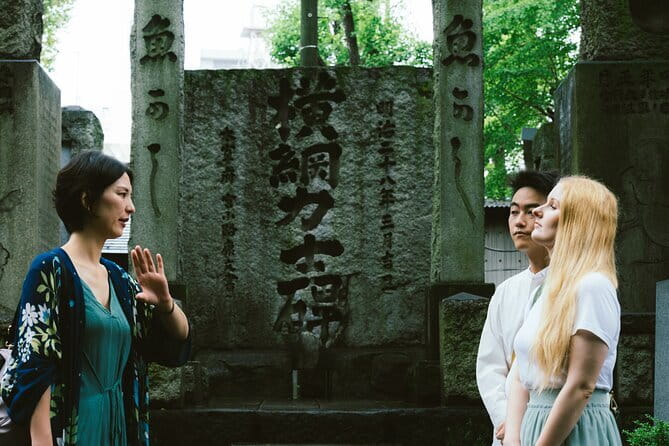
After meeting your guide, you spend the first part of the hour learning what you are about to see. The guide talks through pachinko’s development and explains why parlors are such a recognizable feature of Japanese city life.
This is not a long historical lecture. The value is practical. You get enough background to understand the setting before you enter, and you can ask questions in English as they occur. The activity includes translation and interpretation, which is useful when unfamiliar machine terms or instructions appear.
The guide also points out how pachinko fits into Shibuya’s entertainment scene. You are not just being led to a machine and told to press a button. You are getting a brief look at a social and gaming habit that has been part of Japan for generations.
Keep your expectations in proportion. The activity lasts one hour, so the walking and cultural context are introductory rather than extensive. If you want a full history of Japanese gaming or a long tour of several parlors, this is too short. If you want enough context to make your first attempt less confusing, the timing works well.
Inside the parlor: lights, sound, and metal balls
The actual parlor is the heart of the experience. Once inside, you learn the basic process: obtaining your first set of metal balls, placing yourself at a machine, and using the controls to launch them.
Pachinko depends on repetition and timing rather than a simple win button. Your guide explains how to aim and how the machine works, then gives you a chance to practice. The setting can be noisy, and the machines are designed to hold your attention with constant light and sound. That atmosphere is part of the experience, but it can make instructions harder to catch.
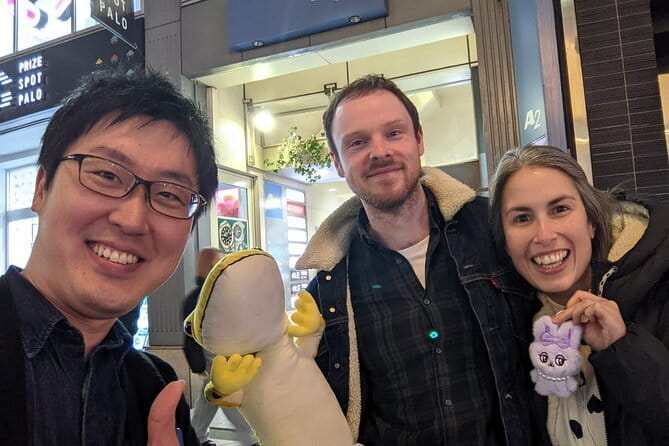
This is where the small group matters. With a limit of three participants, you have a better chance to ask for a second explanation or get help with the controls. A large group would make a hands-on activity like this less useful, especially for someone who has never seen pachinko before.
The guide offers tips intended to help you aim for a jackpot and make the most of your play. Treat those tips as instruction, not a promise of winning. Pachinko is still a game of chance, and the tour cannot guarantee a result.
You should also budget for the gaming fee. The $19 covers the guided tour, the rules explanation, and English interpretation. It does not cover the cost of pachinko play, and drinks are also extra. The additional amount is not given, so you should be prepared to pay separately at the parlor.
A completely different kind of day in Tokyo:
- Mt Fuji and Hakone 1-Day Bus Tour Return by Bullet Train
★ 5.0 · 26,383 reviews - 1-Day Tokyo Bus Tour
★ 5.0 · 14,250 reviews - Tokyo: teamLab Planets TOKYO Digital Art Museum Entry Ticket
★ 4.6 · 9,779 reviews - Mt Fuji & Hakone Cruise, Drum Show Bullet Train 1 Day from Tokyo
★ 4.0 · 7,413 reviews
Why the instruction earns high marks
The strongest part of this experience is the guide’s ability to make the game understandable. Several ratings praise the clear explanations, patience, and positive attitude during play. One participant specifically noted having enough time to ask questions, which is important in a one-hour activity built around unfamiliar equipment.
Ing is named as one guide, and is praised for explaining the unusual game clearly. Another booking describes the guide as upbeat when the participant started winning. That positive tone can help if you feel self-conscious at the machine, particularly when you are learning in a busy parlor.
The instruction is not only about rules. It also helps with the small practical decisions that make the first attempt less embarrassing: how to start, where to direct the balls, and what the machine is doing when the lights change.
Still, guide quality and communication before the meeting are not exactly the same thing. One rating describes a serious problem reaching the provider while the participant was lost before the tour. That makes preparation important. Save the meeting instructions, arrive early, and do not rely on last-minute messages alone.
Is $19 good value for one hour?
At $19 per person, this is a reasonable price for a guided introduction in central Tokyo, particularly if you value interpretation and a small group. You are paying for access to an activity that can be hard to understand on your own, plus the chance to ask questions in English.
The value is strongest for first-time visitors. You could enter a pachinko parlor independently, but you might not understand the controls, the purchase process, or the basic aim of the game. The tour removes that first barrier.
The price is less attractive if you already know pachinko or simply want to watch the machines for a few minutes. The tour is short, and your actual game cost is separate. It is best viewed as a cultural introduction with hands-on play, not as an all-inclusive gambling session.
Because the group is limited to three, the price also buys personal attention. That is useful for nervous beginners and for anyone who wants an explanation rather than a quick photo stop.
Who should book this Shibuya activity?
This tour suits adults curious about Japanese gaming culture, visitors who enjoy trying unusual local pastimes, and anyone who wants a guided first attempt instead of wandering into a parlor alone.
It also works well for solo visitors. A small group gives you company without the scale of a bus tour, and the one-hour length is easy to place between other Shibuya plans.
You should book it if the idea of pachinko interests you but the machines look intimidating. You should also book it if you want a short activity with a clear meeting point, English guidance, and a hands-on element.
It may not suit you if you dislike loud gaming rooms, want a long cultural tour, or expect your booking fee to include all play costs. Children under 18 cannot take part, so this is an adults-only choice.
The activity is listed as wheelchair accessible, which makes it a practical option for visitors who need an accessible tour format. You should still confirm any personal access requirements when booking, since the information provided does not describe the parlor’s exact layout.
Timing, cancellation, and what to prepare
The tour lasts one hour and is offered at different start times depending on availability. Since it begins and ends at Hachiko, you do not need to plan a separate return journey.
Free cancellation is available up to 24 hours before the start time for a full refund. You can also reserve now and pay later, which helps if your Tokyo schedule is still changing.
Before you go, note the meeting instructions in your phone. Find the Hachiko statue and then locate the lottery ticket booth on its right side. Look for the guide holding a blue tablet.
Bring money for the pachinko fee, since it is not included. Drinks are also not included. The tour is in English, and translation and interpretation are part of the service.
The current rating is 4.4 from 14 ratings. Most of the available comments praise the explanations, patience, and fun atmosphere, while the main warning concerns difficulty contacting the provider when a participant was lost.
Should you book the pachinko experience?
Book it if you want a guided, low-pressure introduction to one of Japan’s most recognizable gaming traditions. The three-person limit, English instruction, and chance to practice make the activity more useful than simply stepping into a parlor without context.
Skip it if you already understand pachinko, want a longer historical tour, or do not want to pay extra for the game itself. For most curious adults, though, $19 is a fair entry price for one hour of explanation and hands-on play in central Shibuya. Just arrive early, save the meeting details, and bring extra money for the machine.
FAQ
Where does the pachinko tour meet?
Meet near the Hachiko Memorial Statue in Shibuya. On the right side of the statue, find the lottery ticket booth. The guide waits in front of the booth and holds a blue tablet.
How long does the activity last?
The guided activity lasts one hour. It starts and ends at the Hachiko Memorial Statue.
Is the pachinko gaming fee included?
No. The $19 tour price does not include the pachinko gaming fee. Drinks are also not included.
Is the tour conducted in English?
Yes. The tour has a live English-speaking guide and includes translation and interpretation.
How many people can join the tour?
The activity is limited to three participants, making it a small-group experience.
Can children join the tour?
No. The activity is not suitable for children under 18.
Can I cancel for a refund?
Yes. You can cancel up to 24 hours in advance for a full refund. Reserve-now, pay-later booking is also available.
Newly reviewed around Tokyo
- Tokyo Asakusa:Calligraphy & Make T-shirt Activity★ 5.0 · 62 reviews
- Intercity Shuttle, Tokyo to Haneda /Narita /Yokohama /Makuhari★ 5.0 · 5 reviews
- 1 Hour Travel around Tokyo with a Professional Photographer★ 5.0 · 3 reviews
- Travel Tokyo with Your Own Personal Photographer★ 5.0 · 43 reviews
- Train in Samurai Swordsmanship and Defeat the Demon in Tokyo★ 5.0 · 5 reviews
- Shuttle Van 6hr Tokyo Tour to-and-from Tokyo, Yokohama and Narita★ 5.0 · 9 reviews
- Kickboxing & Body Training with EX-Pro Fighter★ 5.0 · 4 reviews
- Traditional Japanese Knife Sharpening Class★ 5.0 · 18 reviews
Shibuya Tours, compared.

Shibuya Meltdown Nightlife Tour: All-You-Can-Drink Bar Hopping
Read our review →
Shibuya Official Street Go-Kart in Shibuya Annex
Read our review →

Premium Go-Kart Tour with Tower & Shibuya Crossing
Read our review →Browse the lists this tour appears in