
Reviewed · TOKYO
Premium 14-Piece Sushi & Cultural Discovery with Chef Interaction
The best part of this Tokyo experience is the chance to watch sushi being made at close range, then taste the results piece by piece. At REONA Sushi Tokyo, chefs demonstrate Edomae methods such as searing, simmering, marinating, and wrapping, rather than simply placing a plate in front of you.
I like the small maximum of five people and the built-in comparisons. You can taste how rice preparation, premium ingredients, and freshly grated wasabi change the final bite. The main drawback is the price, $171.73 per person, and the restaurant cannot accommodate allergies or dietary restrictions involving rice, soy, or seafood.
Key points at a glance
- Fourteen pieces are included: The premium omakase course provides a full meal, not just a short demonstration.
- Chef interaction is central: You sit at an exclusive counter and watch techniques up close.
- Comparative tastings sharpen your palate: Rice, wasabi, and ingredient quality are explained through direct tasting.
- The group is very small: A maximum of five people allows room for questions and clearer views.
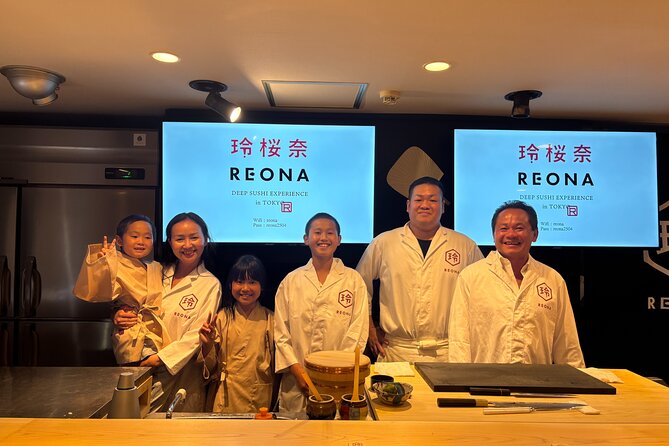
- You can step behind the counter: The chef’s workspace visit includes time for commemorative photos.
- Families need to choose the booking plan carefully: Children receive a separate meal in the Kids’ Room, not the adult sushi course.
A sushi lesson built around the chef’s counter
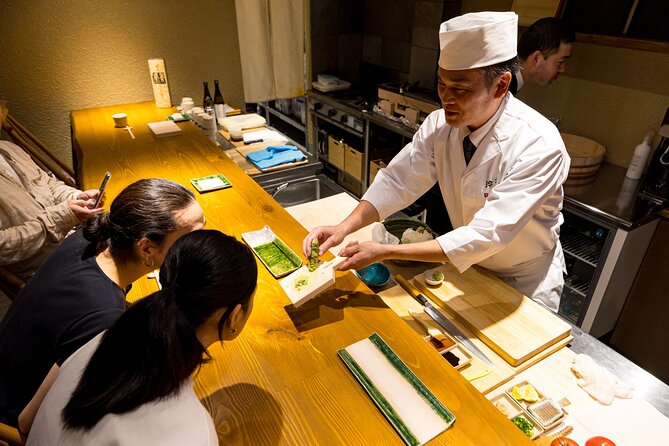
This is not a standard restaurant meal with a few facts added at the end. The experience is arranged as a guided lesson, with the chef working in front of you and explaining what is happening as the sushi course progresses.
You begin at an authentic sushi restaurant at 3-chōme-3-6 Kanda Surugadai in Chiyoda City. An English-speaking guide welcomes you, explains the session, and seats you at the exclusive chef’s counter. That seating matters. You are close enough to follow the chef’s hand movements, tools, and preparation methods instead of watching from across a large dining room.
The group limit is five people, which is one of the strongest practical features. A sushi counter can be hard to enjoy in a large group because sightlines become poor and questions may be rushed. Here, the small setting should make the demonstrations easier to follow and the conversation more direct.
The advertised duration is two hours, with the standard course lasting up to two and a half hours. That gives the meal enough time to feel like a lesson rather than a quick tasting. You should still allow extra time around the scheduled start, especially if you want to order a drink or take photos at the end.
Other Tokyo days people book alongside this one:
- Mt Fuji and Hakone 1-Day Bus Tour Return by Bullet Train
★ 5.0 · 26,383 reviews - 1-Day Tokyo Bus Tour
★ 5.0 · 14,250 reviews - Tokyo: teamLab Planets TOKYO Digital Art Museum Entry Ticket
★ 4.6 · 9,779 reviews
Fourteen pieces, served as a lesson in flavor
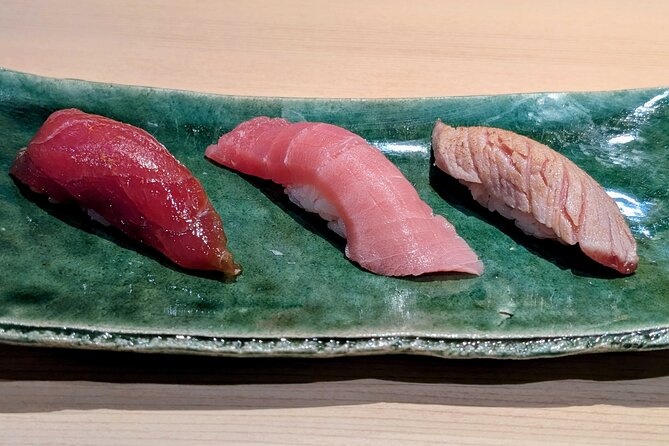
The meal includes a 14-piece premium sushi course. You are not paying only for access to a chef demonstration, and you should not leave hungry after a normal adult booking.
The course is described as omakase, meaning the chef selects the sushi served. The exact pieces are not specified, so you should not book this expecting a fixed list of fish. That uncertainty is part of the format, but it also means the meal may not suit you if you need complete control over every ingredient.
The most useful part of the meal is the comparative tasting. You are shown how small changes affect the finished sushi, including:
- Different approaches to preparing the rice
- Premium ingredients compared with standard ingredients
- Freshly grated wasabi compared with standard wasabi pastes
- The effect of techniques such as searing and marinating
These comparisons give you something to look for during the rest of your time in Japan. Sushi can appear simple, but the rice temperature, seasoning, texture, and balance with the topping all affect the bite. The lesson helps you notice those details instead of treating every piece as interchangeable.
I also like that the explanations include tools and equipment. A sushi chef’s knife, wrapping materials, and other counter tools are not just decoration. Their shape and use reflect the precision required to prepare each piece. You will not become a sushi chef in two hours, but you should leave with a better idea of why professional preparation takes so much care.
Edomae methods you can watch up close
The chef demonstrations focus on classic Edomae techniques. These include simmering, searing, marinating, and wrapping. Each method gives the chef a way to change texture, control flavor, or prepare an ingredient for serving.
Searing is especially easy to understand when you can see it done directly in front of you. It may bring out aroma and change the surface of an ingredient while leaving the interior different. Marinating shows another side of sushi preparation, as the chef works with time and seasoning before the fish reaches the rice.
Simmering and wrapping may sound less dramatic, but they are useful reminders that sushi is not limited to raw fish placed on rice. Edomae sushi developed techniques for preserving and preparing seafood, and this session gives you a practical look at those methods without requiring a long lecture.
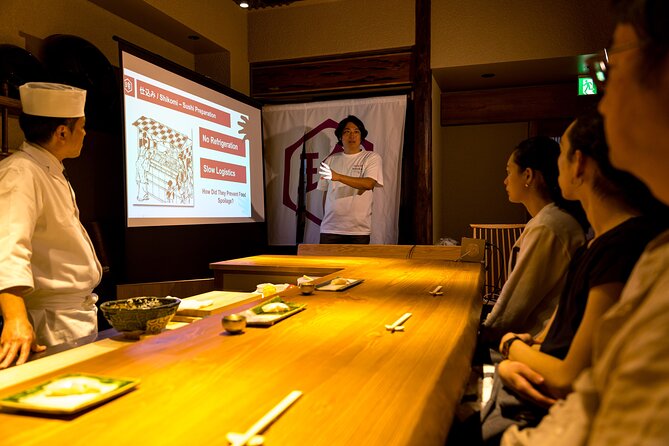
The guide adds cultural context as the chefs work. Visual aids and videos are also part of the teaching approach, which should help if you do not already know the difference between sushi styles or the purpose of particular tools.
The presentation seems suited to beginners. You do not need prior sushi knowledge to follow the comparisons, and even someone who is unsure about fish may find the structure helpful. One published response came from someone who did not consider themselves a fish lover but still enjoyed the dishes and the process of learning about authentic sushi. That is a useful clue for cautious eaters, though it does not change the allergy restrictions or guarantee that every ingredient will suit your taste.
The Kanda and Akihabara setting
The listed areas include Chiyoda, Ochanomizu, Akihabara, Kanda, Kanda Jimbocho, and the Tokyo Prefecture area. These are neighborhood references around the meeting point rather than a sightseeing route with separate attractions at each stop.
The meeting point is in Kanda Surugadai, a practical location near public transportation. Kanda, Ochanomizu, Akihabara, and Jimbocho sit close enough to make this experience easy to pair with other plans in central Tokyo. You might schedule it before browsing the electronics and pop-culture shops of Akihabara, or after spending time around Jimbocho’s bookstore area.
Do not book this expecting a walking tour of those neighborhoods. The main activity takes place inside the restaurant, and the listed endpoint is back at the meeting point. The area names help you plan your day, but the value of the experience comes from the counter session and meal.
The start and finish at the same location are convenient if you have luggage, a child, or a tightly planned evening. You will not need to arrange a separate return transfer after the meal.
A completely different kind of day in Tokyo:
- Mt Fuji & Hakone Cruise, Drum Show Bullet Train 1 Day from Tokyo
★ 4.0 · 7,413 reviews - Tokyo: Shinjuku Food Tour (13 Dishes at 4 Local Eateries)
★ 5.0 · 6,603 reviews - Tokyo Mt Fuji 5th St & Hakone Cruise Bus Tour w/Bullet Train
★ 4.4 · 5,024 reviews - Flagship 2-Hours Official Street Go-Kart Tour – Tokyo Bay Shop
★ 5.0 · 4,974 reviews
Drinks, sake, and the real cost
The price is $171.73 per person. That is a serious meal expense in Tokyo, so the value depends on what you want from the booking.
If you only want to eat sushi, you may find the price hard to justify. You are paying for a 14-piece premium course, an English-speaking guide, chef demonstrations, cultural explanations, comparative tastings, and access to the chef’s workspace. For someone who wants a food lesson and a meal in one sitting, the price is easier to defend.
Drinks are not included. You can order sake pairings or soft drinks after arrival, but those costs are added to the booking price. If you are interested in sake, this gives you a chance to match drinks with the sushi, though you should budget for it separately.
The experience is booked an average of 39 days ahead, which suggests that you should not leave it until the last days of a Tokyo visit if your schedule is fixed. Confirmation is provided at booking, and mobile tickets make the entry process simple.
Free cancellation is available up to 24 hours before the start time. Changes or cancellations made less than 24 hours before the experience are not accepted for a refund, and the cut-off follows local Tokyo time.
What families need to know before booking
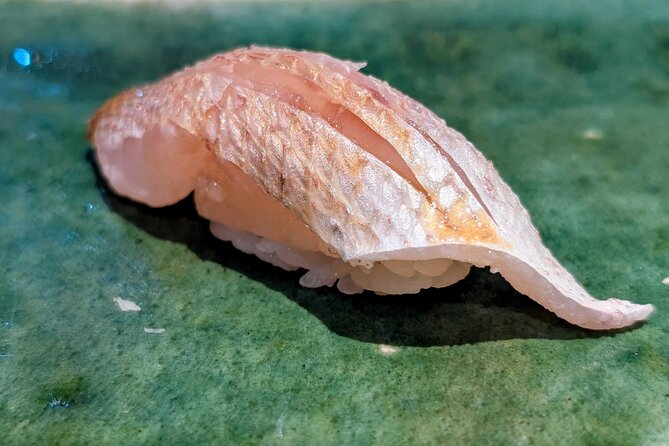
Families are welcome, but the child plan is not a smaller version of the adult counter experience.
Children up to age 12 can use the Kids’ Room, where a child-friendly meal is provided. Childcare is not supplied, so an adult still needs to supervise the child. Children booked under the child plan do not receive the 14-piece premium sushi course and do not sit at the adult sushi counter.
If your child wants the full sushi course and counter seat beside the adults, the booking must be made under the adult plan. This is an important distinction. The word kids’ option might otherwise suggest that a child receives the same menu in a smaller portion, but that is not how this experience is arranged.
For a family with one adventurous older child, the adult plan may make sense. For younger children who would rather have familiar food, the Kids’ Room and child-friendly meal may be more comfortable. Just remember that the room is not a childcare service.
Service animals are allowed, and the restaurant is near public transportation. The supplied information does not provide details about wheelchair access, counter height, or specific seating arrangements, so you should ask the provider directly if those details affect your booking.
Dietary limits are firm
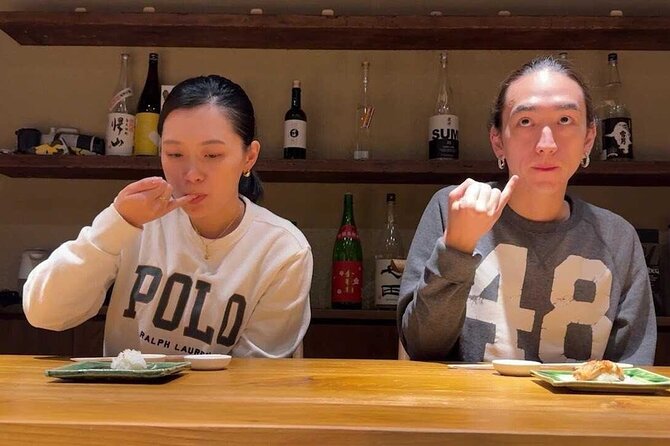
This is not a flexible sushi class for people with major dietary restrictions. The experience cannot accommodate allergies or dietary restrictions related to rice, soy, or seafood.
That covers the central ingredients of sushi, so you should treat this as a firm limitation rather than a minor warning. Contacting the provider may clarify other concerns, but you should not assume substitutions are available.
The omakase format also means you may not be able to select every piece in advance. If you have only mild preferences, you can ask what is being served when you arrive, but the provided information does not promise ingredient changes.
The behind-the-counter photo opportunity
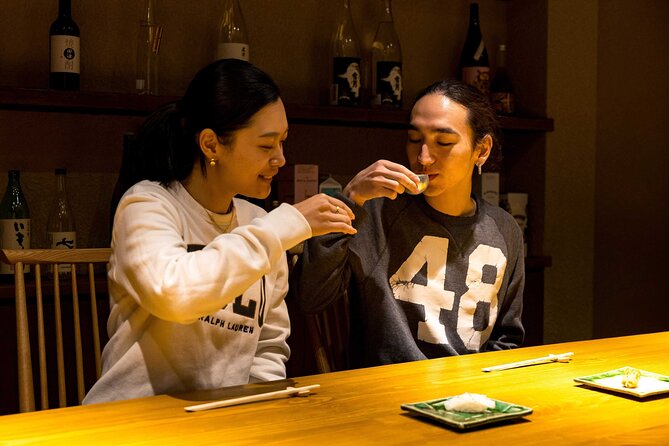
Near the end, you can step behind the sushi counter into the chef’s workspace. This gives you a look at the area where the preparation takes place and an opportunity to take photos.
The photo element is a nice finishing touch because it connects the lesson to a physical place. You have watched the chef use the counter and tools, then get a chance to see the working side from a different angle.
Keep the focus respectful. A sushi counter is a professional workspace, and the visit is offered as part of the session rather than as an open invitation to handle equipment. The information does not specify how many photos you can take or whether staff take photos for you, so bring your phone and be ready to follow the guide’s instructions.
Who will get the most from this experience
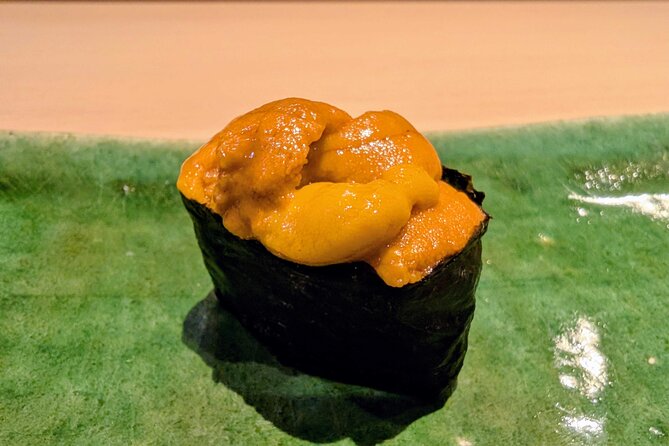
I would recommend this to you if you want more than a good meal. It suits a first visit to Japan, a food-focused day in Tokyo, or anyone who wants help understanding why high-quality sushi costs what it does.
It is also a good choice if you are curious but inexperienced. The visual aids, videos, comparisons, and English-speaking guide create several ways to follow the lesson. You do not need to arrive with a technical background.
The small group makes it a stronger pick for solo visitors and couples who want a more personal setting. It can also work for a small family, provided everyone understands the different child and adult arrangements.
I would hesitate to recommend it if you dislike seafood, need a special diet, want a casual low-cost meal, or prefer a sightseeing tour that moves through Tokyo. The format is focused, seated, and food-centered. The two hours are spent at the restaurant, not touring Kanda or Akihabara.
Should you book REONA Sushi Tokyo?
Book it if you want a premium sushi meal with clear explanations, close chef interaction, and useful side-by-side tastings. The strongest reasons are the maximum five-person group, 14-piece course, English guidance, and the chance to compare rice, wasabi, and ingredient quality in a structured way.
Think twice if $171.73 is more than you want to spend on lunch or dinner, since drinks cost extra and the meal cannot be adapted for rice, soy, or seafood restrictions. Families should select the plan carefully, and anyone wanting the full counter experience must book the adult option.
For a food-minded Tokyo visit, this is a focused and practical introduction to sushi craft. It gives you something to watch, something to taste, and a better set of questions to ask at your next sushi meal.
FAQ
How long does the sushi experience last?
The standard experience lasts about two hours, with the 14-piece omakase course taking up to two and a half hours.
Where does the experience start?
It starts at 3-chōme-3-6 Kanda Surugadai, Chiyoda City, Tokyo 101-0062, Japan. The activity ends back at the meeting point.
How many people can join the experience?
The maximum group size is five people.
Are drinks included in the price?
No. Alcoholic drinks and soft drinks are not included, but you can order sake pairings or soft drinks after arriving at the restaurant.
Can children join the experience?
Yes. Children up to 12 years old can use the Kids’ Room and receive a child-friendly meal. Childcare is not provided.
Do children receive the same 14-piece sushi course?
No. Child bookings include a kids’ meal rather than the adult 14-piece course, and children sit in the Kids’ Room or a child-designated seat. Book the adult plan if a child wants the full sushi course at the counter.
Can the experience accommodate food allergies or dietary restrictions?
The experience cannot accommodate allergies or dietary restrictions involving rice, soy, or seafood.
Newly reviewed around Tokyo
- Tokyo Asakusa:Calligraphy & Make T-shirt Activity★ 5.0 · 62 reviews
- Intercity Shuttle, Tokyo to Haneda /Narita /Yokohama /Makuhari★ 5.0 · 5 reviews
- 1 Hour Travel around Tokyo with a Professional Photographer★ 5.0 · 3 reviews
- Travel Tokyo with Your Own Personal Photographer★ 5.0 · 43 reviews
- Train in Samurai Swordsmanship and Defeat the Demon in Tokyo★ 5.0 · 5 reviews
- Shuttle Van 6hr Tokyo Tour to-and-from Tokyo, Yokohama and Narita★ 5.0 · 9 reviews
- Kickboxing & Body Training with EX-Pro Fighter★ 5.0 · 4 reviews
- Traditional Japanese Knife Sharpening Class★ 5.0 · 18 reviews