
Reviewed · TOKYO
Japan Classic 10 Day – One Life Adventures
Tokyo neon, Kyoto temples, a mountain guesthouse, bullet trains, sushi making, sake, kendo, and karaoke: Japan Classic 10 Day packs a remarkable amount into one trip. You move from Tokyo to Osaka with a maximum of 22 people, so you get a ready-made group while still seeing several sides of Japan.
I like the mix of famous sights and smaller cultural moments, especially the Hakone ropeway and Lake Ashi cruise and the overnight stop in old Takayama. I also like that guides such as Ashleigh have been praised for energy, humor, and keeping solo participants involved. The catch is simple: this is a fast, active tour, and the schedule may leave you wishing for an extra day in several places.
Key points at a glance
- Tokyo to Osaka in 10 days: The route covers Japan’s major first-time stops without returning to Tokyo.
- A packed cultural program: You make sushi, taste sake, try kendo, visit shrines, and finish with karaoke.
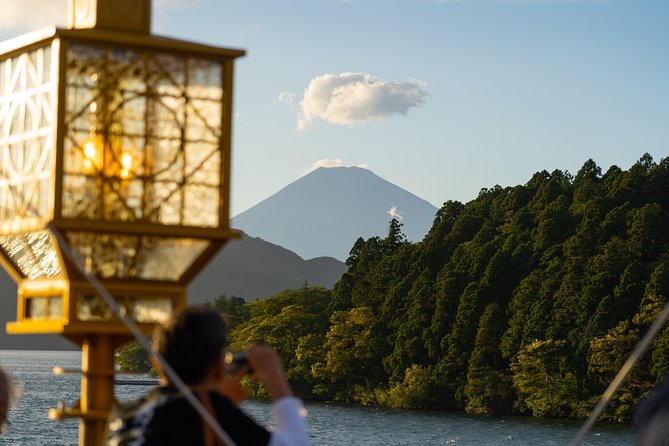
- Hakone mountain scenery: Ride the ropeway, cross Lake Ashi by pirate ship, and stay in a traditional guesthouse.
- Takayama adds a slower note: Visit the morning market, old town, a sake brewery, and try Hida beef.
- Built for active adults: Expect frequent train rides, early starts, stairs, and long walks.
- Good group value, with extras: Four breakfasts, three dinners, and one lunch are included, but flights, transfers, insurance, and pre and post-tour lodging are not.
What this Japan tour is really like
This is not a gentle sightseeing holiday. It is a backpacking-style trip built around movement, shared activities, and full days. You cover five major areas in 10 days, often using public transport and walking between stations, temples, markets, and neighborhoods.
That pace is part of the appeal. You do not spend the whole trip in one city, and the route gives you a useful first look at modern Tokyo, rural Japan, historic Kyoto, and food-focused Osaka. It also means you should arrive ready to carry your own belongings, follow a schedule, and keep moving after a long train ride.
The group can reach 22 people. That is large enough to create a social atmosphere but small enough for a guide to keep the day organized. If you are traveling alone, this format makes it easier to find company for meals and evening outings. The guide also matters a lot here. Ashleigh has received particularly warm praise for her humor, care, and ability to make a busy trip feel welcoming. Your guide may differ, but strong group leadership is one of the tour’s most important features.
Other Tokyo days people book alongside this one:
- Mt Fuji and Hakone 1-Day Bus Tour Return by Bullet Train
★ 5.0 · 26,383 reviews - 1-Day Tokyo Bus Tour
★ 5.0 · 14,250 reviews - Tokyo: teamLab Planets TOKYO Digital Art Museum Entry Ticket
★ 4.6 · 9,779 reviews
Day 1: Senso-ji and your first Tokyo evening
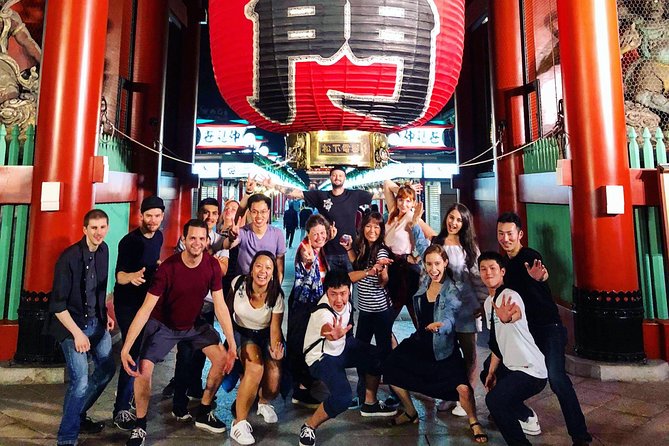
The tour opens at Senso-ji in Asakusa, one of Tokyo’s most important Buddhist temples. Its bright red gates and busy approach make an immediate impression, but the real value is having a guide explain how to behave in a temple setting and help you read the scene beyond the photographs.
The evening includes Japanese food and a chance to meet the rest of the group. That first shared meal is useful, especially if you arrive alone or feel unsure about ordering in Japan. The exact meal choices are not specified, so consider it an introduction rather than a formal food tour.
The first day is relatively light compared with what follows. That gives you a chance to settle in, but jet lag can still make even a short temple visit feel demanding.
Day 2: Harajuku, Meiji Shrine, and Akihabara
Your second morning begins with an orientation class covering simple customs and phrases. This is a practical touch. A few words and a better sense of local etiquette can make train stations, shrines, restaurants, and shared spaces less stressful.
Harajuku brings a sharp change of mood. It is associated with Japanese youth style and pop culture, while nearby Yoyogi Park leads you to the calm grounds of Meiji Jingu Shrine. The contrast is the point: in a short walk, you move from fashion and street culture into a forested shrine setting.
The day ends in Akihabara, Tokyo’s electric district. Allow yourself time to look around the brightly lit shops and unusual stores, even if you are not interested in games or anime. Three hours here gives the neighborhood room to feel like more than a quick photograph.
You will do a lot of walking and standing on this day. Comfortable shoes are not optional.
Day 3: Sushi, skyline views, and Tokyo after dark
Tsukiji is now best understood as a food district and market area rather than Tokyo’s main wholesale fish market, but it remains a useful place to see the city’s seafood culture. The included sushi-making class gives the morning a hands-on focus. You learn to roll sushi and prepare teriyaki, then eat the result for lunch.
That class is one of the tour’s strongest value points. You are not only looking at food behind glass or choosing from a menu. You get a simple skill to take home, plus a shared activity that helps the group bond.
After a short break, you head to the Tokyo Metropolitan Government Building observation decks in Shinjuku. The free viewpoint gives you a broad look at Tokyo’s scale without adding another admission fee. Clear weather will make the view much more rewarding, but the city itself is still impressive from above.
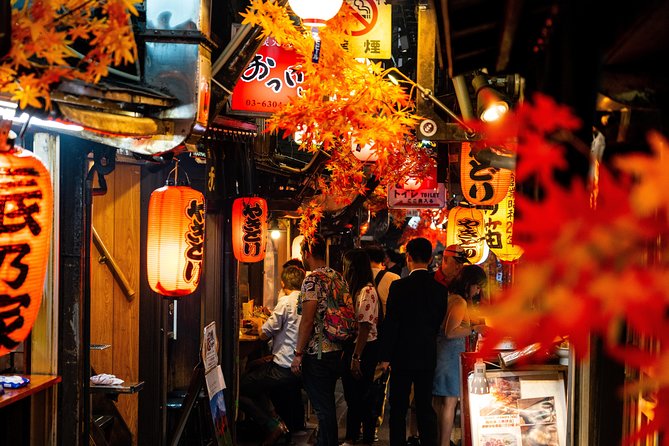
Dinner comes at Omoide Yokocho, a narrow alley known for yakitori and beer. The place is atmospheric and compact, so it offers a very different experience from a large restaurant. The nickname used in the schedule is crude, but the food and old-style alley setting are the reason to visit.
You finish at Shibuya Crossing. It is a short stop, yet it captures Tokyo’s famous mix of order, crowds, signs, and speed. This is another full day, and the evening meal and sightseeing may run late.
A completely different kind of day in Tokyo:
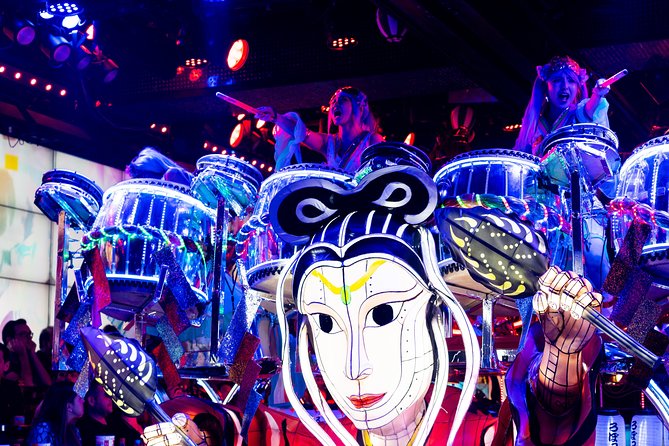
- Mt Fuji & Hakone Cruise, Drum Show Bullet Train 1 Day from Tokyo
★ 4.0 · 7,413 reviews - Tokyo: Shinjuku Food Tour (13 Dishes at 4 Local Eateries)
★ 5.0 · 6,603 reviews - Tokyo Mt Fuji 5th St & Hakone Cruise Bus Tour w/Bullet Train
★ 4.4 · 5,024 reviews - Flagship 2-Hours Official Street Go-Kart Tour – Tokyo Bay Shop
★ 5.0 · 4,974 reviews
Day 4: Hakone’s ropeway, Lake Ashi, and a traditional stay
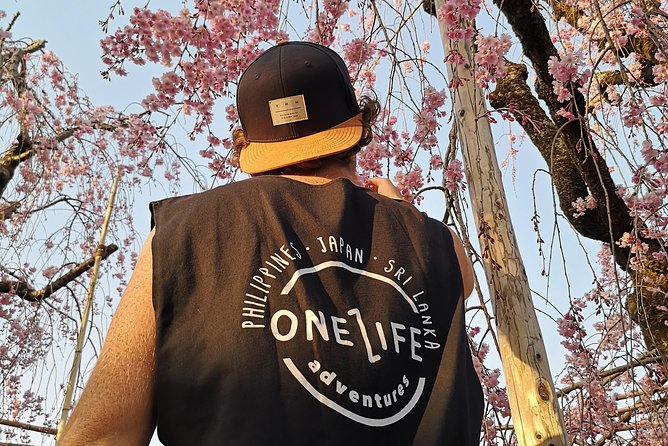
Day four is where the route trades city energy for mountains. You take the Romance Car from Tokyo toward Hakone, then use the ropeway to see the area from above. The ride is included, and the volcanic mountain setting gives you a welcome change from concrete and neon.
The ropeway is weather dependent in practical terms, because clouds can hide the views. Lake Ashi follows, with a pirate ship cruise across the water. On a clear day, you may see Mount Fuji, though no mountain view can be promised. Keep that in mind when judging the day. Hakone remains worthwhile even when Fuji stays behind the clouds, but the iconic photograph depends on conditions.
Your accommodation is a mountain guesthouse, with a traditional Japanese nabe dinner. This is one of the most distinctive parts of the trip because it gives you a taste of local lodging and a shared hot-pot meal rather than another standard city hotel night.
The change in accommodation style is also a possible adjustment. Traditional rooms and guesthouse arrangements may feel less familiar than a conventional hotel. The tour’s own guidance makes the main point clear: prepare for an active schedule and varied stays.
Day 5: Bullet trains and old Takayama
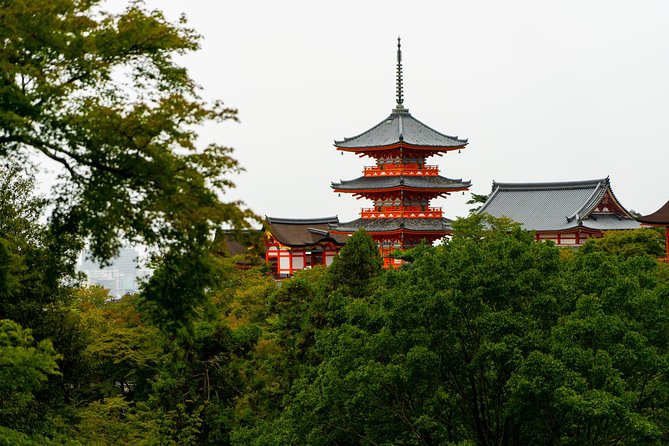
The rail journey to Takayama is an attraction in itself. You take a bullet train to Nagoya, then continue on a scenic train through the mountains. Japan’s trains are clean, punctual, and efficient, but this is still a travel day. You will spend significant time sitting, transferring, and handling luggage.
Takayama offers a strong contrast with Tokyo and Hakone. Its old town has a more traditional feel, and the surrounding mountains give the stop a different rhythm. This is one of the smartest choices in the route because you get more than the standard Tokyo, Kyoto, and Osaka circuit.
In the afternoon, you visit Harada Sake Brewery for a tasting. You may also have the chance to try Hida beef, a local specialty. Sake tasting works best if you approach it as a cultural lesson rather than a drinking contest. After the long rail journey, moderation will help you enjoy the evening and the next morning.
The exact overnight accommodation is described as a traditional stay, giving Takayama a stronger local character than a quick daytime stop.
Day 6: Takayama market and first evening in Kyoto
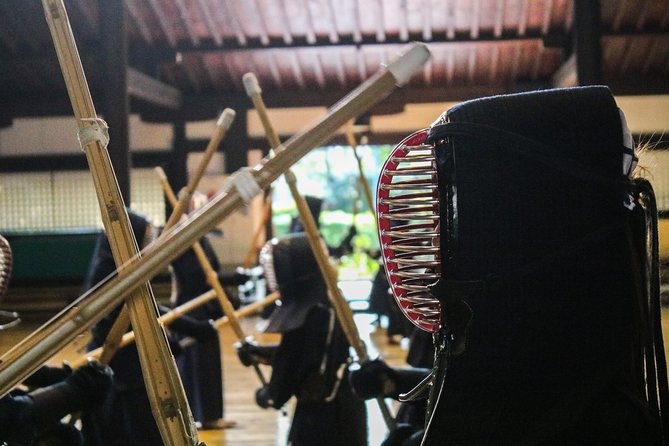
The Miyagawa Morning Market is the day’s main stop. Set along the river, it is a good place to see local produce and small food items while walking through Takayama’s older streets. Your guide leads the visit, which helps you understand what you are seeing instead of simply passing through stalls.
The timing matters. Morning markets are best early, and this stop adds another early start to an already busy trip. If you enjoy food, local crafts, and smaller towns, it should be one of your favorite mornings. If you prefer slow breakfasts, you may find the pace wearing.
After returning to Nagoya, you board another bullet train for Kyoto. The evening walk through Gion introduces narrow streets, traditional architecture, and the possibility of seeing geisha in the district. Be respectful and avoid treating people as scenery. Gion is a place to observe quietly, not chase photographs.
This first Kyoto evening is only an introduction. The city has far more temples and neighborhoods than any short visit can cover, so the next three days are tightly scheduled.
Day 7: Fushimi Inari and Kiyomizu-dera
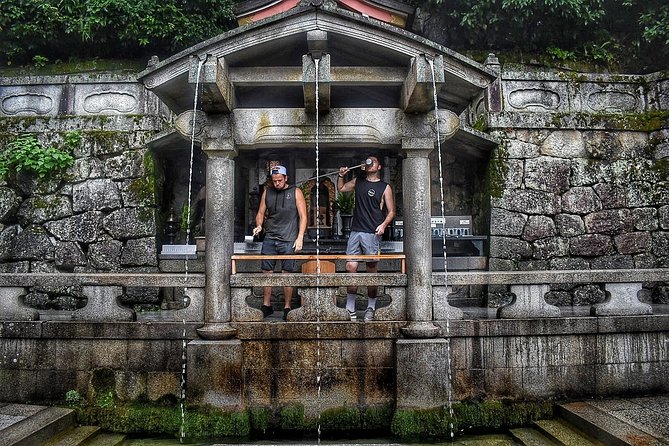
An early start takes you to Fushimi Inari Shrine before the heaviest crowds arrive. The endless rows of red torii gates climb the wooded mountain, creating one of Japan’s most memorable walks. You do not need to reach the highest point to understand the appeal, but the route involves steps and uphill walking.
Early timing is a real advantage here. Fushimi Inari is one of Kyoto’s best-known sights, and arriving before the main rush gives you more room to appreciate the shrine and the gates.
Kiyomizu-dera follows, with its wooden complex set high on the hillside. The temple has fine city views and a strong sense of place, but you should expect more stairs and plenty of walking between the approach streets, temple buildings, and viewpoints.
The schedule allows time to return to the hostel and eat breakfast before the rest of the day, though the morning still begins early. This is a good example of the tour’s style: you see major sights at smart times, but you pay for that efficiency with tired legs.
Day 8: Golden Pavilion, Zen space, and kendo
Kinkaku-ji, the Golden Pavilion, is one of Kyoto’s most polished sights. The gold-covered building reflected in the surrounding water is instantly recognizable. It is also a place where the viewing route can feel brief, so try to look beyond the main photograph and notice the garden setting.
Daitoku-ji provides a quieter counterpoint. The temple group includes a Zen garden and feels less focused on one famous image. That pairing works well: Kinkaku-ji gives you the iconic Kyoto scene, while Daitoku-ji gives you more space for stillness and reflection.
The afternoon kendo class is a highlight for anyone interested in martial arts or Japanese customs. The session takes place at the Kyoto Budo Center, described as the dojo where kendo began, and is led by an instructor descended from a samurai warrior. You learn the respectful side of the practice before finishing with a demonstration.
This is not a passive museum visit. You will take part, follow instructions, and likely use muscles that have already worked hard all week. Wear clothes suitable for movement and expect another substantial block of activity.
Day 9: Arashiyama, monkeys, boats, and Osaka nightlife
You start early again in Arashiyama, a Kyoto district framed by mountains and a river. The Bamboo Forest is photogenic, but the early timing is the practical benefit. Later in the day, the paths can become difficult to enjoy, so arriving early improves the experience.
Monkey Park Iwatayama requires a climb. The effort is rewarded with views and Japanese macaques, but this is not a flat, easy attraction. After coming down, you take a private rowboat through the valley for a slower look at the area.
The combination is well judged. You get the famous bamboo, a physical activity, wildlife, and time on the water. It is also another reminder that the tour favors variety over rest.
Then you travel to Osaka and head to Dotonbori, often called the kitchen of Japan. Its lights, signs, food stalls, and restaurants create a lively final-night setting. The included food tour gives you a guided introduction rather than leaving you to guess what to order.
Karaoke closes the evening. It is a classic group activity because nobody needs to be a good singer. After nine full days, though, you may be ready for bed before the final song.
Day 10: Osaka departure and what is included
The tour ends at accommodation in Osaka. You receive detailed instructions for reaching the airport, and bullet trains back to Tokyo can be arranged at an additional cost. That matters if your return flight leaves from Tokyo rather than Osaka.
Included meals are four breakfasts, three dinners, and one lunch. The food activities are more important than the meal count: sushi making, nabe, sake tasting, Hida beef, yakitori, and the Dotonbori food outing create a strong culinary thread.
The listed price is $6,629. That is a serious outlay, so value depends on what you want from the trip. You are paying for a guided route, group coordination, included activities, rail travel between several regions, and cultural sessions that would take time to arrange alone. International flights, insurance, transfers, tipping, and accommodation before and after the tour are extra.
For someone who wants to see Japan independently, the cost may feel high. For a solo visitor who wants structure and a packed program, the price can make more sense because the planning burden is reduced. Check exactly what accommodation and transport are covered before booking, since the supplied details do not give a full cost breakdown.
Who should book this trip
I would choose this tour if you want a social introduction to Japan and would rather spend your time exploring than planning train routes, temple visits, and evening meals. It suits solo visitors, first-time visitors, and people who enjoy switching between cities, rural areas, food stops, and active cultural sessions.
You should think twice if you want long afternoons, luxury hotels, flexible meals, or time to explore Kyoto at your own speed. The physical level is listed as moderate, but the repeated early starts, stairs, train changes, and long walking days make the trip feel demanding.
The non-refundable booking rule also deserves attention. Do not commit until your flights, insurance, fitness, and available vacation time are settled.
FAQ
Where does the Japan Classic 10 Day tour start and finish?
It starts in Tokyo, Japan, and ends at accommodation in Osaka.
How long is the tour?
The tour lasts approximately 10 days.
How many people can join the group?
The maximum group size is 22 participants.
Is the tour physically demanding?
Yes. The tour is described as active and fast paced, with a lot of walking. A moderate level of physical fitness is recommended.
What meals are included?
The tour includes four breakfasts, three dinners, and one lunch.
Are flights and airport transfers included?
No. International flights, arrival and departure transfers, travel insurance, tipping, and pre and post-tour accommodation are not included.
Can I return to Tokyo after the tour ends?
Yes. Detailed airport directions are provided, and bullet trains back to Tokyo can be arranged for an additional cost.
Should you book Japan Classic 10 Day?
Book it if you want a tightly organized first taste of Japan, with Tokyo’s neighborhoods, Hakone’s mountain scenery, Takayama’s traditional setting, Kyoto’s major temples, and Osaka’s food culture all in one route. The sushi class, sake tasting, kendo session, rowboat ride, and karaoke give the trip more character than a basic sightseeing package.
Skip it if your ideal Japan trip means staying longer in each city or choosing your own pace. Ten days is enough to see a lot, but not enough to see everything comfortably. This tour gives you range, social connection, and plenty of memorable activities. In return, you need energy, flexibility, and a willingness to keep moving.
Newly reviewed around Tokyo
- Tokyo Asakusa:Calligraphy & Make T-shirt Activity★ 5.0 · 62 reviews
- Intercity Shuttle, Tokyo to Haneda /Narita /Yokohama /Makuhari★ 5.0 · 5 reviews
- 1 Hour Travel around Tokyo with a Professional Photographer★ 5.0 · 3 reviews
- Travel Tokyo with Your Own Personal Photographer★ 5.0 · 43 reviews
- Train in Samurai Swordsmanship and Defeat the Demon in Tokyo★ 5.0 · 5 reviews
- Shuttle Van 6hr Tokyo Tour to-and-from Tokyo, Yokohama and Narita★ 5.0 · 9 reviews
- Kickboxing & Body Training with EX-Pro Fighter★ 5.0 · 4 reviews
- Traditional Japanese Knife Sharpening Class★ 5.0 · 18 reviews