
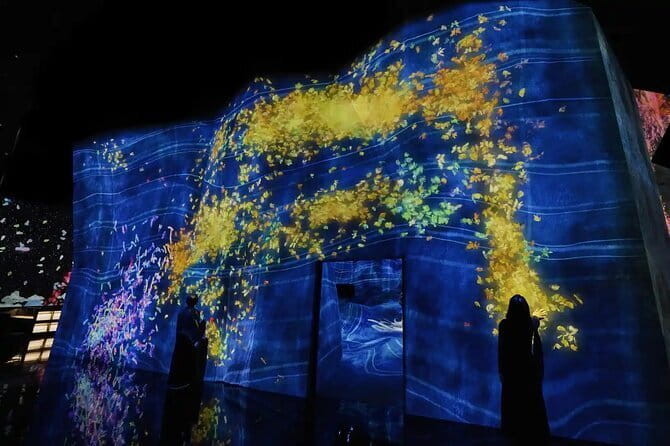
Reviewed · TOKYO
Experience TeamLab Planets in Tokyo
teamLab Planets Tokyo turns a museum visit into a physical art experience. You remove your shoes, walk through shallow water, and enter rooms where light, sound, mirrors, flowers, and your own movements shape what you see. The barefoot water rooms are the most unusual part, while the LED galaxy and mirror spaces deliver the strongest photo moments.
I like the ticket’s broad access: the Water Area, Infinite Crystal Universe, Floating Flower Garden, and other rooms are all included. I also like the practical locker, since you do not have to carry shoes and personal items from room to room. The main caution is that this may feel more like a playful sensory installation than traditional art, and the wet, uneven surfaces require balance and suitable clothing.
Key points to know before you go
- Bare feet and shallow water: You must remove your shoes and socks, and water can reach your feet and shins.
- Real flowers overhead: The Floating Flower Garden uses fragrant flowers that move in relation to your presence.
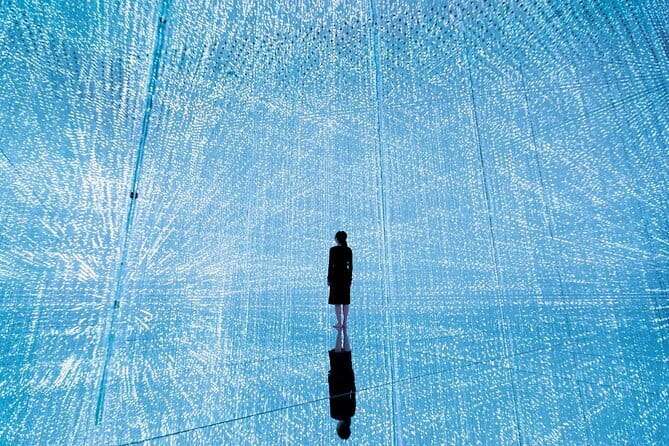
- Responsive light art: In the Infinite Crystal Universe, LED patterns can be influenced through an app.
- Four hours is plenty of time: The visit is listed at approximately four hours, giving you room to move slowly and take photos.
- A locker is included: You can store shoes and personal belongings during the experience.
- Art or high-tech play space: The appeal depends heavily on how much you enjoy interactive, digital art.
Entering teamLab Planets with bare feet
The first important thing to understand is that teamLab Planets is not a museum where you stroll from framed picture to framed picture. Here, your body is part of the artwork. You walk, balance, pause, look up, and sometimes use your movement or a supplied digital tool to affect what happens around you.
The visit begins with the practical business of removing shoes and socks. A locker is provided for shoes and personal belongings, which makes the barefoot format easier to manage. Wear clothing that can be rolled above the knees. Water reaches the feet and lower legs, and unsuitable trousers or skirts can become a nuisance quickly.
The surfaces are not always even. If you have limited balance or mobility, this matters more than the bright colors and dramatic photographs suggest. The experience is described as suitable for most people, but you should be comfortable walking barefoot and handling wet, changing surfaces.
The approximately four-hour duration gives you time to move at an unhurried pace. It also means this is not a quick 30-minute photo stop. You should allow enough time to adjust to each room rather than rushing through for a few pictures.
Other Tokyo days people book alongside this one:
- Mt Fuji and Hakone 1-Day Bus Tour Return by Bullet Train
★ 5.0 · 26,383 reviews - 1-Day Tokyo Bus Tour
★ 5.0 · 14,250 reviews - Tokyo: teamLab Planets TOKYO Digital Art Museum Entry Ticket
★ 4.6 · 9,779 reviews
The Water Area makes you part of the picture
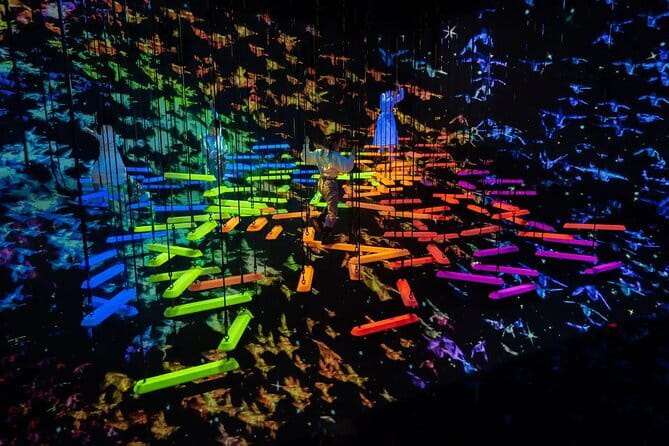
The Water Area is the clearest example of teamLab Planets’ approach. You walk barefoot through shallow water while projected koi fish appear to respond to your movements. The room asks you to pay attention to your feet as much as to the walls and floor.
That physical element gives the installation more force than a standard projection show. You are not simply watching an image of water or fish. Your steps help shape the scene, so people around you can alter what you see as well.
The effect will appeal to families and anyone who enjoys playful art. It can also make adults feel as if they have entered a child-sized fantasy, which is part of the charm and part of the limitation. If you prefer quiet galleries, fixed objects, and an obvious historical or artistic argument, this room may feel more like a sophisticated play facility.
Keep your camera secure around the water. The supplied information does not specify waterproof equipment or drying facilities, so sensible care is your responsibility. The practical advice is simple: dress for water, protect anything you do not want splashed, and do not treat this room like a dry indoor gallery.
Infinite Crystal Universe turns light into a galaxy
The Infinite Crystal Universe surrounds you with LED lights. The installation is designed to suggest a galaxy, with points of light stretching into the distance and reflections adding to the sense of endless space.
You can influence patterns through an app, giving the room a small interactive layer. That detail matters because it changes your role. You are not only photographing a finished display. You can help alter the pattern, then watch the room shift around you.
This is likely to be one of the best rooms for photographs, especially if you enjoy reflective surfaces and strong geometric shapes. At the same time, photographs can flatten the experience. A screen shows a single frame, while the real room depends on movement, changing light, reflections, and the presence of other people.
I would treat the app as an optional extra rather than the main reason to visit. The lights are the central attraction. The control feature adds interest, but the room still needs to work for you as a visual experience without turning the visit into a technology demonstration.
The Floating Flower Garden mixes scent, motion, and real plants
The Floating Flower Garden is designed as a room filled with real, fragrant flowers. The flowers move in harmony with your presence, creating a display that shifts as you enter and move through the space.
This room is different from the LED installations because smell and living plants become part of the artwork. That change of pace can be welcome after the bright lights and mirrored rooms. I like the idea because it gives the visit a natural element rather than relying entirely on electronics.
You should keep expectations sensible. The flowers are suspended on wires, and their condition can vary. One particularly negative account described flowers that appeared dead, which shows why promotional images may not match every moment in the room. The display depends on real plants, lighting, timing, and maintenance, so it is not a permanent garden in the ordinary sense.
If you go in expecting a working botanical garden, you may be disappointed. If you see it as a moving installation that uses real flowers, it makes more sense. The fragrant air and shifting arrangement are the main points, not a collection of plants that you inspect like specimens.
A completely different kind of day in Tokyo:
- Mt Fuji & Hakone Cruise, Drum Show Bullet Train 1 Day from Tokyo
★ 4.0 · 7,413 reviews - Tokyo: Shinjuku Food Tour (13 Dishes at 4 Local Eateries)
★ 5.0 · 6,603 reviews - Tokyo Mt Fuji 5th St & Hakone Cruise Bus Tour w/Bullet Train
★ 4.4 · 5,024 reviews - Flagship 2-Hours Official Street Go-Kart Tour – Tokyo Bay Shop
★ 5.0 · 4,974 reviews
The Transforming Space rewards movement
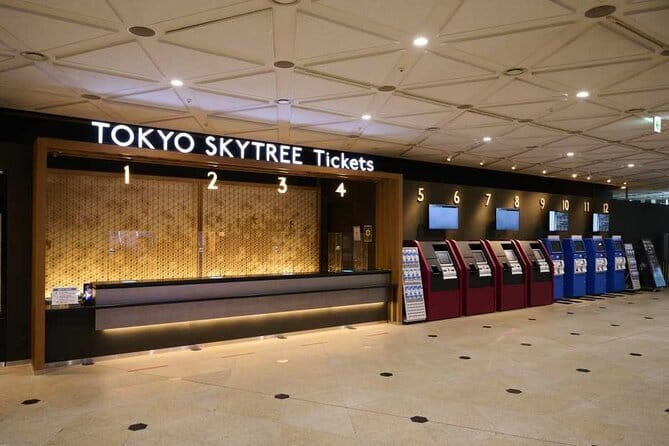
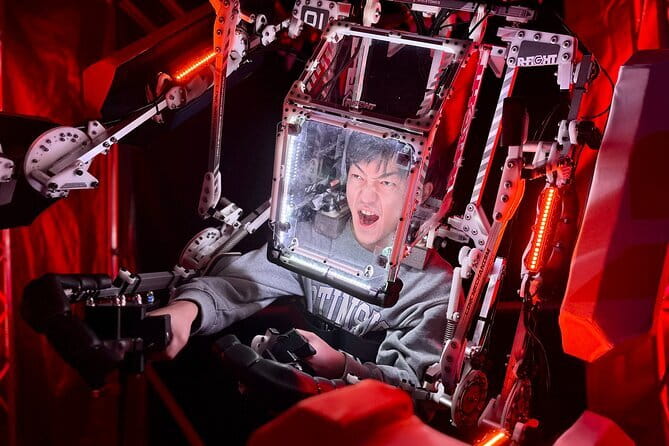
The Transforming Space uses a bouncy, interactive floor that changes as you move. It is another room where your body matters as much as your eyes. Walking, shifting weight, and testing the surface become part of the display.
This can be especially entertaining for families, children, and adults willing to set aside formal museum behavior. It also explains why the experience may feel more like play than conventional art. You are encouraged to respond physically rather than stand back and study an object.
The bouncy floor is not ideal for everyone. Balance and mobility are important, and uneven surfaces appear in more than one part of the visit. Move at your own pace and do not feel pressured to copy what someone else is doing.
I find this kind of room most successful when you accept its simple premise: movement changes the space. It does not ask you to decode a complicated story. It asks you to notice how your body affects the setting.
Mirrors and light create the strongest photo stops
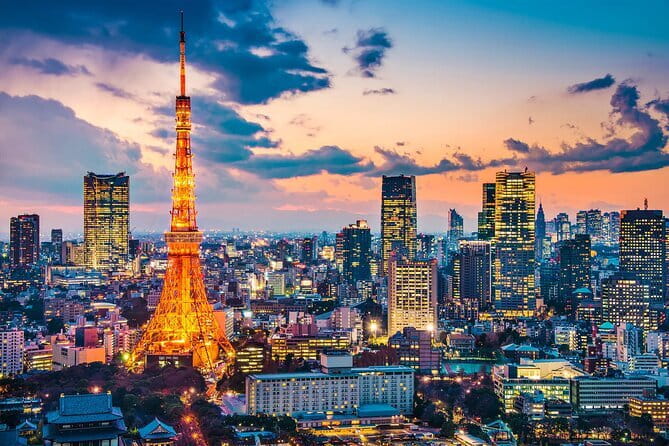
The light and mirror rooms produce the visual moments most likely to fill your camera. Infinite reflections can make a small space feel much larger, while glowing installations create a surreal setting with repeating points of light.
These rooms are easy to appreciate, even if you are less interested in the interactive elements. They also provide variety after the water and bouncy floor. You shift from physical caution to visual attention, looking for reflections, symmetry, and the best angle.
The drawback is that the photographs may look more dramatic than the actual visit. Images can remove crowding, waiting, awkward movement, and the need to share a room with other people. One critical assessment found the real experience less intense than the photos and videos suggested. That is a useful warning, not a reason to skip the rooms.
Go for the changing physical experience, not only for a perfect photograph. If you judge the visit solely by how closely your pictures match promotional images, you may feel shortchanged. If you enjoy being surrounded by light and reflections in real time, the rooms offer something a flat image cannot.
What the four-hour visit is really worth
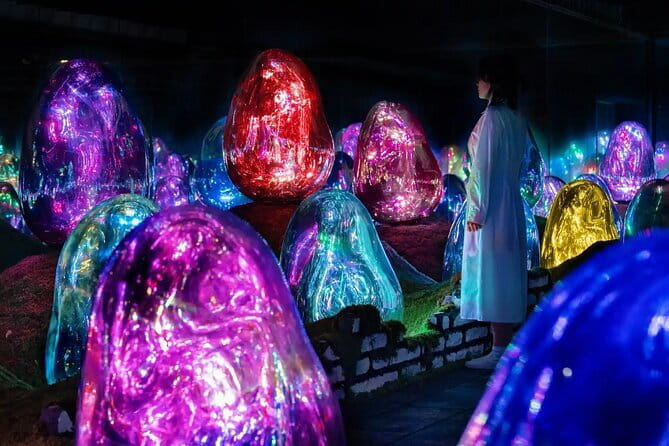
The supplied price is listed as $0.00, so there is no usable admission figure here for a normal value comparison. Check the final price at booking, since the actual cost is essential when deciding if this fits your Tokyo budget. The admission ticket includes access to all the listed exhibits, and a locker is included for shoes and belongings.
The value depends on your idea of art. You are paying for a sensory activity, not a traditional collection with labels, historical context, or a guided explanation. The ticket makes better sense if you want a memorable break from temples, shops, and city streets, and if you enjoy taking part rather than simply looking.
A four-hour visit also gives the admission more weight than a very short attraction. You can spend time in the water rooms, return your attention to the flower installation, try the app-controlled lights, and take photographs without treating every room as a race.
Still, four hours may feel long if you are not interested in digital art. You do not need to force yourself to stay for the full estimate. The listed duration is approximate, and the right amount of time depends on how much you enjoy each installation.
Who will enjoy it most
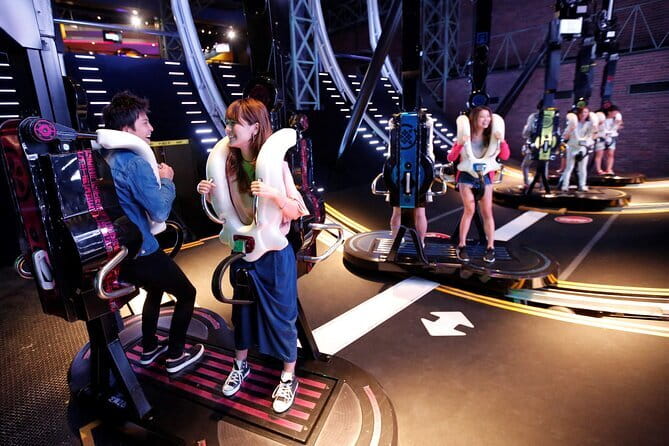
I would recommend teamLab Planets to families, couples, friends, solo visitors who enjoy unusual art, and anyone seeking a strongly visual Tokyo activity. It is particularly suited to people who want photographs with a real setting behind them, rather than another observation deck or standard indoor attraction.
It also works well for a relaxed day when you want one main activity instead of a packed schedule. The experience is near public transportation, so it can be added to a Tokyo day without needing a private vehicle. No air-conditioned vehicle is included, but transport is not part of the activity anyway.
I would be more cautious if you want serious, traditional art. The installations are interactive, digital, and playful. One negative assessment described the experience as over-hyped and better suited to children. That criticism will make sense to you if you expect paintings, sculpture, or a formal art lesson.
The strongest praise focuses on how fully the installations surround you and how different the activity feels from ordinary sightseeing. That is the central promise. You become part of the image, rather than standing outside it.
Practical clothing and timing advice
Wear comfortable clothing that allows easy movement. Roll trousers above the knees, and avoid anything that becomes difficult when wet. You will remove socks and shoes, so footwear that is easy to take off is useful.
Plan for the possibility of uneven surfaces and a bouncy floor. You need reasonable balance and mobility to get the most from the visit. If you are unsure about your ability to handle water or changing floors, consider that before booking rather than treating it as a minor detail.
A pre-booked ticket is intended to make entry easier, but the booking information should be read carefully. Confirmation is normally provided at booking. If you book within two days of the visit, confirmation can take up to 48 hours and remains subject to availability.
The experience is non-refundable and cannot be changed for any reason. I would not book it until you are confident about your date and your ability to take part. A scheduling change has also caused frustration in at least one case, with a start time moved from 9:00 to 9:30 even though opening hours did not change. Check your email and confirmed time before setting out.
Should you book teamLab Planets Tokyo?
Book it if you want art that you can walk through, touch with your movement, and photograph from inside. The water, LED galaxy, flowers, bouncy floor, and mirrors offer plenty of variety, and the included locker removes one small but useful nuisance.
Skip it if you want a quiet museum, a serious art collection, or a carefully explained cultural tour. The experience can feel childish, and the real rooms may not match the intensity of their photographs. For the right visitor, that playfulness is the point. For others, it will feel over-promoted.
My practical verdict is to book only after checking the final price, date, clothing requirements, and your comfort with water and uneven floors. If those conditions suit you, teamLab Planets gives you a distinctive Tokyo memory that is hard to reproduce elsewhere.
FAQ
How long does the teamLab Planets experience take?
The visit is listed as approximately four hours. Your actual time can vary depending on how long you spend in each installation.
What exhibits are included?
The ticket includes access to the Water Area, Infinite Crystal Universe, Floating Flower Garden, Transforming Space, and the light and mirror rooms.
Do I need to remove my shoes?
Yes. You must remove your shoes and socks before entering the barefoot areas.
Will my feet get wet?
Yes. The Water Area uses shallow water, and water can reach your feet and shins. Wear clothing that can be rolled above your knees.
Is a locker provided?
Yes. A locker for shoes and personal belongings is included.
Is teamLab Planets near public transportation?
Yes. The experience is listed as being near public transportation.
Can most people participate?
Most people can participate, but balance and mobility are important because some surfaces are uneven and one area has a bouncy floor.
Is transportation included?
No. An air-conditioned vehicle is not included. The activity itself provides admission and a locker.
Can I cancel or change my booking?
No. The experience is non-refundable and cannot be changed for any reason.
Newly reviewed around Tokyo
- Tokyo Asakusa:Calligraphy & Make T-shirt Activity★ 5.0 · 62 reviews
- Intercity Shuttle, Tokyo to Haneda /Narita /Yokohama /Makuhari★ 5.0 · 5 reviews
- 1 Hour Travel around Tokyo with a Professional Photographer★ 5.0 · 3 reviews
- Travel Tokyo with Your Own Personal Photographer★ 5.0 · 43 reviews
- Kickboxing & Body Training with EX-Pro Fighter★ 5.0 · 4 reviews
- Train in Samurai Swordsmanship and Defeat the Demon in Tokyo★ 5.0 · 5 reviews
- Shuttle Van 6hr Tokyo Tour to-and-from Tokyo, Yokohama and Narita★ 5.0 · 9 reviews
- Traditional Japanese Knife Sharpening Class★ 5.0 · 18 reviews