
Reviewed · TOKYO FOOD TOURS
Best Shibuya Private Food Tour Tailored to Your Taste By Guide
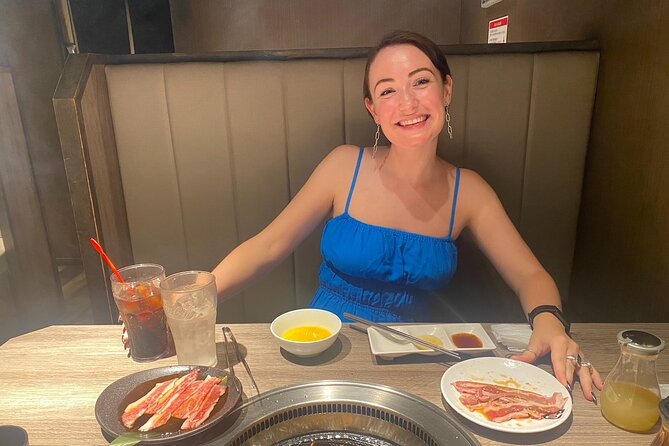
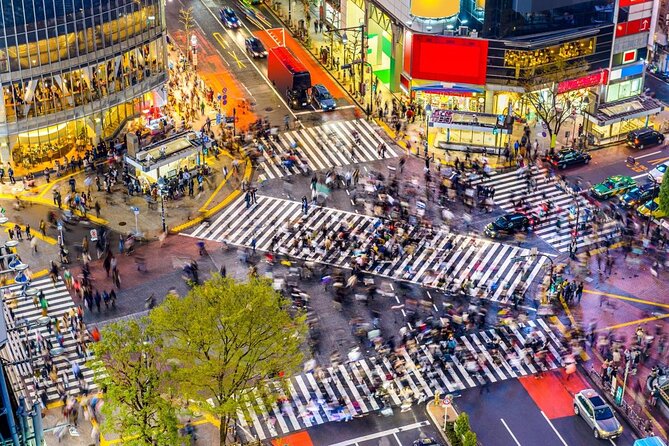
Shibuya’s bright streets are easier to understand with someone beside you, and this private food walk gives you that help while moving between 4 to 5 food stops, Hachiko, Nonbei Yokocho, Miyashita Park, and Shibuya Crossing. You get desserts, snacks, water, and two soft drinks, so you can focus on the neighborhood rather than planning every bite.
I like the private format, especially if you have food allergies or strong preferences. I also like the mix of famous sights and small-scale places, from the Hachiko Statue to the narrow bars of Nonbei Yokocho. Guide Chisato received special praise for taking allergies into account.
The main concern is value. At $250 per person, this is a costly four-hour walk, and your experience depends heavily on the guide’s English and planning. One poor experience involved a guide who spoke very little English and seemed to walk in circles, so clear communication matters.
Key points to know before booking
- Private from start to finish: Only your group takes part, giving you more room to ask questions and request food adjustments.
- Four to five food stops included: Desserts, snacks, water, and two soft drinks are covered, but alcoholic drinks are not.
- Guide quality matters: Chisato was praised for handling allergies, while one guest found communication with another guide difficult.
- Shibuya’s essential sights are built in: You visit Hachiko, Shibuya 109, Nonbei Yokocho, Miyashita Park, Don Quijote, and Shibuya Crossing.
- Four hours is a useful introduction: The route gives you a broad look at Shibuya, but it is not a slow, specialist food seminar.
- You return to Hachiko: The tour starts and ends at the Hachiko Statue near Shibuya Station.
What you are really paying for in Shibuya
This is not simply a meal with a guide. It is a private walking introduction to one of Tokyo’s most energetic districts, with food used as the thread connecting the stops.
The price is $250 per person. That is a serious outlay, especially since the tour lasts about four hours and alcohol is excluded. You are paying for privacy, planning, local guidance, and the convenience of having food, desserts, snacks, water, and two soft drinks arranged along the way.
The private setup is most useful for a small group with different needs. If one person has an allergy, another wants sweets, and someone else mainly wants a look at Shibuya’s culture, a private guide can adjust the pace and conversation more easily than a group tour.
Still, do not treat the price as a guarantee of a lavish tasting menu. The information promises 4 to 5 food stops and describes the experience as all-you-can-eat, but it does not give a fixed menu, restaurant list, portion size, or exact spending allowance. Ask what food is planned for your date, particularly if you are comparing this with a restaurant-based food tour.
More things to do in Shibuya:
- Official Street Go-Kart in Shibuya
★ 5.0 · 3,435 reviews - Tokyo: Street Kart Experience in Shibuya
★ 4.9 · 1,484 reviews - Shibuya Meltdown Nightlife Tour: All-You-Can-Drink Bar Hopping
★ 5.0 · 1,058 reviews
Starting at Hachiko and Shibuya Station
The meeting point is the Hachiko Statue at 2 Chome-1 Dogenzaka, close to Shibuya Station. This is a practical place to begin because Hachiko is one of the easiest landmarks to identify in the area.
You start with the story and symbolism of the loyal dog statue, then take photographs and get an introduction to local culture. The planned time here is about 30 minutes, which is enough for pictures and orientation without turning the statue into a long stop.
Hachiko also helps you understand Shibuya’s layout. The station exits, crossing, shopping streets, and major buildings can feel confusing at first. A guide who explains where you are at the start may save you time later in your visit.
The drawback is that Hachiko is a short sightseeing stop, not a food destination. Its value comes from context and location rather than from the meal itself.
Shibuya 109 and the commercial side of the district
The next 30-minute stop is Shibuya 109, the well-known shopping center near the station. The supplied description repeats the Hachiko wording here, so you should not assume that a separate food tasting inside Shibuya 109 is guaranteed.
What you can expect is a look at one of Shibuya’s best-known commercial landmarks, along with time for photographs and local explanation. This stop shows the polished, youth-focused side of the district, which contrasts nicely with the tiny bars and older-feeling lanes visited later.
For a first visit, the contrast is useful. Shibuya is not one single type of place. It has huge shopping buildings, packed pedestrian routes, tiny drinking alleys, restaurants, cafes, and newer public spaces. The tour gives you a quick sample of each.
At only 30 minutes, this is a brief introduction. If you want serious shopping time, plan to return after the tour rather than trying to browse during the food walk.
Nonbei Yokocho, where the scale suddenly shrinks
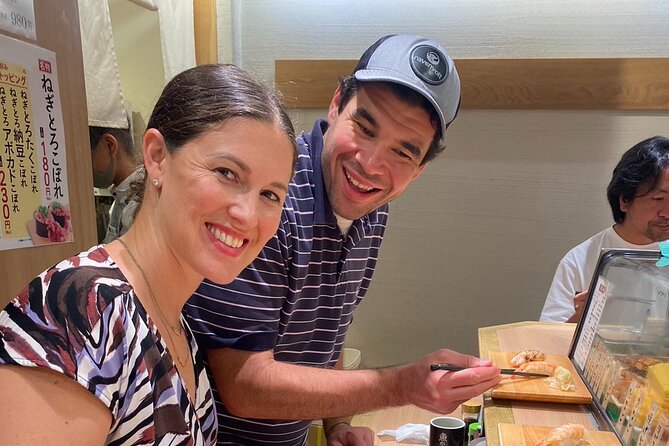
Nonbei Yokocho is one of the more distinctive stops. A short distance from Shibuya Station, this narrow alley is lined with kiosk-sized bars. The space feels very different from the wide roads, tall buildings, and giant screens associated with central Shibuya.
The planned visit lasts about 45 minutes. That gives you time to see the alley, learn how the small bars work, and perhaps have a conversation with a bartender or local person. Alcohol is not included, so any beer or other alcoholic drink would be an extra cost.
This is also the part of the route where your guide’s social skill matters most. A good guide can explain the setting and help you feel comfortable in a compact local bar. The tour information describes it as a place to make friends over a beer, but the experience can vary depending on the guide, the timing, and which venues are open.
Nonbei Yokocho is not a large restaurant district. Think of it as a close-up look at Shibuya’s intimate drinking culture, not a place for a full meal.
More Tokyo food tours:
- Tokyo: Shinjuku Food Tour (13 Dishes at 4 Local Eateries)
★ 5.0 · 6,603 reviews - Tokyo: Shinjuku Food Tour (15 Dishes and 4 Eateries)
★ 4.9 · 2,033 reviews - Best of Shinjuku: Izakaya Food Tour (4 Stops, 14+ Tastings)
★ 5.0 · 1,863 reviews - Tokyo Night Foodie Tour in Shinjuku – Seasonal Sushi, Wagyu Beef
★ 5.0 · 1,161 reviews
Don Quijote for Japanese snacks and everyday oddities
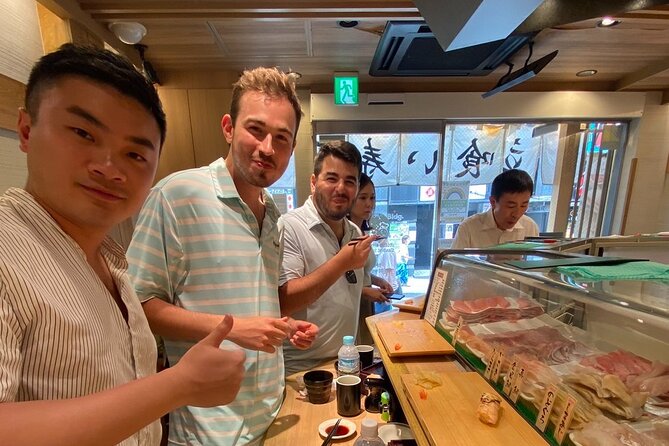
MEGA Don Quijote Shibuya Honten receives about 45 minutes. The store is at 28-6 Udagawacho, Shibuya City, and admission is free.
Don Quijote is useful on a food tour because it gives you a chance to see the huge variety of packaged snacks and everyday goods sold in Japan. The information does not specify which products you will taste, so your guide should explain what is included before you start choosing or eating.
The 45-minute slot may feel long if you are not interested in shopping. It makes more sense if the guide uses the time to explain Japanese snacks, help you compare products, or point out items that are difficult to identify on your own.
This stop can also be handy for anyone who wants to buy edible souvenirs. Keep your purchases separate from the included food, since the tour price does not mean everything you pick up in the store is covered.
Miyashita Park and Shibuya Yokocho
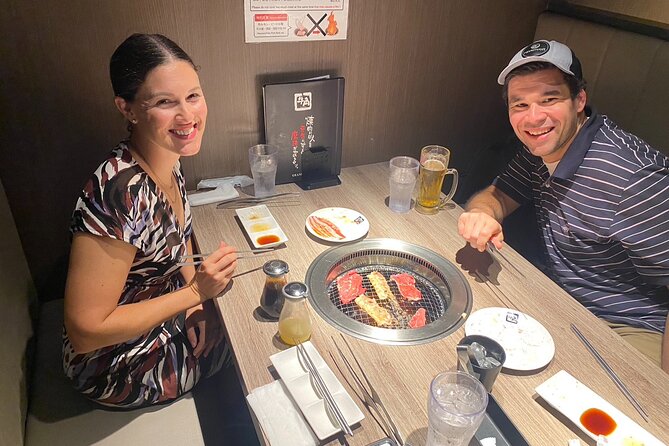
Miyashita Park shows a newer side of Shibuya. The former public park has been rebuilt as a three-storey complex with shops, restaurants, cafes, and a hotel.
You have about 45 minutes here. The most food-focused area is Shibuya Yokocho on the first floor, where small venues serve specialties from different parts of Japan. That variety fits the tour well because you can sample different regional styles without making separate trips across the country.
If you like sweets, the KitKat Chocolatory is another notable stop. The information says you can create a custom chocolate bar there, although you should confirm whether that activity is part of your included tasting or an optional purchase.
Miyashita Park is a good place to see how Tokyo keeps remaking its public spaces. The tradeoff is that it is a modern retail complex rather than an old neighborhood. You may find the food convenient and varied, but less traditional in feel than a small family-run place.
Shibuya Crossing, the grand finale
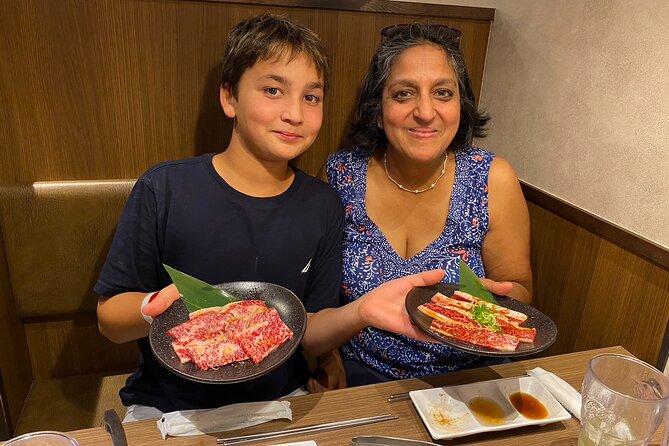
The tour ends with Shibuya Crossing, also called Scramble Crossing. It is positioned in front of the Hachiko exit of Shibuya Station, and traffic stops in all directions so pedestrians can cross the entire intersection.
The planned time is about 45 minutes. That is plenty of time for photographs, watching the crossing from street level, and hearing how the area functions. You may also appreciate ending here because the route returns to the same general area where it began.
The crossing is famous, but it is not a hidden local secret. Its value is visual and cultural. You get a clear sense of Shibuya’s scale, movement, and public energy in one view.
Because the tour finishes back at the meeting point, you are well placed to continue shopping, return to your hotel, or explore another part of Tokyo. Hotel pickup and drop-off are not included.
Food, drinks, allergies, and the private format
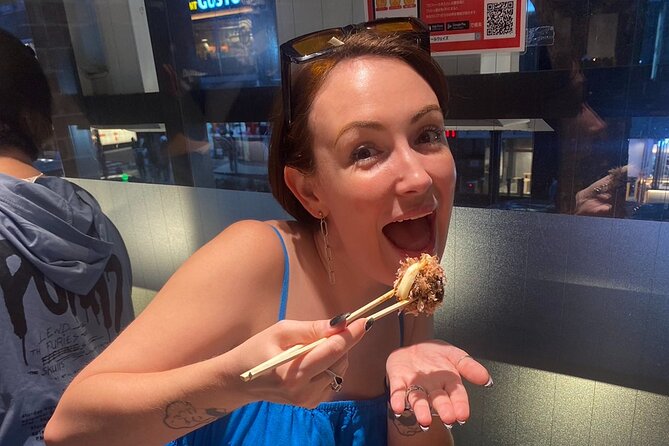
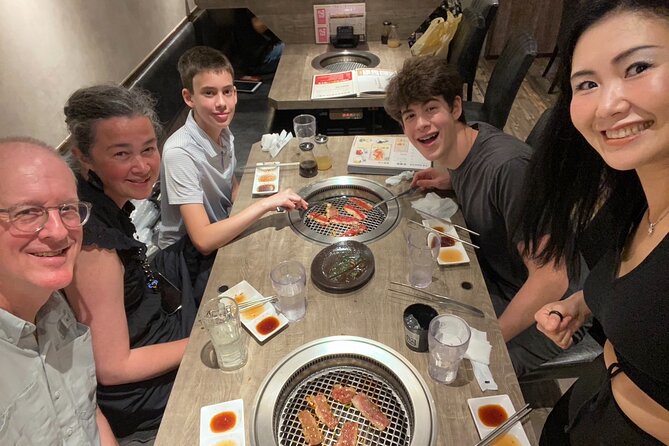
The package includes 4 to 5 food stops, desserts, snacks, two soft drinks, and water. Alcoholic beverages are excluded, and gratuities are optional.
The exact food is not listed, which is the most important practical gap in the description. If you avoid meat, seafood, dairy, eggs, alcohol, or specific ingredients, tell the operator before booking and confirm again after your guide contacts you.
The strongest personal detail available about the guiding is connected to Chisato. She took allergies into account and made the experience feel tailored. That is exactly the kind of attention a private tour should provide.
At the same time, you should not assume every guide offers the same level of communication. One guest found the guide’s English very limited and felt the route was repetitive. That does not prove the problem will happen to you, but it is a fair reason to request an English-speaking guide and send detailed food requirements in advance.
Timing, walking, and the pace of the afternoon
The experience lasts about four hours, with the listed stops adding up to roughly four hours and 30 minutes. That is normal for a tour described as lasting approximately four hours, but the pace may change depending on food service, walking time, and how long you spend at each location.
The route is a city walking tour, so expect to move between busy commercial areas, station surroundings, narrow lanes, and shopping complexes. The activity is near public transportation, and most people can take part according to the available information.
You will not be spending the whole time seated. Wear comfortable shoes and keep your schedule afterward flexible. A private tour can sometimes move quickly if your group is eager to see more, or slowly if food service and conversation take longer.
The six listed stops also show the tour’s broad purpose. This is a sampler of Shibuya rather than a focused culinary class. You get landmarks, shopping culture, bar culture, modern redevelopment, and street food or casual tasting opportunities in one outing.
Who will get the most from this tour
I would consider this experience for a first visit to Tokyo when you want help getting oriented and do not want to organize several food stops yourself.
It may suit you especially well if:
- You want a private guide instead of a shared group.
- You have food allergies or specific preferences.
- You want major Shibuya sights included with eating.
- You prefer soft drinks and snacks to a tour centered on alcohol.
- You are comfortable paying extra for planning and personal attention.
- You want to end near Shibuya Station with the rest of the day still open.
I would be more cautious if your main goal is a detailed Japanese food education, a fixed tasting menu, or a low-cost way to eat. The menu is not specified, alcohol costs extra, and the tour’s value depends greatly on the guide.
You should also ask about the language ability of the assigned guide. The positive experience with Chisato shows what good personal attention can add, while the poor communication described in another account shows why this question matters.
Booking details and cancellation rules
Confirmation is provided at booking, and the tour is often reserved well ahead of the date, with an average booking lead time of 73 days. That suggests you should not leave it until the last moment if this particular time slot matters to you.
You can cancel for a full refund up to 24 hours before the start time. Cancellations or changes made within 24 hours are not refunded or accepted.
The activity requires good weather. If poor weather causes cancellation, you are offered another date or a full refund. Since the route includes outdoor walking between Shibuya sights, check the forecast and keep a light rain plan in mind.
Should you book the Shibuya private food tour?
Book it if you want a private introduction to Shibuya that combines food, landmarks, shopping, and local guidance in one four-hour outing. The allergy-friendly attention associated with Chisato is a real advantage, and the return to Hachiko makes the route easy to fit into a Tokyo day.
Skip it if $250 per person feels high for an experience without a published menu, or if you want a serious restaurant crawl with alcohol included. Before paying, ask for the expected food stops, confirm the guide’s English, and provide every dietary restriction clearly.
My call: this is best for a small group that values convenience and customization more than a bargain. The route gives you a useful first look at Shibuya, but the guide must earn the price through clear communication, smart pacing, and careful food choices.
FAQ
How long does the Shibuya private food tour last?
The tour lasts approximately four hours, although the listed stop times add up to slightly more than four hours.
Where does the tour start?
It starts at the Hachiko Statue at 2 Chome-1 Dogenzaka, Shibuya, Tokyo 150-0043, Japan.
Where does the tour finish?
The activity ends back at the meeting point near the Hachiko Statue.
Is the tour private?
Yes. Only your group participates in the private activity.
How many food stops are included?
The tour includes 4 to 5 food stops.
Are desserts and drinks included?
Yes. Desserts, snacks, water, and two soft drinks are included. Alcoholic beverages are not included.
Is hotel pickup included?
No. Hotel pickup and drop-off are not included.
Can I cancel for a full refund?
Yes. You must cancel at least 24 hours before the experience start time for a full refund. Cancellations within 24 hours are not refunded.
What happens if bad weather cancels the tour?
If poor weather causes cancellation, you are offered a different date or a full refund.
Newly reviewed around Tokyo
- Tokyo Asakusa:Calligraphy & Make T-shirt Activity★ 5.0 · 62 reviews
- Intercity Shuttle, Tokyo to Haneda /Narita /Yokohama /Makuhari★ 5.0 · 5 reviews
- 1 Hour Travel around Tokyo with a Professional Photographer★ 5.0 · 3 reviews
- Travel Tokyo with Your Own Personal Photographer★ 5.0 · 43 reviews
- Train in Samurai Swordsmanship and Defeat the Demon in Tokyo★ 5.0 · 5 reviews
- Shuttle Van 6hr Tokyo Tour to-and-from Tokyo, Yokohama and Narita★ 5.0 · 9 reviews
- Kickboxing & Body Training with EX-Pro Fighter★ 5.0 · 4 reviews
- Tokyo History: Sensoji Temple & Asakusa District Private Tour★ 5.0 · 28 reviews
Tokyo Food Tours, compared.
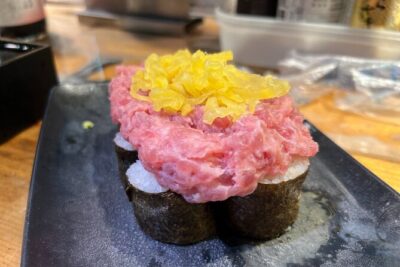
Shinjuku Food Tour (13 Dishes at 4 Local Eateries)
Read our review →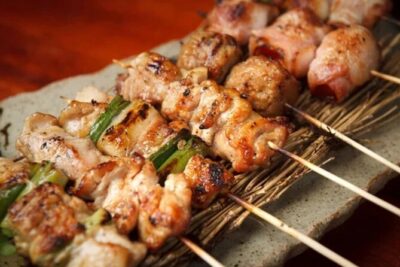
Shinjuku Food Tour (15 Dishes and 4 Eateries)
Read our review →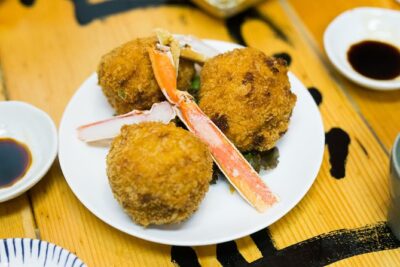
Best of Shinjuku: Izakaya Food Tour (4 Stops, 14+ Tastings)
Read our review →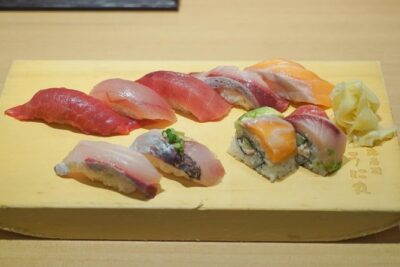
Tokyo Night Foodie Tour in Shinjuku – Seasonal Sushi, Wagyu Beef
Read our review →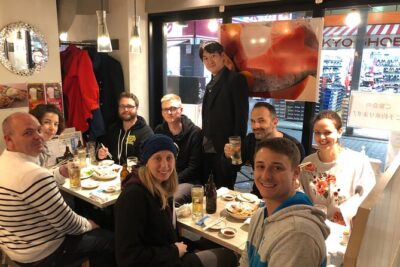
Eat and Drink Like a Local: Tokyo Ueno Food Tour-Taverns&Ramen
Read our review →
Tsukiji Fish Market: Street Food & Culture Walking Tour
Read our review →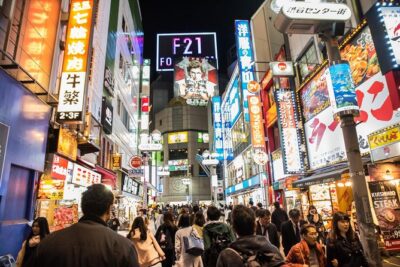
Browse the lists this tour appears in