
Reviewed · TOKYO SPORTS GAMES AND TICKETS
Tokyo: Horse Racing Tour with Local Fan
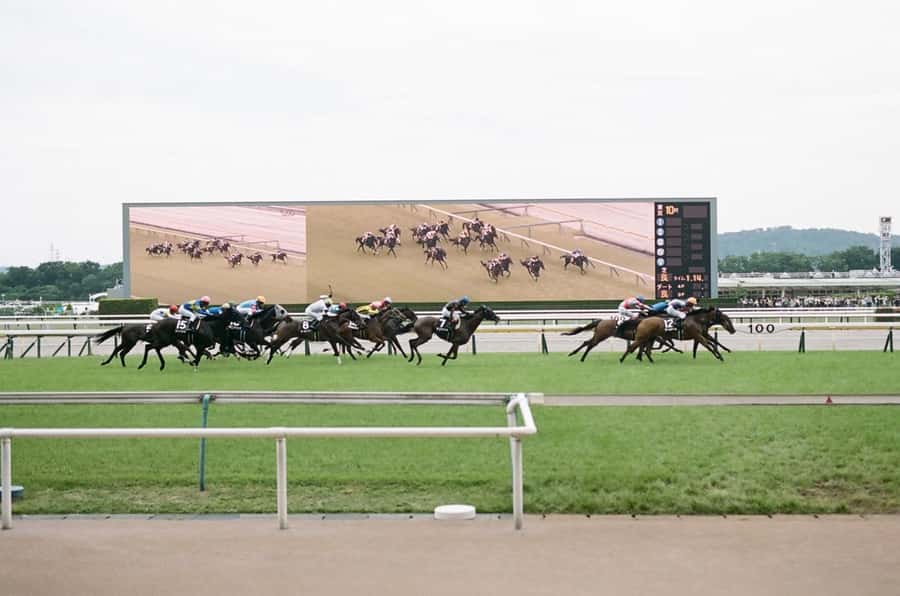
Japanese horse racing is one of Tokyo’s best local surprises. At the racecourse, you get live sport, betting, Japanese food, and a crowd fully tuned to every horse and jockey. The tour with Eito, an English-speaking local guide, gives you a way into a place where nearly everything, from ticket machines to race forms, is usually in Japanese.
I especially like two things here: clear help with betting, and the chance to see a side of Tokyo far removed from Shinjuku and Shibuya. You can cheer with local fans, try sake or a beer, and sample food such as karaage and yakitori. The main consideration is cost once you arrive, since food, drinks, train fares, and bets are not included in the $60 price.
Key points to know before booking
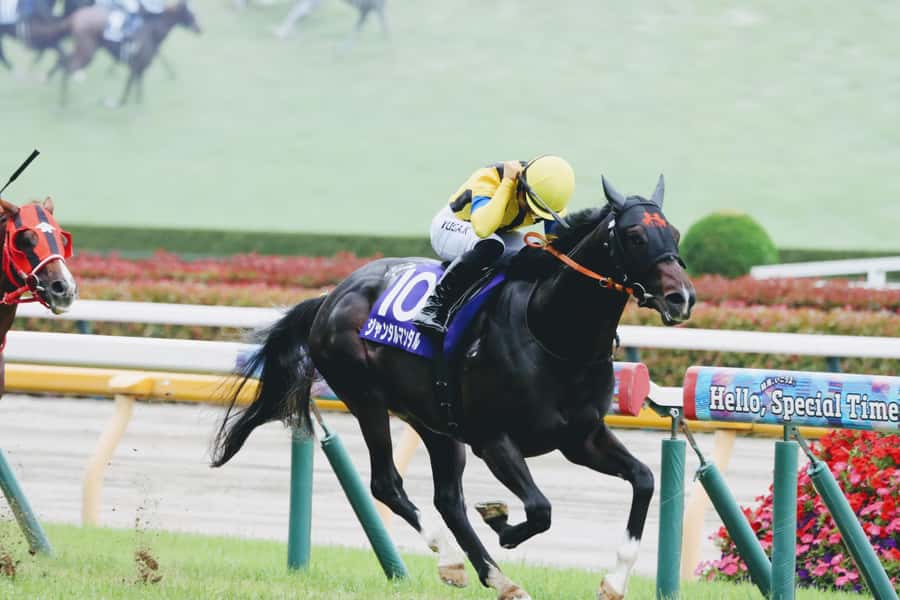
- The racecourse changes by date: Weekends usually mean Tokyo Racecourse or Nakayama Racecourse. Weekdays usually use Oi or Kawasaki Racecourse.
- Eito handles the confusing parts: He explains racing terms, jockeys, horses, betting choices, and the ticketing system in English.
- Admission is included: Your GetYourGuide voucher is not the admission ticket. Eito gives you the racecourse ticket in person.
- Reserved seating is arranged: You enter with the guide and receive your reserved seat ticket at the meeting point.
- Bring Japanese yen: You need cash for betting, food, and drinks. Train tickets are extra.
- This is a niche half-day outing: It suits curious adults who want local culture and do not mind a little uncertainty in the betting.
Why Japanese horse racing makes a good Tokyo outing
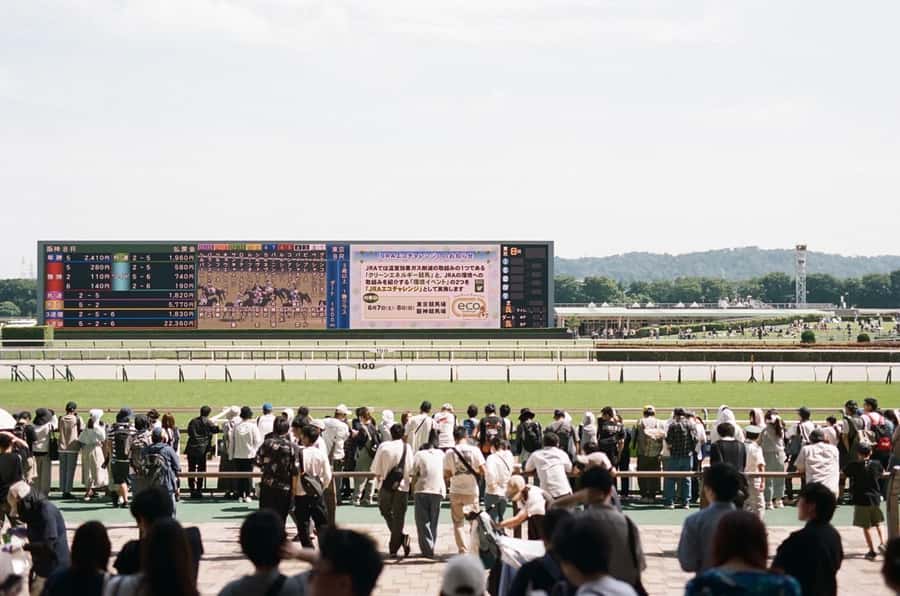
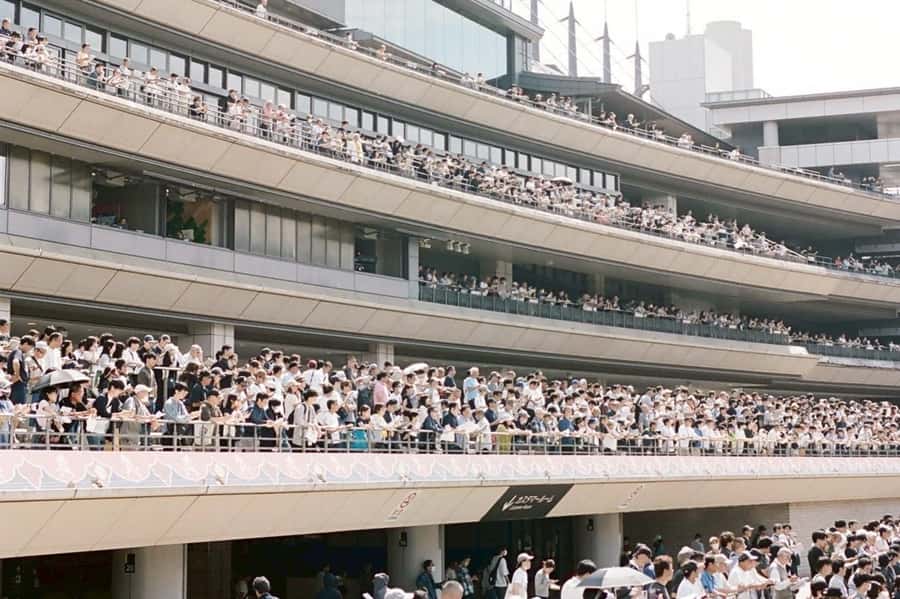
Tokyo offers plenty of polished attractions, but some of the most memorable moments come from places built for local life rather than sightseeing. A racecourse is one of those places. You are not simply watching horses run. You are seeing how Japanese fans study form, follow jockeys, choose bets, and react to a race that lasts only a few minutes.
The setting has its own rhythm. Before a race, people study the information, make their selections, and settle into their seats. As the horses approach the starting gate, the mood tightens. Once the race begins, the crowd reacts together, then quickly turns its attention to the next event.
For you, the appeal is that the guide removes the language barrier without removing the local character. You still get the real racecourse, the real betting slips, and the real crowd. You simply have someone beside you who can explain what is happening.
This is also a useful choice if you have already covered Tokyo’s main sights. You might know Shibuya Crossing, the Imperial Palace area, and the bright streets of central Tokyo. Horse racing gives you a different picture of the city, one based on a popular Japanese pastime rather than a famous landmark.
More Tokyo sports games and tickets:
- Tokyo: FC TOKYO Football Game at Ajinomoto Stadium
★ 4.8 · 58 reviews - Catch a Baseball Game in Tokyo with a Local – Tickets Included
★ 5.0 · 24 reviews - Tokyo: Alvark Tokyo Basketball Game Ticket
★ 4.5 · 18 reviews
Meeting Eito and getting through the entrance
The meeting arrangement is simple but important. You meet at the designated location, where the guide waits with a sign showing your name. You are asked to send a text when you arrive, so having a working phone connection is useful.
Do not treat your digital voucher as your admission ticket. Eito provides the racecourse ticket in person, and entry is possible only when you are accompanied by the guide. This is one reason the tour has practical value. The racecourse ticketing system and entrance procedures can be hard to manage if you cannot read Japanese.
The exact meeting point and racecourse depend on your selected date. Weekend dates generally use Tokyo Racecourse or Nakayama Racecourse. Weekday dates generally use Oi or Kawasaki Racecourse. Check the venue carefully before booking and allow enough time for the journey, since train fares are not included.
The activity ends back at the meeting point. The supplied information does not give a fixed tour length, but it is described as a half-day activity, giving you time to watch several races without committing your whole day.
Four possible racecourses, four different outings
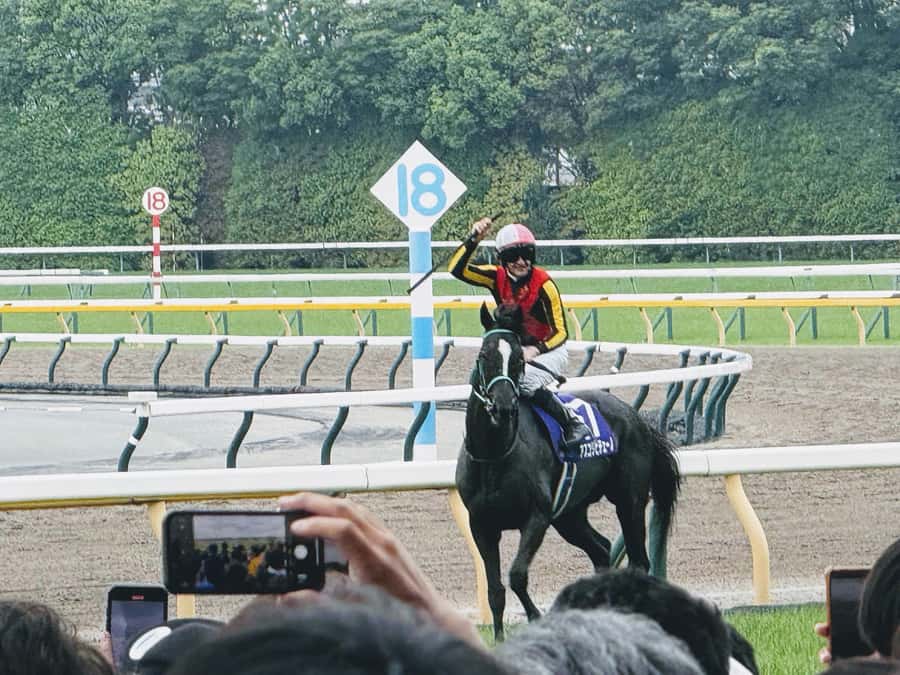
The venue is not a minor detail. It affects your transport plan and the feel of the day.
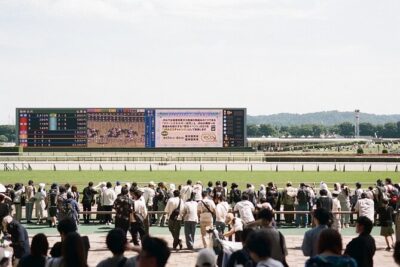
Tokyo Racecourse is one of the usual weekend choices. If your date takes you there, you will be visiting one of Japan’s major racing venues. The scale and crowd energy are likely to make it a strong choice for a first race-day outing, though you should confirm the transport details for your particular meeting point.
Nakayama Racecourse is the other usual weekend venue. Like Tokyo Racecourse, it offers a full race-day setting, but the experience will depend on the event scheduled for your date. The important point is that the guide takes care of the admission process and helps you understand what you are seeing once inside.
On weekdays, the activity usually goes to Oi Racecourse or Kawasaki Racecourse. These venues give you a weekday racing option rather than limiting the tour to a Saturday or Sunday. The atmosphere can vary with the date, the schedule, and the crowd, so I would choose your day based first on your Tokyo plans and only then on the exact course.
Because the racecourse changes, this is not a tour where you can assume a single fixed route. The venue appears when you select your date during booking. Read that information closely before you commit to the time.
How Eito explains betting in plain English
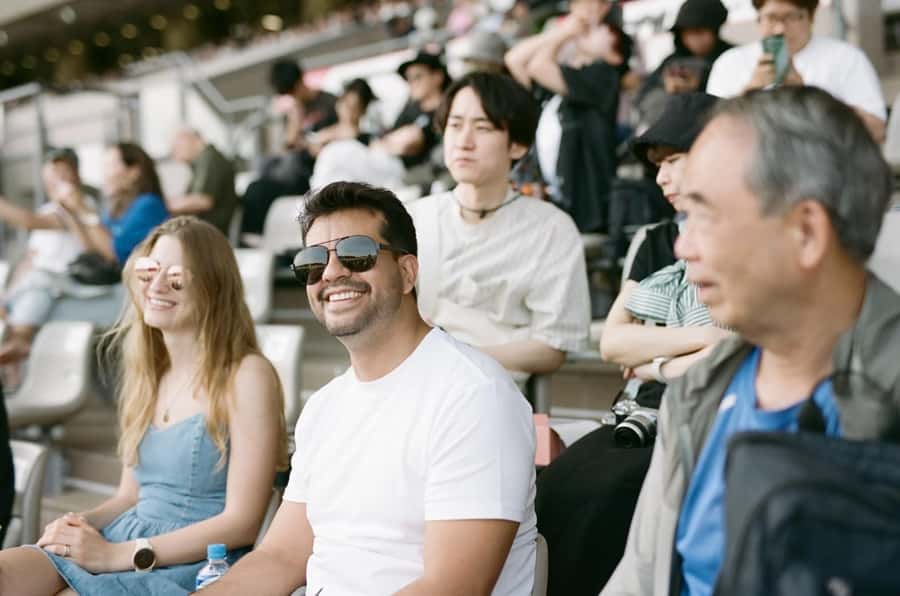
The betting system is the part most visitors will find hardest without help. The forms, machines, race information, and betting choices are presented in Japanese, and guessing your way through can take the fun out of the afternoon.
Eito explains the rules and walks you through the betting process. He can help you understand the available choices and assist as you place bets. He also explains information about the horses and jockeys, which gives you more to think about than simply choosing a number at random.
You do not need previous horse-racing experience. At the same time, people who already attend races in other countries can still find the Japanese system different. One New Zealand and Australia racegoer described the Japanese scene as far more intense than familiar race days, including major events in Melbourne and Hong Kong. That comparison suggests this is not merely a quiet afternoon of watching horses pass by.
Keep your betting budget modest. The $60 tour price does not include your wagers, and winning is never guaranteed. The sensible approach is to treat betting as part of the entertainment, not as a way to fund your holiday.
Bring cash in Japanese yen. This is specifically required for betting, and it is also the practical choice for food and drinks at the course.
More Horses in Tokyo:
- Horse Racing Tour with Local Fans in Tokyo Racecourse
★ 5.0 · 8 reviews - Horse Racing Tour with Local Fans in Tokyo, Oi Racecourse
★ 5.0 · 5 reviews
Race-day action, from horses to crowd noise
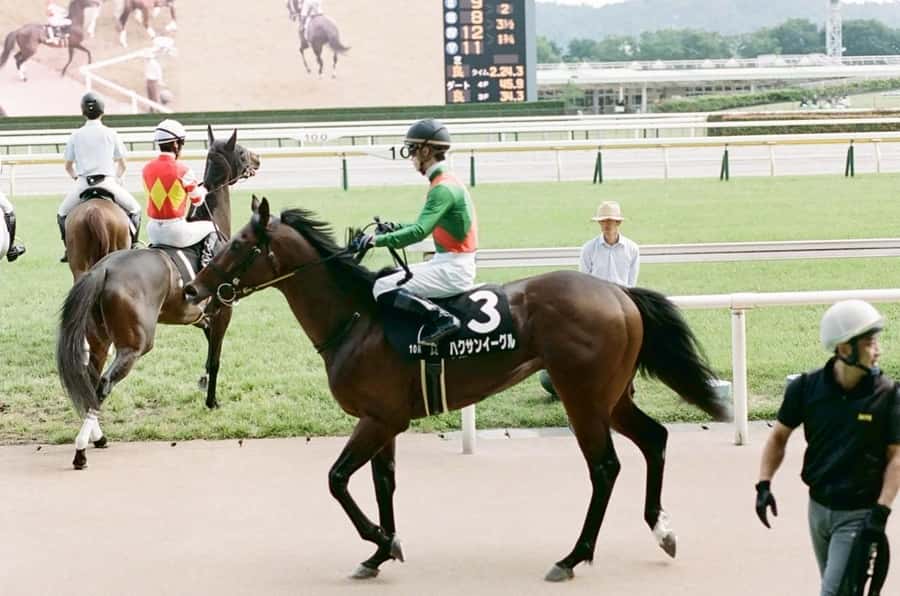
The races are the main event, but the appeal comes from the build-up as much as the finish. You watch the horses, follow the race information, place a wager, and then join the crowd as the field charges forward.
A guide can make this sequence much easier to follow. Instead of staring at unfamiliar Japanese text, you can ask what the betting options mean, why a jockey or horse is being discussed, and what to look for before making a choice.
The atmosphere is described as highly charged, with fans cheering and reacting throughout the race. One useful way to approach it is to attend with curiosity rather than a plan to win. Your ticket may pay off, or you may come close several times without collecting anything. Either way, the excitement comes from understanding the choices and then seeing what happens.
You should also expect pauses between races. Those gaps are useful. You can talk with Eito, look over the next field, buy a snack, and watch how local fans prepare. The guide’s role is not limited to a short introduction at the entrance. He stays with you throughout the event and assists with betting during the day.
Food, drinks, and the social side of the course
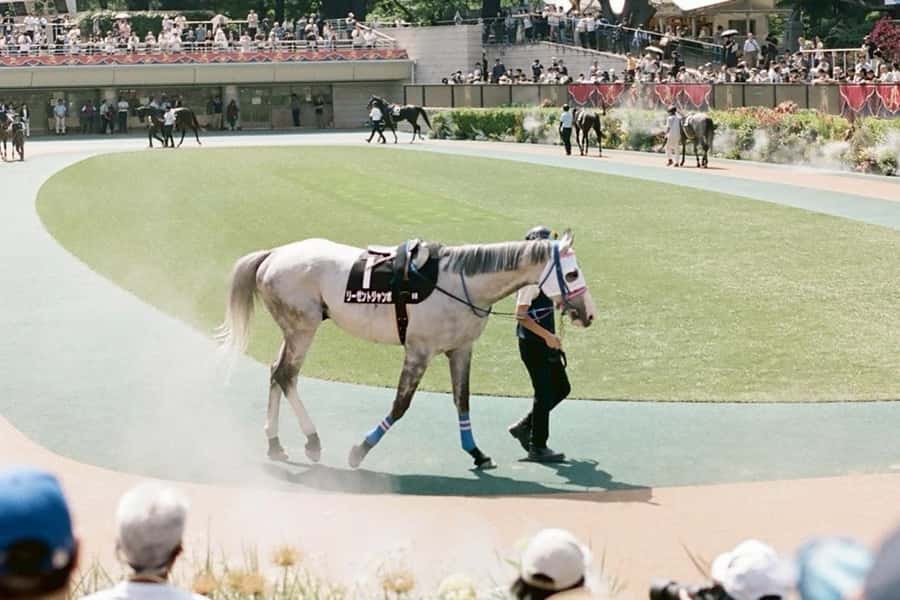
Food and drinks are not included, so plan to pay separately. That is a drawback for anyone expecting an all-inclusive tour, but it also lets you choose how much or how little you spend.
The available food may include Japanese favorites such as crispy karaage, yakitori, and seasonal snacks. You might also find local drinks, sake, and cocktails. These details matter because a racecourse visit is not only about sitting in a reserved seat. Eating and drinking between races help you settle into the routine and make the outing feel more social.
You can keep the meal simple, or treat it as part of your taste of local culture. Just do not confuse the word gourmet with an included meal. The tour covers the guide, explanations, assistance, admission, and reserved seating arrangements, while your purchases remain your responsibility.
The social side may be one of the best reasons to choose this activity. You are encouraged to cheer alongside local fans, and Eito’s friendly manner helps make conversation easy. Several comments about the experience point to his good English, humor, and willingness to explain things carefully. That combination matters more here than a formal lecture would.
What the $60 price really covers
At $60 per person, this is not the cheapest way to spend an afternoon in Tokyo. You still need to pay for train tickets, food, drinks, and any bets. If you are only looking for a free view of a race, the price will seem high.
The value is in the access and translation. You receive an English-speaking guide throughout the event, admission, a reserved seat ticket, an explanation of the rules, and help with the betting process. Without that support, you may spend much of your visit trying to work out the machines and paperwork rather than enjoying the races.
The price also buys confidence. You can ask questions as they arise and avoid the awkwardness of entering a Japanese racecourse alone. For someone who has never attended a race in Japan, that practical help may be worth more than the ticket itself.
I would compare this with the cost of a guided food tour or another half-day Tokyo activity. The horse-racing tour offers less sightseeing in the traditional sense, but more contact with a specific local pastime. It is good value if you are genuinely curious about racing culture. It is weaker value if you dislike gambling, crowds, or sports where the result arrives in a few fast minutes.
Who will enjoy this most
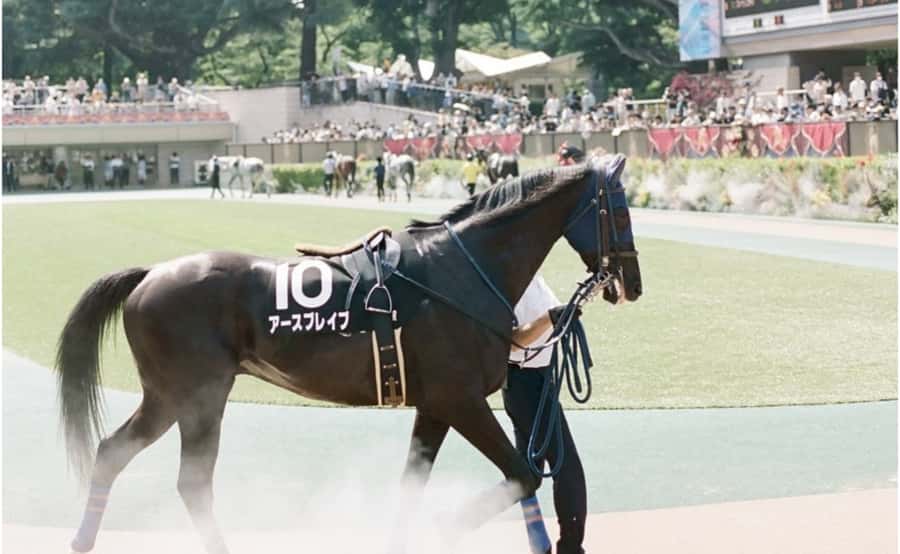
This tour is a strong match for:
- First-time racegoers who want betting explained in English
- Experienced horse-racing fans who want to compare Japanese racing with racing at home
- Repeat Tokyo visitors seeking a less familiar local activity
- Couples and small groups who enjoy food, drinks, and shared excitement
- Curious visitors comfortable setting a small betting budget
It may not suit you if you want a quiet cultural tour, a fixed sightseeing route, or a meal included in the price. It also requires some flexibility because the racecourse changes with the date.
Families should check the age requirements before booking, since the information provided does not state them. The same applies to exact meeting times and group size. Those details are date-specific and should be confirmed during booking.
Practical advice for making the day work
Bring Japanese yen and a phone so you can send the arrival text. Wear something comfortable for a half-day outing, and leave enough time to reach the meeting point by train. Your train tickets are not part of the tour price.
Do not arrive expecting to enter on your own with the voucher. Wait for Eito and receive your racecourse ticket from him. Since entry is only possible with the guide, meeting up promptly matters.
Set your gambling limit before the first race. It is easy to place another small bet when the next race is only minutes away. A firm budget lets you enjoy the sport without allowing a run of losses to spoil the afternoon.
Finally, check the racecourse shown for your chosen date. Weekend and weekday venues differ, and the ride across Tokyo’s wider area can affect how you plan the rest of your day.
Should you book the Tokyo horse-racing tour?
Book it if you want a genuine local activity, enjoy live sport, and like the idea of learning a Japanese system with help from an English-speaking guide. Eito’s role is especially useful for first-time visitors, while experienced racegoers can compare Japanese betting and race-day culture with what they know from home.
Skip it if you dislike betting or want every expense covered upfront. The $60 price is fair for the guide, admission, explanations, assistance, and reserved seating, but you must add transport, food, drinks, and wagers.
For the right person, this is a memorable half-day choice: horses thundering past, local fans reacting around you, a plate of yakitori nearby, and just enough guidance to let you take part rather than watch from the sidelines.
FAQ
Which racecourse does the tour visit?
The venue depends on the date. Weekends usually use Tokyo Racecourse or Nakayama Racecourse. Weekdays usually use Oi or Kawasaki Racecourse. The exact venue appears when you select your date.
Is admission included?
Yes. Admission is included, but your GetYourGuide voucher is not the admission ticket. The guide provides your racecourse ticket in person.
Will the guide help me place bets?
Yes. The English-speaking guide explains the racing rules and betting process, then assists you with placing bets during the event.
Do I need to speak Japanese or know horse racing?
No. The guide explains the activity in English, and no previous racing knowledge or Japanese language ability is required.
Are food and drinks included?
No. You can buy food and drinks at the racecourse, but you pay separately. Possible choices include karaage, yakitori, seasonal snacks, sake, and local cocktails.
What should I bring?
Bring cash in Japanese yen for betting, food, and drinks. Train tickets are also paid separately.
Newly reviewed around Tokyo
- Tokyo Asakusa:Calligraphy & Make T-shirt Activity★ 5.0 · 62 reviews
- Intercity Shuttle, Tokyo to Haneda /Narita /Yokohama /Makuhari★ 5.0 · 5 reviews
- 1 Hour Travel around Tokyo with a Professional Photographer★ 5.0 · 3 reviews
- Travel Tokyo with Your Own Personal Photographer★ 5.0 · 43 reviews
- Shuttle Van 6hr Tokyo Tour to-and-from Tokyo, Yokohama and Narita★ 5.0 · 9 reviews
- Kickboxing & Body Training with EX-Pro Fighter★ 5.0 · 4 reviews
- Train in Samurai Swordsmanship and Defeat the Demon in Tokyo★ 5.0 · 5 reviews
- Traditional Japanese Knife Sharpening Class★ 5.0 · 18 reviews
Tokyo Sports Games and Tickets, compared.
Catch a Baseball Game in Tokyo with a Local – Tickets Included
Read our review →
Horse Racing Tour with Local Fans in Tokyo Racecourse
Read our review →
Tokyo Baseball Experience Tour with Expert English-Speaking Guide
Read our review →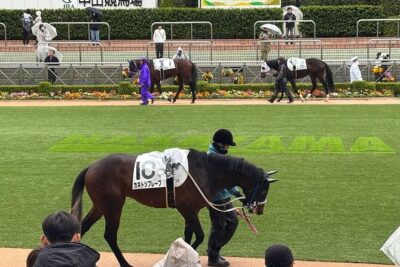
Horse Racing Tour with Local Fans in Tokyo, Oi Racecourse
Read our review →Browse the lists this tour appears in