
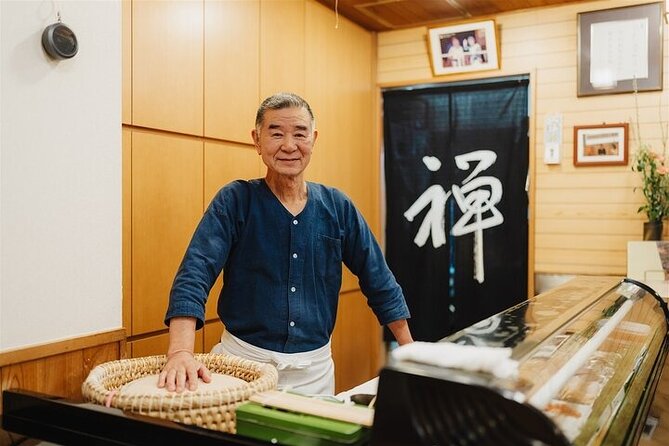
Reviewed · TOKYO
Tokyo Time Machine Exploring Old School Monzen Nakacho
Monzen-Nakacho gives you a side of Tokyo that most first-time visitors miss: small food shops, fox shrines, fire rituals, and narrow bar alleys where the Showa era still feels close. The best part is the personal scale, with no more than six people and a guide who can handle the language gap.
I like the mix of food and culture, since this is not just a crawl from one restaurant to the next. I also like the access to tiny local places that would be hard to enter alone. The main caution is that drinks, especially sake or other alcohol, play a noticeable role, so this may not be the best match if you want a food-first tour or do not drink.
Key points at a glance
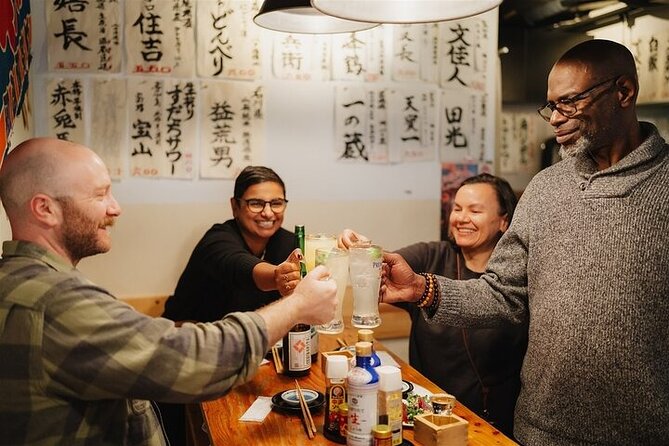
- Six-person maximum: A small group makes it easier to ask questions and fit into tiny neighborhood shops.
- Three very different stops: You move from a major shrine to a Buddhist temple and then into a Showa-era bar alley.
- Food and drinks are included: Expect snacks, dinner, coffee or tea, and alcoholic drinks.
- Translation is part of the experience: Your guide helps you order, chat, and understand local customs.
- Guides bring different strengths: Diana, Michelle, Nicole, Chika, Maira, and Mairi have all led this experience at different times.
- A six-hour afternoon and evening: The tour starts at 1 p.m. at Monzen-nakacho Station and returns there.
Why Monzen-Nakacho makes a good Tokyo detour
Tokyo can feel like a city of famous crossings, department stores, and polished attractions. Monzen-Nakacho offers a different rhythm. Here, older food businesses, temples, neighborhood bars, and small alleys make up the evening.
That change of pace is the point. You are not simply checking off a shrine or eating at a restaurant with an English menu. Your guide connects the food, religious sites, and people who keep the neighborhood going.
The area also gives the tour a strong sense of variety. One hour may be spent looking at a shrine linked with sumo. The next may center on Buddhist fire rituals and wooden statues. Later, you are sitting or standing in a tiny bar with local drinks and small dishes.
I find that mix more useful than a standard food tour that only explains ingredients. You get a better feel for how food, faith, drinking, and daily life overlap in Tokyo.
The group limit matters here. With six people at most, the guide can translate questions and explain what is happening without turning the tour into a lecture. A larger group would also be awkward in the very small bars along Tatsumi Shindo.
Other Tokyo days people book alongside this one:
- Mt Fuji and Hakone 1-Day Bus Tour Return by Bullet Train
★ 5.0 · 26,383 reviews - 1-Day Tokyo Bus Tour
★ 5.0 · 14,250 reviews - Tokyo: teamLab Planets TOKYO Digital Art Museum Entry Ticket
★ 4.6 · 9,779 reviews
Starting at Tsurugaoka Hachimangu Shrine
The first stop is Tsurugaoka Hachimangu Shrine, described as Tokyo’s largest Hachiman shrine and founded in 1627. It is associated with sumo history, including a yokozuna stele, and hosts markets on the first, 15th, and 28th of each month.
You get about an hour here, with no admission charge. The red torii provide the first clear visual signal that you have left the usual modern Tokyo route. The shrine also gives your guide a useful place to explain Shinto customs, local religious life, and the connection between public ceremonies and neighborhood identity.
If your visit lines up with one of the market dates, the setting may feel more festive, with extra activity around the grounds. The tour information does not promise that a market will be operating on your date, so treat that as a possible bonus rather than a planned feature.
This stop is not mainly about food, but it gives the rest of the afternoon more meaning. When you later enter a shop or bar, you have already seen one part of the neighborhood’s social world. I like that the tour does not rush directly to the eating.
Fukagawa Fudodo and the Goma fire ritual
The second hour is spent at Fukagawa Fudodo, a temple known for Goma fire rituals and large wooden statues. The approach also includes small fox Inari shrines, which offer a quieter contrast to the main temple buildings.
The temple is a good counterpoint to the shrine. A guide can explain the basic differences between Shinto and Buddhism, but the value here is also visual and sensory. The wooden figures and fire ceremony create a more intense atmosphere than a quick temple photo stop.
The Goma ritual is one of the more unusual elements of the afternoon. Monks use fire as part of a Buddhist ceremony, and the sight gives you something you are unlikely to stumble into during a normal walk around Tokyo. The exact timing or form of the ceremony is not specified, so you should not assume that every tour will include the same level of activity.
I would pay attention to the small fox shrines on the approach, too. They are easy to overlook if you focus only on the main temple. This is one place where having a guide helps, because the details are part of the appeal.
Food, drinks, and the question of balance
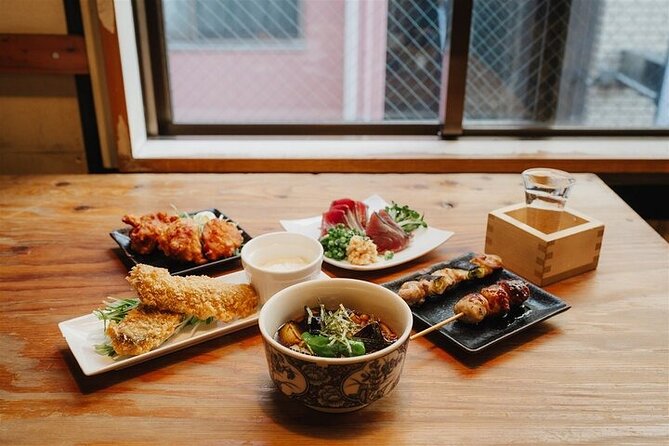
Food is included, along with snacks, dinner, coffee or tea, and alcoholic drinks. The tastings described by past tour experiences include heritage-style food, a warming fisherman’s clam broth and rice stew, mochi, plum wine, sake, and gin.
That range is a real strength. You are not locked into one kind of Japanese food or one polished restaurant. The stops can include old-fashioned dishes, drinks made from plums, and small bites that connect to the neighborhood.
The meal is also social. In a tiny shop or bar, you are likely to rely on your guide to explain the menu, help with ordering, and translate short exchanges with the people serving you. That removes much of the stress for visitors who cannot read Japanese.
Still, I would read the food and drink balance carefully before booking. One person found the tour leaned more toward sake than expected and would have preferred greater emphasis on food. If you do not care for sake, alcohol, or bar culture, this is an important limitation.
The best way to think of the tour is as a culinary and cultural walk with drinking included, not as a strictly food-focused tasting menu. You may enjoy it most if you are open to trying a little of everything.
A completely different kind of day in Tokyo:
- Mt Fuji & Hakone Cruise, Drum Show Bullet Train 1 Day from Tokyo
★ 4.0 · 7,413 reviews - Tokyo: Shinjuku Food Tour (13 Dishes at 4 Local Eateries)
★ 5.0 · 6,603 reviews - Tokyo Mt Fuji 5th St & Hakone Cruise Bus Tour w/Bullet Train
★ 4.4 · 5,024 reviews - Flagship 2-Hours Official Street Go-Kart Tour – Tokyo Bay Shop
★ 5.0 · 4,974 reviews
Tatsumi Shindo and its tiny Showa-era bars
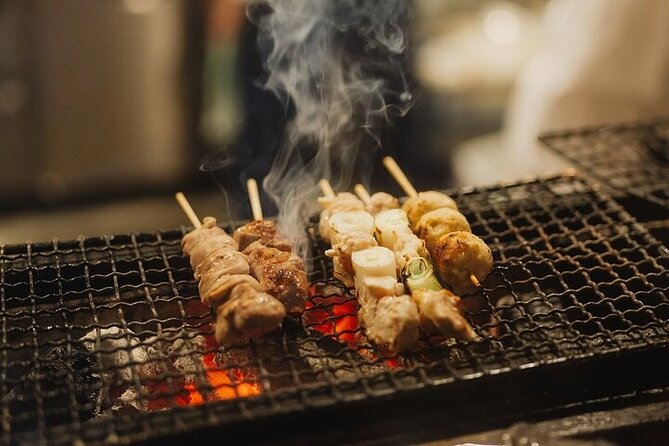
The longest stop is Tatsumi Shindo, a lively alley with roughly 30 small bars. This is where the old-school Tokyo theme becomes most direct.
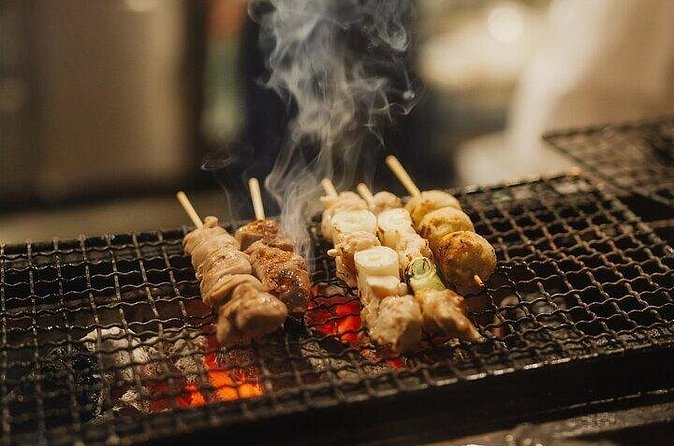
The alley is known for karaoke, yakitori, motsu-nikomi, and late-night drinking. Its small establishments preserve a Showa-era mood, with close quarters and a more local feel than the large entertainment districts.
You are given about two hours here. That does not mean you spend the entire time in one place. The tour may take you through a variety of stops, including tiny restaurants, local bars, and shops specializing in drinks such as plum wine.
This part would be difficult to reproduce on your own. You could certainly walk through Tatsumi Shindo, but choosing a bar, understanding the menu, knowing local manners, and making yourself comfortable in a very small room are separate problems. A guide who translates changes the experience from cautious sightseeing to actual participation.
I especially like the way the alley follows the shrine and temple visits. By this point, you have seen the formal religious side of the district. Tatsumi Shindo shows its evening social life, where food, drink, music, and conversation take over.
There are practical trade-offs. Tiny bars are not designed for wide-open movement, and the atmosphere may be more intimate than some people expect. If you prefer spacious restaurants, quiet meals, or a set dinner with plenty of personal room, this section could feel cramped.
What the guides add
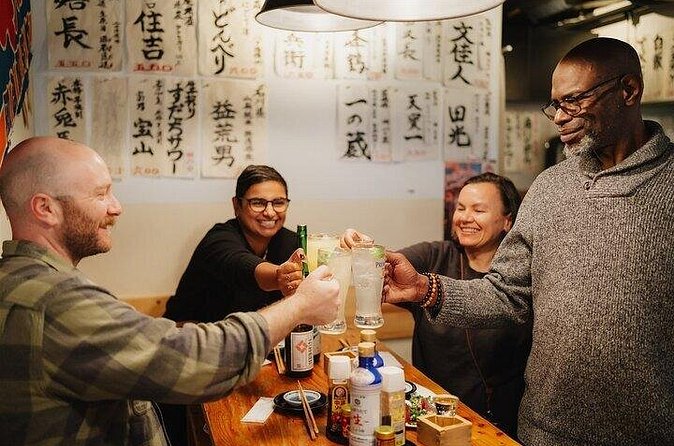
The guide is central to the value of this tour. The experience has been led by guides including Diana, Michelle, Nicole, Chika, China, Maira, and Mairi. The names provided are not a guarantee of who will lead your departure, but they show the range of people connected with the tour.
The strongest guide qualities described in the available feedback are warmth, cultural explanation, and care with individual needs. Michelle is associated with explaining the people and customs of the neighborhood. Diana is noted for explaining Japanese food, history, and culture across a wide range of tastings. Nicole received especially warm praise for her role in making the variety of stops enjoyable.
A guide also helped accommodate limited mobility for one member of a group. That is useful to know, though the tour still involves walking between sites and moving through small venues. If mobility is a concern, contact the operator before booking so your needs can be discussed clearly.
The language support is not a minor extra. It lets you ask why a dish is served, what a ritual means, or how a local drink is made. It also helps your group speak with shopkeepers, which can turn a quick purchase into a more memorable human exchange.
Is $195 a fair price?
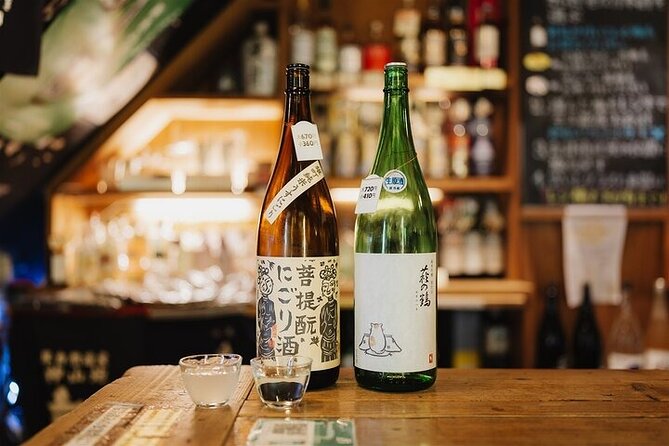
The cost is $195 per person, which places this well above a simple neighborhood walk. The value depends on how much of the included food and drink you consume and how much you value access rather than just sightseeing.
You are paying for roughly six hours, a small group capped at six people, a guide, translation, multiple food and drink stops, dinner, and entry to places that could be hard to navigate alone. Private transportation is not included, but the tour begins and ends at Monzen-nakacho Station, so the route is built around public transportation and walking.
Compared with buying each snack or drink independently, the price will not necessarily be the lowest possible way to eat in the area. That is not the right comparison. The stronger value is the guide’s local access and the confidence to enter small businesses without guessing your way through the customs.
I would consider it good value for a first visit to Tokyo if you want context, conversation, and a full afternoon devoted to one neighborhood. I would be less likely to recommend it to someone who already speaks Japanese, knows Monzen-Nakacho well, and mainly wants a cheap meal.
Timing, group size, and practical comfort
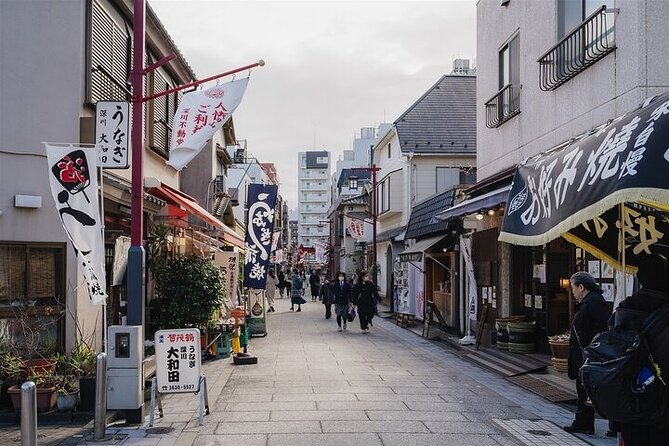
The tour begins at 1 p.m. and lasts about six hours, returning to the meeting point at Monzen-nakacho Station. That makes it a substantial afternoon and evening plan. Avoid scheduling another major attraction or a fixed dinner reservation afterward.
The mobile ticket is convenient, and confirmation is provided when you book. The meeting point is near public transportation, but private transport is not part of the tour.
Most people can participate, according to the supplied information. Even so, plan for walking, standing, temple visits, and time in compact bars. The small group is a benefit, but it does not change the physical nature of the route.
Cancellation is flexible if you plan ahead. You can receive a full refund by canceling at least 24 hours before the start time. Changes or cancellations inside that window are not accepted for a refund.
Who should book this experience?
I would choose this tour for you if you have already seen a few headline Tokyo districts and want a neighborhood with a more local feel. It suits curious eaters who enjoy trying unfamiliar dishes and drinks, as well as anyone who wants a guide to explain religious customs and bar etiquette.
It is also a good choice early in a Tokyo visit. The guides can offer ideas for other food stops and neighborhoods, and the tour gives you a practical introduction to ordering and eating in smaller places.
I would think twice if your priority is a carefully controlled food tasting with little alcohol. The experience includes sake and other drinks, and the bar section is a major part of the afternoon. It may also be a poor fit if you dislike small spaces or prefer to explore independently.
FAQ
Where does the Monzen-Nakacho tour start?
It starts at Monzen-nakacho Station, at 2 Chome-4 Monzennakacho, Koto City, Tokyo 135-0048, Japan.
What time does the tour begin?
The start time is 1 p.m.
How long does the experience last?
The tour lasts approximately six hours and ends back at the meeting point.
How many people can join the tour?
The maximum group size is six people.
Are food and drinks included?
Yes. Coffee or tea, snacks, dinner, and alcoholic beverages are included.
Is private transportation included?
No. Private transportation is not included. The tour begins near public transportation and returns to the starting point.
Can the guide help with language barriers?
Yes. A guide translates for you and helps with communication during the food and drink stops.
What is the cancellation policy?
You can cancel for a full refund up to 24 hours before the experience starts. Cancellations or changes made less than 24 hours before the start time are not accepted for a refund.
Should you book Tokyo Time Machine?
Book it if you want to trade Tokyo’s famous districts for temples, old food businesses, local drinks, and a narrow bar alley where a guide can open doors for you. The strongest reasons are the six-person group, the wide mix of stops, and the translation that makes small local venues much easier to enjoy.
Skip it if you want a low-cost food crawl, a food-only tour, or very little alcohol. For the right visitor, though, this is a thoughtful way to spend an afternoon and evening seeing a quieter, more personal side of Tokyo.
Newly reviewed around Tokyo
- Tokyo Asakusa:Calligraphy & Make T-shirt Activity★ 5.0 · 62 reviews
- Intercity Shuttle, Tokyo to Haneda /Narita /Yokohama /Makuhari★ 5.0 · 5 reviews
- 1 Hour Travel around Tokyo with a Professional Photographer★ 5.0 · 3 reviews
- Travel Tokyo with Your Own Personal Photographer★ 5.0 · 43 reviews
- Train in Samurai Swordsmanship and Defeat the Demon in Tokyo★ 5.0 · 5 reviews
- Shuttle Van 6hr Tokyo Tour to-and-from Tokyo, Yokohama and Narita★ 5.0 · 9 reviews
- Kickboxing & Body Training with EX-Pro Fighter★ 5.0 · 4 reviews
- Traditional Japanese Knife Sharpening Class★ 5.0 · 18 reviews