
Reviewed · TOKYO SPORTS GAMES AND TICKETS
Horse Racing Tour with Local Fans in Tokyo, Oi Racecourse
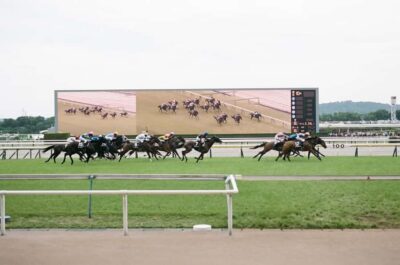
Tokyo’s Oi Racecourse comes alive after dark, when floodlights, cheering fans, and the quick flash of racing horses turn a simple night out into a lively local experience. You get more than a seat at the track: the guide explains how Japanese racing works and helps you place bets without needing Japanese.
I like the friendly, practical guidance, especially for first-time racegoers. I also like the chance to enjoy beer and Japanese food while watching several races, rather than spending the evening on a formal sightseeing route. The main drawback is cost control: the $90 tour price covers the guide only, so you pay separately for transport, food, drinks, and every bet.
Key points to know before you book
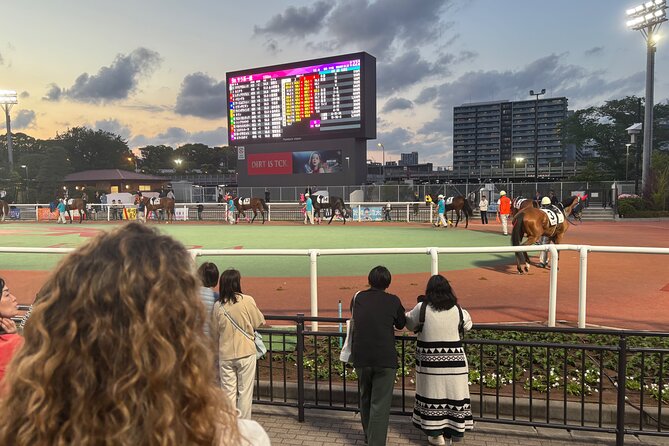
- Oi Racecourse after dark: Watch live racing in a bright, energetic setting at one of Tokyo’s dedicated tracks.
- Simple betting help: The guide explains the rules and betting process, with wagers starting at ¥100 per ticket.
- Small group format: The maximum group size is 12 people, making it easier to ask questions.
- English-friendly introduction: You do not need to read Japanese to take part comfortably.
- Food and drinks cost extra: Beer, local dishes, gourmet food, and alcoholic drinks are not included.
- Bring cash in yen: Betting may require Japanese currency, so do not arrive empty-handed.
A three-hour evening at Oi Racecourse
The experience is built around a compact evening schedule. It begins around 6:00 pm according to the tour outline, while the meeting details list a 6:30 pm start. That difference matters, so I would confirm the exact meeting time after booking and arrive early at Oikeibajo-Mae Station.
From the station, you meet the guide near 2 Chome-2 Katsushima in Shinagawa City. The meeting point is close to public transportation, and the guide can help you make your way into the racecourse. One especially useful detail from the experience is that the guide may show you how to reach the races by train, which helps if you are unfamiliar with Tokyo’s rail system.
Once inside, the guide gives you a plain-language introduction to Japanese horse racing. You learn the basic rules, how the races work, and how to read enough information to make a bet. You do not need to arrive as a racing expert. The point is to remove the confusion that can make a Japanese racetrack feel difficult at first.
That introduction is the heart of the tour. A racecourse can be easy to watch but hard to understand if you cannot read the signs or betting forms. With a guide beside you, you can ask direct questions and follow the action instead of guessing what everyone else is doing.
More Tokyo sports games and tickets:
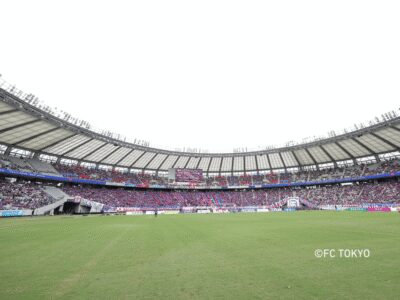
- Tokyo: FC TOKYO Football Game at Ajinomoto Stadium
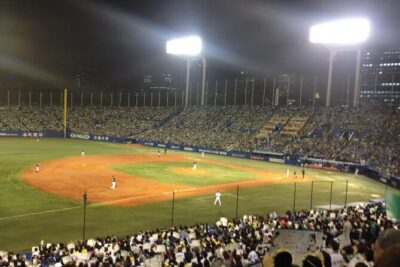
★ 4.8 · 58 reviews - Catch a Baseball Game in Tokyo with a Local – Tickets Included
★ 5.0 · 24 reviews - Tokyo: Alvark Tokyo Basketball Game Ticket
★ 4.5 · 18 reviews
Watching the races with local fans
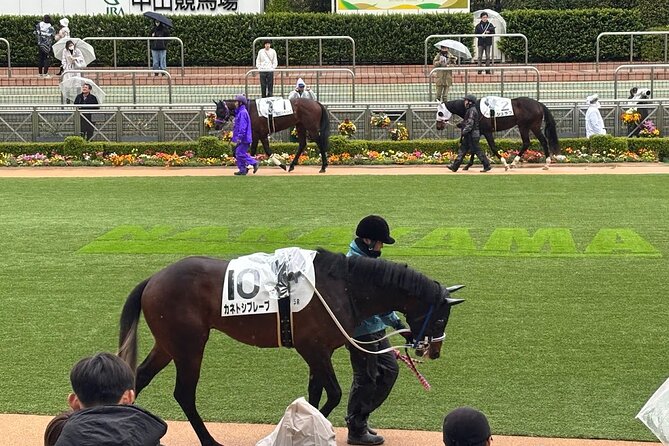
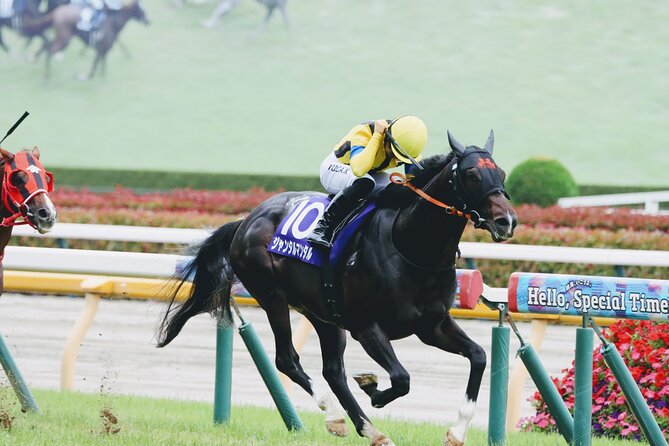
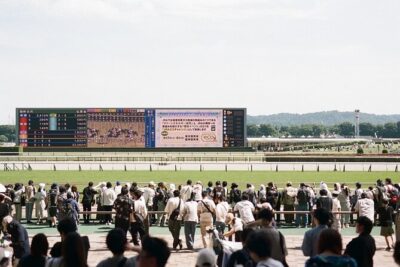
The races provide the main drama. Horses charge past the stands in a matter of seconds, and the crowd reacts just as quickly. The tour gives you a chance to watch from available seating while local fans cheer for their chosen horses.
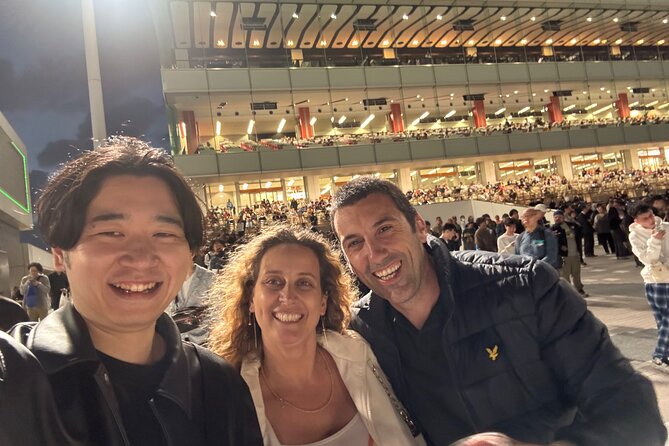
The atmosphere is social rather than quiet. You may hear people calling out, comparing picks, and reacting to the result. That makes the experience different from simply viewing a race on television. You are close enough to feel the crowd’s mood shift from hope to tension to celebration.
I like that the tour does not treat the racecourse as a sealed-off attraction. You are there to take part in an ordinary evening of Japanese entertainment, with the guide helping you understand the customs and mechanics. The experience connects you with a side of Tokyo that many first-time visitors miss.
The setting also gives the night a clear sense of place. Oi Racecourse is in Shinagawa, not far from central Tokyo by the city’s extensive rail network, yet the track has its own world of lights, betting windows, food, and fans. The tour keeps your attention on the racing, but the setting adds much of the appeal.
How the ¥100 betting system works
You can place a bet for as little as ¥100 per ticket. That low starting point lets you try the process without risking much money. For a first visit, I would keep your first bets small and treat them as part of the entertainment cost.
The guide explains how to place bets and can offer race predictions. Those tips may make your choices more interesting, but they are not a promise of winning. Horse racing is still gambling, and even the best suggestion can lose. Set a spending limit before the first race and stick to it.
Bring Japanese yen in cash. The tour information specifically warns that betting may require cash, and you should not depend on a credit card or phone payment for your wagers. The minimum bet is small, but several races can add up quickly if you keep betting.
The guide’s help is most valuable when you are trying to understand the process. You can learn what you are selecting, how much you are staking, and where to place the ticket. That makes the night more enjoyable than handing over money without knowing what happens next.
Food, beer, and the real price of the evening
The tour costs $90 per person, but that is only the starting price for the night. The guide fee is included. Food, alcoholic drinks, betting money, and public transportation are separate.
The listed transportation cost is ¥400 per person. You should also budget for whatever you choose to eat and drink inside the racecourse. The experience promises premium drinks, beer, Japanese cuisine, and local delicacies as part of the evening setting, but none of those purchases are included in the tour fee.
This pricing is fair if you value help with the racing system and want a small-group introduction. You are paying for someone to meet you, explain the rules in accessible English, guide you through betting, and help you follow the evening. If you already know Japanese racing and feel comfortable finding the track and betting alone, the price may feel high.
For a first visit, the guide can save time and frustration. You do not have to work out every sign, form, or procedure alone. I would think of the $90 as an orientation and companionship fee, then add a separate budget for transport, food, drinks, and modest bets.
The best approach is to decide in advance how much you want to spend beyond the tour. A small betting budget keeps the focus on the excitement of the races rather than the pressure to win back your expenses.
More Horses in Tokyo:
- Tokyo: Horse Racing Tour with Local Fan
★ 5.0 · 14 reviews - Horse Racing Tour with Local Fans in Tokyo Racecourse
★ 5.0 · 8 reviews
What the guide adds for non-Japanese speakers
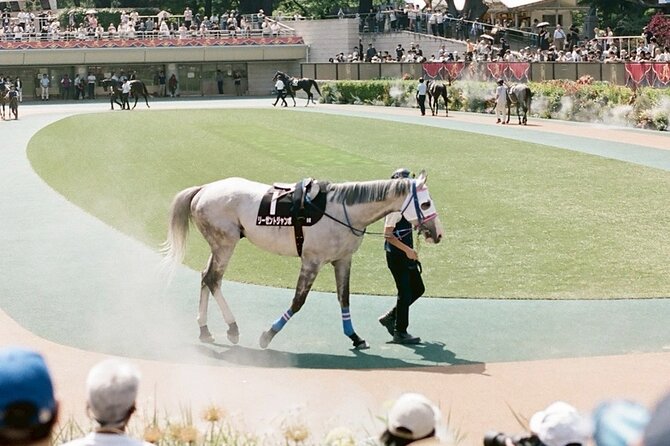
Horse racing has its own vocabulary and routines in every country. In Japan, the language barrier can make the process feel especially complicated. This tour addresses that problem directly.
The guide explains the rules in an easy-to-understand way and stays available while you place bets. That makes the activity suitable for someone who is curious about horse racing but has never tried it in Japan.
The small group limit also helps. With no more than 12 people, you should have a better chance of getting an answer than you would in a large tour group. The experience is not private, but it is small enough to feel personal.
One guide named in the experience is Eito. A previous outing with him included help getting to the races by train and support with betting during the Friday night races. That detail is useful because transport and the first few bets are often the points where newcomers need the most help. Guide assignments can vary, so do not assume Eito will lead every departure.
Who will enjoy this Tokyo night out
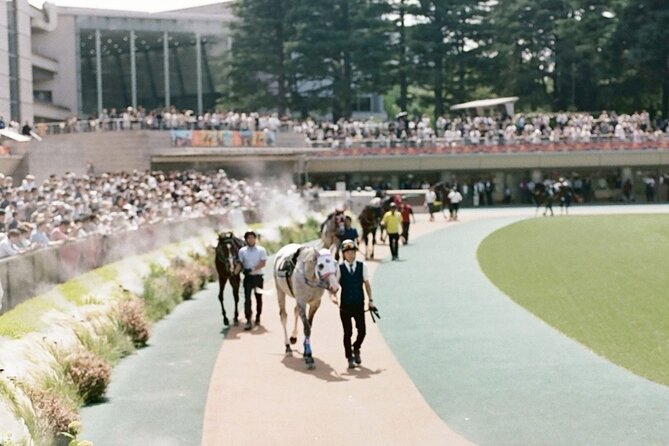
This tour suits you if you want an evening activity with a local feel rather than another temple, museum, or observation deck. It is also a good fit if you are curious about gambling but want a low-pressure introduction.
You do not need prior racing experience. The guide’s explanation is designed for beginners, and the ¥100 minimum allows you to participate without placing large bets. Experienced racegoers can still enjoy the local setting and the company, though they may find the basic introduction less useful.
I would particularly recommend it for:
- First-time visitors who want to try a Japanese sporting event
- Solo visitors who would rather share the evening with a small group
- Couples looking for an unusual night activity
- Fans of horse racing who want help with Japanese betting procedures
- Visitors comfortable walking around a lively venue for about three hours
The experience requires a moderate level of physical fitness. You should be comfortable getting to the station, moving around the racecourse, and remaining engaged for the evening. Service animals are allowed, and the meeting point is near public transportation.
Timing, transport, and practical planning
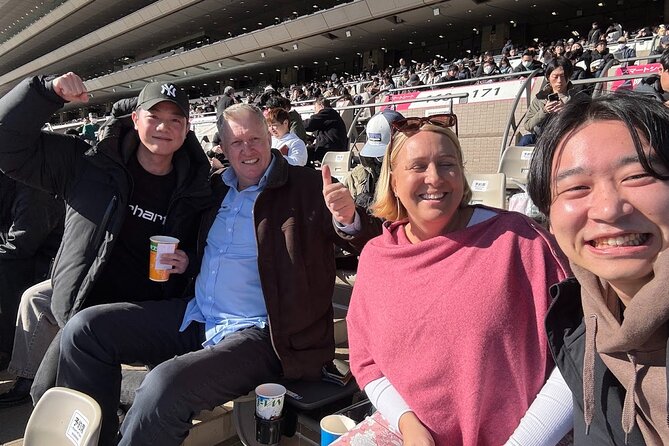
The meeting point is Oikeibajo-Mae Station, at 2 Chome-2 Katsushima, Shinagawa City, Tokyo 140-0012. The activity ends back at the meeting point, so you are not left at a different location at the end of the night.
The stated duration is about three hours, finishing around 9:00 pm. That gives you an evening-sized activity rather than a full-day commitment. You can plan dinner before or after, but keep in mind that food is also available at the racecourse.
The timing may be especially appealing on a Friday night, when the track’s evening energy feels strongest. Still, the exact race schedule can affect the rhythm of the outing. The guide will help you move between races, betting, food, and conversation rather than rushing through one continuous event.
Use the mobile ticket at entry or check-in as directed after booking. Confirmation is provided at the time of booking. Since the tour is often reserved well ahead of time, with an average booking lead of about 50 days, you may want to reserve early if your Tokyo dates are fixed.
The cancellation policy is generous but firm: you can receive a full refund if you cancel at least 24 hours before the start time. Cancellations or changes made inside that window are not accepted for a refund.
What I would watch for before paying
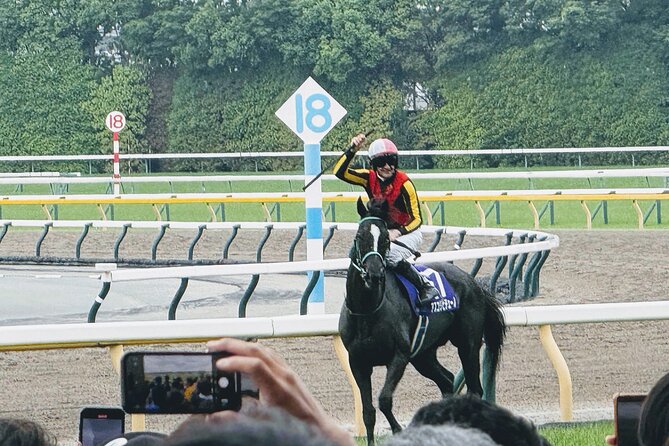
The biggest point to understand is what the $90 does and does not cover. You are buying the guide’s service, not an all-inclusive night at the track. If you expect meals, drinks, admission, and betting money to be included, you may be disappointed.
Also check the start time. The tour description says the experience begins at 6:00 pm, while the meeting information gives 6:30 pm. This may reflect a schedule update or a difference between the general itinerary and the meeting time. Confirm it so you do not miss the guide.
Finally, bring cash in yen and decide how much you are willing to bet. The guide’s predictions can add fun, but they should not encourage you to spend beyond your plan. The best result is an entertaining evening, not a large payout.
Should you book the Oi Racecourse tour?
Book it if you want guided access to a lively Tokyo race night and need help with Japanese racing rules or betting. The small group, local fans, station meeting point, and support from guides such as Eito make it far easier for a newcomer than going alone.
Skip it if you do not care about horse racing, want an all-inclusive package, or prefer a quiet evening. The extra cost of transport, food, drinks, and bets is real.
For the right person, this is a memorable three-hour outing. Keep your bets modest, bring yen, confirm the meeting time, and let the guide handle the confusing parts. You will get the most from it by treating the races as cultural entertainment first and gambling second.
FAQ
Where does the horse racing tour begin?
The tour begins at Oikeibajo-Mae Station, at 2 Chome-2 Katsushima, Shinagawa City, Tokyo 140-0012, Japan.
What time does the tour start?
The experience description gives a start around 6:00 pm, while the meeting details list 6:30 pm. Confirm the exact start time after booking.
How long does the experience last?
The tour lasts about three hours and finishes around 9:00 pm.
Where does the tour end?
The activity ends back at the meeting point near Oikeibajo-Mae Station.
Is food included in the price?
No. Food is not included, although you can purchase Japanese cuisine and local dishes during the experience.
Are alcoholic drinks included?
No. Alcoholic beverages are separate, including beer and other premium drinks.
How much does it cost to place a bet?
The minimum cost is ¥100 per ticket.
Should I bring Japanese yen?
Yes. Bring Japanese yen in cash because betting may require it.
What is the cancellation policy?
You can cancel at least 24 hours before the start time for a full refund. Cancellations or changes made less than 24 hours before the start time are not accepted for a refund.
Newly reviewed around Tokyo
- Tokyo Asakusa:Calligraphy & Make T-shirt Activity★ 5.0 · 62 reviews
- Intercity Shuttle, Tokyo to Haneda /Narita /Yokohama /Makuhari★ 5.0 · 5 reviews
- 1 Hour Travel around Tokyo with a Professional Photographer★ 5.0 · 3 reviews
- Travel Tokyo with Your Own Personal Photographer★ 5.0 · 43 reviews
- Train in Samurai Swordsmanship and Defeat the Demon in Tokyo★ 5.0 · 5 reviews
- Shuttle Van 6hr Tokyo Tour to-and-from Tokyo, Yokohama and Narita★ 5.0 · 9 reviews
- Kickboxing & Body Training with EX-Pro Fighter★ 5.0 · 4 reviews
- Traditional Japanese Knife Sharpening Class★ 5.0 · 18 reviews
Tokyo Sports Games and Tickets, compared.
Catch a Baseball Game in Tokyo with a Local – Tickets Included
Read our review →
Horse Racing Tour with Local Fans in Tokyo Racecourse
Read our review →
Tokyo Baseball Experience Tour with Expert English-Speaking Guide
Read our review →Browse the lists this tour appears in