
Reviewed · SHIBUYA TOURS
Shibuya: Pachinko Gaming Experience
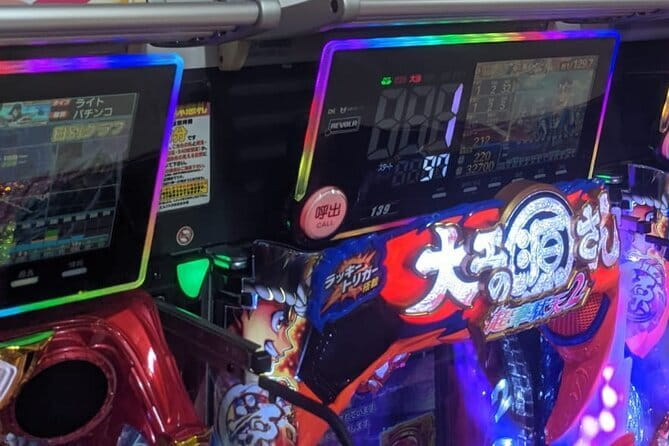
Pachinko looks like pinball crossed with a slot machine, but its buttons, balls, machines, and payout system can leave a first-time player guessing. This private Shibuya lesson gives you a guide at your side, translating the rules and showing you how the machines work inside a real pachinko parlor.
I like two things right away: the one-to-one instruction and the chance to ask plain questions without a language barrier. You also get practical help with choosing a game, understanding the buttons, and exchanging balls if you happen to win.
The main catch is cost control. The $22.76 price covers the guide and interpretation, but your pachinko play costs extra, and the amount depends on how much you spend. One hour is enough for an introduction, not a long gaming session.
Key points before you book
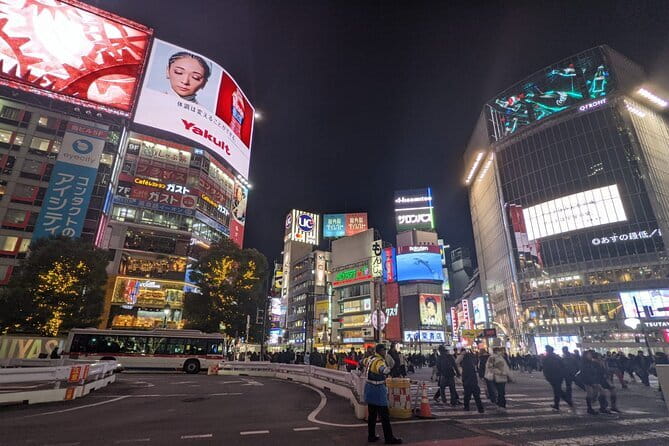
- Private guidance at Hachiko Statue: Meet in one of Tokyo’s easiest-to-find spots, then walk with your guide to a pachinko shop in Shibuya.
- Hands-on help with the confusing parts: Learn how to choose a machine, operate the buttons, and understand what happens to your pachinko balls.
- Translation is included: Your guide interprets the instructions and answers questions as you play.
- A short lesson with real local context: The experience covers pachinko’s history as well as the basic mechanics.
- Optional arcade stop: After pachinko, your guide can take you to a game arcade if you request it.
- Budget for playing separately: The tour price does not include the money you use inside the pachinko parlor.
Why pachinko is worth understanding in Shibuya
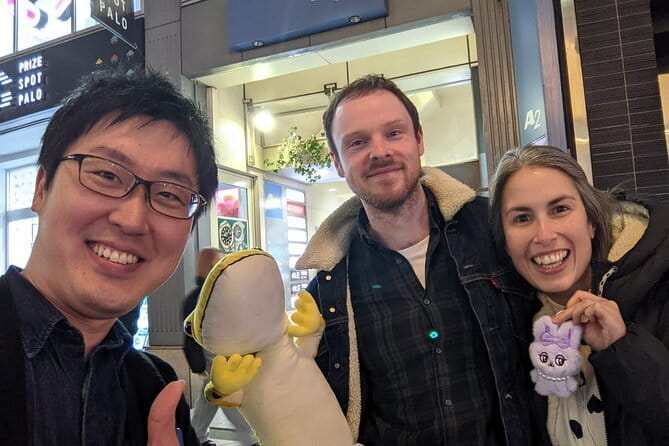
Pachinko is one of those Japanese pastimes that can seem completely baffling from the outside. You enter a bright gaming hall, see rows of machines, hear the constant clatter of metal balls, and face controls that are not immediately self-explanatory.
That is exactly why a short lesson can be useful. Instead of standing at the edge trying to work out the rules, you have someone explaining what to look for and what each control does. The experience is less about winning money and more about understanding a familiar part of Japanese popular culture.
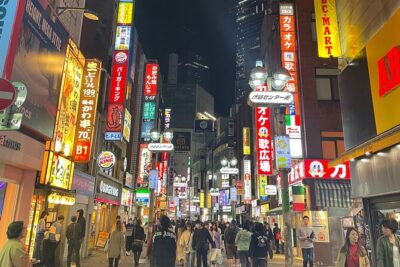
The activity also gives you a look at entertainment that is different from Tokyo’s usual sightseeing stops. Shibuya is known for its crossing, shopping, nightlife, and youth culture. A pachinko parlor adds another layer, showing you a pastime that locals in Japan have enjoyed for generations.
You should approach it as a cultural introduction with hands-on play, not as a guaranteed way to make money. The guide can explain strategies and the exchange process, but no instruction can promise a winning result.
More things to do in Shibuya:
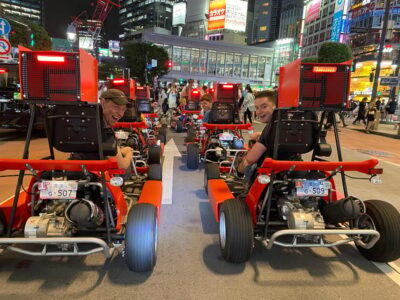
- Official Street Go-Kart in Shibuya
★ 5.0 · 3,435 reviews - Tokyo: Street Kart Experience in Shibuya
★ 4.9 · 1,484 reviews - Shibuya Meltdown Nightlife Tour: All-You-Can-Drink Bar Hopping
★ 5.0 · 1,058 reviews
Meeting at Hachiko Statue
The meeting point is the Hachiko Statue at 2 Chome-1 Dogenzaka, Shibuya. This is a practical starting point because the statue is a well-known landmark near public transportation and is easier to locate than a small shop entrance.
Allow yourself enough time to find Hachiko and get oriented. Shibuya can feel confusing around the station, especially if you are not familiar with its many exits. The experience ends back at the same meeting point, so you do not need to plan a complicated route afterward.
From Hachiko, you visit a pachinko shop together. The information provided does not name the individual guide, so you should not expect to request a particular person. What is clear is that the activity is private, with only your group taking part.
That private format matters here. Pachinko questions tend to come in quick succession: Which machine should I choose? What does this button do? How do I start? What happens to the balls? You can ask as you go instead of waiting for a guide to address a larger group.
Inside the pachinko parlor
The central part of the experience is a visit to a pachinko shop, where the guide explains how to play. You receive direct instruction rather than a general talk from outside the venue.
Pachinko machines combine a vertical playing field with small metal balls. The basic appearance may remind you of pinball, while the repetitive play and machine choices can feel closer to a slot parlor. The comparison only goes so far, which is why a guide helps.
You can expect instruction on how to choose a game, what the buttons do, and how to use the machine. One detailed account of the experience also points to playing strategies and the process of exchanging pachinko balls for cash if you are lucky. That gives you a clearer picture of what the session covers than a simple promise to show you the arcade.
The guide also explains pachinko’s history. This is important because the activity is not just a set of flashing machines. A little context helps you understand why pachinko remains such a recognizable part of Japanese entertainment.
The sound level may be something to consider. A pachinko hall is built around rows of active machines, so you may find the setting loud and visually intense. The provided information does not specify the exact shop, machine selection, or noise level, so you should keep your expectations general rather than planning around a particular venue.
One-to-one translation makes the lesson easier
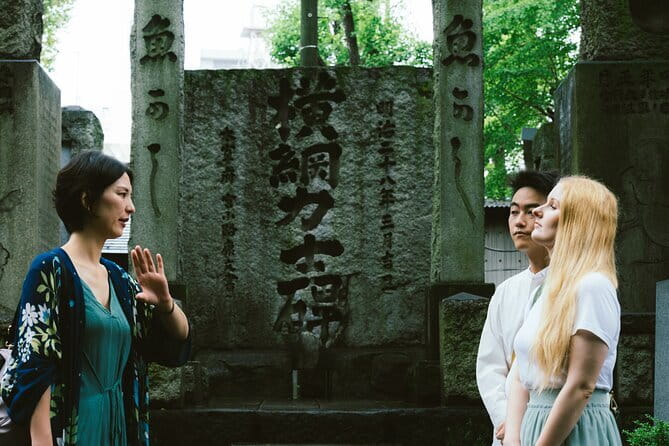
Language can be the biggest obstacle when you try pachinko alone. Even if you understand the basic idea, machine labels and controls may not be clear, and asking for help in a gaming hall can be awkward.
Translation and interpretation are included in the experience. Your guide can explain the rules, answer questions, and help you follow the steps while you are standing at the machine. That is more useful than reading a short explanation before you arrive because the instructions come at the moment you need them.
I especially like this for visitors who want to understand the game rather than simply press buttons and hope. You can ask why a machine is being selected, what a control changes, and how the balls fit into the process. The private setting gives you room to stop and ask without slowing down a group.
The guide’s role is also practical. You are not just being translated from one language into another. You are being shown how the experience works in a real pachinko shop, with the chance to try it for yourself.
A completely different kind of day in Tokyo:
- Mt Fuji and Hakone 1-Day Bus Tour Return by Bullet Train
★ 5.0 · 26,383 reviews - 1-Day Tokyo Bus Tour
★ 5.0 · 14,250 reviews - Tokyo: teamLab Planets TOKYO Digital Art Museum Entry Ticket
★ 4.6 · 9,779 reviews - Mt Fuji & Hakone Cruise, Drum Show Bullet Train 1 Day from Tokyo
★ 4.0 · 7,413 reviews
What your one-hour visit can cover
The listed duration is about one hour. That is a sensible length for a first lesson, especially if your aim is to understand the basics and have a little time at a machine.
A typical flow is straightforward:
- Meet at Hachiko Statue.
- Walk to a pachinko shop with the guide.
- Receive an explanation of pachinko and its history.
- Learn how to choose a game and operate the machine.
- Play using your own additional gaming funds.
- Ask questions about strategies, balls, and the exchange process.
- Return to the meeting point.
- Visit an arcade afterward if you request it and time allows.
Do not treat the hour as unlimited gaming time. The guide’s job is to explain the game, not simply watch you play for a full afternoon. If you spend too long making a machine choice or use your playing funds quickly, the instructional portion still has to fit into the scheduled visit.
The optional arcade stop is a nice extra for people who want more gaming after pachinko. It is not the core of the experience, so you should book this mainly for the pachinko lesson. The information does not specify how long the arcade visit lasts or which arcade you will visit.
The real price is $22.76 plus your gaming budget
The listed price is $22.76 per person. That covers the guide, translation, and interpretation, but it does not cover the pachinko gaming fee.
This split price is easy to miss, so plan for two separate costs. First, you pay for the private instruction. Then, inside the pachinko shop, you decide how much you want to spend playing. The final amount depends on your own choice.
That structure can offer good value if you want an introduction without paying for a long tour. You are paying for access to a guide who can explain an unfamiliar activity clearly and privately. You are not being forced into a large gaming budget as part of the booking price.
It also means you should set your own limit before entering the shop. The guide can explain how the game works and what happens if you win, but the experience does not promise a payout. One description of the lesson specifically mentions exchanging balls for cash if you are lucky, which is the right way to think about the result.
Group discounts are available, though the exact discount is not given. Since the activity is private for your group, a small party may get better value from splitting the guide cost than a solo participant. Compare the per-person price shown for your dates before booking.
Who will get the most from this activity
This experience is a good fit if you have seen pachinko halls in Japan and wanted to understand what was happening inside. It also suits anyone who likes trying local entertainment that does not appear on a standard sightseeing route.
You will get the most from it if you are curious and willing to ask questions. The lesson is not designed as a passive demonstration. Its value comes from the guide showing you the controls, explaining the choices, and helping you try the game.
It may appeal to:
- First-time pachinko players who want clear instructions.
- Visitors who do not speak Japanese and want translation.
- People interested in Japanese entertainment and gaming culture.
- Couples, friends, or families who want a private activity.
- Anyone who wants an unusual one-hour stop in Shibuya.
- Players who want to understand strategy and the ball exchange process.
It may be less suitable if you want a long gaming session, a guaranteed prize, or a sightseeing tour covering several Shibuya landmarks. The activity is focused on pachinko, with an arcade visit available only on request.
Most people can participate, and the meeting point is near public transportation. No special physical requirements are listed, but the activity takes place inside a gaming venue rather than a quiet museum or outdoor setting.
A useful cultural stop between Shibuya sights
The short duration makes this easy to fit into a day in western Tokyo. You can meet near Hachiko, spend an hour learning the game, and continue with your own Shibuya plans afterward.
That timing is useful because pachinko is a focused activity. You do not need to give it half a day to understand the basics. At the same time, the experience offers more than a quick look through a doorway. You receive an explanation of the history, guidance on the controls, and translation during play.
I also like the way it connects daily entertainment with cultural context. You are not being taken to a staged demonstration made only for visitors. You are visiting a pachinko shop and learning how the activity works in its normal setting.
Still, keep your expectations measured. The details of the exact shop, machine type, gaming budget, and arcade destination are not specified. If those details matter to you, ask the provider before booking.
Booking details and cancellation
Confirmation is provided at the time of booking. The experience is generally booked about 15 days ahead, so reserving in advance is sensible if your Shibuya schedule is fixed.
Free cancellation is available up to 24 hours before the start time for a full refund. Cancellations or changes made less than 24 hours before the activity are not accepted for a refund, and the cut-off is based on local Tokyo time.
The activity is operated by HORIZON, also listed as JORAEMON. Mobile tickets are supported, which means you can keep the booking on your phone rather than print it.
My verdict on this private pachinko lesson
I would book this if you want to understand pachinko rather than merely watch the machines from the street. The private guide, translation, history, and direct help with game choices make the $22.76 guide fee reasonable, especially for a small group that can share the experience.
Set aside extra money for playing, and treat any winnings as luck rather than part of the value. If you want a quiet cultural tour or a full afternoon of gaming, choose something else. If you want a clear, friendly introduction to one of Japan’s distinctive pastimes, this one-hour Shibuya experience is a practical choice.
FAQ
Where does the pachinko experience begin?
It begins at the Hachiko Statue at 2 Chome-1 Dogenzaka, Shibuya, Tokyo 150-0043, Japan.
How long does the activity last?
The experience lasts about one hour.
Is this a private activity?
Yes. Only your group participates in the activity.
What does the price include?
The $22.76 price includes the guide, translation, and interpretation.
Is the pachinko gaming fee included?
No. Your pachinko gaming cost is separate and depends on how much you choose to spend.
Does the guide explain how pachinko works?
Yes. The guide explains how to play, how to choose a game, what the buttons do, and aspects of pachinko’s history. The guide can also explain strategies and the ball exchange process.
Can I visit an arcade after pachinko?
Yes. The guide can take you to a game arcade after pachinko upon request.
Can I cancel for a full refund?
Yes, if you cancel at least 24 hours before the experience starts. Cancellations or changes made less than 24 hours before the start time are not accepted for a refund.
Newly reviewed around Tokyo
- Tokyo Asakusa:Calligraphy & Make T-shirt Activity★ 5.0 · 62 reviews
- Intercity Shuttle, Tokyo to Haneda /Narita /Yokohama /Makuhari★ 5.0 · 5 reviews
- 1 Hour Travel around Tokyo with a Professional Photographer★ 5.0 · 3 reviews
- Travel Tokyo with Your Own Personal Photographer★ 5.0 · 43 reviews
- Kickboxing & Body Training with EX-Pro Fighter★ 5.0 · 4 reviews
- Train in Samurai Swordsmanship and Defeat the Demon in Tokyo★ 5.0 · 5 reviews
- Shuttle Van 6hr Tokyo Tour to-and-from Tokyo, Yokohama and Narita★ 5.0 · 9 reviews
- Traditional Japanese Knife Sharpening Class★ 5.0 · 18 reviews
Shibuya Tours, compared.

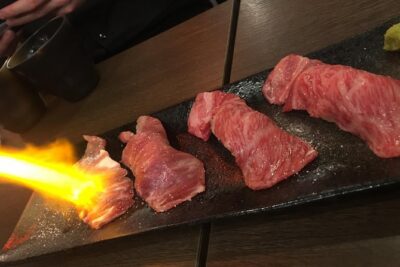
Shibuya Meltdown Nightlife Tour: All-You-Can-Drink Bar Hopping
Read our review →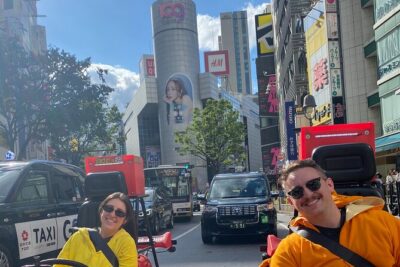
Shibuya Official Street Go-Kart in Shibuya Annex
Read our review →
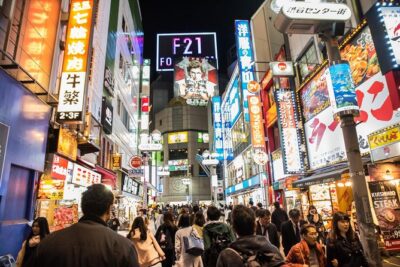

Premium Go-Kart Tour with Tower & Shibuya Crossing
Read our review →Browse the lists this tour appears in