
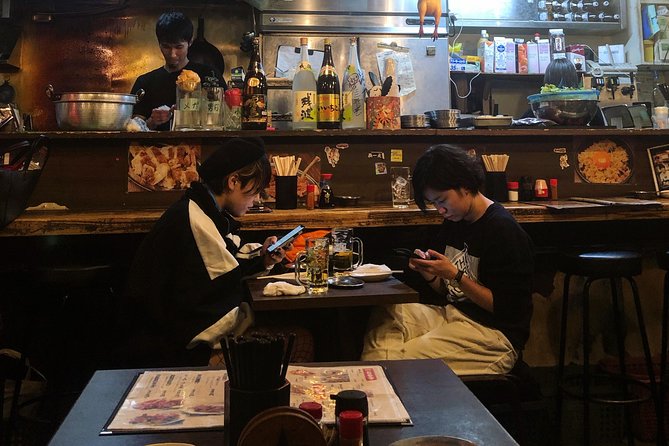
Reviewed · TOKYO FOOD TOURS
Retro Shibuya Food Tour
Shibuya’s famous crossing is only the front door. This three-hour evening walk takes you behind the giant screens and fashion stores to standing bars, old noodle shops, and narrow drinking alleys where the neighborhood feels far less polished and much more local. You’ll eat several dishes, try three drinks, and hear how Shibuya changed from the Showa era to today.
I like the way the tour joins food with place. You are not simply handed a plate and told what it is. You walk from Shibuya Station past Hachiko, Center-gai, Shibuya 109, Mark City, and Nonbeiyokocho, picking up bits of neighborhood history along the way. I also like the small group, capped at 10 people, and the fact that guides such as Sharon, Josh, and Jacob have been praised for their historical explanations and friendly, accommodating approach.
The main drawback is price. At $221 per person, this is an expensive three-hour outing, especially since extra food, extra drinks, and transportation are not included. You are paying for access, guidance, and a compact evening of tastings, not an unlimited food crawl.
Key points before you book
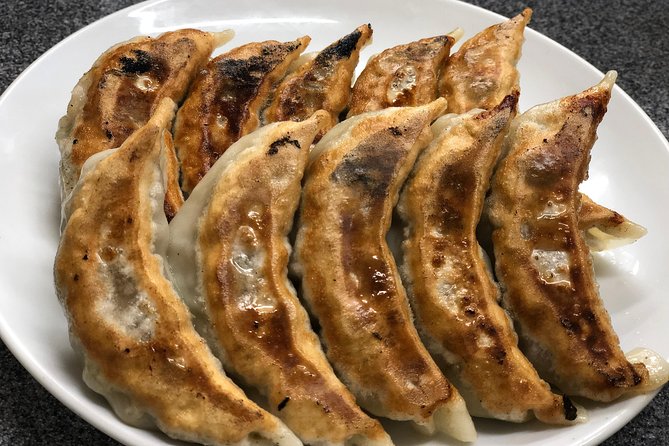
- Three drinks are included: Expect options such as beer, local sake, and other beverages, with alcoholic drinks included in the price.
- The food is spread across Shibuya: Tastings may include seasonal dishes, ramen, izakaya food, and dessert rather than one large meal.
- The route uses back streets: You’ll visit places that can be difficult to identify on your own, including standing-only bars and old noodle shops.
- The group stays small: The maximum is 10 people, which helps when asking questions or following a guide through busy streets.
- It begins at 4:00 pm: This is designed as an early evening food walk, not a morning market tour or late-night pub crawl.
- Vegetarian, pescetarian, and gluten-free diets can be accommodated: The tour is not recommended for vegans, so check your needs before paying.
Why this Shibuya walk feels different
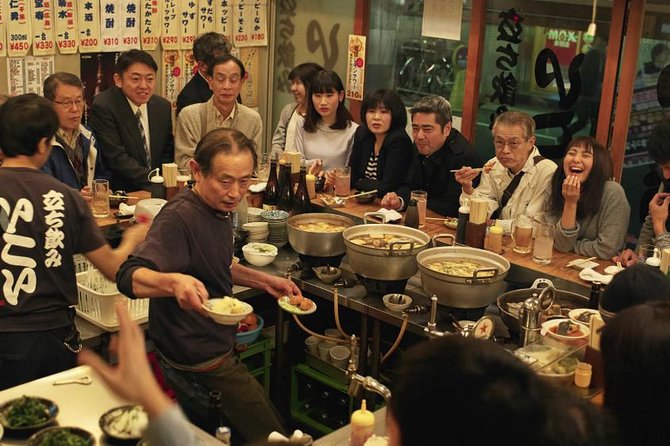
Most first visits to Shibuya stay close to the crossing, Hachiko, and the giant department stores. Those sights are worth seeing, but they tell only the loudest part of the neighborhood’s story. This tour uses them as orientation points before moving into quieter lanes and older eating places.
That change matters. Shibuya can feel like a wall of advertising if you only follow the main roads. A guide helps you notice the older pieces tucked between newer buildings, such as small bars, local noodle shops, and alley restaurants with little English signage.
You’ll also get a sense of Shibuya’s Showa-era past. The tour does not treat history as a separate lecture. Instead, your guide connects the streets, businesses, and eating habits to the neighborhood’s earlier character. That makes the walk more useful than a simple list of restaurant stops.
The format is social but not huge. With no more than 10 people, you have a reasonable chance to hear the guide and ask questions. Solo visitors should email the operator before booking, since the instructions specifically ask solo participants to make contact.
More things to do in Shibuya:
- Official Street Go-Kart in Shibuya
★ 5.0 · 3,435 reviews - Tokyo: Street Kart Experience in Shibuya
★ 4.9 · 1,484 reviews - Shibuya Meltdown Nightlife Tour: All-You-Can-Drink Bar Hopping
★ 5.0 · 1,058 reviews
Starting near Hachiko and Shibuya Crossing
The meeting point is by Shibuya Station at 2 Chome-24, Shibuya. The first part of the outing uses two of Tokyo’s best-known landmarks, the Hachiko Statue and Shibuya Crossing.
Hachiko is a practical meeting point because it is easy to identify, though it can be crowded and confusing around the station. Arrive early enough to find the right spot without rushing. The provided meeting information is brief, so use the mobile ticket and booking confirmation carefully when checking the exact meeting instructions.
You’ll spend only a few minutes at Hachiko and Shibuya Crossing, so do not expect a full sightseeing stop at either one. Their purpose is to give you a sense of place and let the guide explain local customs and neighborhood life.
Shibuya Crossing is also useful context for what follows. From the center of the crossing, the district appears thoroughly modern. A short walk later, the mood changes as the route turns toward older lanes and smaller eating places. I like that contrast because it keeps the tour from becoming another photo stop at a famous intersection.
Center-gai, Shibuya 109, and Mark City
The route continues through the Shibuya Center-gai area, with stops or views around Shibuya 109 and Shibuya Mark City. These places help you understand the newer commercial side of the district, with its fashion stores, department shopping, and constant movement.
The food focus begins to take over here. You’ll taste several local and seasonal dishes, along with drinks. The exact menu can change because restaurants adjust their offerings, and the operator may substitute locations because of restaurant schedules, holidays, weather, or other conditions.
That flexibility is worth understanding before you book. If you want a fixed menu or a guaranteed visit to one particular restaurant, this may frustrate you. If you care more about eating well in the neighborhood on the day you visit, the changing plan makes sense.
The area around Center-gai can be crowded, especially at the start of the evening. Wear shoes you can walk in and stay close to the guide when crossing streets or moving through station areas. The tour asks for moderate physical fitness, and the three hours include walking between stops.
Don Quijote and the route into older Shibuya
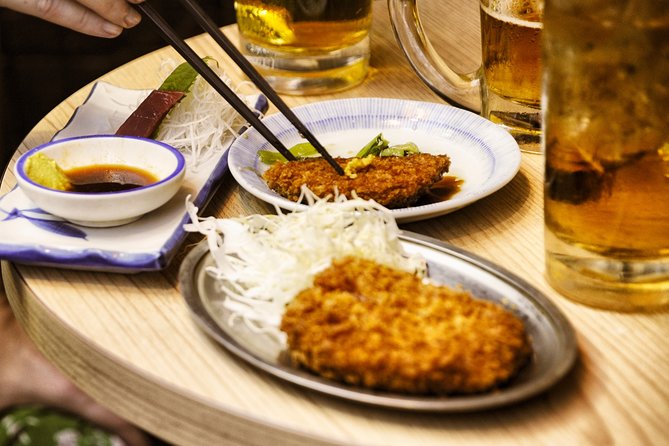
The path passes near MEGA Don Quijote, one of Shibuya’s best-known places for inexpensive souvenirs and practical Japanese goods. You are not given a dedicated shopping session, so think of this as a quick look while moving between food stops.
This part of the route can be useful if you want to return later for snacks, gifts, or household items. The store is famously packed with products, and a guide can help you understand why it is such a popular stop. Still, the food tour is not a shopping tour, so do not count on free time to browse every floor.
From here, the route turns toward smaller streets and drinking areas. The guide helps you find places that are easy to miss, particularly if you are seeing Shibuya for the first time. That is where the experience earns much of its price. You can find plenty of restaurants in Shibuya, but finding the right small bar or older noodle shop at the right time is less simple.
More Tokyo food tours:
- Tokyo: Shinjuku Food Tour (13 Dishes at 4 Local Eateries)
★ 5.0 · 6,603 reviews - Tokyo: Shinjuku Food Tour (15 Dishes and 4 Eateries)
★ 4.9 · 2,033 reviews - Best of Shinjuku: Izakaya Food Tour (4 Stops, 14+ Tastings)
★ 5.0 · 1,863 reviews - Tokyo Night Foodie Tour in Shinjuku – Seasonal Sushi, Wagyu Beef
★ 5.0 · 1,161 reviews
Nonbeiyokocho and the drinking alleys
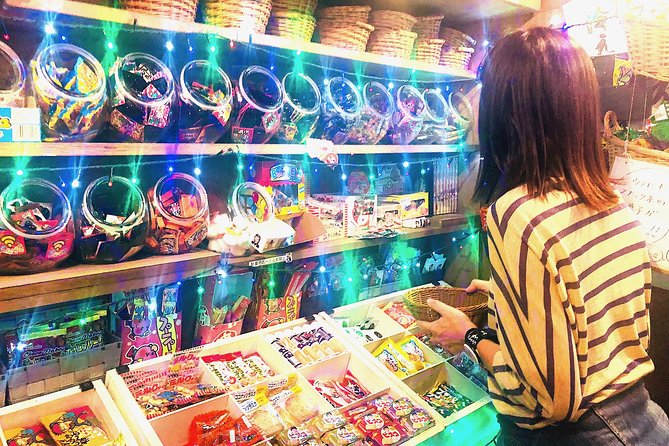
Nonbeiyokocho is one of the most distinctive names on the route. This compact drinking area offers a different feel from the broad streets around the crossing. The tour may include standing-only bars and other small places where local drinking culture is more visible than it is in a polished restaurant.
The included drinks can be beer, local sake, or other beverages. You receive three complimentary drinks, which gives the evening a clear rhythm: walk, taste, listen, and move to the next stop. Alcohol is part of the design, so this is not the best choice if you prefer a fully dry food tour.
You must be at least 20 years old to join. Extra drinks are not included, and the price does not cover additional food. Keep that in mind if you have a large appetite or expect to turn the outing into a full night out.
The small bars may not offer much room. That is part of their character, but it can also mean standing, close quarters, and limited seating. If that sounds uncomfortable, ask the operator about the current route before booking. Restaurant schedules can lead to substitutions.
Ramen, izakaya dishes, and dessert
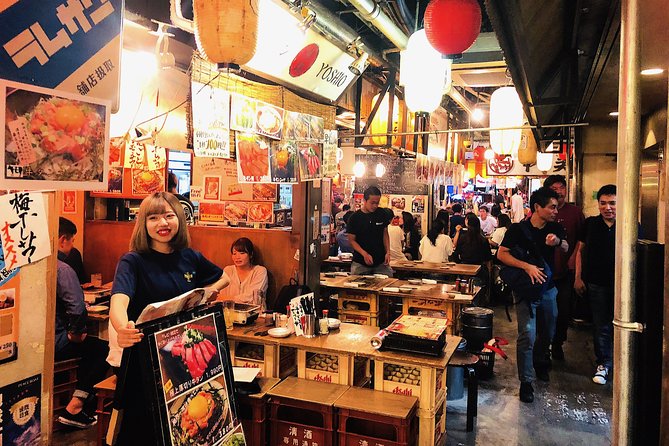
A key food stop is an iconic ramen shop. The provided details do not promise a particular ramen style or a fixed restaurant every time, so you should treat this as a planned ramen tasting rather than a guarantee of one named bowl.
Ramen adds substance to the food lineup. The tour also includes local and seasonal dishes, food at an izakaya, and dessert. You are likely to encounter a series of smaller servings rather than one formal dinner. That format works well if you want to sample several kinds of food, but it may not satisfy you in the same way as ordering a large meal at one restaurant.
The izakaya portion is one of the more useful parts for first-time visitors. These Japanese pubs often combine drinks with small dishes, and a guide can explain how to approach the menu and the setting. You will not need to figure out every unfamiliar item alone.
Dietary needs require some care. Vegetarian, pescetarian, and gluten-free requests are supported, but substitutions depend on the places visited. The tour is not recommended for vegans. Contact the operator before booking if your diet is strict, and do not assume every dish can be changed at the last minute.
Dessert rounds out the included food. No specific dessert is promised, so expect the choice to depend on the restaurants and the day’s route. That is another reason to view the tour as a guided tasting rather than a fixed culinary menu.
What the guide adds to the evening
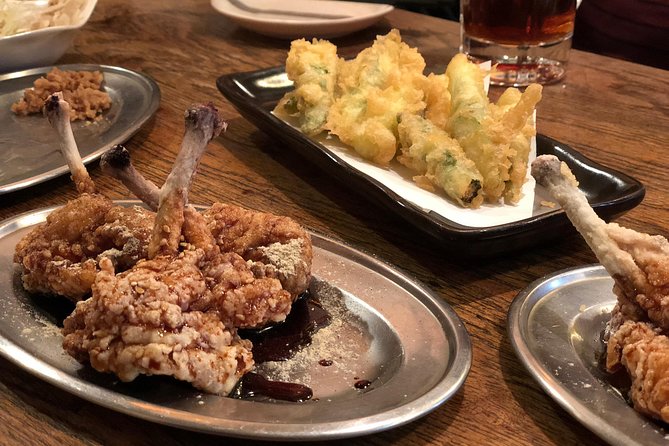
The guide is the difference between this being a walk with snacks and a useful introduction to Shibuya’s food culture. An English-speaking guide explains local life, Japanese customs, and the area’s Showa-era background while you move between stops.
Guides connected with the experience include Sharon, Josh, and Jacob. Sharon is described as accommodating and attentive, while Josh and Jacob are noted for combining historical facts with food recommendations. Since guides can change, you should not book expecting one specific person unless the operator confirms it.
The best use of your guide is to ask direct questions. Ask what a dish is, how it is normally eaten, why a bar uses standing service, or which parts of Shibuya have changed most. The route already provides the setting, so your questions can turn a short food walk into a better introduction to Tokyo’s everyday habits.
The guide also reduces the stress of choosing places in a district packed with signs and menus. You are not guaranteed the perfect restaurant, but you are less likely to spend your evening wandering past doors you cannot read.
Is $221 a fair price?
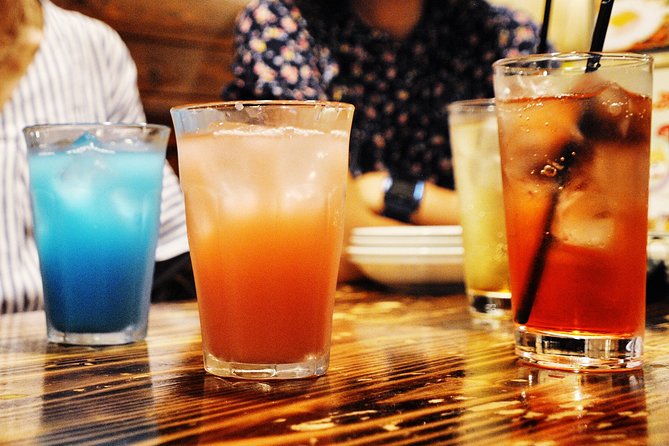
This is where I would slow down before booking. $221 is a premium price for three hours. The tour includes local food tastings, dessert, three drinks, and an English-speaking guide. It does not include transportation, hotel pickup, or extra orders.
The value depends on how you use the experience. If you want a self-guided meal, you can spend far less in Shibuya. If you want a guide to lead you through small places, explain the neighborhood, manage the route, and provide several tastings in one evening, the comparison is different.
The small maximum of 10 helps justify some of the cost. So does the access to places that may be difficult to locate alone. Still, you should not expect $221 worth of food by restaurant-menu standards. Part of what you are buying is time saved, local explanation, and the confidence to enter unfamiliar places.
I would consider it better value for a first visit to Tokyo, especially if you are nervous about ordering in small Japanese establishments. Repeat visitors who already know Shibuya’s food streets may find the price harder to defend.
Timing, meeting point, and practical details
The tour begins at 4:00 pm and lasts about three hours. That timing places the main food stops in the early evening, when the district is moving from afternoon shopping into dinner and drinks.
The end point is Tokyu Department Store, at 2-chome-24-1 Dogenzaka. The stated end location is the basement level under the station. This is useful for continuing your evening, though you will need to arrange your own onward transportation.
There is no hotel pickup or drop-off. Public transportation is nearby, but transportation costs are your responsibility. The mobile ticket makes the booking easy to carry, and confirmation is provided at booking.
Weather can affect the experience, since much of the route is outdoors. Restaurant schedules, public holidays, and other unforeseen changes can also lead to substitutions. If poor weather or an insufficient number of bookings causes cancellation, you are offered another date or a full refund.
You can cancel for a full refund if you do so at least 24 hours before the start time. Changes or cancellations inside that window are not accepted for a refund.
Who should book this food walk?
I would recommend it to adults who want a guided introduction to Shibuya beyond the main sights. It suits people who enjoy small tastings, neighborhood history, casual Japanese pubs, and a bit of walking between stops.
It is also a good fit for solo visitors, couples, and small groups who want the ease of a planned route. The small group size makes it more personal than a large bus-style food tour, and the included drinks help create a friendly evening pace.
I would hesitate if you are vegan, dislike alcohol, need a guaranteed menu, or want a full dinner for the price. You should also reconsider if three hours of walking and standing sounds tiring.
Should you book the Retro Shibuya Food Tour?
Book it if your goal is to see a less obvious side of Shibuya while trying several foods and drinks without planning every stop yourself. The strongest parts are the back-street route, the small group, the Showa-era context, and the chance to visit compact local eating and drinking places.
Skip it if value means getting the most food for every dollar. At $221, this is not a cheap meal. It is a guided neighborhood experience with food attached.
For a first Tokyo visit, I think the tour makes the most sense when booked early in your stay. You can use the guide’s explanations to shape the rest of your time in Shibuya, then return to the area on your own with a better sense of where to eat.
FAQ
How long is the Retro Shibuya Food Tour?
The experience lasts about three hours.
What time does the tour begin?
The tour starts at 4:00 pm.
Where does the tour meet?
The meeting point is at Shibuya Station, 2 Chome-24, Shibuya, Tokyo 150-0002, Japan.
Where does the tour end?
The tour ends at Tokyu Department Store, 2-chome-24-1 Dogenzaka, Shibuya. The stated end point is on the basement level under the station.
Are drinks and food included?
Yes. The tour includes local food tastings, dessert, and three complimentary drinks. These may include beer, local sake, and other beverages. Additional food and drinks cost extra.
Can people with dietary restrictions join?
The tour is vegetarian, pescetarian, and gluten-free friendly. It is not recommended for vegans.
Newly reviewed around Tokyo
- Tokyo Asakusa:Calligraphy & Make T-shirt Activity★ 5.0 · 62 reviews
- Intercity Shuttle, Tokyo to Haneda /Narita /Yokohama /Makuhari★ 5.0 · 5 reviews
- 1 Hour Travel around Tokyo with a Professional Photographer★ 5.0 · 3 reviews
- Travel Tokyo with Your Own Personal Photographer★ 5.0 · 43 reviews
- Train in Samurai Swordsmanship and Defeat the Demon in Tokyo★ 5.0 · 5 reviews
- Shuttle Van 6hr Tokyo Tour to-and-from Tokyo, Yokohama and Narita★ 5.0 · 9 reviews
- Kickboxing & Body Training with EX-Pro Fighter★ 5.0 · 4 reviews
- Tokyo History: Sensoji Temple & Asakusa District Private Tour★ 5.0 · 28 reviews
Tokyo Food Tours, compared.
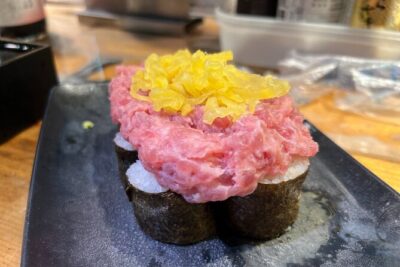
Shinjuku Food Tour (13 Dishes at 4 Local Eateries)
Read our review →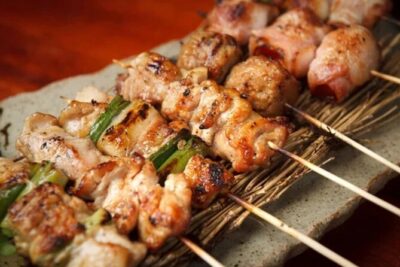
Shinjuku Food Tour (15 Dishes and 4 Eateries)
Read our review →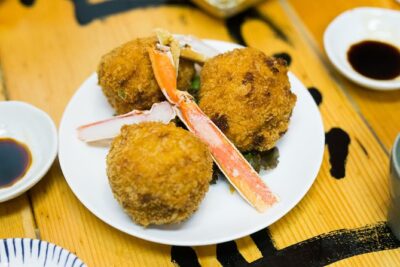
Best of Shinjuku: Izakaya Food Tour (4 Stops, 14+ Tastings)
Read our review →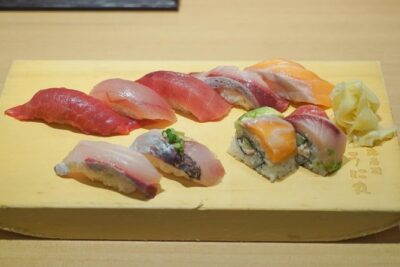
Tokyo Night Foodie Tour in Shinjuku – Seasonal Sushi, Wagyu Beef
Read our review →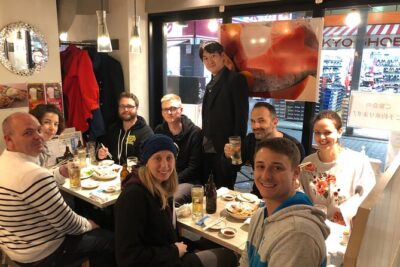
Eat and Drink Like a Local: Tokyo Ueno Food Tour-Taverns&Ramen
Read our review →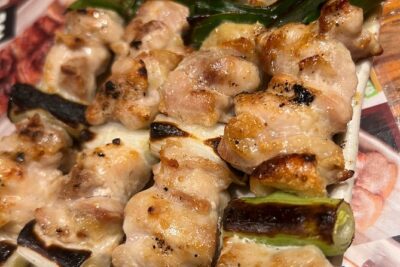
Tsukiji Fish Market: Street Food & Culture Walking Tour
Read our review →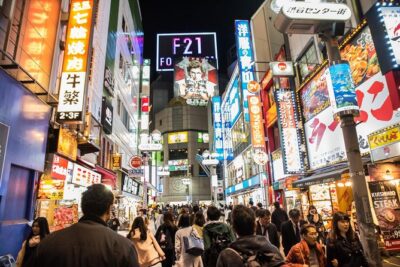
Browse the lists this tour appears in