
Reviewed · TOKYO FOOD TOURS
Private Tokyo Food Tour – A Journey Through Time Through Food
Tokyo’s food story makes more sense when you follow it across the city. This private tour moves from Edo-era ingredients in Nihonbashi to railway-side yakitori in Yurakucho, then finishes with modern desserts in Akihabara. You get 14 tastings while the guide explains how Japanese food changed with the times.
I like the personal pace of a private outing, and I like that the stops are not limited to famous restaurant counters. Old shops, a shrine, a noodle stall, a department-store food hall, and an anime district all play a part. The main drawback is the price: at $327.75 per person, you are paying for a full-service guide and a carefully linked route, not simply for lunch.
Key points at a glance
- Fourteen tastings connect three periods of Japanese food: traditional Nihonbashi flavors, postwar commuter food, and modern Akihabara desserts.
- The private format keeps the tour flexible: only your party participates, with guides such as Yasu, Miko, Keiko, Paiva, and Rohan assigned on different departures.
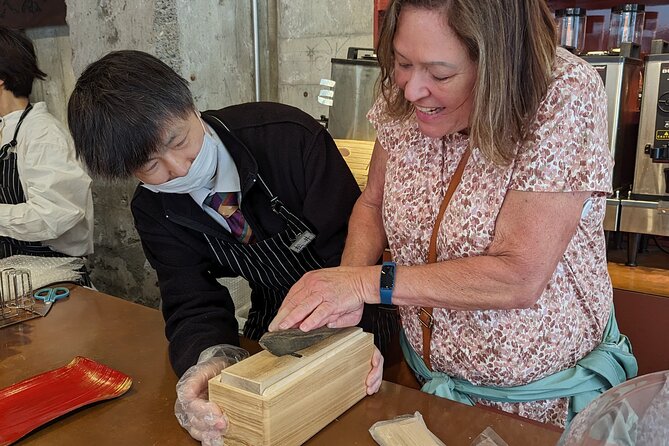
- Nihonbashi includes century-old food shops: you learn about dashi, katsuobushi, and kombu before trying classic sweets and snacks.
- Yurakucho shows everyday Tokyo food culture: yakitori, a Japanese sour, and tempura soba or curry udon are served below the railway tracks.
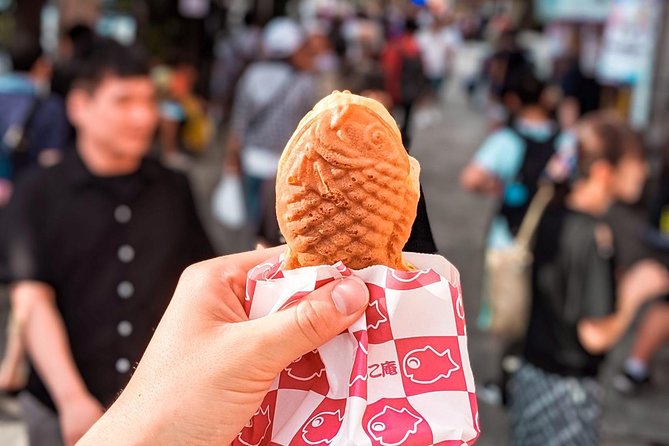
- The route ends in Akihabara: traditional flavors are used in contemporary desserts, including matcha drinks or ice cream and Pokemon taiyaki.
- Plan for transport costs: the tour includes two short subway rides, but those fares are paid separately.
Tokyo’s food history, served in five and a half hours
This is not a tour built around one famous dish. It is a moving meal, with each neighborhood explaining a different chapter of Tokyo.
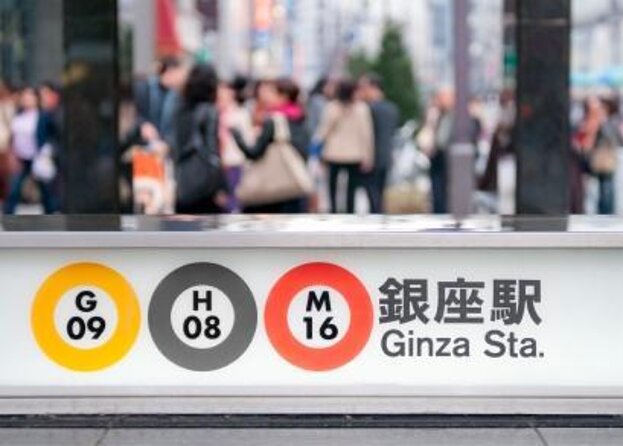
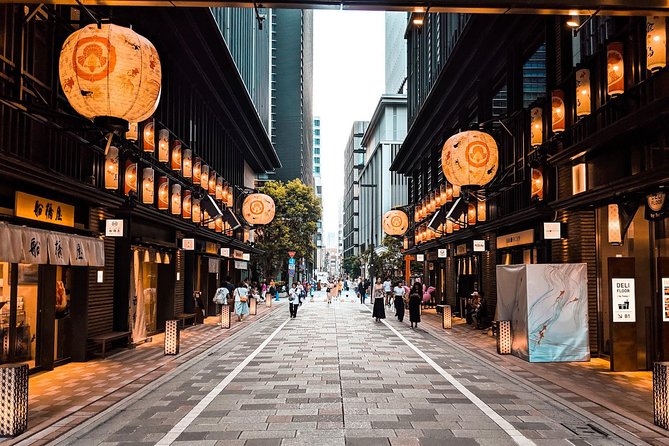
You begin in Nihonbashi, an old commercial district. From there, the route passes through Ginza and Yurakucho, continues toward Tokyo Station, and ends in Akihabara. The changing streets matter as much as the food. You can see how older ingredients fit into modern city life, how railway dining grew around office workers, and how pop culture now shapes new sweets.
The food count is generous. The full program includes 14 tastings, including snacks, a light lunch, dessert, and one alcoholic drink. You should arrive hungry, but do not expect a long sit-down restaurant meal. This is a series of stops, so portions are intended to build into a substantial tasting day.
The private setup is useful here. You can ask questions about ingredients, shrine customs, the train system, or dishes you want to understand better. One family found the guide’s help with Tokyo’s trains especially useful, and another family with children aged 11 and 9 used the tour as a first-day activity to help shake off jet lag.
More Tokyo food tours:
- Tokyo: Shinjuku Food Tour (13 Dishes at 4 Local Eateries)
★ 5.0 · 6,603 reviews - Tokyo: Shinjuku Food Tour (15 Dishes and 4 Eateries)
★ 4.9 · 2,033 reviews - Best of Shinjuku: Izakaya Food Tour (4 Stops, 14+ Tastings)
★ 5.0 · 1,863 reviews
Nihonbashi and the basic flavors of Japanese cooking
The first 90 minutes focus on the ingredients behind many Japanese dishes. Your guide introduces dashi, the stock used in a wide range of cooking, then explains katsuobushi, dried bonito flakes, and kombu, a type of kelp.
This opening gives the tour a useful foundation. Instead of treating Japanese food as a long list of unfamiliar names, you learn to notice the savory depth that dashi brings to soups, noodles, and other dishes. The emphasis is on flavor building, not just eating.
Nihonbashi Bridge is part of this opening section, and the neighborhood provides a fitting setting. Several food shops used on the route are more than 100 years old, with some dating to the Edo period. That does not mean every bite is an antique recipe, but it does connect the snacks to businesses and food habits that have lasted for generations.
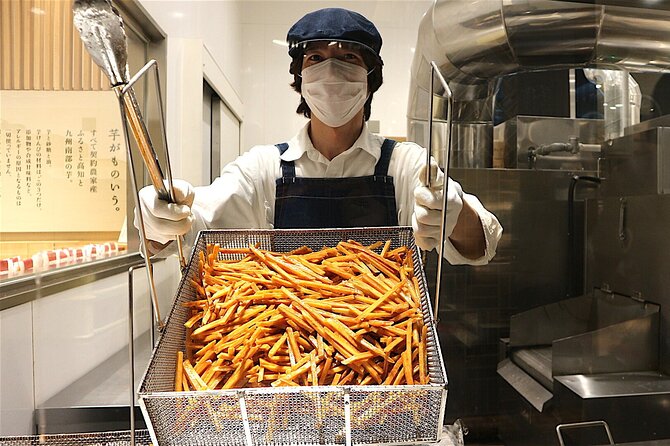
Expect to try satsuma-age, a fried fish cake; amazake, a fermented rice drink; imo kenpi, crisp sweet potato strips; and daifuku or dorayaki. These are small foods, but they cover a wide range of texture and sweetness. Satsuma-age is savory and springy, amazake is gently sweet, imo kenpi is crisp, and daifuku brings the soft chew of mochi with a sweet center.
This is one of my favorite parts for first-time visitors because the guide can explain what you are eating before the labels become a blur. If you have strong dislikes or food restrictions, tell the operator when booking and confirm again with your guide. The supplied details do not specify substitutions.
Fukutoku Shrine, a short pause with practical context
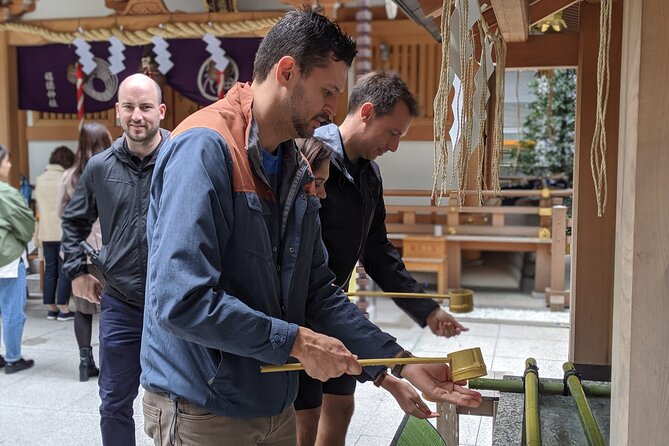
The stop at Fukutoku Shrine lasts about 10 minutes, so it is brief rather than a major sightseeing visit. Your guide explains the difference between a Shinto shrine and a Buddhist temple, then shows you how to cleanse yourself and pray at a shrine.
That small lesson adds value because shrine etiquette can feel mysterious when you first arrive in Japan. You do not need a long lecture. A few clear steps help you approach later shrines with more confidence.
The shrine stop also breaks up the food pacing. You move from tasting to walking and cultural context before the next meal section. Bring comfortable shoes, since the route involves several neighborhood walks and two short subway rides.
Yurakucho under the tracks: food for the salaryman
The tour then shifts to Ginza and Yurakucho, where the subject changes from old ingredients to postwar Japan.
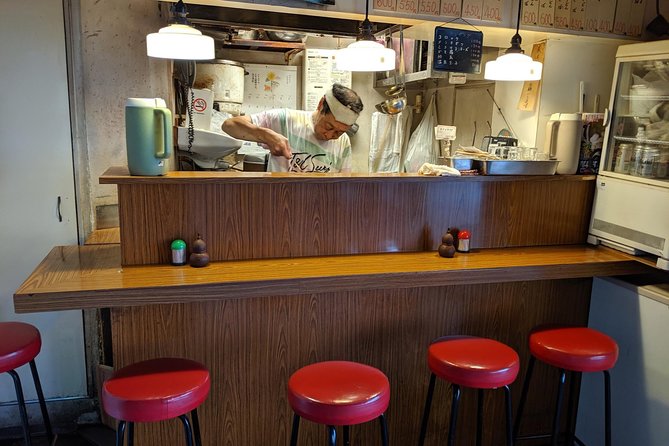
After the Second World War, industrial growth changed Tokyo’s work culture. The rise of the salaryman brought a need for quick, affordable food and drink near train stations. Under and beside the railway tracks in Yurakucho, small bars and restaurants known as gado shita served workers before their commute home.
Here, you eat in the style associated with that setting. The menu includes yakitori, grilled meat on skewers; a lemon sour, a Japanese alcoholic drink; and either tempura soba or curry udon. The exact noodle choice can matter if you have a preference, so ask your guide when the meal begins.
I like this section because it shows a very ordinary side of Tokyo. Ginza is often linked with luxury shopping, but the railway arches offer a more practical city, one shaped by work, trains, and quick evening meals. The setting makes the food feel connected to daily life rather than presented as a museum piece.
The lemon sour is included, but alcohol is not required for appreciating the stop. If you do not drink, confirm what alternative is available. The provided details list the alcoholic drink but do not state a replacement.
The main caution is that this is a compact food stop rather than a relaxed pub evening. You will eat several items across the route, so the goal is variety and context, not lingering over one dish for an hour.
A completely different kind of day in Tokyo:
- Mt Fuji and Hakone 1-Day Bus Tour Return by Bullet Train
★ 5.0 · 26,383 reviews - 1-Day Tokyo Bus Tour
★ 5.0 · 14,250 reviews - Tokyo: teamLab Planets TOKYO Digital Art Museum Entry Ticket
★ 4.6 · 9,779 reviews - Mt Fuji & Hakone Cruise, Drum Show Bullet Train 1 Day from Tokyo
★ 4.0 · 7,413 reviews
Tokyo International Forum and Marunouchi on foot
After the railway-side food, the route heads toward Tokyo Station. The walk includes the Tokyo International Forum, an impressive modern building, and then the Kitte Marunouchi building.
These stops are short, about 15 minutes at the forum and 10 minutes at Kitte. They function as visual links between neighborhoods rather than full sightseeing visits. You can use this stretch to let the earlier food settle and to ask your guide about Tokyo’s changing architecture and city layout.
The route ends this section at Tokyo Station’s Marunouchi Ekimae Hiroba, the plaza in front of the station. The station area is a useful place to understand Tokyo’s commuting culture. It is also practical for orientation if you plan to return later by train.
Tamagoyaki and fruit sandwiches at Tokyo Station
At Tokyo Station, the food changes again. You try tamagoyaki, Japanese rolled omelette, and a fruits sando, a sandwich made with soft Japanese milk bread, fresh fruit, and whipped cream.
These foods fit the commuter theme. They are portable, familiar, and easy to eat during a busy day. The fruit sandwich is also a good example of how Japanese food culture can take a simple Western-style form and give it a distinctly Japanese texture and presentation.
The stop includes visits connected with Daimaru Tokyo and the station area, with about 20 minutes listed for this tasting section. Do not expect a full shopping excursion inside the department store. The point is to taste foods linked with modern city routines.
For families, this may be one of the easiest parts of the tour. The flavors are approachable, and the presentation tends to appeal to younger eaters. Still, the complete day includes fermented drinks, fish cake, noodles, and unfamiliar sweets, so children should be comfortable trying new foods.
Akihabara and the future of Japanese desserts
The last neighborhood is Akihabara, known for electronics, maid cafes, anime culture, and new subcultures. The food theme now turns toward experimentation.
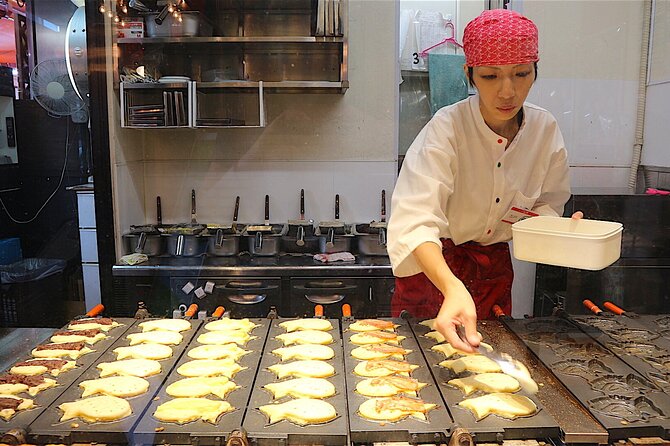
You try a selection of desserts that combine traditional flavors with modern ideas. The included choices can include Pokemon taiyaki and matcha bubble tea or matcha ice cream, along with three fusion desserts discussed during the stop.
This ending gives the tour a clear shape. Nihonbashi explains the old building blocks of Japanese cooking. Yurakucho shows food shaped by postwar work and rail travel. Akihabara asks what happens when established flavors meet technology, pop culture, and new presentation styles.
The final stop lasts about 45 minutes. It is less about learning one definitive dessert and more about seeing how Japanese food keeps changing. If you enjoy anime, electronics, or unusual sweets, Akihabara will probably be a strong finish. If you prefer only traditional cuisine, the modern combinations may feel less essential.
What the private format adds
A private tour changes the experience in several useful ways. You do not have to match the pace of a large group, and your guide can give more attention to your questions. That is especially helpful in Tokyo, where food names, train directions, and shrine etiquette can pile up quickly.
The guides named in the supplied feedback include Yasu, Miko, Keiko, Paiva, and Rohan. Individual experiences naturally vary by guide, but the strongest pattern is clear: guides are expected to explain food and culture while helping with practical matters. Yasu was praised for humor and his perspective on Japanese food, while Paiva was described as prompt and organized. Miko also helped one family adjust after a flight delay.
You should not book this expecting an anonymous walk with scripted commentary. The value depends partly on the guide’s ability to connect the stops and respond to your interests. The private format gives you a better chance of getting that personal attention.
Pickup is offered from Tokyo accommodations, but the stated meeting point is the Nihonbashi 1-chome Mitsui Building. Confirm the pickup arrangement before the day of the tour. The tour ends at Akihabara Station, not back at your hotel, which is useful if you plan to continue sightseeing there.
Is $327.75 per person a fair price?
At $327.75 per person, this is an expensive food tour. The price makes more sense if you value a private guide, cultural explanation, help with Tokyo’s train system, and a route that connects several neighborhoods rather than simply serving a meal.
You are paying for about five and a half hours, 14 tastings, one alcoholic drink, and a full day of guided movement through the city. Some food costs are included, but the two subway rides are not. The experience is also private, so a small family or couple gets the guide’s attention without sharing the outing with strangers.
If your main goal is to eat as much as possible for the lowest cost, you can spend less by visiting casual restaurants independently. If you want help understanding what you are eating and why each district matters, the price is easier to justify.
Group discounts are available, but the amount is not specified. Larger families should check the final total carefully before booking.
Timing, walking, and practical concerns
The tour lasts approximately five hours and 30 minutes. It begins in Nihonbashi and finishes in Akihabara, with the route progressing generally eastward through central Tokyo.
You will walk between food stops and take two short subway rides. The transport fares are paid separately. Wear shoes suited to city walking, and avoid arriving after the start time. The stated terms allow no refund for lateness or a missed departure.
The booking information says most people can participate and that the tour is near public transportation. It does not give detailed information about wheelchair access, allergies, or dietary substitutions. If any of those issues affect you, ask before paying.
One important booking note needs care. The supplied information includes both a policy describing partial or full refunds for cancellations made more than 48 hours ahead and a separate statement saying the experience is non-refundable and cannot be changed. Because those terms conflict, confirm the exact policy at checkout and keep the written confirmation.
Who should book this food walk?
I would choose this for a first or early visit to Tokyo, especially if you want a quick orientation through food. It gives you a sense of how Nihonbashi, Ginza, Yurakucho, Tokyo Station, and Akihabara relate to one another.
It also fits families who want a structured day. The private format can make unfamiliar foods less stressful for children, and the route includes sweet items as well as savory dishes. One family specifically used it on the first day to help with jet lag.
Food-focused couples and small groups will appreciate the range. You get traditional snacks, noodles, grilled skewers, a modern sandwich, and contemporary desserts rather than repeating one style of cuisine.
I would hesitate if you need a slow, seated dining experience, if you avoid alcohol and require guaranteed substitutes, or if $327.75 per person feels too high for a tasting route. This is a guided introduction to Tokyo’s food culture, not a budget meal or a formal restaurant crawl.
Should you book this private Tokyo food tour?
Book it if you want food plus orientation, not food alone. The strongest parts are the historical arc, the private guide, the century-old Nihonbashi shops, and the contrast between railway-side yakitori and Akihabara fusion sweets.
Before confirming, ask about your pickup, the exact guide, the noodle choice, dietary needs, subway fares, and the cancellation terms. If the answers suit your group, this can be a smart way to get your bearings fast while eating across several sides of Tokyo.
FAQ
How long does the private Tokyo food tour last?
The tour lasts approximately five hours and 30 minutes.
How many food tastings are included?
The experience includes 14 tastings, covering traditional snacks, lunch items, drinks, and modern desserts.
Which Tokyo neighborhoods does the tour visit?
The route includes Nihonbashi, Ginza, Yurakucho, Tokyo Station and Marunouchi, and Akihabara.
Where does the tour start?
The stated meeting point is the Nihonbashi 1-chome Mitsui Building at 1-chōme-4-1 Nihonbashi, Chuo City, Tokyo.
Where does the tour finish?
The tour ends at Akihabara Station in the Sotokanda area.
Is transportation included?
The tour uses two short subway rides, but the transport costs are payable by you.
Is this a private activity?
Yes. Only your group participates in the tour.
Is hotel pickup available?
Pickup from Tokyo accommodations is offered, but you should confirm the exact pickup arrangement before the tour.
What alcoholic drink is included?
The included alcoholic drink is a lemon sour, a Japanese beverage.
Can I cancel for a refund?
The supplied booking information contains conflicting cancellation terms. One section describes refunds based on how far in advance you cancel, while another says the experience is non-refundable and cannot be changed. Check the exact policy shown at checkout before booking.
Newly reviewed around Tokyo
- Tokyo Asakusa:Calligraphy & Make T-shirt Activity★ 5.0 · 62 reviews
- Intercity Shuttle, Tokyo to Haneda /Narita /Yokohama /Makuhari★ 5.0 · 5 reviews
- 1 Hour Travel around Tokyo with a Professional Photographer★ 5.0 · 3 reviews
- Travel Tokyo with Your Own Personal Photographer★ 5.0 · 43 reviews
- Train in Samurai Swordsmanship and Defeat the Demon in Tokyo★ 5.0 · 5 reviews
- Shuttle Van 6hr Tokyo Tour to-and-from Tokyo, Yokohama and Narita★ 5.0 · 9 reviews
- Kickboxing & Body Training with EX-Pro Fighter★ 5.0 · 4 reviews
- Tokyo History: Sensoji Temple & Asakusa District Private Tour★ 5.0 · 28 reviews
Tokyo Food Tours, compared.
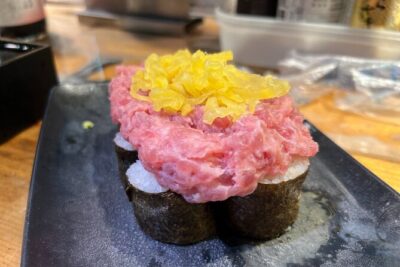
Shinjuku Food Tour (13 Dishes at 4 Local Eateries)
Read our review →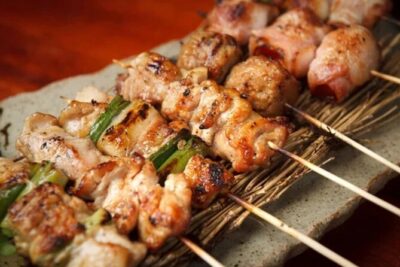
Shinjuku Food Tour (15 Dishes and 4 Eateries)
Read our review →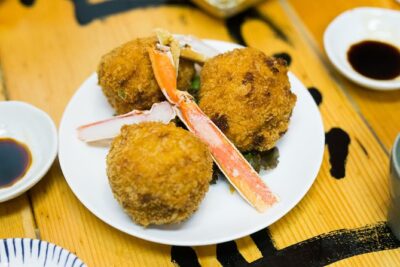
Best of Shinjuku: Izakaya Food Tour (4 Stops, 14+ Tastings)
Read our review →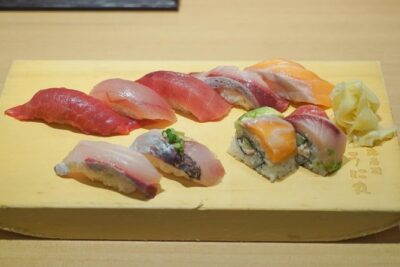
Tokyo Night Foodie Tour in Shinjuku – Seasonal Sushi, Wagyu Beef
Read our review →
Eat and Drink Like a Local: Tokyo Ueno Food Tour-Taverns&Ramen
Read our review →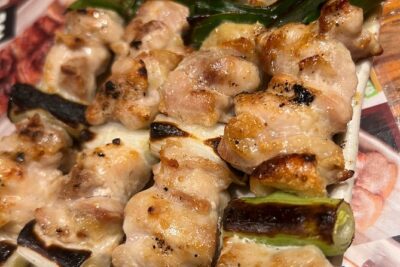
Tsukiji Fish Market: Street Food & Culture Walking Tour
Read our review →
Browse the lists this tour appears in