
Reviewed · TOKYO
Discover the Secrets of Pachinko, Japan’s Traditional Game
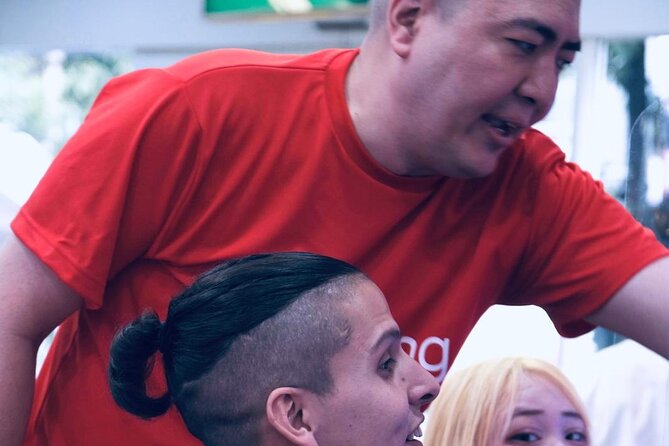
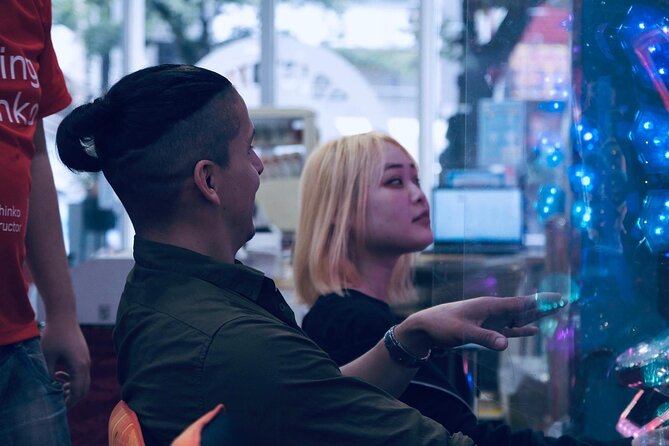
Pachinko is best understood at the machine, not from a rule sheet. This 75-minute Tokyo experience takes you into BB Station near Nippori, explains the game in plain terms, then puts an actual handle in your hand. You will load credits with an IC card, launch balls with a flick, and work out how small handle adjustments affect your aim.
I like two things here: the instructor stays with you while you learn, and the lesson includes proper parlor manners before you start. I also like the chance to try more than one game if time allows. The main drawback is cost: the $70.73 tour price does not include the separate 4,000 JPY ball and token fee.
Key points to know before you book
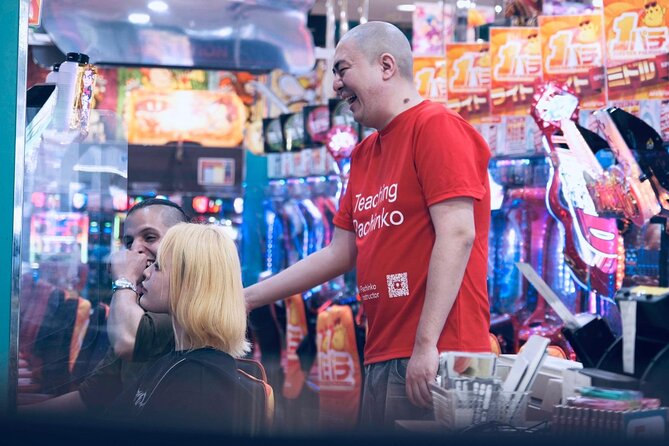
- You play inside BB Station near Nippori Station, rather than watching from outside a parlor.
- A 5 to 10 minute rules and manners briefing comes before the machines.
- You learn the handle technique, including how to adjust your aim toward the center pocket.
- The instructor can help you keep playing and try different machines during the session.
- The listed price does not include 4,000 JPY per person for rented balls or tokens.
- Groups are limited to 10 people, and the activity returns to the Nippori meeting point.
Why pachinko makes more sense at the machine
Pachinko can look like a wall of noise, lights, metal balls, and flashing screens. For a first-time visitor, the machines are not self-explanatory. The useful part of this activity is the translation. Your instructor explains the flow, then lets you practice it right away.
You begin by purchasing credits with an IC card. From there, you launch pachinko balls by flicking the machine handle. The aim is not simply to turn the handle and hope. You will learn how its position changes the ball’s path and how to work toward the center pocket with more control.
That basic lesson gives the activity its value. You are not just standing beside a machine while someone else plays. You get a chance to understand what your hands are doing and why the machine responds as it does.
Pachinko is also a distinctly Japanese pastime, and the parlor setting matters. The sound, rows of machines, and local rules are part of the point. This is a short, guided introduction, not a full study of Japanese gaming culture, but it gives you a direct look at a place many visitors would otherwise find confusing.
Other Tokyo days people book alongside this one:
- Mt Fuji and Hakone 1-Day Bus Tour Return by Bullet Train
★ 5.0 · 26,383 reviews - 1-Day Tokyo Bus Tour
★ 5.0 · 14,250 reviews - Tokyo: teamLab Planets TOKYO Digital Art Museum Entry Ticket
★ 4.6 · 9,779 reviews
Meeting at Nippori and reaching BB Station
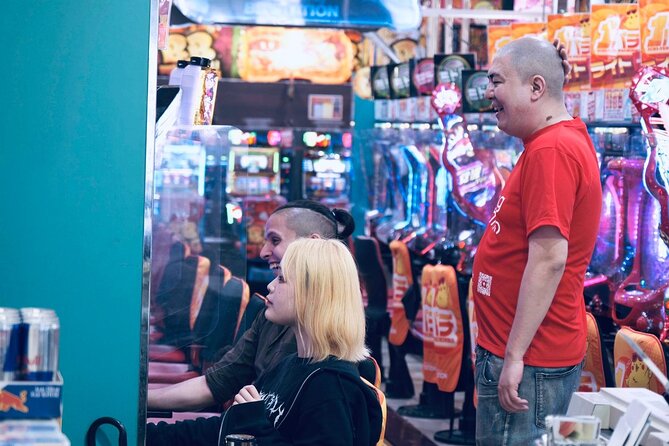
The activity begins at Nippori Station, at 2 Chome-19 Nishinippori in Arakawa City. The parlor, BB Station, is nearby, so the meeting point is practical for a short activity in a Tokyo sightseeing day.
You should plan to arrive ready to move directly into the lesson. The information provided does not give a separate walking time from the station or a detailed route, so allow a little breathing room before the scheduled start. Nippori is served by public transportation, and the activity is listed as being near transit.
The group limit is 10 people. That is small enough for an instructor to provide individual help, though the exact amount of one-on-one time will depend on the group. If you are booking for friends or family, ask about the group discount when comparing the final price.
The activity ends back at the meeting point. That makes it easy to continue around Nippori afterward, though no additional sightseeing stop is included.
The first 5 to 10 minutes: rules before play
Before you touch a machine, the instructor gives a short explanation of rules and manners inside the parlor. This is an important part of the experience. Pachinko parlors have their own rhythm, and a few basic instructions help you avoid feeling lost once the machines are running.
The briefing is expected to cover the game flow and how to behave in the parlor. You will learn how credits work, how to use the machine, and what to do as you begin playing. The lesson is brief, so it should not feel like a lecture that takes up the whole booking.
I appreciate that this orientation comes before the playing session. A visitor who walks into a pachinko parlor alone may spend the first several minutes simply trying to understand where to begin. Here, you get the key points first, then use them immediately.
The activity is suitable for most people, and no special ability is listed as a requirement. Still, pachinko involves standing or sitting at a machine and handling small balls, so you should consider your own comfort. The supplied details do not specify accessibility arrangements, so ask the provider if that matters for your plans.
Using the IC card and launching the balls
The hands-on portion starts with the practical basics. You use an IC card to purchase credits, then place yourself at a machine and begin launching balls with a flick of the handle.
That handle is the central skill. The goal is not to yank it around or leave it in one fixed position without thought. Your instructor shows you how to make small adjustments and how the handle position affects where the balls travel.
The lesson focuses on aiming for the center pocket. That gives you a clear target, rather than leaving you to guess what counts as good play. You may not master the technique in one session, but you will understand the connection between the handle and the ball movement.
This is where the tour earns its keep. The admission price is not simply for access to a machine. It pays for an instructor who can explain the unfamiliar controls while you are using them. If you learn best by doing, the format is far more useful than reading a short description of pachinko online.
A completely different kind of day in Tokyo:
- Mt Fuji & Hakone Cruise, Drum Show Bullet Train 1 Day from Tokyo
★ 4.0 · 7,413 reviews - Tokyo: Shinjuku Food Tour (13 Dishes at 4 Local Eateries)
★ 5.0 · 6,603 reviews - Tokyo Mt Fuji 5th St & Hakone Cruise Bus Tour w/Bullet Train
★ 4.4 · 5,024 reviews - Flagship 2-Hours Official Street Go-Kart Tour – Tokyo Bay Shop
★ 5.0 · 4,974 reviews
Trying real pachinko instead of watching a demonstration
Once the explanation is finished, you play real pachinko inside the parlor. The instructor remains available to guide you through the machine and answer questions as the game develops.
You may find that the first machine feels confusing even after the briefing. That is normal for a game with unfamiliar controls and a fast-moving display. The advantage here is that you can ask for help at the moment a question comes up, rather than trying to remember a rule from the opening talk.
One especially appealing feature is the possibility of continuing after the planned hour if one of your first machines is producing good results. The session is advertised as about 1 hour and 15 minutes, and one player received extra time when a machine seemed hot. Do not treat extra playing time as guaranteed, but it shows that the instructor may be flexible when the timing allows.
You may also get a chance to try different games. That matters because one machine may not tell you much about the wider pachinko experience. Trying a second game can help you compare the controls and understand that pachinko is not just one identical action repeated over and over.
Winning is possible, but learning is the safer expectation
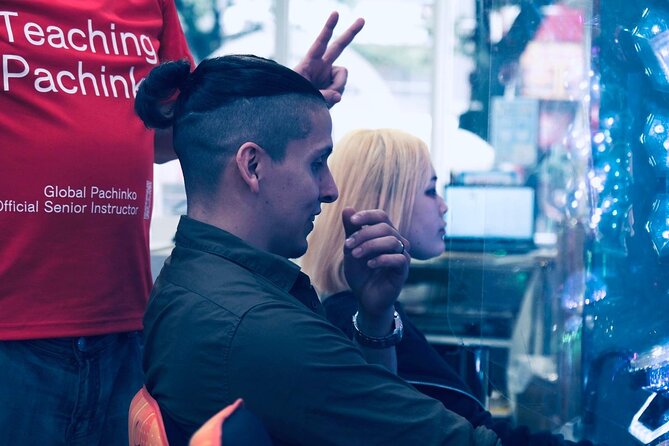
One appealing part of pachinko is the chance to win. A participant won during the session, and another came away with a good amount of money while still admitting that the full game had not become completely clear.
You should keep your expectations sensible. The activity does not guarantee a win, and the instructor cannot control the machine. Your reliable return is the lesson: you will learn the basic flow, practice handle control, and get a guided introduction to a Japanese pachinko parlor.
The separate 4,000 JPY fee per person for balls or tokens is important when you calculate the cost. That amount is not included in the $70.73 tour price. Treat the playing fee as part of your entertainment budget, not as money you expect to recover.
The possibility of winning makes the session exciting, but it should not be the main reason you book. If you want a guaranteed sightseeing result, choose an activity with a fixed exhibit or landmark. If you want to try a local game with an uncertain outcome, pachinko offers a more unusual hour.
What the $70.73 price really buys
At $70.73 per person, this is not the cheapest way to spend 75 minutes in Tokyo. You also need to add the 4,000 JPY ball or token fee, plus any personal spending during the day.
The value depends on how much help you want. A person who already understands pachinko may find the price hard to justify. A first-time visitor who wants to enter a parlor without guessing at every step gets something more useful: an instructor, a structured introduction, and supervised play.
Gratuities are included. Bottled water is not, though the short duration means you can easily carry your own drink before arriving.
The booking pattern suggests you should reserve ahead rather than assume you can arrange it at the last minute. It is booked, on average, 25 days before the activity date. That does not guarantee every date will sell out, but it is a good reason to book once your Tokyo schedule is set.
Who will get the most from this short lesson
This activity suits you if pachinko has caught your eye but you have no idea how to begin. It is especially useful for visitors who want a local experience with clear instruction instead of wandering into a parlor alone.
It also works well for couples, friends, and small groups who enjoy trying something unusual together. The group limit of 10 keeps the activity from becoming a huge class, and group discounts may improve the value for several people booking together.
You may want to skip it if you dislike gambling-style games, flashing machines, or uncertain results. It is also not the right pick if you are looking for a long cultural tour, a history lesson, or a broad introduction to Tokyo. The focus stays on learning and playing pachinko.
The session is short enough to fit around other plans. You can place it near a Nippori visit, then continue your day from the station area after returning to the meeting point.
Booking details and cancellation terms
You receive confirmation at the time of booking, and a mobile ticket is available. The activity has free cancellation if you cancel at least 24 hours before the local start time.
If you cancel less than 24 hours before the start, the amount paid is not refunded. Changes made inside that same 24-hour window are not accepted, so check your Tokyo schedule before the deadline.
The tour ends at the same Nippori meeting point where it begins. The provider lists the activity as suitable for most people, with a maximum of 10 participants.
Should you book Discover the Secrets of Pachinko?
Book it if you want a direct, guided introduction to a Japanese pachinko parlor and are willing to pay extra for hands-on help. The strongest parts are the short rules briefing, the practical handle lesson, and the chance to keep playing or try another machine when timing permits.
Keep your expectations focused. You are paying for a compact lesson and a real attempt at the game, not a guaranteed win or a full Tokyo cultural tour. Add the 4,000 JPY playing fee to the advertised price, and decide if that total fits your entertainment budget.
For a curious first-timer, this is a good way to make sense of a noisy and unfamiliar pastime. For anyone mainly hoping to win money, it is a gamble in every sense.
FAQ
Where does the pachinko activity begin?
It begins at Nippori Station, at 2 Chome-19 Nishinippori, Arakawa City, Tokyo 116-0013, Japan.
Where does the pachinko session take place?
The group visits BB Station pachinko parlor near Nippori Station.
How long does the activity last?
The scheduled duration is approximately 1 hour and 15 minutes.
Is the ball or token fee included in the tour price?
No. The fee to rent balls or tokens is listed separately at 4,000 JPY per person.
How many people can join the activity?
The maximum group size is 10 people.
Can I cancel for a full refund?
Yes, if you cancel at least 24 hours before the experience start time. Cancellations or changes made less than 24 hours before the start are not accepted for a refund.
Newly reviewed around Tokyo
- Tokyo Asakusa:Calligraphy & Make T-shirt Activity★ 5.0 · 62 reviews
- Intercity Shuttle, Tokyo to Haneda /Narita /Yokohama /Makuhari★ 5.0 · 5 reviews
- 1 Hour Travel around Tokyo with a Professional Photographer★ 5.0 · 3 reviews
- Travel Tokyo with Your Own Personal Photographer★ 5.0 · 43 reviews
- Train in Samurai Swordsmanship and Defeat the Demon in Tokyo★ 5.0 · 5 reviews
- Shuttle Van 6hr Tokyo Tour to-and-from Tokyo, Yokohama and Narita★ 5.0 · 9 reviews
- Kickboxing & Body Training with EX-Pro Fighter★ 5.0 · 4 reviews
- Traditional Japanese Knife Sharpening Class★ 5.0 · 18 reviews