
Reviewed · NIKKO DAY TRIPS FROM TOKYO
NIKKO PASS All Area
Nikko is where Tokyo gives way to cedar forests, mountain roads, waterfalls, hot springs, and some of Japan’s most important shrines. This four-day pass lets you set your own pace instead of forcing a long day trip into a tight schedule. You can reach Nikko from Asakusa, ride buses toward Lake Chuzenji or Yumoto Onsen, and use local trains toward Kinugawa Onsen.
I especially like the unlimited Nikko bus travel, since the area’s sights are spread far beyond the station. I also like having time for both the UNESCO shrine district and natural stops such as Kirifuri Waterfall. The main catch is that the pass does not cover temple admissions, limited express upgrades, or every mountain attraction, so the savings depend on how much you actually explore.
Key points to know
- Four consecutive calendar days: A pass beginning April 1 ends April 4, even if you activate it later in the day.
- Asakusa to Nikko included: Round-trip Tobu fare reaches Shimo-Imaichi, with local connections onward to Tobu-Nikko or Shin-Fujiwara.
- Buses do the heavy lifting: Routes 2A, 2B, 2C, and 2D reach the World Heritage area, Lake Chuzenji, Yumoto Onsen, and Kirifuri-area sights.
- Limited express costs extra: The basic pass does not include the faster limited express service, and the regular journey can require train changes.
- Seasonal planning matters: The 2D bus changes destination by season, and some attractions, including the Chuzenji cruise, close in winter.
- Nikko is not flat: Expect winding mountain roads, long bus rides, and a moderate level of walking and physical effort.
What this Nikko pass actually gives you
The Nikko All Area Pass is a transport pass, not a guided tour. You collect it at the Tobu Tourist Information Center inside Asakusa Station, show your booking voucher and valid non-Japanese passport, and then plan the rest yourself.
That freedom is the point. You are not tied to a guide, fixed sightseeing order, or group departure. You can spend one day around the shrines, another at Lake Chuzenji, and a third in Kinugawa Onsen. If you prefer, you can use it as a simple two-day escape and ignore the remaining validity.
The pass is valid for four consecutive calendar days. These are calendar dates, not four periods of 24 hours. If the selected start date is April 1, the pass ends on April 4. Keep that rule in mind when choosing your booking date.
The advertised price shown here is $0.00, which is not a useful basis for judging value. The actual amount can vary by booking channel and date, so check the final price before paying. The best value comes when you use several buses and trains over more than one day. If you only make one round trip to Nikko and visit the nearby shrine district, buying separate tickets may be worth comparing.
More Nikko day trips from Tokyo:
- Nikko: Kegon Falls, Lake Chuzenji & Toshogu Temple
★ 4.6 · 1,577 reviews - Tokyo: Nikko Toshogu Shrine and Kegon Waterfall Tour
★ 4.5 · 1,266 reviews - From Tokyo: Nikko World Heritage Site Private Full-Day Trip
★ 4.9 · 243 reviews
Leaving Asakusa for Shimo-Imaichi
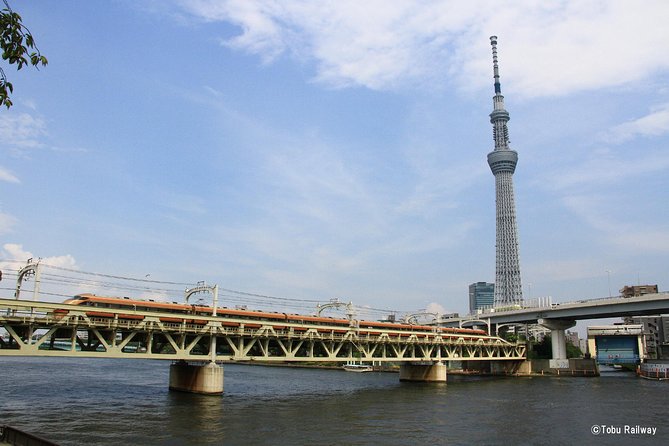
The journey begins at Tobu Asakusa, a convenient starting point for this pass. The included round-trip fare takes you between Asakusa and Shimo-Imaichi. From there, included local Tobu trains continue toward Tobu-Nikko or Shin-Fujiwara.
A regular journey takes about one hour and 50 minutes from Asakusa to Nikko. That is a reasonable day-trip distance, but it is not a quick city transfer. Give yourself time for the station process, the train ride, and the bus connection at the other end.
Do not assume the pass includes a direct, premium train. The limited express service costs extra, and the basic route may involve as many as two train changes. That is the chief trade-off: you save on the basic rail fare, but you give up some speed and simplicity unless you pay for the upgrade.
For a first visit, I would use the train ride to decide how much ground you want to cover. Nikko has enough temples, mountain stops, and bus travel to fill several days. Rushing all the way to the lake and back on the same day can leave you with more road time than sightseeing time.
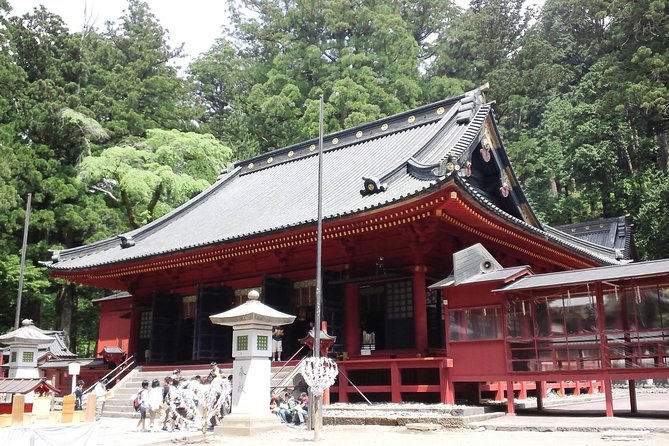
Tobu-Nikko and the World Heritage sights
Tobu-Nikko Station is your main transport hub. The included 2B bus follows the World Heritage sightseeing route, with departures about every 15 minutes. The full loop takes about 23 minutes, and service runs roughly from 8:20 AM to 5:30 PM.
This is the easiest part of the pass to use. You can reach the central shrine and temple area without worrying about paying each time you board. The pass removes a small but repeated nuisance, especially if you get off more than once.
The famous sights themselves are not free with the pass. Admission to Nikko’s shrines and temples is excluded, so budget separately for entry. That distinction matters because the pass gets you to the cultural center, but it does not turn every major sight into an included attraction.
Still, the transport coverage has real value. Nikko’s important buildings are not all beside the railway station, and a return walk can consume time better spent inside the grounds. Use the bus for the main approach, then walk at a comfortable pace once you arrive.
Kirifuri Waterfall and the changing 2D route
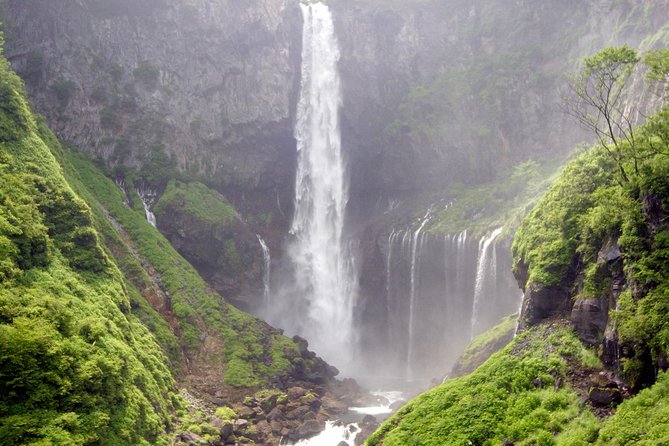
Kirifuri no Taki drops about 75 meters through wooded country. It is one of Nikko’s notable natural sights and has been associated with artists such as Katsushika Hokusai. The trees around the falls change with the seasons, so the setting does not look the same throughout the year.
The 2D bus serves this area, but the destination changes. From November 24 through March 31, it runs between Tobu-Nikko Station and Kirifuri no Taki. From April 1 through November 23, it runs toward Kirifuri-Kogen instead.
That seasonal switch is easy to miss. Check the current route and operating hours before you set out, rather than assuming the bus will take you to the same stop all year. The pass gives you the right to ride, but it cannot fix a seasonal timetable mistake.
Kirifuri is a good choice if you want nature without committing to the longer journey toward Lake Chuzenji or Yumoto Onsen. The route and walking conditions still call for moderate fitness, so wear practical shoes and allow time for the return bus.
A completely different kind of day in Tokyo:
- Mt Fuji and Hakone 1-Day Bus Tour Return by Bullet Train
★ 5.0 · 26,383 reviews - 1-Day Tokyo Bus Tour
★ 5.0 · 14,250 reviews - Tokyo: teamLab Planets TOKYO Digital Art Museum Entry Ticket
★ 4.6 · 9,779 reviews - Mt Fuji & Hakone Cruise, Drum Show Bullet Train 1 Day from Tokyo
★ 4.0 · 7,413 reviews
Lake Chuzenji and the 2C bus
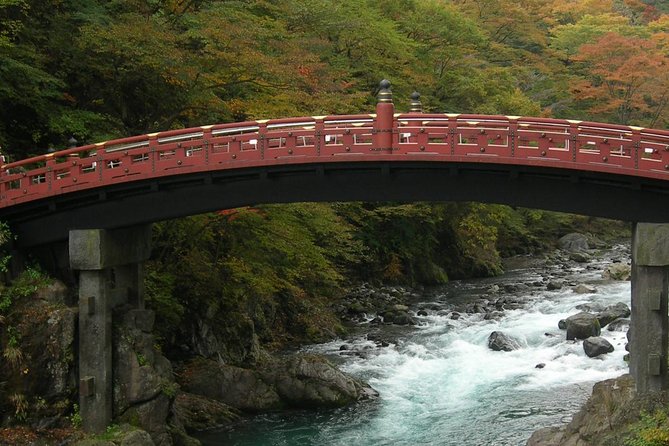
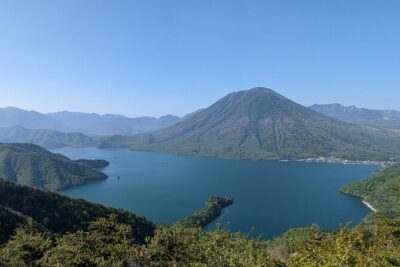
The 2C bus travels from Tobu-Nikko Station to Chuzenji-Onsen. Each leg takes about 45 minutes, with service listed from approximately 6:30 AM to 6:30 PM.
This route takes you away from the station district and into Nikko’s mountain country. Lake Chuzenji gives you a different side of the area, with water, higher elevations, and access to nearby natural sights. It is a strong reason to choose the All Area Pass instead of a simpler transport ticket focused only on the shrine zone.
The bus ride can be slow, especially when many people are heading to the same mountain stops. Plan your day around the timetable, since the final return options matter. The pass covers the bus ride, but it does not cover every activity at the lake.
One item needs special care: the supplied information includes a report that the lake cruise and ropeway were covered for one pass holder, but the official inclusions listed here do not promise either one. The cruise is also closed during winter from December 1. Treat those attractions as possible seasonal discounts or separate benefits, not guaranteed inclusions, and confirm current conditions before you count on them.
Yumoto Onsen and the long 2A ride
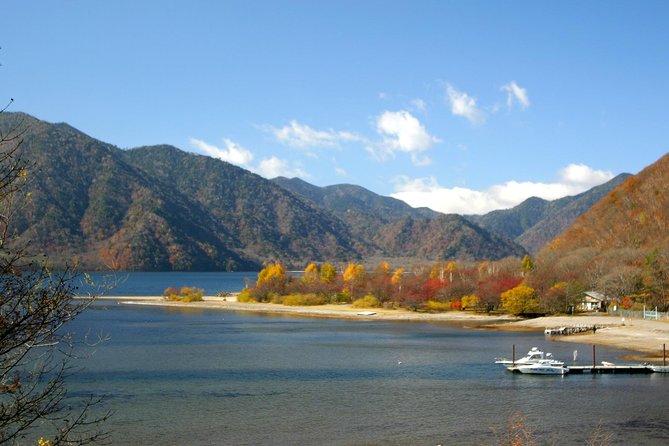
The 2A bus continues from Tobu-Nikko Station to Yumoto-Onsen. Each way takes about 75 minutes, and listed operating hours run from 6:15 AM to 6:10 PM.
That is a long bus ride, but it opens up the farthest area covered by the stated bus routes. Yumoto Onsen is a hot springs town, so this is the place to add a slower, more restful stop to a Nikko visit.
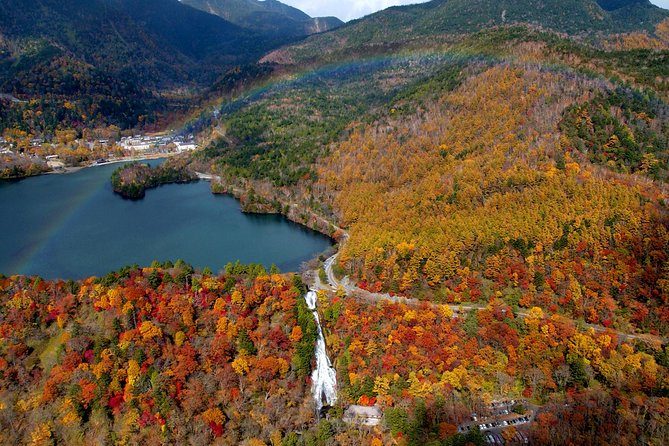
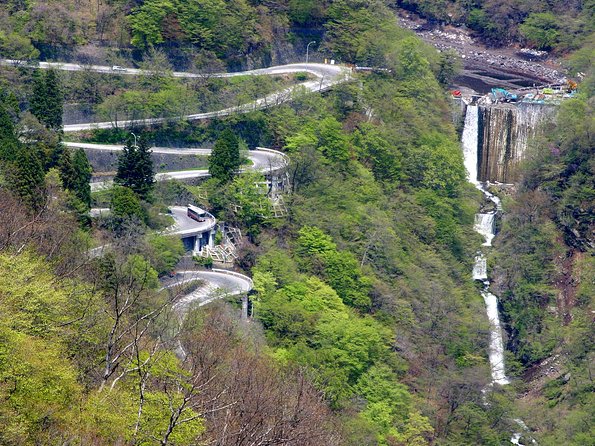
The mountain road has many twists and switchbacks. If winding roads make you uncomfortable, sit where you can see ahead and avoid treating this as a quick hop. One practical benefit of having the pass for four days is that you can choose a clear-weather day and avoid cramming the trip into the same day as your Tokyo departure.
A stay in Nikko for three days can make this route much easier. You can use one day for the shrine district, one for the lake and waterfalls, and another for the hot springs area. The pass is also valid for a shorter visit, but its full value is easier to reach when you use the outer routes.
Kinugawa Onsen and Shin-Fujiwara
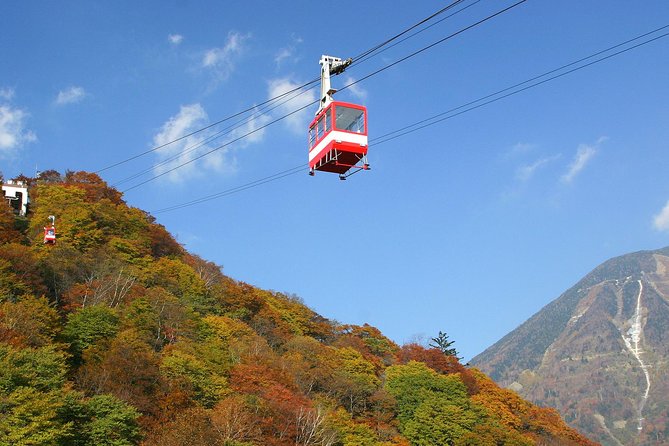
The pass also supports travel toward Shin-Fujiwara and Kinugawa Onsen. The journey from Asakusa to Kinugawa Onsen takes about two hours and 10 minutes by limited express, with the limited express fee separate from the base pass.
Kinugawa is a useful alternative to a Nikko-only plan. It is a hot springs town, and the pass may also bring discounts at selected attractions, shops, and restaurants around Nikko and Kinugawa. The exact discounts vary by season, so check the current terms rather than building your budget around a particular offer.
This option suits you if you want more than temple sightseeing. You can make Nikko the cultural part of the trip and Kinugawa the relaxing part. It is less suitable if you have only a few free hours, since the journey takes time even before you begin sightseeing.
Where the pass saves money, and where it does not
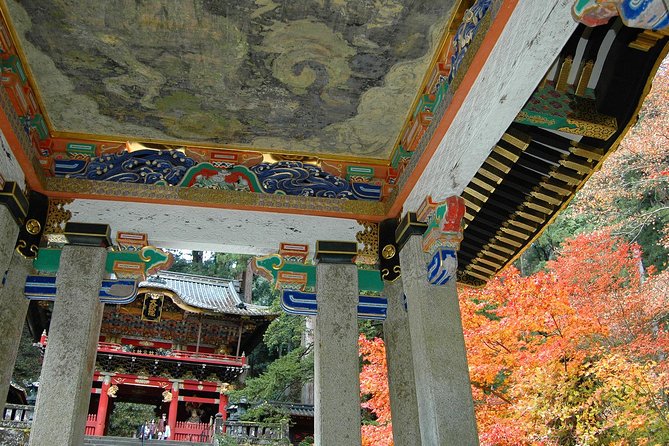
The pass is strongest when you use the network repeatedly. A visitor who rides from Asakusa to Nikko, takes several local buses, visits the outer mountain areas, and returns to Tokyo has more chance of coming out ahead.
The value is weaker if you only ride to Tobu-Nikko and walk around the station area. Temple and shrine entry remains separate, and the limited express supplement can add to the total. Food and drinks are also excluded.
The available discounts can help, but they vary by season and may apply to entrance fees, transport fares, purchases, restaurants, or other selected services. See them as a bonus, not the main reason to buy.
Bring a little patience and keep small denominations available for expenses outside the pass. One report specifically described confusion over fares and change on buses, though the pass itself covers the named routes. Clear route planning is the better answer: check the Tobu timetable and route map before leaving Tokyo.
A practical four-day plan
If you have the time, I would organize the pass like this:
- Day one: Travel from Asakusa to Tobu-Nikko, then use the 2B route for the World Heritage shrine and temple district.
- Day two: Take the 2C bus to Chuzenji-Onsen and allow time for the lake area. Check seasonal cruise operation before going.
- Day three: Choose the 2A bus for Yumoto-Onsen or the 2D route for Kirifuri, depending on weather, season, and your interest in hot springs or waterfalls.
- Day four: Use the rail connection toward Kinugawa Onsen and Shin-Fujiwara, or keep this as a flexible spare day for anything missed.
You do not need to follow this plan exactly. The useful point is to group sights by route. Nikko’s buses travel through mountain country, and crossing back and forth wastes time.
Who should buy the Nikko All Area Pass?
I would recommend it most strongly if you plan to spend at least two days in Nikko and want to visit both the shrine district and the mountain areas. It is also a good fit if you dislike calculating fares every time you board a bus.
Families may appreciate the simple transport arrangement, though children age five and younger are complimentary when accompanied by a paying adult. The pass is available only to foreign tourists with a non-Japanese passport, and you must show that passport when collecting it.
You should have moderate physical fitness. The pass reduces transport costs, but it does not remove walking, stairs, long bus rides, or mountain-road travel. Seasonal attractions and schedules need checking before departure.
Should you book it?
Book the Nikko All Area Pass if you want a flexible, independent trip with room for waterfalls, lakes, hot springs, and the World Heritage sights. The unlimited bus travel is its strongest feature, and the four-day period gives you breathing room.
Skip it, or compare it carefully with separate fares, if you plan only a short shrine visit or want every train and attraction included in one price. Most importantly, add the limited express fee, admission charges, food, and any seasonal activities before judging the final cost.
Free cancellation is available if you cancel at least 24 hours before the experience start time. Changes or cancellations within 24 hours are not accepted for a refund.
FAQ
How long is the Nikko All Area Pass valid?
It is valid for four consecutive calendar days beginning on the date selected when booking. A pass starting April 1 is valid through April 4, not for four 24-hour periods.
Where do I collect the pass?
You collect it at the Tobu Tourist Information Center at Asakusa Station, located at 1-chome-4-1 Hanakawado, Taito City, Tokyo.
What must I show when collecting the pass?
You must present your booking voucher and a valid non-Japanese passport. The pass is available only to foreign tourists with a non-Japanese passport.
Does the pass include travel from Asakusa to Nikko?
Yes. It includes round-trip Tobu train fare between Asakusa Station and Shimo-Imaichi Station, plus unlimited local Tobu train travel between Shimo-Imaichi and Tobu-Nikko or Shin-Fujiwara.
Does the pass include limited express trains?
No. Limited express train fees are not included. A limited express journey from Asakusa to Nikko takes about one hour and 50 minutes, while Asakusa to Kinugawa Onsen takes about two hours and 10 minutes.
Which buses are included?
Unlimited rides are included on the 2A, 2B, 2C, and 2D buses departing from or arriving at Tobu-Nikko Station.
Are temple and shrine admission fees included?
No. Admission to shrines and temples in the Nikko area is separate.
Does the pass include food, drinks, and all attractions?
No. Food and beverages are not included. Discounts on selected attractions, transport fares, shops, and restaurants vary by season, and some attractions operate only at certain times of year.
Can I cancel the pass for a refund?
You can receive a full refund if you cancel at least 24 hours before the experience start time. Cancellations or changes made less than 24 hours before the start time are not accepted for a refund.
Newly reviewed around Tokyo
- Tokyo Asakusa:Calligraphy & Make T-shirt Activity★ 5.0 · 62 reviews
- Intercity Shuttle, Tokyo to Haneda /Narita /Yokohama /Makuhari★ 5.0 · 5 reviews
- 1 Hour Travel around Tokyo with a Professional Photographer★ 5.0 · 3 reviews
- Travel Tokyo with Your Own Personal Photographer★ 5.0 · 43 reviews
- Train in Samurai Swordsmanship and Defeat the Demon in Tokyo★ 5.0 · 5 reviews
- Shuttle Van 6hr Tokyo Tour to-and-from Tokyo, Yokohama and Narita★ 5.0 · 9 reviews
- Kickboxing & Body Training with EX-Pro Fighter★ 5.0 · 4 reviews
- Traditional Japanese Knife Sharpening Class★ 5.0 · 18 reviews
Nikko Day Trips from Tokyo, compared.
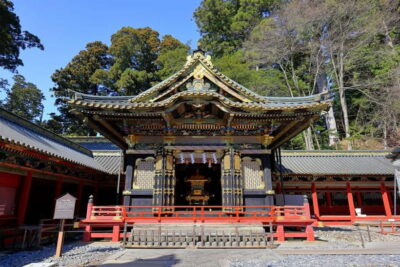

Nikko Toshogu Shrine and Kegon Waterfall Tour
Read our review →
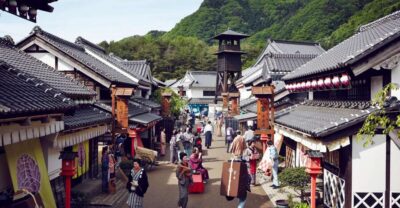
Edo Wonderland Edomura Cultural Theme Park Ticket
Read our review →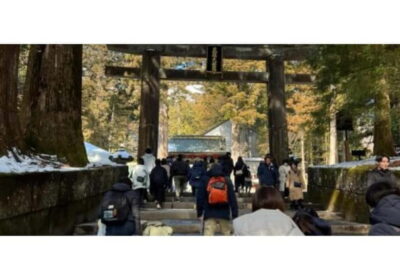
Chartered Private Tour – Tokyo to Nikko, Toshogu, Edo Wonderland
Read our review →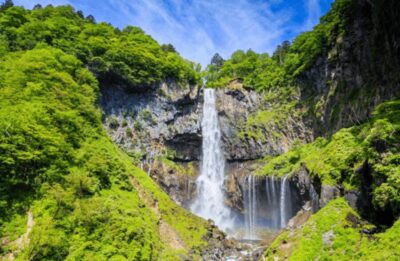
One Day Private Tour to Nikko With English Speaking Driver
Read our review →Browse the lists this tour appears in