
Reviewed · TOKYO ONSEN AND HOT SPRING TRIPS
Authentic Onsen Experience Tattoo Friendly Hidden Gem in Shinjuku
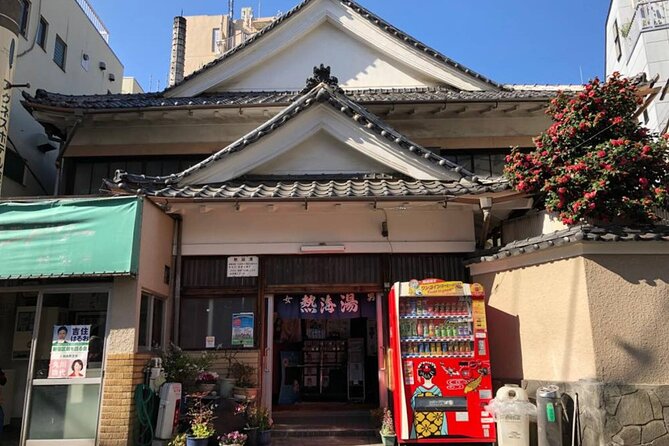
The most interesting part of this Shinjuku experience is that it takes you to a working neighborhood sento, not a polished spa built for sightseeing. The bathhouse dates to 1954, and the hour is built around small local customs: shoe lockers, washing before the pools, Mount Fuji murals, and the cold bottled drink people enjoy afterward.
I like two things right away. First, guide Kosei makes the unfamiliar routine easier to handle, especially if you have never used a Japanese bathhouse. Second, you are not forced into the water. You can bathe, study the old building, or relax in the lobby with a drink. The main consideration is that the male guide cannot accompany female participants into the bath area, so women bathe independently.
Key points to know before you book
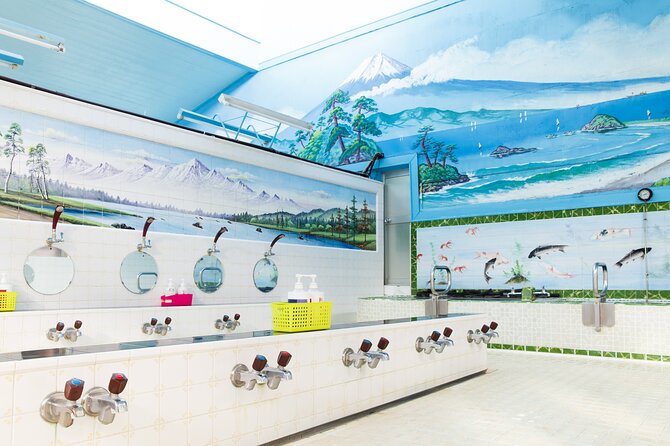
- A 1954 bathhouse in Shinjuku: You visit a real local sento rather than a purpose-built tourist spa.
- Kosei provides the orientation: He explains shoe lockers, changing rooms, washing stations, pools, and basic etiquette.
- Bathing is optional: You can use the facilities, look around, or sit in the lobby with a drink.
- The cultural details are the real value: Fuji wall paintings, postwar community life, and bottled milk all have a place in the story.
- Small group, short time: The maximum is six people, and the activity lasts about one hour.
- A drink is included: You receive milk, milk coffee, fruit milk, or a soft drink after the bath.
Why this Shinjuku sento feels different from a spa visit
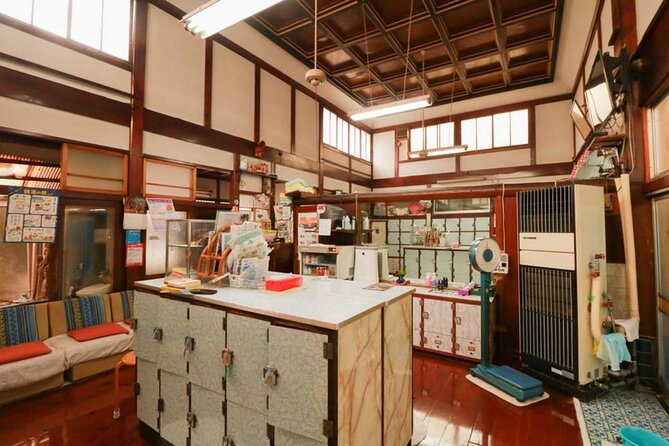
A sento is a public bathhouse used by local residents. The point is not a massage, a private soaking room, or a luxury treatment. You wash first, move between shared baths, and take part in a routine that has served Japanese communities for generations.
That distinction matters. If you want a sleek wellness center with English signs and a carefully staged atmosphere, this is not the right choice. If you want to see how a simple neighborhood bathhouse works, the setting gives you much more than a quick soak.
The bathhouse was built in 1954, a detail that gives the visit a clear place in Tokyo’s postwar story. Sento served communities at a time when private home bathrooms were less common. People came not only to wash but also to see familiar faces, catch up on local news, and enjoy a little comfort at the end of the day.
You will also hear about the Mount Fuji murals found in many bathhouses. These paintings are one of the most recognizable visual features of Japanese bathing culture. Here, they are not just decoration for a photo. They help explain how sento owners created a sense of escape in a very ordinary public building.
More things to do in Shinjuku:
- Tokyo: Shinjuku Food Tour (13 Dishes at 4 Local Eateries)
★ 5.0 · 6,603 reviews - Tokyo Bar Hopping Tour in Shinjuku (All-You-Can-Drink + Dinner)
★ 5.0 · 3,587 reviews - Tokyo: Shinjuku Food Tour (15 Dishes and 4 Eateries)
★ 4.9 · 2,033 reviews
Meeting Kosei in Kagurazaka
The activity begins at Starbucks Coffee near Kagurazaka-shita, at 1-chome 92 Kagurazaka, Shinjuku City. You meet the guide there before walking to the bathhouse.
This meeting point is useful because it gives you a clear indoor place to find the guide before you begin. Kosei has been identified as the guide for this experience, and his role is more than leading you from one address to another. He explains the customs in a friendly, easy-to-follow way, which is especially helpful when you are worried about making a mistake.
The group is limited to six people. That small size should make it easier to ask questions about bathing etiquette, lockers, or what to expect next. It also keeps the visit from feeling like a large organized group moving through a local neighborhood.
The walk from the meeting point is part of the experience, but do not expect a separate sightseeing tour of Kagurazaka. The main purpose is to reach the sento and prepare you for the visit. You return to the same meeting point when the activity ends.
Getting past the shoe lockers and changing room
The first practical challenge at a Japanese sento is often not the bath itself. It is knowing where to leave your shoes, when to change, and which area belongs to which part of the routine.
Kosei explains how to use the shoe lockers and then takes you through the basic sequence. You learn how to move from the entrance to the changing area, where the washing area fits into the visit, and how to approach the bathing pools.
This orientation is valuable because sento customs are simple once you understand them, but confusing when you do not. You do not need a long lecture. You need someone to point out the order of things and remove the guesswork.
Shampoo and body soap are available for use, so you do not need to bring those basics for this experience. You should still pay attention during the explanation. The most important habit is washing before entering the shared baths, rather than treating the pool as the place where you clean yourself.
The design may feel plain compared with a modern spa. That is part of the appeal, but it also means the surroundings may not be polished or tailored to international visitors. Bring a patient attitude and let the guide explain what the signs and spaces mean.
The bathing choice: take part or observe
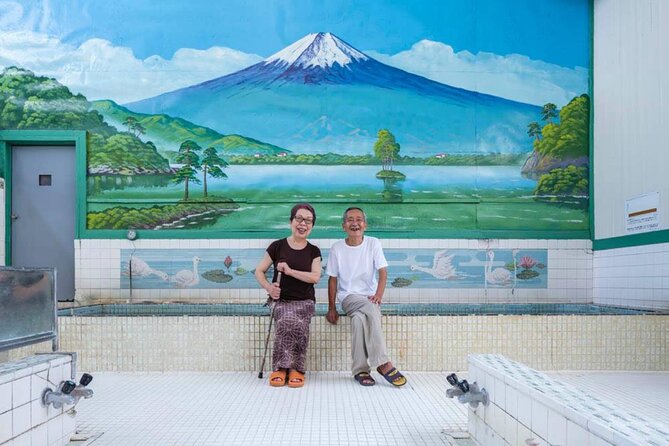
After the introduction, you can choose whether to use the bath. This is one of the strongest features for first-time visitors because you are not locked into a single level of participation.
If you want the full experience, you can wash, enter the pools, and enjoy the quiet routine of a public bath. The activity is designed to make that first step less intimidating. The guide explains the process before you separate to use the bathing facilities.
If you feel shy, you can choose another path. You may observe parts of the architecture and entrance area, or relax in the lobby with a drink. This option is useful for anyone who wants the cultural setting but is not ready to bathe in a shared space.
Female participants should note the guide arrangement. Because Kosei is male, he does not enter the women’s bathing area. Women bathe on their own after the orientation. The information provided does not promise a private bath, so you should be comfortable with a shared public bathing environment if you plan to use the pools.
The activity title presents the experience as tattoo friendly. Tattoo rules can vary between Japanese bathhouses, and no detailed policy is provided here, so I would confirm the current policy before booking if you have a tattoo and want complete certainty.
More Tokyo onsen and hot spring trips:
- From Tokyo: Private Tour to Fuji/Hakone – Onsen, Art, Nature
★ 5.0 · 116 reviews - Mt. Fuji, Hakone Private Tour from Tokyo – Onsen, Arts and Nature
★ 5.0 · 79 reviews - Tokyo: Mt Takao Tour with Ramen and Tattoo-Okay Hot Spring
★ 5.0 · 69 reviews - [Seasonal Limited] Mt. Fuji 5th Station &Hot Spring Day Tour
★ 4.5 · 53 reviews
Fuji murals, milk bottles, and postwar community life
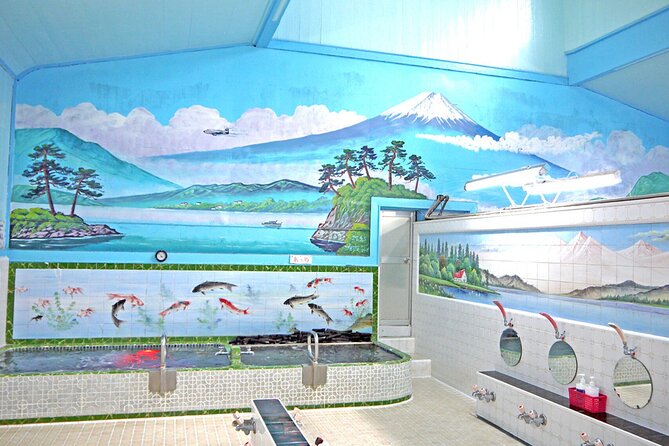
The cultural explanation gives this short activity its substance. Without it, you would simply enter an old bathhouse, wash, soak, and leave. With it, the room becomes a way to understand daily life in Japan.
The Mount Fuji murals are the most obvious detail. They turn a bath wall into a small piece of popular art and help explain why Fuji became linked with public bathing. The guide also covers the part sento played in postwar communities, when the bathhouse could function as a shared social space as much as a place for washing.
Then comes the bottled drink. A cold bottle of milk, milk coffee, fruit milk, or a soft drink is included after the bath. The tradition may seem minor, but it is exactly the kind of detail that makes the visit memorable. After sitting in hot water, a cold drink becomes a familiar local ritual rather than a random refreshment.
You receive one complimentary bottle. If you do not bathe, you can still relax with a drink, though the classic post-bath feeling will naturally be different.
What one hour gives you
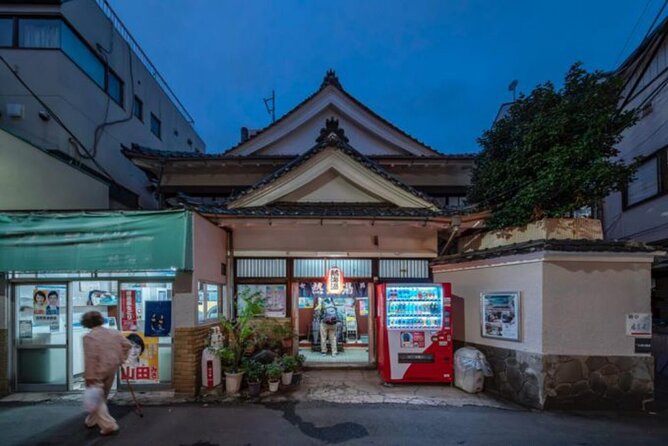
An hour is enough for an introduction and a short bathhouse visit, but it is not enough for an unhurried spa afternoon. You should see this as a cultural orientation with time to bathe, not as a long soak with extensive facilities.
The schedule works well for a first encounter. Kosei explains the rules, you have time to use the bath if you choose, and you finish with the bottled drink. The compact format also fits neatly into a day of sightseeing in Shinjuku or nearby Kagurazaka.
The short duration has a trade-off. If you want to sit quietly for a long time, repeat several baths, or linger over the architecture, you may feel rushed. The experience is best for learning how the system works and deciding if you would like to return to a sento on your own.
The meeting point and end point are the same, which makes planning easier. You can build the activity into your schedule without arranging a separate return journey from an unfamiliar neighborhood.
Is $35.77 a fair price?
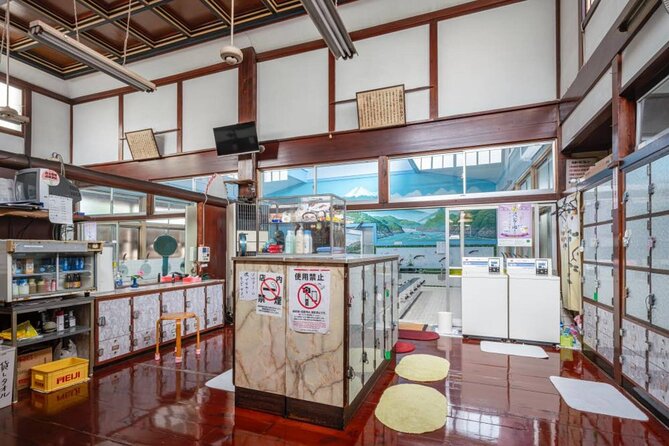
At $35.77 per person, you are paying for more than admission to a bath. The value comes from the bilingual explanation, the guided walk, the cultural context, the soap and shampoo, and the included drink.
If you already understand sento etiquette and feel comfortable entering a public bath alone, you could likely find more value in visiting a bathhouse independently. In that case, the guided explanation may not add enough to justify the price.
For a first visit, the price is easier to defend. You avoid the anxiety of guessing where to put your shoes, when to wash, and how the changing area works. You also receive context about the murals and the bathhouse’s place in community life, details you might miss on your own.
The maximum group size of six helps the price feel more reasonable. You are not paying for a large bus-style outing. You are paying for a short, focused introduction with the chance to ask questions.
The experience is often booked well ahead, with an average of 55 days in advance. That suggests you should reserve early if this is an important part of your Tokyo plan, especially since the group is small.
Who will enjoy this most?
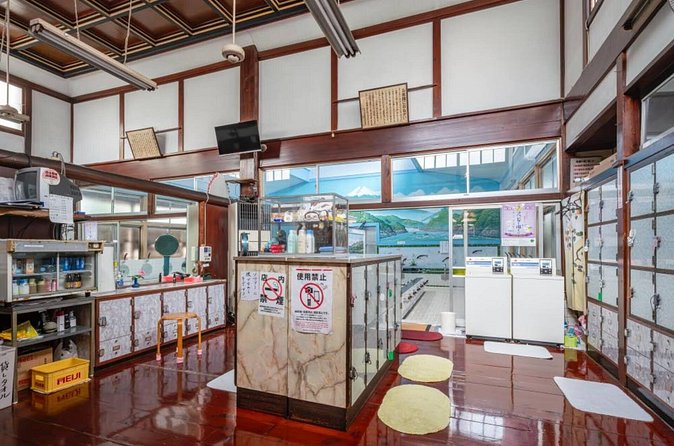
I would recommend it to a first-time visitor who wants a local activity but feels unsure about Japanese bathing customs. It also suits anyone interested in everyday culture, postwar Tokyo, traditional public spaces, or small experiences that do not feel like standard sightseeing.
It is a good fit if you:
- Want a gentle introduction before trying a sento alone
- Prefer a real neighborhood setting to a tourist spa
- Enjoy learning why ordinary customs exist
- Appreciate a small group and a bilingual guide
- Want the freedom to bathe or simply observe
- Are comfortable with a shared bathing environment if you use the pools
I would think twice if you want privacy, luxury, a long spa treatment, or a detailed tour of Shinjuku. The bathhouse is the focus, and the activity is short.
You should also consider how comfortable you are with nudity and communal bathing. The experience reduces the cultural uncertainty, but it does not change the basic nature of a public sento.
Practical details that affect your decision
You receive confirmation when booking, and the meeting point is near public transportation. Most people can participate, but the experience still involves changing clothes and using a public bath if you choose to bathe.
The mobile ticket makes entry simple. Keep your phone accessible for the meeting details, then follow Kosei’s instructions at the starting point.
Free cancellation is available until 24 hours before the start time. Cancel at least a full day ahead for a full refund. Changes or cancellations inside that 24-hour window are not refunded or accepted.
The activity may also be canceled if the weather is poor or if the minimum number of participants is not reached. In those cases, you are offered another date or experience, or a full refund.
Should you book this sento experience?
Book it if you want a friendly introduction to Japanese bathing culture and like the idea of visiting a real 1954 neighborhood bathhouse. The strongest reasons are Kosei’s clear orientation, the choice to bathe or observe, and the small cultural details that give the visit meaning.
Skip it if you want a private or luxurious spa, a long bathing session, or a completely independent visit. Also confirm the current tattoo policy before booking if that issue is important to you.
For the right person, this is a smart use of one hour in Tokyo. You leave knowing how a sento works, why Fuji murals appear on the walls, and why a cold bottle of milk is part of the ritual. That is a lot of local insight from a very simple bathhouse visit.
FAQ
Where does the experience begin?
It begins at Starbucks Coffee near Kagurazaka-shita, at Japan, 162-0825 Tokyo, Shinjuku City, Kagurazaka, 1-chome 92, Shuei Building. The activity ends back at the same meeting point.
How long does the sento experience last?
The activity lasts approximately one hour.
How many people can join?
The maximum group size is six participants.
Is bathing required?
No. You can bathe after the orientation, or choose to observe the architecture and entrance murals or relax in the lobby with a drink.
Can women join if the guide is male?
Yes. Female participants use the bath independently because the male guide does not enter the women’s bathing area.
What is included after the bath?
You receive one complimentary bottle of milk, milk coffee, fruit milk, or a soft drink. Shampoo and body soap are also available for use.
Newly reviewed around Tokyo
- Tokyo Asakusa:Calligraphy & Make T-shirt Activity★ 5.0 · 62 reviews
- 1 Hour Travel around Tokyo with a Professional Photographer★ 5.0 · 3 reviews
- Travel Tokyo with Your Own Personal Photographer★ 5.0 · 43 reviews
- Intercity Shuttle, Tokyo to Haneda /Narita /Yokohama /Makuhari★ 5.0 · 5 reviews
- Train in Samurai Swordsmanship and Defeat the Demon in Tokyo★ 5.0 · 5 reviews
- Shuttle Van 6hr Tokyo Tour to-and-from Tokyo, Yokohama and Narita★ 5.0 · 9 reviews
- Kickboxing & Body Training with EX-Pro Fighter★ 5.0 · 4 reviews
- Traditional Japanese Knife Sharpening Class★ 5.0 · 18 reviews
Tokyo Onsen and Hot Spring Trips, compared.
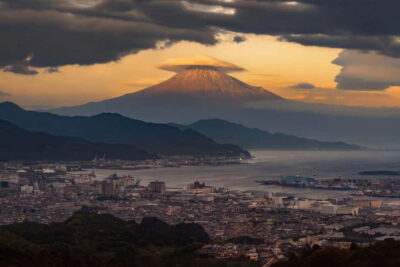
Private Tour to Fuji/Hakone – Onsen, Art, Nature
Read our review →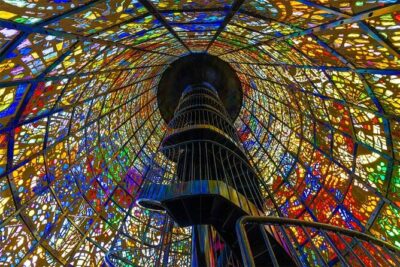
Mt. Fuji, Hakone Private Tour from Tokyo – Onsen, Arts and Nature
Read our review →
Mt Takao Tour with Ramen and Tattoo-Okay Hot Spring
Read our review →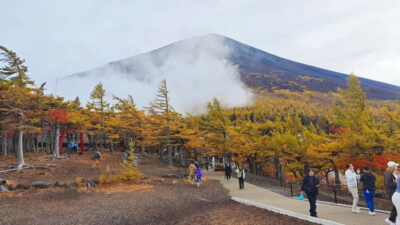
[Seasonal Limited] Mt. Fuji 5th Station &Hot Spring Day Tour
Read our review →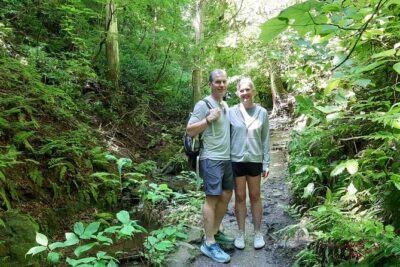
Full Day Hiking Tour at Mt.Takao including Hot Spring
Read our review →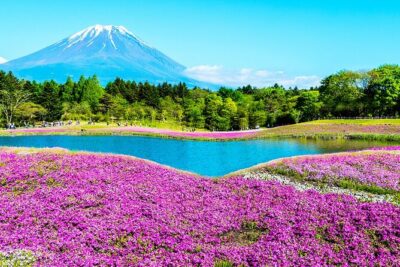
Mt. Fuji 5th, Oshino Hakkai, Onsen Full-Day Trip From Tokyo
Read our review →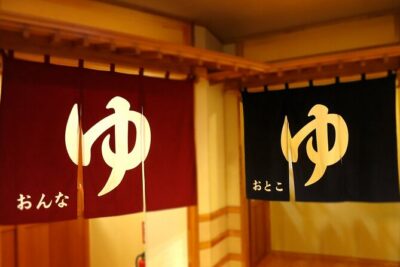
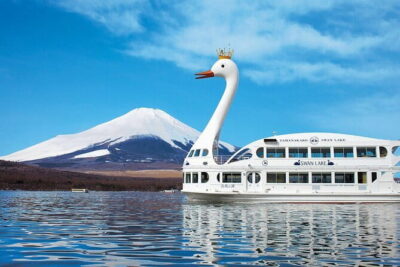
Full Day Tour at Mt. Fuji, Onsen, Lake Kawaguchi and Yamanaka
Read our review →Browse the lists this tour appears in