
Reviewed · SHIBUYA TOURS
Easy Japanese Speaking Experience and Meet Locals in Shibuya
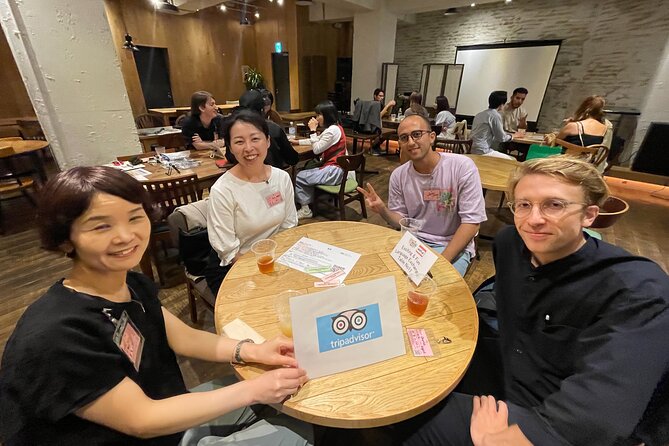
The best thing about this Shibuya experience is its simple promise: sit down, speak some Japanese, and meet people who are happy to help. At Jinnan Cafe, staff place Japanese and international participants in small groups, provide topic cards, and move people around during the evening. You get a social setting without the pressure of a formal lesson.
I like the small groups of three or four, which make it easier to speak than at a large party. I also like the included drink, since having a coffee, soft drink, or alcoholic beverage in hand gives everyone an easy first topic. The main consideration is that this is a language exchange, not a structured Japanese class, so the quality of each conversation depends partly on who is in your group.
Key points to know before booking
- Small mixed groups: Japanese and international participants are placed together in groups of about three or four.
- Seats change during the evening: Staff move participants around two or three times, giving you more chances to speak with different people.
- Conversation cards are provided: Use them when the room goes quiet or you need an easy subject.
- One drink is included: Choose one soft drink or alcoholic beverage. Snacks cost extra and are not included.
- No Japanese fluency is required: You can join even if you are only interested in trying Japanese.
- Tuesday evening in Shibuya: The event runs from 7:30 to 9:30 PM at Jinnan Cafe, near public transportation.
A Low-Pressure Way to Speak Japanese in Shibuya
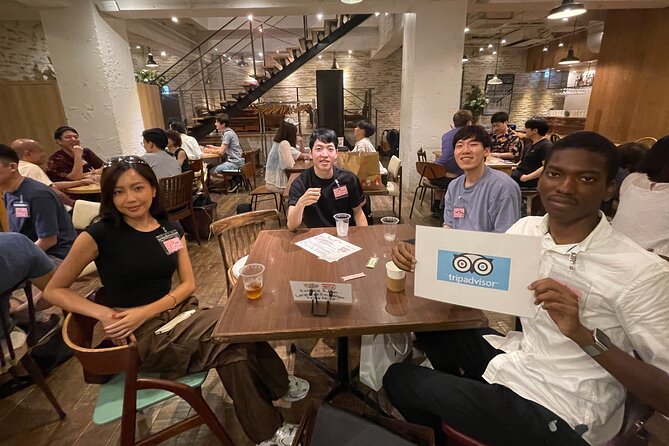
Many visitors study Japanese before coming to Tokyo, then freeze when it is time to use it. A language exchange helps because the goal is not perfect grammar. The goal is to communicate, listen, try again, and keep the conversation moving.
This event is designed around that idea. You do not sit through a lecture or memorize a set list of phrases. Instead, you meet local Japanese speakers and international participants, then take part in short conversations in a cafe setting. If your Japanese is basic, you can still join. If you speak more confidently, you can help someone else practice English while sharpening your own Japanese.
I see this as a useful middle ground between a classroom and an ordinary night out. A bar or cafe can offer social contact, but it may not give you a clear reason to start talking to strangers. Here, conversation is the point from the moment you arrive.
The relaxed format also suits solo visitors. You do not need to arrive with a friend or arrange your own group. Staff handle the seating and offer conversation prompts, so you have a natural way to begin.
More things to do in Shibuya:
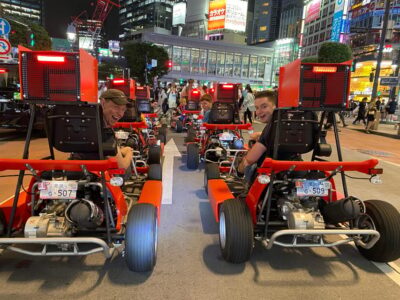
- Official Street Go-Kart in Shibuya
★ 5.0 · 3,435 reviews - Tokyo: Street Kart Experience in Shibuya
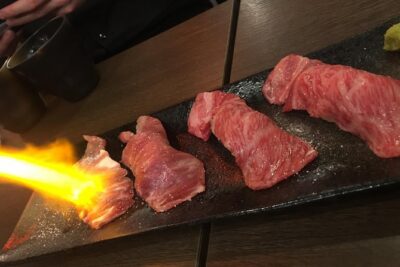
★ 4.9 · 1,484 reviews - Shibuya Meltdown Nightlife Tour: All-You-Can-Drink Bar Hopping
★ 5.0 · 1,058 reviews
Finding Jinnan Cafe and Checking In
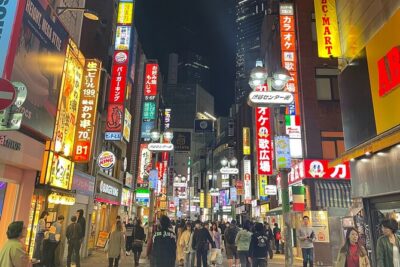
The meeting place is Jinnan Cafe in Shibuya. After entering, order your included drink on the first floor, then go to the reception on the B1 floor for check-in. That detail matters, since the cafe and the event reception are on different levels.
The event begins at 7:30 PM and runs for about two hours, ending at 9:30 PM. It takes place on Tuesdays. The venue is near public transportation, which makes it practical to reach before dinner or combine with other plans in Shibuya.
You should allow enough time to locate the cafe and order your drink before checking in. The instructions specifically direct you to order first and then report to reception downstairs. Arriving rushed could make the first few minutes less comfortable, especially if you are already nervous about speaking Japanese.
The maximum group size is 20 people. That is small enough for staff to organize the seating, but large enough to bring different ages, interests, language levels, and backgrounds into the room. The evening may feel quiet on one date and quite full on another. One participant described a Tuesday in June as full of people, so do not expect the same room size or energy every time.
Your First Conversation: Three or Four People at a Table
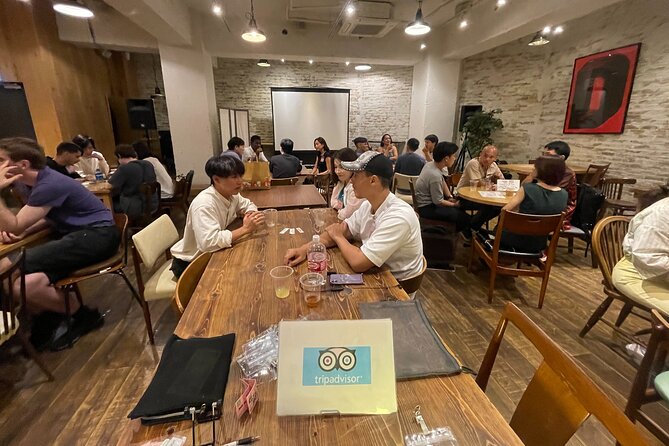
After check-in, staff prepare your seat and provide topic cards. Participants are divided into groups of three or four, with Japanese and international people mixed together.
This is one of the strongest parts of the setup. A one-to-one conversation can feel intense if your Japanese is limited. A large table can make it easy to sit back and let other people speak. Three or four people gives you a better balance. You have time to listen, but you also have a fair chance to answer.
The topic cards are useful for more than beginners. Even fluent speakers run out of things to say when they first meet. A card gives you a neutral opening and reduces the awkward pause that often follows introductions. You can use the prompts as written or let them lead into talk about food, daily life, travel, language, or Tokyo.
The event welcomes people who cannot speak Japanese, as long as they are interested in the exchange. That makes the tone less intimidating than a gathering aimed only at advanced students. You should still expect to make an effort. The staff provide a setting and prompts, but they do not turn the evening into a private tutoring session.
Seat Changes Give You More Than One Chance to Practice
Staff change the seating during the event so you can speak with different people more than two or three times. This is important because your first group may not be the perfect match for your language level or interests.
Changing seats also gives you repeated practice with the same basic tasks: introducing yourself, explaining where you are from, describing your plans, and asking someone about Japan. The second or third conversation usually feels easier than the first because you have already warmed up.
You will also hear different speaking styles. One local participant may use simple words and clear sentences, while another may speak more quickly or use expressions you have not studied. That variety is useful, though it can also be tiring if you are new to Japanese.
The group changes prevent the night from becoming a single long conversation with one person. They also make it easier to meet people if you arrive alone. By the end, you may have practiced with several Japanese speakers and international participants rather than only the person sitting beside you.
A small drawback is that changing seats can interrupt a particularly good conversation. If you connect with someone and want to continue, the format may ask you to move on. You can usually keep talking during the optional continuation after the official event, but the supplied details do not promise a specific after-event arrangement.
A completely different kind of day in Tokyo:
- Mt Fuji and Hakone 1-Day Bus Tour Return by Bullet Train
★ 5.0 · 26,383 reviews - 1-Day Tokyo Bus Tour
★ 5.0 · 14,250 reviews - Tokyo: teamLab Planets TOKYO Digital Art Museum Entry Ticket
★ 4.6 · 9,779 reviews - Mt Fuji & Hakone Cruise, Drum Show Bullet Train 1 Day from Tokyo
★ 4.0 · 7,413 reviews
How the Language Exchange Works for Beginners
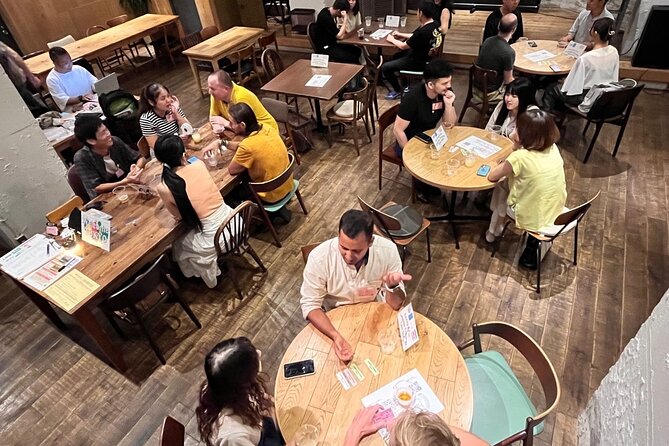
You do not need to treat this as a test. Try short sentences, ask people to repeat themselves, and use the English side of the exchange when needed. Since the groups include Japanese and international participants, the conversation can move between Japanese and English.
That balance is useful. You can ask a Japanese participant how to say something naturally, then help another person with English. You may also pick up casual terms that do not always appear in textbooks. One participant specifically enjoyed learning useful Japanese expressions, which is the sort of practical benefit this setting can provide.
If you are a complete beginner, set a modest goal. Try to introduce yourself in Japanese, ask a few basic questions, and understand the main idea of the answers. If you already study Japanese, aim to speak without translating every sentence in your head.
The event is not presented as a lesson with a teacher, workbook, or formal correction. That means you may not receive detailed grammar explanations. For some people, this is a benefit because the evening feels social rather than academic. For others, especially those seeking a planned curriculum, it may feel too informal.
I would bring a few simple questions of your own. The cards are there to help, but personal questions make conversations more natural. You might ask where someone recommends visiting in Japan, what food they enjoy, or what part of Tokyo they know best. The included topics and local knowledge can turn a basic language exercise into useful trip planning.
The Included Drink Helps Set the Tone
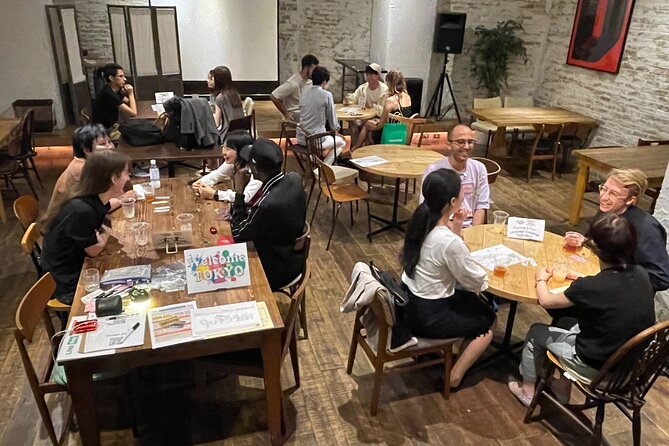
The price includes one soft drink or alcoholic beverage. You order it on the first floor before checking in. Snacks are not included, so eat beforehand if you know you will want more than a drink during the two-hour session.
The drink is not a major sightseeing feature, but it serves a practical purpose. Holding a cup gives you a natural pause, and ordering at the start creates an easy first step before you meet the group. A soft drink works just as well as alcohol if you want to stay focused on speaking.
Alcohol is optional, and the event is still centered on conversation. If you choose an alcoholic drink, keep in mind that the evening involves listening and speaking in another language. A clear head may be more useful than a second round.
The lack of included food keeps the offer straightforward, but it also limits the value slightly for anyone expecting a full cafe experience. The $53 price pays for the organized event, the seating system, staff support, and one drink. It is not a meal or a sightseeing tour.
Is $53 a Fair Price for Two Hours?
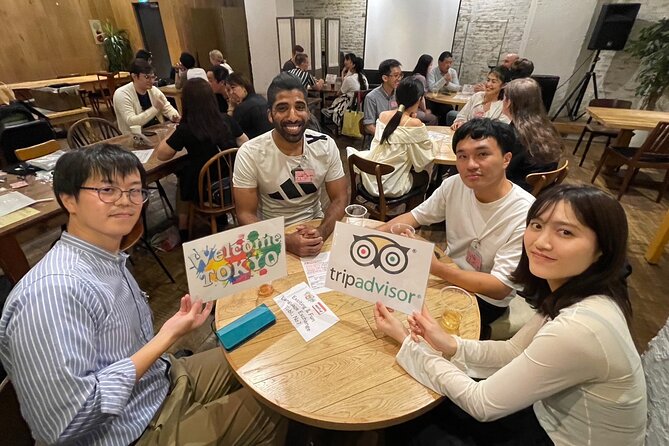
At $53 per person, this costs more than simply entering a public cafe and hoping to meet someone who speaks Japanese. The difference is the structure. Staff organize the groups, provide conversation prompts, change seats, and create a clear reason for Japanese and international participants to talk.
The price makes the most sense if you value guided social contact. You are paying for a ready-made opportunity to practice, not for a lesson or a Tokyo attraction. If you would otherwise spend an evening alone or struggle to find a local language partner, the organized format may be worth it.
The value is weaker if you already have Japanese friends, a language partner, or a regular exchange group in Tokyo. You may find the free drink and two-hour schedule less compelling if your main goal is sightseeing. This event does not take you around Shibuya, explain local landmarks, or include a meal.
Still, the maximum of 20 people and small table groups help explain the price. Staff attention would be harder to provide in a huge open meetup. The seating changes also give you more speaking chances than an unstructured gathering where people remain with friends.
The event is often booked about six days ahead, so I would not leave it until the final evening of a short Tokyo visit. That booking pattern does not guarantee a full session, but it suggests you should check availability early if the Tuesday schedule fits your plans.
Who Will Get the Most From This Evening?
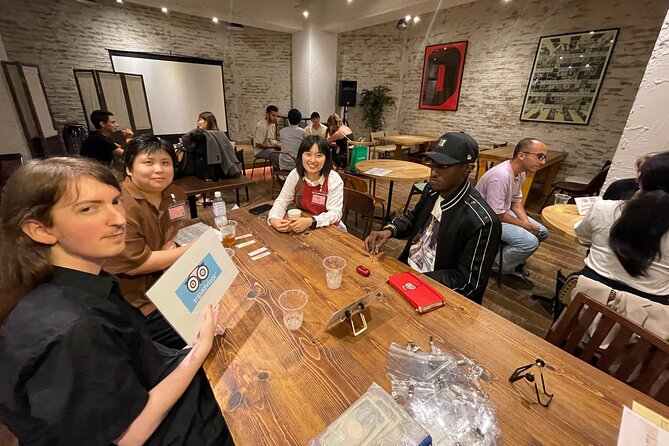
This is a strong fit for solo visitors, Japanese-language students, and anyone who wants local contact without committing to a private lesson. It also suits international participants who want to practice English while meeting people in Tokyo.
You will probably enjoy it most if you:
- Have basic Japanese and want to speak more often
- Are willing to make mistakes in front of other people
- Want local suggestions for a wider Japan trip
- Prefer a small social group to a crowded party
- Are traveling alone and want an organized way to meet people
- Like informal conversation more than formal instruction
You may want something else if you need a teacher, written corrections, a fixed lesson plan, or advanced Japanese discussion. The staff manage the event, but the conversation itself comes from the people in your group.
It is also worth remembering that the local advice you receive will be personal, not an official travel briefing. That can be more interesting, since you may hear about places and habits that do not appear in a standard guide. But you should still check important transport, opening-hour, or reservation details elsewhere.
What the Evening Does Especially Well
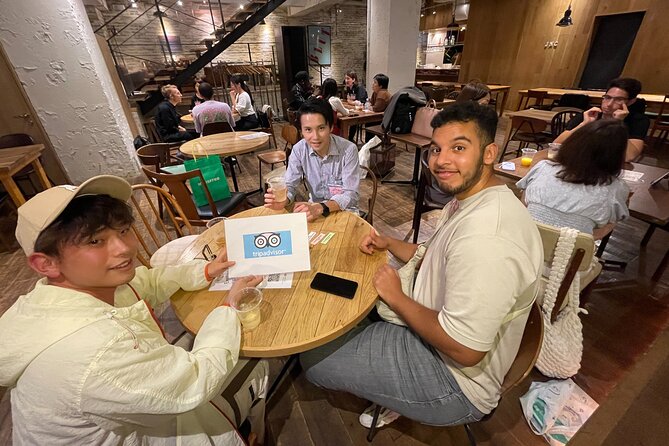
The strongest feature is the welcoming tone. The format is built to help people start talking, and the included drink gives the room an easy social rhythm. The short reports of the experience describe it as warm, fun, well organized, and comfortable for meeting people from different backgrounds.
The event also works well for repeat practice. You do not get only one introduction and one conversation. Seat changes let you try again with fresh people, which is helpful when your first few Japanese sentences come out slowly.
The community side matters, too. You may teach someone a little English, learn useful Japanese terms, and make a contact for later in your trip. That does not mean every conversation will become a friendship. It does mean the format gives that possibility more room than a standard class.
Its convenience is another plus. The event lasts two hours, starts at a fixed evening time, includes a drink, and takes place near public transportation in Shibuya. You can fit it into a Tokyo itinerary without giving up an entire day.
Points to Keep in Mind Before You Go
The event is social, so the exact experience can change with attendance. A room with 20 people will have a different feel from a smaller night. Your language level may also differ from those at your table, and some conversations may flow more easily than others.
Do not expect every local participant to act as a personal guide. The event promises chances to get tips and advice, but people are attending to exchange language and meet others. Ask politely, listen, and share your own experiences too.
The 7:30 PM start also shapes the evening. It is not a morning activity or a daytime introduction to Shibuya. If you have an early start the next day, remember that the official session ends at 9:30 PM, with the option of continuing afterward.
Cancellation is flexible if your plans change. You can receive a full refund when you cancel at least 24 hours before the local start time. Cancellations or changes made less than 24 hours before the event are not accepted for a refund.
Should You Book the Shibuya Language Exchange?
Book it if you want a structured way to speak Japanese, meet locals, and spend two relaxed hours in a small group. The seat changes, topic cards, and included drink give you more support than an ordinary night at a cafe, while the informal format keeps the pressure low.
I would be especially inclined to book this for a solo visit or for the middle of a longer Japan trip, when you have already learned some basic phrases and want to use them. Skip it if you want a formal class, sightseeing, or a meal. At $53, the value rests on how much you want real conversation and local contact. For the right kind of evening, that is exactly what you are buying.
FAQ
Where does the Japanese speaking experience take place?
It takes place at Jinnan Cafe in Shibuya, Tokyo. The event reception is on the B1 floor.
What time does the event run?
It runs on Tuesdays from 7:30 PM to 9:30 PM, for about two hours.
Do I need to speak Japanese to participate?
No. You can participate even if you cannot speak Japanese, as long as you are interested in the language exchange.
How many people are in each conversation group?
Staff place participants into small groups of about three or four people, with Japanese and international participants mixed together.
Do participants stay with the same group all evening?
No. Staff change the seating more than two or three times so you have chances to speak with different people.
Is a drink included?
Yes. One soft drink or alcoholic beverage is included. Snacks are not included.
Is the experience accessible by public transportation?
Yes. The venue is near public transportation.
Can I cancel for a full refund?
Yes, if you cancel at least 24 hours before the experience start time. Cancellations or changes made less than 24 hours before the start time are not eligible for a refund.
Newly reviewed around Tokyo
- Tokyo Asakusa:Calligraphy & Make T-shirt Activity★ 5.0 · 62 reviews
- Intercity Shuttle, Tokyo to Haneda /Narita /Yokohama /Makuhari★ 5.0 · 5 reviews
- 1 Hour Travel around Tokyo with a Professional Photographer★ 5.0 · 3 reviews
- Travel Tokyo with Your Own Personal Photographer★ 5.0 · 43 reviews
- Train in Samurai Swordsmanship and Defeat the Demon in Tokyo★ 5.0 · 5 reviews
- Shuttle Van 6hr Tokyo Tour to-and-from Tokyo, Yokohama and Narita★ 5.0 · 9 reviews
- Kickboxing & Body Training with EX-Pro Fighter★ 5.0 · 4 reviews
- Traditional Japanese Knife Sharpening Class★ 5.0 · 18 reviews
Shibuya Tours, compared.

Shibuya Meltdown Nightlife Tour: All-You-Can-Drink Bar Hopping
Read our review →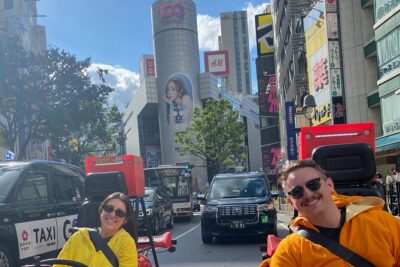
Shibuya Official Street Go-Kart in Shibuya Annex
Read our review →
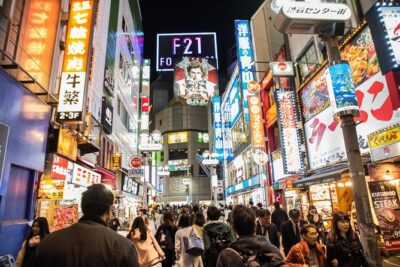

Premium Go-Kart Tour with Tower & Shibuya Crossing
Read our review →Browse the lists this tour appears in