
Reviewed · 1-DAY TOURS
Tokyo: Private Customized 1 day Tour with Local Guides
Tokyo is easiest to enjoy when someone helps you connect its scattered neighborhoods. This private tour lets you choose the mix, from Meiji Shrine and Shibuya to Ueno, Yanaka, Asakusa, old sushi counters, local shopping streets, and small shrines that are easy to miss.
I like the freedom to change plans during the day, and I like the personal contact with guides such as Sherilyn, Ken, Ayuko, Mami, and Moeka. The main thing to watch is the price structure: the advertised $30 per person is only the starting tour cost, while your transport, food, entrance fees, and the guide’s necessary expenses are extra.
Key points at a glance
- A true private itinerary: You choose the neighborhoods, sights, food, shopping, and pace.
- Guides who adapt well: Sherilyn, Ken, Ayuko, Mami, Moeka, and others are praised for friendly English and flexible planning.
- Good for first-time visitors: A guide can link major sights with useful local context and help you handle Tokyo’s trains.
- Local details beyond the headline sights: Expect possibilities such as a 70-year-old sushi restaurant, a Tanuki-lined street, or an old shrine in Ueno Park.
- Walking is central: Some days cover many miles, with trains used between areas.
- Best value comes from planning: The low starting price is appealing, but your final cost depends on duration and expenses during the day.
Why a private Tokyo day can make sense
Tokyo is not one compact sightseeing district. It is a giant collection of neighborhoods, each with its own mood, food, temples, shopping streets, and daily rhythm. You can spend a morning around a shrine, cross the city by train, browse a market, and end the afternoon in a garden or cafe. The challenge is making those pieces fit.
That is where this experience earns its place. You are not tied to a fixed route or a large group. You can tell the guide that you want traditional Japan, modern Tokyo, family-friendly stops, food, shopping, photography, or a little of everything. The plan can also change once you discover what interests you most.
I see this as a particularly useful first or second day in Tokyo. A guide can help you understand how the city is arranged, show you how to move between districts, and point out customs at shrines and temples. After that, you may feel more comfortable exploring on your own.
The flexibility is real, but it requires a little effort from you. A private guide cannot guess every interest in your group. Before the tour, make a short wish list and rank it. Tell the provider if you have children, limited walking ability, food restrictions, a strong interest in anime, gardens, architecture, shopping, or local restaurants.
More 1 Day Tours in Tokyo:
- Mt Fuji and Hakone 1-Day Bus Tour Return by Bullet Train
★ 5.0 · 26,383 reviews - 1-Day Tokyo Bus Tour
★ 5.0 · 14,250 reviews - Mt Fuji & Hakone Cruise, Drum Show Bullet Train 1 Day from Tokyo
★ 4.0 · 7,413 reviews
Choosing between one hour and eight
The tour can last from 1 to 8 hours. That wide range makes the experience more useful, but the durations are not interchangeable.
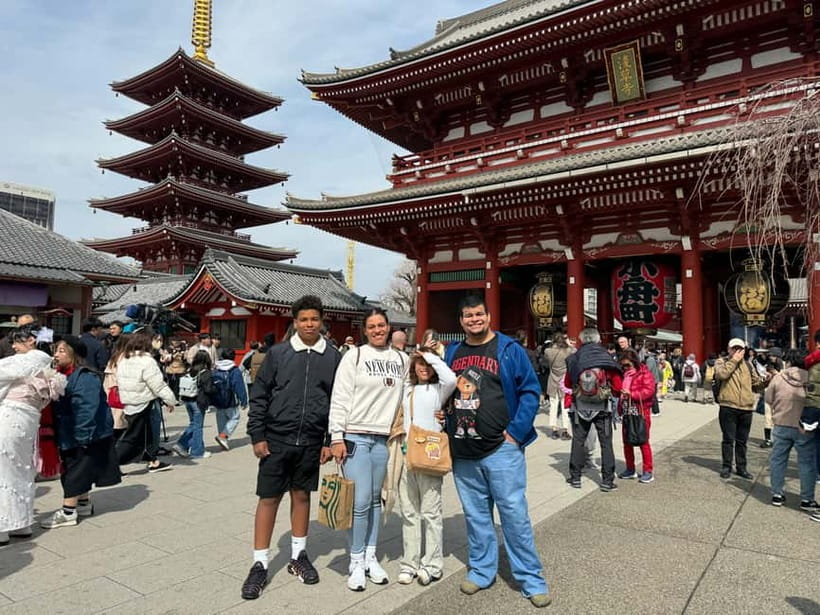
A one or two-hour booking works best for a focused introduction. You might concentrate on Tsukiji Market and Tsukiji Hongwan-ji Temple, as one two-hour route did, or choose a small section of Asakusa, Harajuku, or Shibuya. This option suits a short stop, a layover, or anyone who wants help with one particular area.
At two hours, you should keep the plan tight. Tokyo’s sights are spread out, and even a short train ride takes time once you include walking to stations and finding the right exit. A focused neighborhood route will feel more satisfying than trying to check off half the city.
A five-hour tour gives you room for a fuller sequence. One example linked Meiji Shrine, Shibuya, a local izakaya lunch, Shinjuku Gyoen National Garden, and a cafe. Another family route included Meiji Shrine, Harajuku, Shibuya, and nearby areas. This length allows time for explanations, food, breaks, and a few changes of plan.
The eight-hour option is the best choice if you want contrasting parts of Tokyo. A full day can connect old areas such as Asakusa, Ueno, and Yanaka with modern Akihabara or Shibuya. One seven-hour route covered Asakusa, Ueno, Yanaka, and Akihabara, including lunch at a sushi restaurant with 70 years of history.
A long day can cover a lot, but do not mistake distance for value. One guest walked 12 miles and used several train rides in a single day. That sounds excellent for strong walkers who want maximum coverage, but it would be tiring for many families or anyone unused to Tokyo’s heat, stairs, and station corridors.
Meiji Shrine, Harajuku, and Shibuya
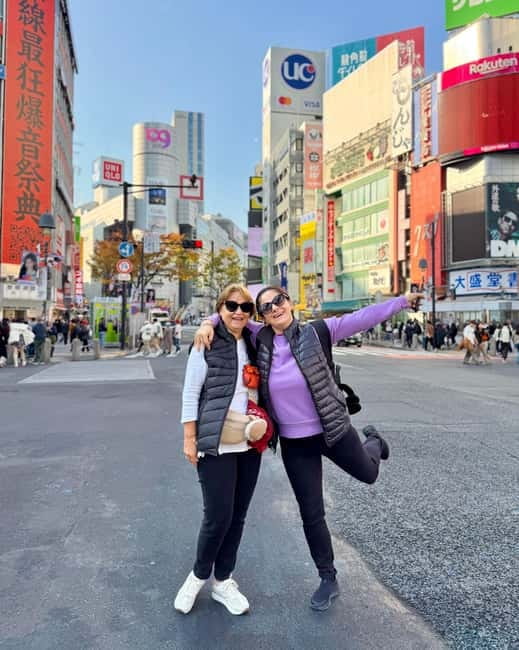
This is one of the most natural combinations for a first visit. Meiji Shrine offers a calm start, while nearby Harajuku and Shibuya show the city’s youth culture, shopping, and famous crossings.
A guide can explain shrine customs and the meaning of what you see rather than simply leading you through the gate. That context matters in Japan, where the correct way to approach, wash, bow, and offer a prayer is part of the experience.
Harajuku adds a sharper change of pace. Takeshita Street is lively and commercial, and it can feel very different from the wooded shrine grounds. Shibuya then brings larger streets, department stores, cafes, and the famous crossing. You can ask to spend more time shopping, move quickly through stores, or focus on local food.
This route suits first-time visitors who want recognizable Tokyo sights without spending the day on trains. It also works for families. One guide, Moeka, was praised for keeping teenagers interested, while another guide, Love, made Japanese culture appealing to children aged seven and ten.
The drawback is that this area can be crowded and familiar. If you have already seen Meiji Shrine and Shibuya, tell the provider. Guides such as Ken have built less conventional routes for people who had already covered the major sights.
Asakusa, Ueno, Yanaka, and old Tokyo
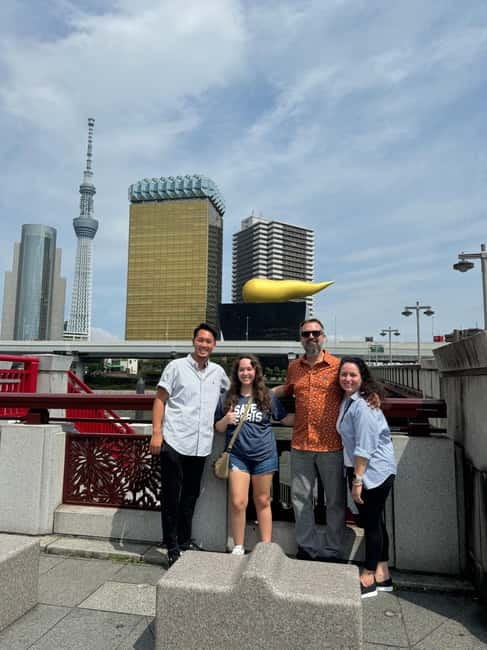
For a stronger sense of traditional Tokyo, ask about Asakusa, Ueno, and Yanaka. Asakusa gives you a major temple setting and old-style shopping streets. Ueno combines park paths, cultural sights, and smaller religious sites. Yanaka offers a quieter neighborhood feel than the large central districts.
The value here is contrast. You can see one of Tokyo’s best-known temple areas, then move into places where daily life feels less arranged for sightseeing. A guide can explain shrine and temple customs, local history, and the small details you might pass without noticing.
One route included the oldest Shinto shrine in Tokyo, located within Ueno Park, along with a small street lined with Tanuki figures. Those figures are associated with good luck, making the stop a memorable example of the odd, specific details that rarely appear in a standard city overview.
This is also a good plan for food. A long route included a historic sushi place, while another introduced monja, a Tokyo specialty cooked on a hot plate. Your meals are not included, but a guide can help choose a stop that fits your preferences.
The practical warning is distance. Asakusa, Ueno, and Yanaka are close enough to combine, but you will still walk between stations and sights. Wear comfortable shoes and tell your guide if you need regular rests.
More private tours in Tokyo:
- Tokyo 6hr Private Tour with Government-Licensed Guide
★ 5.0 · 3,902 reviews - Private Tour to Mt. Fuji and Hakone (Fully Licenced Operator)
★ 5.0 · 1,910 reviews - Tokyo Customized Private Tour (Must See Places in 1 Day)
★ 5.0 · 1,499 reviews - Mount Fuji Full-Day Private Tour from Tokyo (Customizable)
★ 4.9 · 1,470 reviews
Tsukiji, local food, and shopping streets
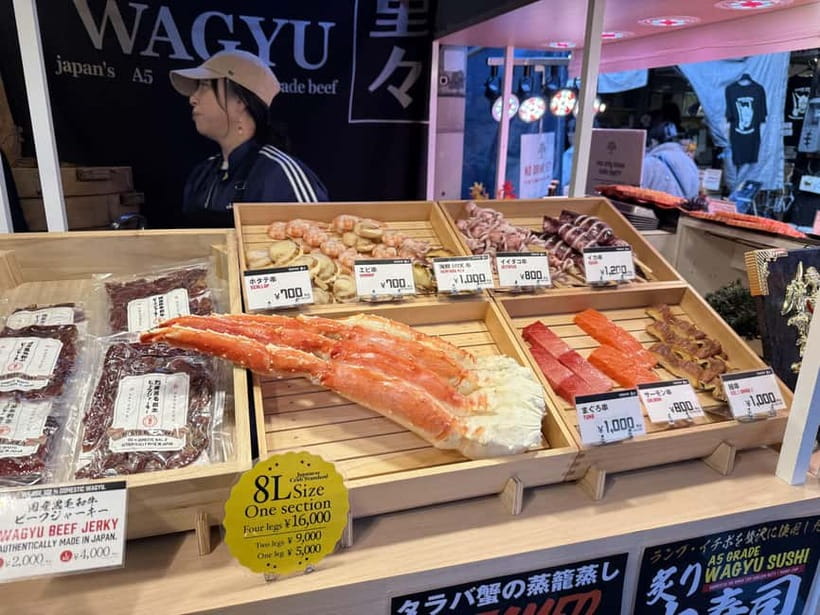
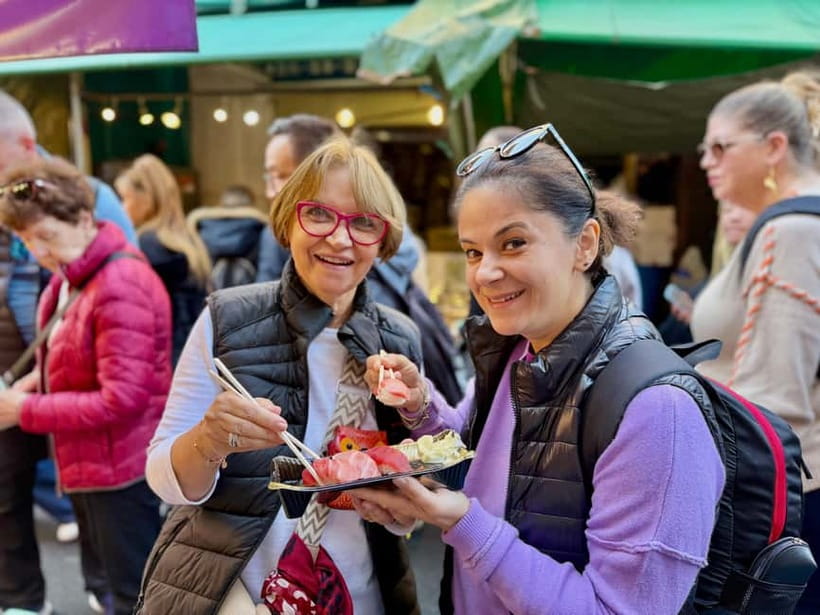
Food can be the backbone of your tour instead of an afterthought. You can ask for sushi, an izakaya, monja, a local diner, sweets, or a cafe break. The provider describes access to places favored by local residents, but the exact restaurant depends on your guide, timing, availability, and preferences.
Tsukiji is a useful short-tour choice. You can explore the market area and visit Tsukiji Hongwan-ji Temple in a compact route. This works well if you have only two hours or if food is your main interest.
For lunch, be clear about dietary needs before the day begins. A guide found a vegan restaurant for one visitor, and another arranged lunch and coffee breaks in advance. These details show why early communication matters. You should not assume that a restaurant or reservation is included, but you should tell the provider exactly what you can and cannot eat.
Keep your wallet ready. Lunch, snacks, drinks, and personal purchases are not included. The guide’s meal or other necessary expenses may also need to be covered, so ask how this will be handled before the tour begins. One person specifically found the extra responsibility for the guide’s transport and lunch unclear. The provider should make this plain, but you should confirm it yourself.
Gardens, temples, and a quieter afternoon
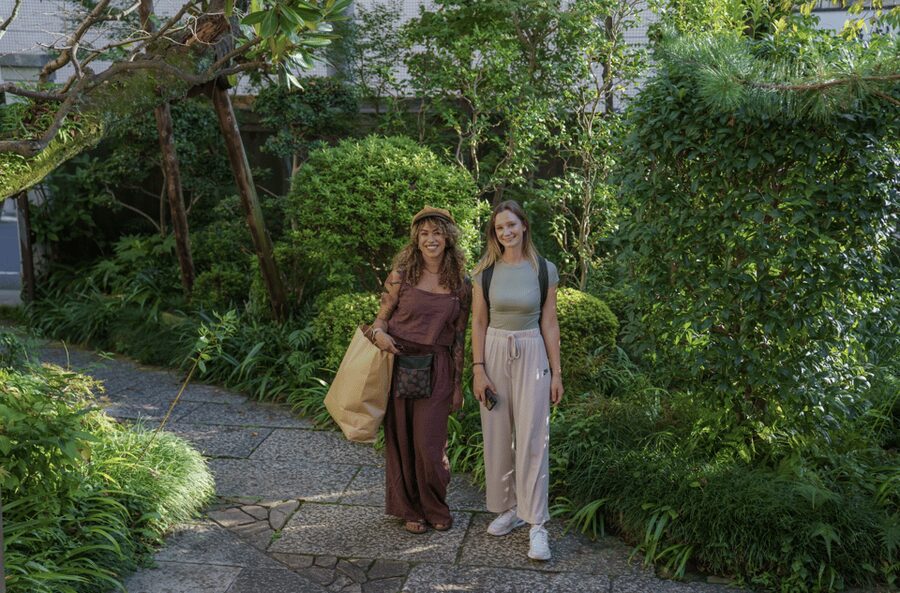
Tokyo is not only neon streets and train stations. A customized day can include a garden, a quiet temple, or a smaller neighborhood after the main sights.
Shinjuku Gyoen National Garden appeared in one five-hour route after Meiji Shrine and Shibuya. It offered a change from the city streets and a place to slow down. This is a smart addition if your group needs fresh air, photography, or a calmer pace.
A garden stop also helps balance a busy day. Tokyo’s major districts can blur together if you rush from one shopping area to the next. Adding a temple or park gives your guide room to explain Japanese customs and everyday life without competing with heavy traffic and crowds.
You can also ask for a cafe stop. Several routes included sweets or coffee, and these breaks are useful for families, older visitors, or anyone who wants conversation instead of constant sightseeing. They do add time and cost, so decide if you prefer more stops or a slower day.
What the guides do best
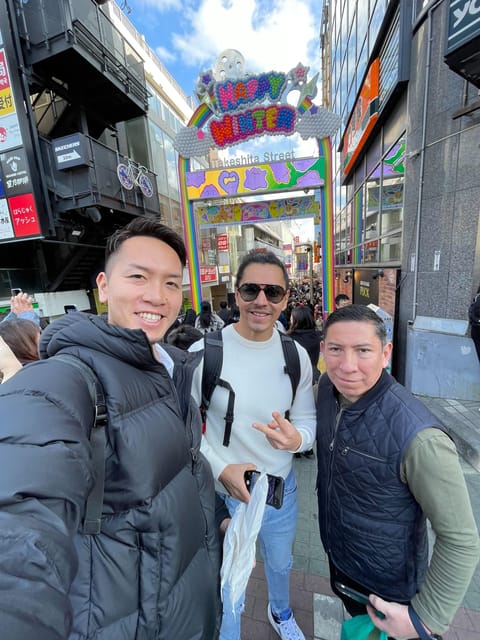
The strongest part of this experience is the guide relationship. Names that appear repeatedly in the available feedback include Sherilyn, Ken, Ayuko, Mami, Moeka, Momo, Yuri, Rika, Daniel, Hana, Atsushi, Tamami, and others.
Sherilyn is praised for shaping a layover into an enjoyable Tokyo visit, reading the group’s interests, and mixing history with fun activities. Ken is a strong fit if you want local areas, shrine customs, market help, or a route away from standard stops. Ayuko worked well for visitors wanting a friendly, conversational day around Meiji Shrine, Shibuya, Shinjuku Gyoen, lunch, and a cafe.
Mami is a good name to request if advance planning matters. A route with her included lunch and coffee arrangements, and she found a vegan restaurant. Moeka is a useful fit for families with teenagers, while Love received especially warm feedback for engaging younger children.
Guide assignments can vary, so a specific name is not guaranteed unless the provider confirms it. Still, these examples help you explain the kind of person and pace you want. Ask for someone who enjoys food, history, shopping, family groups, or less familiar neighborhoods.
English is the listed guiding language. The feedback describes clear, friendly communication, but individual speaking styles naturally vary. Use WhatsApp before the tour, since the guide will contact you there to arrange the meeting.
Walking, trains, and the real cost
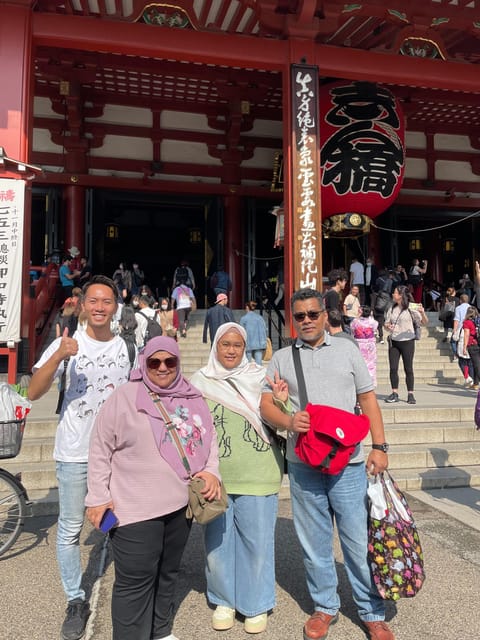
This is primarily a walking tour. Public transport is used when it helps connect districts, but private transportation is not included. You pay your own train or other transport fares, entrance fees, meals, and personal expenses.
The $30 per person starting price looks attractive, especially for a private experience. Its value depends on how you use it. For a short, focused walk, it can be a low-cost way to get local help and avoid wasting time. For eight hours, the guide’s planning, navigation, explanations, and access to less obvious places may make the cost worthwhile, but your total spending will be higher.
The tour is not a package with every expense settled in advance. Think of it as paying for a local guide and a flexible walking plan. Bring a transport budget, money for food, and room for entrance fees if your chosen stops charge them.
The meeting point is normally near the first destination, with pickup optional. Confirm the exact place and download WhatsApp before you go. For a private group, that small bit of preparation prevents a stressful start.
The experience is listed as wheelchair accessible, but Tokyo’s stations and chosen route can affect ease of movement. If you use a wheelchair, discuss the route and transport needs with the provider before booking rather than leaving the decision to the day itself.
Who should book this experience
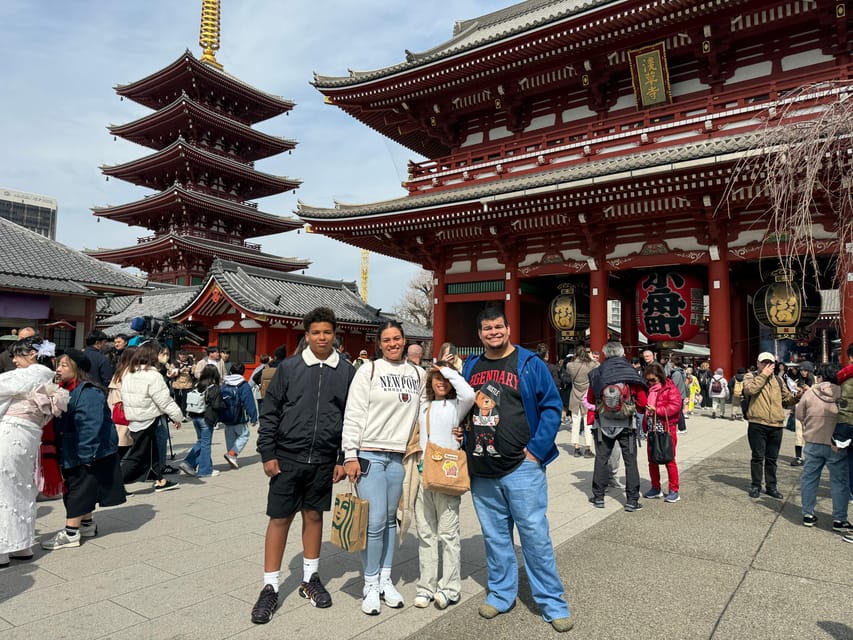
I would choose this tour if you are visiting Tokyo for the first time, have limited time, or want help turning a long wish list into a workable day. It is also a smart choice for families, couples with different interests, solo visitors, and people who want local food or neighborhoods beyond the standard checklist.
It works especially well for a layover. One short-stay visitor had Sherilyn plan and lead an adventure around limited time. A private guide can adjust the plan to your clock in a way a fixed group tour cannot.
You should think twice if you prefer complete independence, dislike walking, or want every cost included upfront. This is not a hop-on, hop-off sightseeing bus or a fixed attraction package. You need to communicate, make choices, and accept extra expenses during the day.
Should you book the Tokyo customized tour?
Yes, if personal attention and flexibility matter more to you than a fixed route. The best use of the tour is to choose a clear theme, such as traditional Tokyo and food, modern districts and shopping, family-friendly sights, or lesser-known neighborhoods.
For most people, I would choose five to eight hours. Two hours is useful for one compact area, but Tokyo rewards a little breathing room. An eight-hour booking offers the broadest look at the city, while five hours gives you a satisfying route without turning the day into a walking contest.
Book it with realistic expectations. The guide can make Tokyo easier to understand and more personal, but meals, trains, admissions, and other costs remain yours. If you prepare a short priority list and confirm the extra expenses, this is a flexible way to get far more from a first day in Tokyo.
FAQ
How long is the private Tokyo tour?
The tour lasts from 1 to 8 hours. You should check availability for the starting times offered on your chosen date.
Is the tour private?
Yes. The experience is arranged for a private group rather than a shared group.
What language does the guide speak?
The live guide speaks English. English is also the listed language for the activity.
Can I customize the itinerary?
Yes. Customization is included. You can request major sights, local neighborhoods, food stops, shopping streets, temples, gardens, or places that are less commonly visited.
What places can the tour include?
Possible stops include Asakusa Temple, TeamLab, Shibuya, Meiji Shrine, Harajuku, Ueno, Yanaka, Akihabara, Tsukiji Market, Tsukiji Hongwan-ji Temple, and Shinjuku Gyoen National Garden. The actual route depends on your interests, time, and the plan made with your guide.
Are meals and entrance fees included?
No. Lunch, personal expenses, entrance fees, and your transportation costs are not included. Private transportation is also not included.
How will I meet the guide?
The guide will contact you through WhatsApp. You should download WhatsApp before the tour so you can arrange the meeting smoothly. Pickup is optional, and the usual meeting point is near the first destination.
Can I cancel for a full refund?
Yes. You can cancel up to two days in advance for a full refund.
Newly reviewed around Tokyo
- Tokyo Asakusa:Calligraphy & Make T-shirt Activity★ 5.0 · 62 reviews
- Intercity Shuttle, Tokyo to Haneda /Narita /Yokohama /Makuhari★ 5.0 · 5 reviews
- 1 Hour Travel around Tokyo with a Professional Photographer★ 5.0 · 3 reviews
- Travel Tokyo with Your Own Personal Photographer★ 5.0 · 43 reviews
- Train in Samurai Swordsmanship and Defeat the Demon in Tokyo★ 5.0 · 5 reviews
- Shuttle Van 6hr Tokyo Tour to-and-from Tokyo, Yokohama and Narita★ 5.0 · 9 reviews
- Kickboxing & Body Training with EX-Pro Fighter★ 5.0 · 4 reviews
- Traditional Japanese Knife Sharpening Class★ 5.0 · 18 reviews
1-Day Tours, compared.
Mt Fuji and Hakone 1-Day Bus Tour Return by Bullet Train
Read our review →
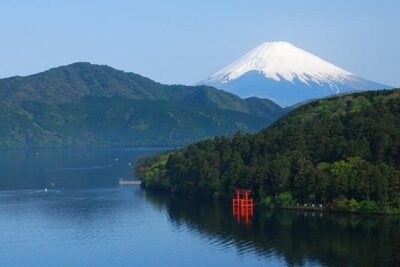
Mt Fuji & Hakone Cruise, Drum Show Bullet Train 1 Day from Tokyo
Read our review →


Tokyo Customized Private Tour (Must See Places in 1 Day)
Read our review →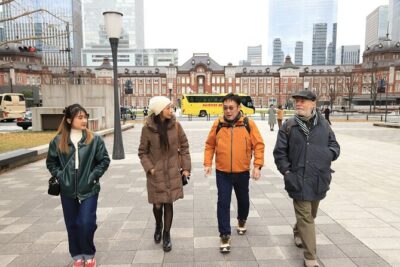
Tokyo Customized Private Tour: See Top Attractions in 1 Day
Read our review →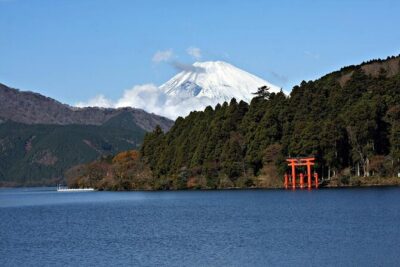
Mt Fuji & Hakone Cruise, Drum Show Bus 1 Day from Tokyo
Read our review →Browse the lists this tour appears in