

Reviewed · NIKKO DAY TRIPS FROM TOKYO
Tokyo: Nikko Toshogu Shrine and Kegon Waterfall Tour
Nikko packs a remarkable amount into one day: Toshogu Shrine, the ornate resting place of Tokugawa Ieyasu, followed by a nearly 100-meter waterfall, a mountain lake, and the twisting Iroha Slope. It is one of the better ways to trade Tokyo’s towers and crowds for cedar forests, old temples, and cooler mountain air.
I like the comfortable coach ride and the fact that shrine admission is included. I also like the guides’ practical touch, especially food suggestions around Kegon Falls and Tokyo Station. The drawback is the long day, with about five and a half hours on the road, and Toshogu may feel a little rushed if crowds or traffic build up.
Key points to know before booking
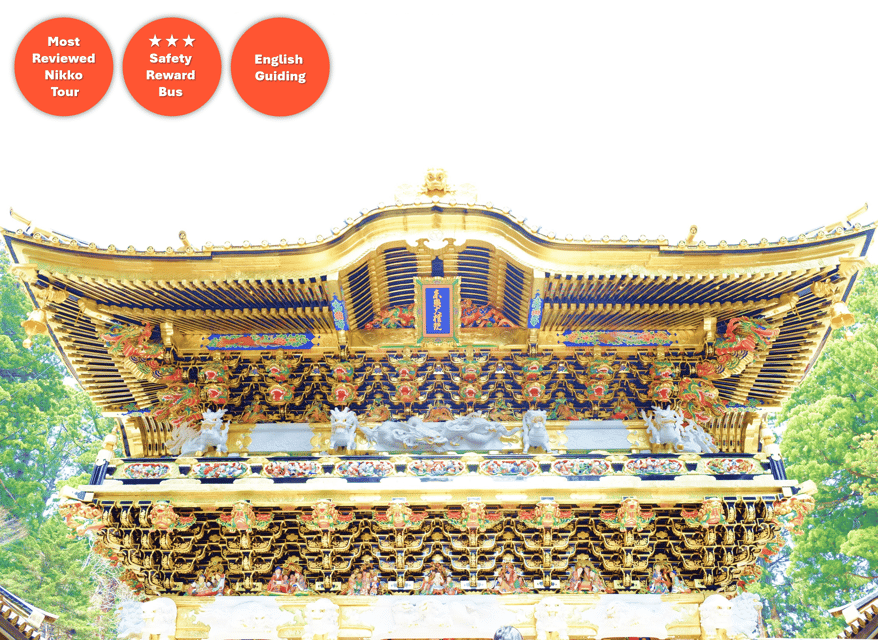
- Toshogu Shrine entry is included, so you can focus on the elaborate gates, carvings, and Tokugawa history.
- Kegon Falls is nearly 100 meters high, with an optional elevator that costs extra.
- The route includes the Iroha Slope, a famous mountain road with 48 sharp turns.
- The final cultural stop changes by date: Nikko onsen runs through September 30, 2025, and Shinkyo Bridge begins October 1, 2025.
- Bring cash and comfortable shoes, since lunch, some purchases, and the waterfall elevator are not included.
- English and Chinese guides accompany the group, with guides such as Tina, Zoe, Jeff, Jax, Vicki, Annie, and Sheila praised for clear explanations and useful local advice.
Why this Nikko day trip works from Tokyo
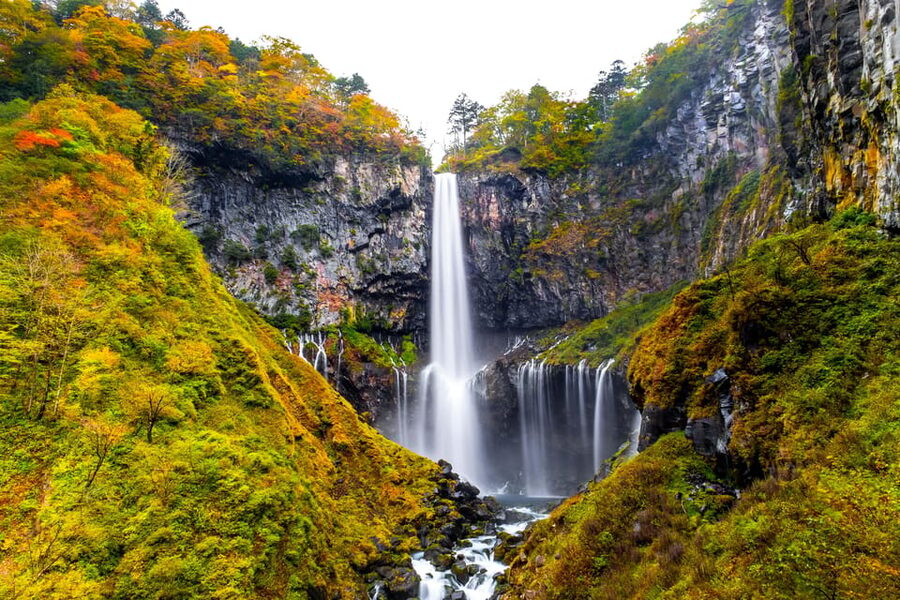
Nikko is far enough from Tokyo to make independent planning less simple, especially when you want to combine Toshogu Shrine with Kegon Falls and Lake Chuzenji in one day. This tour handles the long-distance transport and mountain driving, leaving you to look out the window and listen to background stories from the guide.
The price is $84 per person for a 630-minute outing. That is fair value if you want transport, a bilingual English or Chinese guide, and Toshogu admission bundled together. You still pay for lunch and optional extras, but the main sights are covered.
I would not choose this tour if you want a slow, flexible day in Nikko. The schedule has several fixed stops, and the return to Tokyo can take around three hours. For a first visit, though, the route gives you a useful introduction to both Nikko’s religious monuments and its mountain scenery.
More Nikko day trips from Tokyo:
- Nikko: Kegon Falls, Lake Chuzenji & Toshogu Temple
★ 4.6 · 1,577 reviews - From Tokyo: Nikko World Heritage Site Private Full-Day Trip
★ 4.9 · 243 reviews - Nikko: Edo Wonderland Edomura Cultural Theme Park Ticket
★ 4.3 · 205 reviews
Getting started in Tokyo
There are two possible meeting areas: Tokyo Yaesu Bus Terminal or the ground floor of the Sumitomo Mitsui Bank, Shinjuku Nishiguchi Branch. The exact meeting point depends on the option and date you book, so check the schedule carefully before setting out.
The coach ride to Nikko takes about two and a half hours. That is a serious stretch of road, but it also gives your guide time to explain the day and set the scene before you arrive. Guides including Tina, Zoe, Jeff, Jax, Vicki, Annie, and Sheila have been singled out for friendly delivery, clear English, and helpful advice.
Several past departures used coaches with Wi-Fi, USB charging points, and generous seating space. Equipment can vary, so I would treat those features as a welcome possibility rather than a guarantee. Either way, bring water, and keep your bags small. One carry-on bag is allowed, but large luggage is not.
Traffic matters here. Tokyo roads can be slow, and autumn weekends around Nikko can add delays. The route may be adjusted in a serious traffic jam, and a late return is possible. Do not plan a tight dinner reservation or evening train immediately after the tour.
Shinkyo Bridge and the approach to sacred Nikko
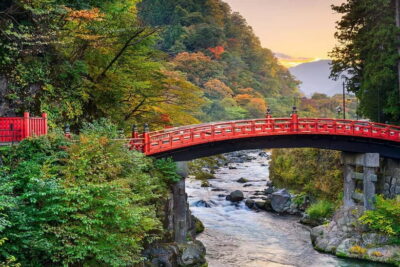
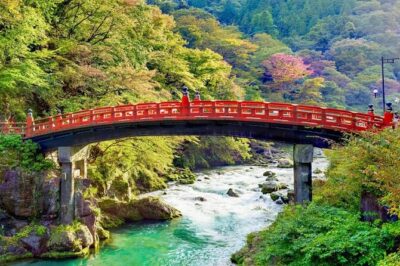
From October 1, 2025, the first sightseeing stop is Shinkyo Bridge. This red arched bridge crosses the Daiya River and marks the entrance to Nikko’s sacred area. You have about 20 minutes for photos and a quick look.
It is a short stop, but it gives you a clean visual introduction to Nikko. The bright bridge, rushing river, and wooded slopes make an easy photograph, and the setting feels very different from central Tokyo. You will not have time for a long walk or a full exploration of the surrounding area, so think of Shinkyo as a scenic greeting rather than a major visit.
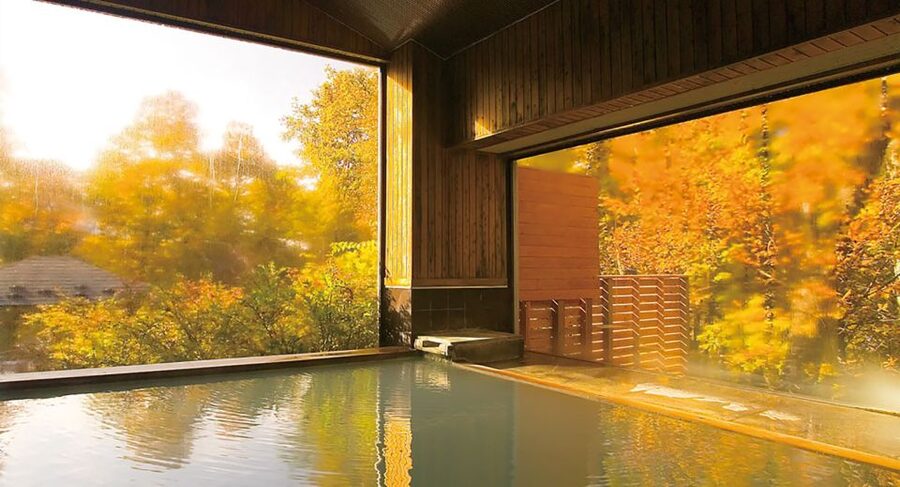
Until September 30, 2025, this part of the day uses Nikko onsen instead. The onsen stop gives you a chance to relax in hot spring water, according to the tour information and past departures. If you have a strong preference, check the date before booking, because the two versions offer quite different experiences.
Toshogu Shrine: the day’s main cultural stop
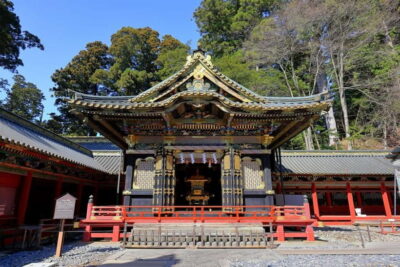
Toshogu Shrine is the heart of the excursion. It is the final resting place of Tokugawa Ieyasu, founder of the Tokugawa shogunate, which ruled Japan for more than 250 years until 1868. That political background helps explain why the complex is so elaborate.
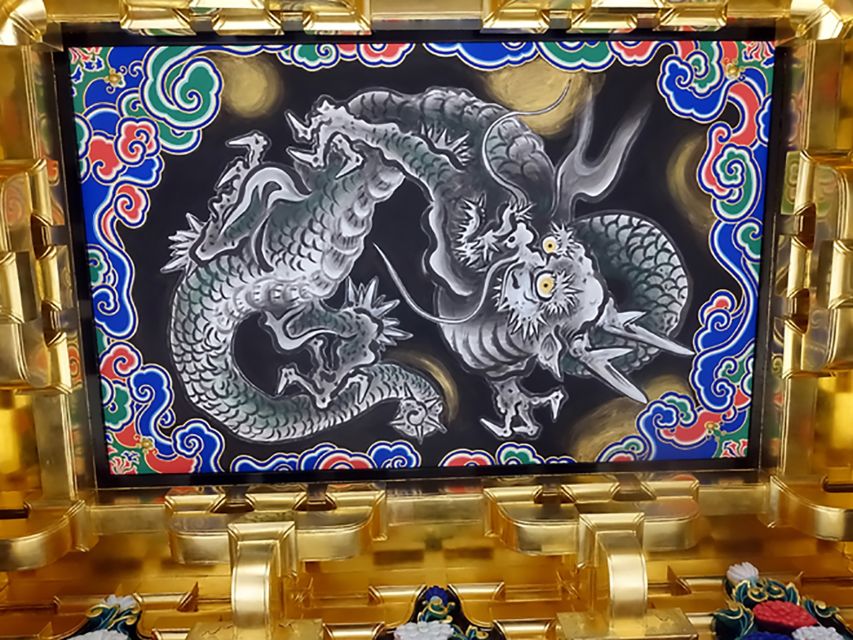
You get around 75 minutes at the shrine, including the entry ticket. The buildings are known for detailed woodwork, bold colors, carved animals, and layers of symbolism. The famous three wise monkeys are part of the visual language here, but the larger point is the scale and decoration of the entire complex.
Your guide will explain the stories and legends connected with the gates and buildings. Several guides have also given a history talk on the bus before arrival, which helps you understand what you are seeing instead of treating the shrine as a series of pretty surfaces.
The time is useful but not generous. Toshogu can be busy, and the complex includes steps, gates, and several areas competing for your attention. One past departure found the shrine visit too short, while another recommended the audio guide for a fuller explanation. I suggest staying close during the initial orientation, then using your free time for the buildings that interest you most.
Wear shoes that handle uneven ground and steps. One visitor specifically noted the effort involved in climbing 207 steps, though the view and destination made it worthwhile. You do not need to rush every stairway, but you should be ready for a physical visit rather than a flat museum walk.
The nearby Buddhist temple is not part of this tour. If your main goal is comparing Buddhist and Shinto sites, you may want a separate Nikko visit with more time. For a one-day overview, Toshogu alone provides the strongest cultural focus.
A completely different kind of day in Tokyo:
- Mt Fuji and Hakone 1-Day Bus Tour Return by Bullet Train
★ 5.0 · 26,383 reviews - 1-Day Tokyo Bus Tour
★ 5.0 · 14,250 reviews - Tokyo: teamLab Planets TOKYO Digital Art Museum Entry Ticket
★ 4.6 · 9,779 reviews - Mt Fuji & Hakone Cruise, Drum Show Bullet Train 1 Day from Tokyo
★ 4.0 · 7,413 reviews
Riding the Iroha Slope
After Toshogu, the coach heads toward the higher mountain area along the Iroha Slope. The road is famous for its 48 sharp turns and for its connection with the animation Initial D.
This is not a walking stop. You pass through the route from your seat, so the experience depends on weather, traffic, and where you are sitting. The curves are part of the fun, but they can be uncomfortable if you are prone to motion sickness. Look ahead, keep water nearby, and avoid a heavy meal right before the climb.
The road is especially popular in autumn when the trees change color. Late October and November can bring beautiful views, but they can also bring heavier traffic. One November departure ran into delays yet still found the day worthwhile. Build in patience, particularly if you visit during peak leaf season.
The driver matters on this section. Several departures praised the smooth handling of the mountain road, including the tight turns leading toward Kegon Falls. You are not driving, of course, but a steady coach makes a noticeable difference.
Kegon Falls and the optional elevator
Kegon Falls is the other major reason to book this excursion. Water drops almost 100 meters from Lake Chuzenji into the valley below, making it one of Japan’s three famous waterfalls, alongside Nachi Falls in Wakayama and Fukuroda Falls in Ibaraki.
You have about 75 minutes here, including time for lunch. The waterfall is a strong photo stop in clear weather, but mist can partly hide it. In April and May, mountain weather may change quickly. At other times, the falls can look different with snow, autumn color, or summer greenery around them.
There is an elevator viewpoint at Kegon Falls, but it is not included in the tour price. Bring cash if you want to use it, since card payments are not accepted at every location. The elevator can give you a closer, lower view of the falls, while the regular viewing area still lets you appreciate the height and setting.
Lunch is also your responsibility. You may find food near the waterfall area, and guides have suggested local restaurants, including an authentic udon place. Do not assume you can pay by card, and allow time for both eating and the waterfall view. If you spend too long over lunch, the sightseeing portion gets shorter.
The 75-minute allocation is sensible for a quick visit, meal, and optional elevator, but it is not enough for a leisurely restaurant stop and extended exploration. I would decide before arriving whether the waterfall view or lunch matters more to you.
Lake Chuzenji: a quieter final view
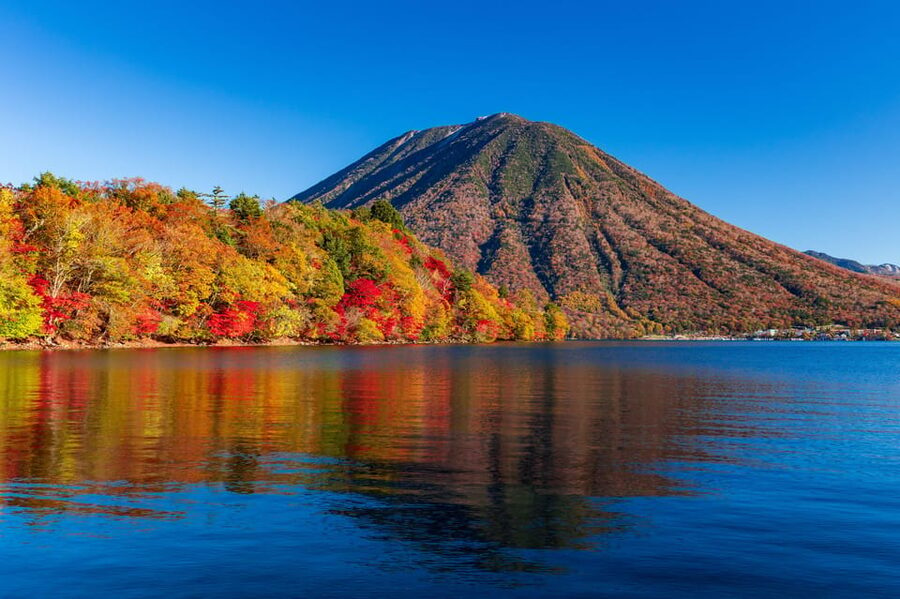
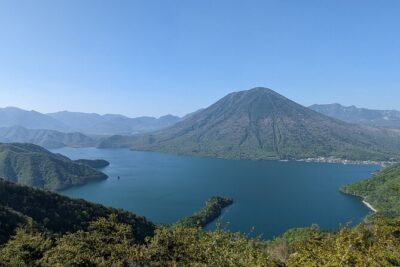
Lake Chuzenji sits high in the Nikko mountains and gives the day a calmer finish. You have about 45 minutes for photos, a walk, sightseeing, and possible shopping.
The lake is particularly striking when the weather clears. Mist can soften or block the view, and one spring departure saw very little of the lake because of fog. Another found that coffee and cake helped make up for the poor visibility. That is a fair description of mountain weather: the setting is beautiful, but the view is not guaranteed.
Temperatures near the lake can be much lower than in Tokyo. In November, one departure found it very cold by the water, so bring warm layers even if the capital feels mild. Summer can also be a pleasant break from Tokyo’s heat, but water and sun protection still make sense.
This is a good place to slow down after the shrine and waterfall. You may have time for a short walk and a drink, but not for a complete tour of the lakeshore. Treat it as a scenic pause, not a full nature hike.
The ride back and the real cost of the day
The return coach takes about three hours. That makes the full outing a 10.5-hour commitment, often with a late arrival in Tokyo. The upside is simple: you do not have to change trains, navigate mountain buses, or work out how to connect Toshogu with Kegon Falls.
At $84, the tour offers solid value for someone who wants the main sights in one day. Toshogu entry and the bilingual guide are included, and the coach removes the hardest transport problem. The extra costs are lunch, drinks, shopping, and the Kegon Falls elevator.
The value is less clear if you are comfortable arranging public transport and want to linger. Independent visitors can set their own pace, spend longer at Toshogu, and add nearby religious sites. You pay for that freedom with more planning and less protection from traffic or missed connections.
The tour leader accompanies the group throughout the day, gives explanations, and helps with practical questions. This is not a private guide who will build the entire day around your interests. You should expect a shared coach experience with structured stops.
Who should book this Nikko trip?
I would recommend it to a first-time visitor who wants a broad introduction to Nikko without giving up a full day of Tokyo sightseeing on separate visits. It suits people interested in Japanese history, striking architecture, waterfalls, mountain roads, and scenic photography.
It is also a good choice if you are traveling alone or do not want to manage rural transport. Several guides have helped solo participants with seating and practical details, and the group format provides an easy way to see a remote-feeling part of Honshu.
Families can book, but all children must be accompanied by an adult. The stairs, long coach ride, and packed schedule may be tiring for younger children. Large luggage is not allowed, and tattoos are considered taboo in this area, so plan accordingly.
I would hesitate if you dislike long bus rides, need a slow pace, or want a serious hike. Weather can also affect the waterfall and lake views. The shrine remains worthwhile in poor weather, but fog and rain may reduce the scenic part of the day.
Free cancellation is available up to 24 hours before departure, and you can reserve now and pay later. If bad weather forces cancellation, notification is expected on or before 2:00 PM the day before.
Should you book it?
Book this tour if you want Toshogu Shrine and Kegon Falls in one organized day and value a comfortable coach over independent planning. The guide adds useful context, the shrine ticket is included, and the route reaches places that are less convenient to combine on your own.
Skip it if you want deep time at the shrine, a full lakeside walk, or complete control over meals and stops. For most first visits, though, the balance is good: one major historical site, one dramatic waterfall, a mountain road, and Lake Chuzenji for $84, with the main work handled for you.
FAQ
How long does the Tokyo to Nikko tour last?
The tour lasts 630 minutes, or about 10.5 hours. The journey includes roughly 2.5 hours by coach to Nikko and about 3 hours returning to Tokyo.
Where does the tour start?
The tour has two possible starting areas: Tokyo Yaesu Bus Terminal and the ground floor of the Sumitomo Mitsui Bank, Shinjuku Nishiguchi Branch. The meeting point depends on the option and date, so check your tour schedule.
What languages does the guide speak?
Live guides are available in English and Chinese.
Is Toshogu Shrine admission included?
Yes. The Toshogu Shrine entry ticket is included in the tour price.
Is lunch included?
No. Lunch is not included, so bring cash and budget separately for food and drinks.
Is the Kegon Falls elevator included?
No. The elevator costs extra. Cash is recommended because card payments are not accepted at every location.
What should I bring?
Bring comfortable shoes, water, and cash. You should also bring warm clothing for Lake Chuzenji during cooler months.
Can I bring large luggage?
No. Large luggage is not allowed. Only one carry-on bag is permitted.
Does the tour visit Shinkyo Bridge or Nikko onsen?
The itinerary depends on the date. Nikko onsen is used through September 30, 2025. Shinkyo Bridge replaces it beginning October 1, 2025.
Can I cancel the booking?
You can cancel up to 24 hours in advance for a full refund. If severe weather requires cancellation, notification is expected on or before 2:00 PM the previous day.
Newly reviewed around Tokyo
- Tokyo Asakusa:Calligraphy & Make T-shirt Activity★ 5.0 · 62 reviews
- Intercity Shuttle, Tokyo to Haneda /Narita /Yokohama /Makuhari★ 5.0 · 5 reviews
- 1 Hour Travel around Tokyo with a Professional Photographer★ 5.0 · 3 reviews
- Travel Tokyo with Your Own Personal Photographer★ 5.0 · 43 reviews
- Train in Samurai Swordsmanship and Defeat the Demon in Tokyo★ 5.0 · 5 reviews
- Shuttle Van 6hr Tokyo Tour to-and-from Tokyo, Yokohama and Narita★ 5.0 · 9 reviews
- Kickboxing & Body Training with EX-Pro Fighter★ 5.0 · 4 reviews
- Traditional Japanese Knife Sharpening Class★ 5.0 · 18 reviews
Nikko Day Trips from Tokyo, compared.
Edo Wonderland Edomura Cultural Theme Park Ticket
Read our review →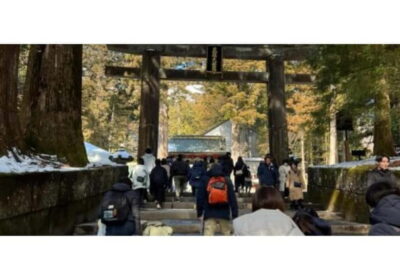
Chartered Private Tour – Tokyo to Nikko, Toshogu, Edo Wonderland
Read our review →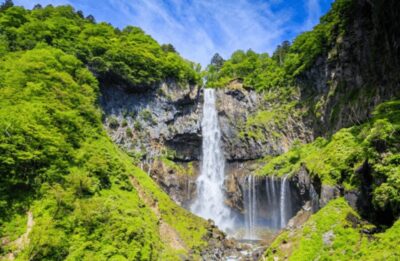
One Day Private Tour to Nikko With English Speaking Driver
Read our review →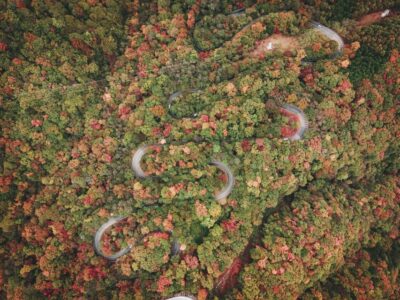
Browse the lists this tour appears in